Why Snoring Isn’t Always Present
While snoring is a common symptom of sleep apnea, snoring and sleep apnea aren’t the same thing. Snoring occurs when airway tissue vibrates, causing a sound. It has a variety of possible causes, including a narrowed airway, congestion, obesity, and obstructive sleep apnea.
Sleep apnea involves breathing pauses during sleep, usually because of airway obstruction. This obstruction often leads to tissue vibration — snoring — but not always. Not all airway obstructions create sound, and some may only lead to gasping or choking and not snoring.
Central sleep apnea, which differs from obstructive sleep apnea, may not always involve snoring. That’s because the breathing disruptions in CSA aren’t caused by airway obstruction but by the brain not sending signals to the muscles that control breathing.
Don’t Just Test Your Sleep. Understand It.
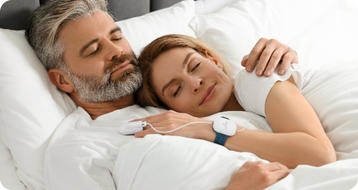
Measure key sleep metrics and review your results with a licensed sleep-care provider. Discuss sleep issues and options to make restless nights a thing of the past.


Types of Sleep Apnea That May Not Cause Snoring
Sleep apnea can be categorized based on its cause into one of three types: obstructive sleep apnea, central sleep apnea, and complex (mixed) sleep apnea.
Obstructive Sleep Apnea
Obstructive sleep apnea (OSA) is caused by a partial or full blockage of the airway during sleep, leading to pauses in breathing and/or shallow breathing. Airway blockages are usually due to the neck muscles becoming too relaxed.
Snoring is common in OSA because air being forced through a blockage often creates a sound, but not always. A person with OSA and no snoring may gasp or choke during the night, though pauses in breathing might not be easily detected.
Central Sleep Apnea
Central sleep apnea (CSA) involves breathing pauses during sleep due to the brain not sending signals to the muscles that control breathing. CSA can occur on its own or be associated with another medical condition. While OSA affects 10% to 30% of U.S. adults, CSA is rare and affects only about 1% of U.S. adults.
Because CSA isn’t caused by an airway blockage, there’s often no snoring associated with CSA. During pauses in breathing, those with CSA aren’t actively trying to inhale, as opposed to those with OSA, who are usually trying to force air into their bodies, leading to snoring.
Complex Sleep Apnea
Complex or mixed sleep apnea is when a person experiences symptoms of both OSA and CSA. It often becomes apparent when a person is treated for OSA and still experiences pauses in breathing. Snoring is still common with complex sleep apnea because there is some level of airway restriction, but it doesn’t always occur.
Symptoms of Sleep Apnea Without Snoring
While snoring may be the most obvious symptom of sleep apnea, there are other signs to look out for if you suspect you have sleep apnea but don’t snore. In the absence of snoring, it’s even more important to pay attention to how you feel during the day. Common daytime symptoms include:
- Excessive daytime sleepiness
- Morning headaches
- Difficulty concentrating
- Mood changes
Your or your bed partner might also notice other signs of sleep apnea at night:
- Waking up gasping or choking
- Insomnia or restless sleep
- Getting up several times to urinate
While you might not have snoring as an indicator, these signs of disrupted sleep may point to sleep apnea and warrant a conversation with your doctor.
Other Signs to Watch For
There are a few other less obvious signals that you might have sleep apnea. These include the following.
- High blood pressure: Untreated sleep apnea can lead to high blood pressure, so it’s worth checking if you have sleep apnea if your blood pressure is elevated and you have other symptoms, like daytime sleepiness.
- Frequent nighttime awakenings: It’s common to awaken during the night for a variety of reasons, but if you find yourself waking up often, it may be a sign that you’re struggling to breathe.
- Dry mouth or sore throat: Trying to breathe while your airway is blocked can lead to symptoms like dry mouth or a sore throat.
- Bed partner notices breathing pauses: Breathing pauses aren’t as easy to detect without snoring, but if your partner observes your sleep and notices that your breathing pauses for a few seconds at a time, it’s a good idea to test for sleep apnea.
Who Is at Risk of Sleep Apnea Without Snoring
There are certain groups who are more likely than others to experience sleep apnea without snoring. These include the following.
- Women: Women are less likely to report snoring as a primary symptom of sleep apnea than men and instead report insomnia, headaches, and mood-related symptoms. It’s unclear whether women with sleep apnea actually snore less than men or if they just report it less, but some research suggests that anatomical differences could lower the likelihood of snoring in women.
- Older adults: The majority of people with sleep apnea are over 65. For older people who don’t snore but experience excessive daytime sleepiness and other symptoms, it’s worth looking into sleep apnea as a possible cause.
- People with CSA: Because CSA is caused by the brain not signaling the body to breathe and not airway restriction, snoring isn’t a common symptom of CSA.
- People with lower BMI: Research suggests that people who have OSA but don’t snore tend to have a lower BMI.
- Family history: Certain genetic characteristics, like head and face shape, may determine whether or not you have sleep apnea with snoring.
- Small airway anatomy: If you naturally have a small airway but not excess tissues, you may develop OSA without snoring.
- Neurological conditions: Certain neurological conditions can lead to CSA, in which snoring is less likely to develop.
How Sleep Apnea Is Diagnosed
Whether or not snoring is present, the only way to diagnose sleep apnea is through a sleep study. The process for diagnosis usually starts with talking to your doctor, who will ask you questions about your symptoms and medical history. If they suspect you may have sleep apnea, they’ll order a sleep study.
Traditionally, sleep studies could only be performed overnight at a sleep clinic using a test called polysomnography. During the test, electrodes and other sensors monitor heart rate and breathing patterns. After the test, a specialist reviews the results to determine if you have sleep apnea, what type you have, and how severe it is.
At-Home Sleep Testing
Sleep Doctor now offers an at-home sleep test as a convenient alternative to clinic sleep studies. After a quick telehealth consultation with a licensed physician, an FDA-approved device will be delivered to your home. Wear the device during a normal night of sleep, and the results will be reviewed by a board-certified sleep physician. You’ll then get to review your results and diagnosis with one of our sleep coaches.
Sleep Apnea Treatment Options
There are a variety of treatments for sleep apnea, and the right one for you will depend on the cause of your sleep apnea and its severity. Treatment options include the following.
- Continuous positive airway pressure (CPAP) therapy: CPAP therapy is the most common and effective treatment option for sleep apnea. Using a machine, CPAP delivers pressurized air through a tube and mask and into your airway to keep it open while you sleep. If you utilize a Sleep Doctor home sleep test, your sleep coach can help you choose a CPAP machine that’s right for you.
- Oral appliances: Oral appliances are designed to be worn at night to either help reposition your jaw or hold your tongue in a forward position to keep your airway clear.
- Medication: In late 2024, the FDA approved a prescription weight-loss drug called Zepbound that can be used to treat sleep apnea in people who have obesity.
- Surgery: For people who don’t respond to other treatments, surgery may be used to remove excess tissue or enlarged tonsils and adenoids. There’s also an implantable device called Inspire that stimulates the nerve that controls the tongue.
- Lifestyle changes: Certain lifestyle changes like weight loss, reducing alcohol, quitting smoking, and sleeping on your side can help reduce sleep apnea symptoms.
- Treatment of underlying conditions: For CSA related to other health conditions, your doctor will typically focus on treating the underlying condition.
When to Talk to a Doctor
If you find yourself waking frequently during the night and experience daytime sleepiness, it’s a good idea to talk to your doctor about the possibility of sleep apnea. If you don’t snore, you’ll need to pay attention to other symptoms, especially those you experience during the day like difficulty focusing and mood changes.
If you have a bed partner, it may be worth asking them to observe your sleep to see if they notice any pauses in your breathing. Either way, track and record your symptoms, and then schedule a time to meet with your doctor so you can make sure you get the quality sleep you need.