Sleep apnea is a disorder in which breathing is interrupted during sleep, which prevents the body from getting the oxygen it needs. Without treatment, breathing issues impair sleep quality, diminish day-to-day functioning, and increase the risk of health problems like heart disease and high blood pressure.
Many people with sleep apnea don’t realize that their sleep is disrupted, and this breathing disorder often goes undiagnosed. Fortunately, recognizing the signs of sleep apnea and getting treatment can alleviate symptoms and reduce the risk of further complications.
Common Symptoms of Sleep Apnea
The primary symptom of sleep apnea is abnormal breathing during sleep. People with sleep apnea may have periods in which their breathing becomes slow, shallow, or paused. Because many people are unaware of their nighttime breathing issues, symptoms may be first noticed by partners, caregivers, or roommates.
It can be difficult to identify abnormal breathing on its own, so here are other common symptoms to look out for.
Snoring
Snoring is the most obvious sign of sleep apnea. The sound is created when air tries to move through a partially blocked airway, causing the tissues in the throat to vibrate. In people with sleep apnea, this airway narrowing can progress to full breathing pauses, so loud or frequent snoring is often one of the earliest clues that something is wrong.
It’s worth noting that the majority of people who snore don’t necessarily have sleep apnea. Still, it’s a good idea to tell your doctor if you or someone you live with has noticed snoring, especially if it’s loud, frequent, or disruptive.
Gasping or Choking
Gasping, choking, and snorting during sleep are all common symptoms of sleep apnea because of the way it disrupts breathing. As your body tries to get oxygen, your airway is essentially forced open, resulting in gasping or coughing. These symptoms tend to be more noticeable because their abruptness is likely to wake you or your bed partner.
Daytime Sleepiness
One of the most common signs of sleep apnea is feeling sleepy during the day, but this symptom can be difficult to pinpoint. If you have trouble focusing during the day or find yourself dozing off, it’s a good idea to be evaluated for sleep apnea.
Don’t Just Test Your Sleep. Understand It.
Measure key sleep metrics and review your results with a licensed sleep-care provider. Discuss sleep issues and options to make restless nights a thing of the past.


Less Common or Overlooked Symptoms
Sleep apnea symptoms can differ from person to person, and while the following symptoms might not occur in everyone, it’s worth keeping an eye out for these sleep apnea signs.
In mild cases of OSA, a person may have few daytime symptoms. People with moderate to severe OSA may develop more significant symptoms that interfere with their daily life, including:
- Morning headaches
- Needing regular naps
- Cutting back on daytime activities due to sleepiness
- Frequently waking up at night to urinate
- Dozing off at inappropriate times
- Irritability and mood changes
- Slowed thinking, trouble concentrating, or forgetfulness
Obstructive vs. Central Sleep Apnea Symptoms
The symptoms of obstructive sleep apnea (OSA) and central sleep apnea (CSA) overlap, but they can vary in a few key ways. OSA is the most common type of sleep apnea and is caused by a physical blockage or narrowing of the throat. In contrast, CSA occurs when the brain briefly stops sending the signals that trigger breathing and so that individuals don’t inhale properly while asleep.
Both types of sleep apnea cause breathing disruptions, but they often manifest differently. In general, OSA tends to be more disruptive. A person with OSA is more likely to snore loudly. Symptoms like gasping, dry mouth, and waking in the middle of the night are more strongly associated with OSA.
Snoring is less common with CSA. Instead, breathing is irregular and interrupted by pauses. Breathing might also become more rapid, before slowing and then stopping altogether. Those with CSA are more likely to have a hard time staying asleep and might wake up earlier than they would like to.
Symptoms also depend on the type of CSA that was diagnosed. Because CSA is often related to an underlying medical issue, symptoms vary based on the condition causing breathing issues.
Finally, both obstructive and central sleep apnea may be asymptomatic, which means that a person may not notice any obvious signs of nighttime breathing issues.
Sleep Apnea Symptoms in Women
Sleep apnea is more common in men than in women, but this may be due in part to the fact that women are traditionally underdiagnosed. While there’s an overlap in symptoms between men and women, women are more likely to report less typical symptoms like insomnia and depression. It’s important to pay attention to these to ensure that sleep apnea doesn’t go undiagnosed in women.
Insomnia
Insomnia is when a person has trouble falling or staying asleep. While insomnia alone isn’t enough to diagnose sleep apnea, it can be a sign of the disorder. The breathing disruptions associated with sleep apnea can cause a sleeper to wake up after which they might struggle to fall back to sleep.
Fatigue
Women are more likely to report feelings of fatigue, which is a lack of mental or physical energy, rather than sleepiness, which is the inability to stay awake. Fatigue can be attributed to a variety of causes, so it may not always be obviously linked to sleep apnea.
Depression
Women with sleep apnea are more likely than men to report symptoms of depression. Because of this, many women are misdiagnosed only with depression, and sleep apnea isn’t identified until later, if at all. Depression can occur alongside sleep apnea, and it’s also possible for the poor quality of sleep associated with sleep apnea to lead to symptoms of depression.
Overlapping Symptoms
Some studies have also shown that women may be at a higher risk to experience multiple sleep disorders and/or mental health challenges at the same time. For that reason, it’s especially important for women to seek care from both a sleep specialist and a mental health specialist, if needed.
Sleep Apnea Symptoms in Children
Only about 2% to 5% of children have sleep apnea, but it’s important to diagnose it early to avoid any associated behavioral or learning challenges. Symptoms for children are sometimes different from those seen in adults. Here’s what to look out for.
Shallow Breathing
Children with sleep apnea are likely to snore, similar to adults, but younger children tend to experience what’s known as hypoventilation, or shallow breathing. If you ever observe your child while they’re sleeping, keep an eye out for quick or shallow breathing or paradoxical breathing, which is when the chest goes in during an inhale.
Unusual Sleeping Positions
Especially when paired with symptoms like snoring, odd sleeping positions can be a symptom of sleep apnea in children. You might see your child fall asleep in a seated position or with their neck at a strange angle. It’s worth noting, though, that children are less likely to wake up from sleep apnea than adults are.
Behavior and Learning Challenges
Young children are less likely to experience daytime sleepiness from sleep apnea, but you may see impacts on their behavior and ability to learn. Interrupted sleep can lead to difficulty concentrating or impulse control challenges. Sometimes sleep apnea in children is misdiagnosed as attention deficit hyperactivity disorder (ADHD) for that reason.
When to See a Doctor
If you find yourself experiencing any of the common symptoms of sleep apnea, it’s a good idea to talk to your doctor. Keep an eye out for any less direct symptoms, too, like feelings of fatigue or depression.
If you have a partner, caregiver, or roommate, think about asking them to observe you sleeping so you can have a more comprehensive symptom report to give your doctor. If you sleep alone, you can use a smartphone app or an audio recorder to capture snoring, gasping, or pauses in breathing during the night. And if you notice any abnormal breathing in your child during sleep, it’s always a good idea to see your pediatrician.
Sleep Apnea Tests and Diagnosis
It’s important to remember that identifying symptoms is only the first step in figuring out whether or not you have sleep apnea. Doctors will take your symptoms into account to eliminate other health conditions, but diagnosis of sleep apnea is based on the results of a sleep study.
Traditionally, sleep studies were conducted in a sleep lab. It required spending a night in a clinical setting while sensors monitored your breathing, brain activity, and sleep stages under the supervision of a technician.
Now, there’s also the option to do an at-home sleep study. These tests allow you to monitor key sleep and breathing patterns from the comfort of your own bed, using a small device instead of a full lab setup. Many people find them more convenient, accessible, and representative of their typical sleep.
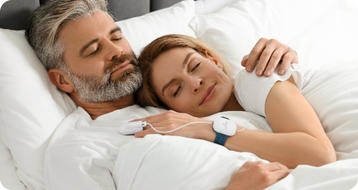
Sleep Doctor offers a home sleep test that’s affordable and easy to use. The device is mailed directly to your home and takes only a few minutes to set up before bed. While you sleep, it monitors your breathing patterns, pauses in breathing, oxygen levels, and heart rate.
Next, a board-certified sleep physician reviews your results and provides a diagnosis. If sleep apnea is detected, Sleep Doctor can guide you through next steps, including treatment options and obtaining a prescription for CPAP therapy.
How Treatment Improves Sleep Apnea Symptoms
Treatment for sleep apnea is aimed at improving breathing during sleep and bringing the body’s oxygen levels back to normal. Treatment options depend on an individual’s medical history, the type of sleep apnea diagnosed, its severity, and any underlying medical conditions that may be contributing to breathing difficulties. Some of the most common options include:
- Positive airway pressure therapy: Positive airway pressure (PAP) therapy uses air pressure to keep the airway open during sleep. The most common way of delivering this therapy is with continuous positive airway pressure (CPAP).
- Oral appliances: Oral appliances are an option for some people with OSA and work by shifting the lower jaw or pulling the tongue forward to keep the airway from becoming blocked.
- Supplemental oxygen: People diagnosed with certain types of CSA may be given supplemental oxygen as they sleep, either alone or in combination with PAP therapy.
- Surgery: Surgery is typically used as a second-line treatment for sleep apnea when other approaches are unsuccessful. There are a wide variety of surgeries that may be used to treat sleep apnea, which alter tissues to prevent obstructions during sleep or use an implantable medical device to stimulate breathing.
Tips for Relieving Your Sleep Apnea Symptoms
The most important step in getting relief from sleep apnea symptoms is to talk to your doctor. Treatment can help alleviate symptoms, so be sure to contact your doctor if your sleep quality is suffering or if you have daytime symptoms suggestive of sleep apnea.
Your doctor may also suggest tips for reducing sleep apnea symptoms.
- Exercise and maintain a healthy weight: If you have overweight or obesity, weight loss and regular exercise can improve your health, reduce obstructive breathing problems, and ease daytime symptoms. Your doctor can discuss dietary changes, safe ways to exercise, and other options like medications and surgery.
- Be cautious about drinking and smoking: Smoking and drinking alcohol can worsen episodes of OSA and exacerbate daytime symptoms, so doctors recommend quitting smoking and restricting alcohol consumption.
- Change your sleeping position: If breathing gets worse when sleeping on your back, changing your sleeping position may reduce the symptoms of sleep apnea. Switching sleeping positions can be challenging, though several devices are available that help people learn to sleep in a new position.
- Review your medications: Both OSA and CSA can be triggered or exacerbated by certain medications such as benzodiazepines and some opiates. If you’re on medication and have sleep apnea symptoms, consider meeting with your doctor to review your medications use.
Tips for Caregivers
Caregivers can play an important role in helping people notice their sleep apnea symptoms. Keep record of symptoms you observe and help individuals talk to their doctor about sleep issues. Following any diagnosis, it can take time to adjust to treatments for sleep apnea, so caregivers can help people adhere to the recommended sleep apnea treatments and resolve challenges that arise.