If you snore or breathe abnormally in your sleep, you might wonder if you have allergies, sleep apnea, or both. While each condition can affect how you breathe at night, they differ from one another in key ways, including how they’re treated.
Both allergies and sleep apnea can disrupt sleep, but the two conditions are very different and can have a different set of symptoms.
Can Allergies Cause Sleep Apnea?
Allergies are one factor linked to developing obstructive sleep apnea (OSA). Allergies and hay fever often come with a runny nose (rhinitis) and nasal congestion caused by dust mites, high pollen counts, or seasonal allergies, all of which may contribute to the airway blockage associated with OSA.
People with allergies are also more likely to breathe through their mouths while asleep. When breathing this way, the tongue can partially block the upper airways, which may further increase the risk of OSA.
Some experts don’t include allergies as a primary cause of OSA. But recent research includes nasal congestion as a potential risk factor, alongside others like obesity, family history, and age.
Don’t Just Test Your Sleep. Understand It.
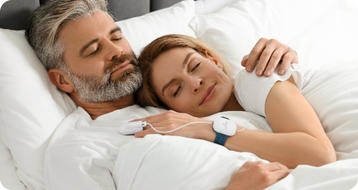
Measure key sleep metrics and review your results with a licensed sleep-care provider. Discuss sleep issues and options to make restless nights a thing of the past.


Do Allergies Make Sleep Apnea Worse?
Allergies may make sleep apnea worse for some people, but experts have found differing results when they study congestion and runny nose with sleep apnea severity. One study found a congested nose increased breathing interruptions during sleep, but other research found that people with a runny nose had no more apnea symptoms than those with no allergies.
OSA is complicated, and some experts say it may depend on what’s causing your sleep apnea symptoms in the first place. Either way, a chronic runny nose may make it hard to stick with CPAP treatment.
How to Tell if It’s Sleep Apnea or Allergies
Sleep apnea and allergies can have similar effects on sleep. For example, like sleep apnea, allergies may lead to many sleep problems like insomnia, daytime tiredness, difficulty waking, and restless sleep. This can happen for a few reasons:
- Inflammatory signals: Allergic reactions trigger inflammation and the release of chemicals in the body that may lead to excessive daytime sleepiness and sleep problems.
- Nasal blockage: Allergies may cause nasal blockages, such as a stuffy nose, which can make it more difficult to breathe normally and fall asleep. These blockages can also lead to snoring.
- Allergy medications: Some allergy medications cause drowsiness or disrupt sleep.
But, although they may be connected for some, allergies and sleep apnea have distinct symptoms that can help you figure out what you’re dealing with.
Common Symptoms of Allergies
Different types of allergies can produce different symptoms, but the symptoms most similar to sleep apnea are associated with a type called allergic rhinitis. Allergic rhinitis is associated with seasonal or environmental allergens. Breathing in these allergens irritates the nose, leading to symptoms like sneezing or stuffiness.
Although symptoms start in the nose, they can lead to several other effects and even impact your sleep. Symptoms of allergic rhinitis include:
- Sneezing
- Runny nose
- Stuffy nose
- Itchy nose, eyes, or mouth
- Postnasal drip
- Cough
- Irritability
These symptoms can be uncomfortable and make it harder to sleep at night for people with moderate to severe allergies. People with allergies may breathe using their mouth while they sleep because the nose is too stuffed up.
Similarly to sleep apnea, allergies can also cause fatigue, daytime sleepiness, and morning headaches. Unlike sleep apnea, allergic rhinitis causes nasal and breathing symptoms that aren’t limited to sleep.
Signs You May Have Sleep Apnea
People with sleep apnea temporarily stop breathing many times while they’re asleep. Of the different types of sleep apnea, obstructive sleep apnea is most likely to mimic allergies, because it is caused by a physical blockage in upper airways like the nose and throat.
Symptoms of obstructive sleep apnea include:
- Loud snoring
- Choking or gasping during sleep
- Feeling sleepy during the day
- Restless sleep
- Waking up to urinate
- Memory troubles
Not everyone who snores has OSA, but particularly loud snoring, especially when combined with choking or gasping, can be a telltale sign. Often people with OSA don’t know they snore or gasp, but a bed partner or roommate may notice it. A home sleep test is often the first step in diagnosing sleep apnea.
What to Do if You Have Allergies and Sleep Apnea
If you have both allergies and sleep apnea, you can take steps to manage both for better sleep.
First, talk to your provider to make sure you have an accurate diagnosis and have the right treatment plan in place.
For allergies, your provider may want to start with allergy testing to find out what’s causing your symptoms. They may then recommend oral medications, nasal sprays, or allergy shots to dry up your nose and decrease congestion. In some cases, they may suggest surgery to open up nasal passages and offer allergy relief.
You can also ask your provider about tweaking your OSA treatment to get around your allergy symptoms. Choosing the right CPAP machine for your needs can help you get the most out of your sleep apnea treatment.
When to See a Doctor
If allergy or sleep apnea symptoms affect your sleep, cause daytime drowsiness, or aren’t getting better with treatment, let your doctor know. Everyone responds differently to various options, and your provider can help you try them until you find one that works. If symptoms get so bad that you have trouble breathing, call 911 or go to your nearest emergency room right away.