Sleep apnea involves repeated pauses in breathing during sleep, and, when left untreated, it can cause an increase in blood pressure. Blood pressure is the force applied to artery walls as blood circulates through the body, and high blood pressure increases the risk of heart attack, stroke, heart failure, kidney damage, and vision problems.
Below, we’ll explain the relationship between sleep apnea and high blood pressure, including how treatment for sleep apnea can help lower blood pressure.
Sleep Apnea and High Blood Pressure
Healthy sleep allows the body to rest and recover. For heart health, this includes time for heart rate to slow down and blood pressure to drop. Sleeping problems, including sleep apnea, disrupt these natural processes, raising the risk of high blood pressure and other medical conditions.
Obstructive Sleep Apnea
Studies have found a consistent link between obstructive sleep apnea (OSA) and high blood pressure. In OSA, lapses in breathing occur when the airway becomes narrowed or blocked. This leads to lower blood oxygen levels and low-quality sleep.
Around half of people with OSA have hypertension, and OSA increases the risk of developing hypertension, even in people whose blood pressure is currently normal. OSA may contribute to high blood pressure in several ways.
- Drops in oxygen levels: When breathing is disrupted, blood oxygen levels drop. In response, the heart pumps more blood, pushing blood pressure higher.
- Activation of the “fight or flight” response: An imbalance of oxygen and carbon dioxide in the blood activates the body’s sympathetic nervous system. This “fight or flight” stress response elevates both blood pressure and heart rate.
- Abrupt micro-awakenings: To restore breathing, people with OSA experience dozens of extremely brief awakenings throughout the night. These are so short that the sleeper typically doesn’t remember them, but the awakenings provoke surges in blood pressure that are even higher than those that occur when awake.
- Chronic inflammation: Persistent drops in blood oxygen contribute to inflammation in the cardiovascular system. Chronic inflammation leads to tissue damage, making blood vessels and arteries more prone to hypertension.
- Hormonal changes: OSA has been linked to the overproduction of the hormone aldosterone, which constricts and stiffens blood vessels. OSA may also affect hormones like cortisol that are related to blood pressure spikes.
These issues often exacerbate each other. For example, a surge in blood from the heart after an OSA-related awakening can send blood into constricted or damaged arteries, producing a greater impact on blood pressure.
Unfortunately, nighttime blood pressure spikes can spill into the daytime. Over time, OSA can disrupt the body’s system of regulating blood pressure, leading to ongoing hypertension. Not surprisingly, the risk of high blood pressure is higher in people with more severe OSA.
Central Sleep Apnea
Central sleep apnea (CSA) involves irregular breathing during sleep, but unlike OSA, it occurs when the brain fails to properly control the breathing muscles. CSA is relatively rare, and it usually occurs because of an underlying medical condition. However, it isn’t as closely associated with high blood pressure as OSA, and most health complications from CSA result from the medical conditions that cause it.
That said, CSA causes repeated sleep disruptions and can affect oxygen levels, meaning it may affect blood pressure in some of the same ways as OSA. It’s also possible to have both CSA and OSA.
Resistant Hypertension
Resistant hypertension is high blood pressure that persists despite treatment with multiple blood pressure medications. Research has found that obstructive sleep apnea is a primary risk factor for resistant hypertension.
The risk is highest in people who have severe OSA that’s left untreated. Evidence also suggests that treating OSA has the most significant impact on blood pressure in people with resistant hypertension.
Don’t Just Test Your Sleep. Understand It.
Measure key sleep metrics and review your results with a licensed sleep-care provider. Discuss sleep issues and options to make restless nights a thing of the past.


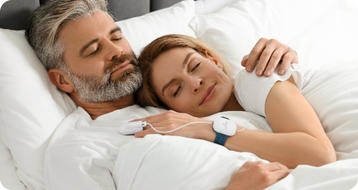
Effect of Sleep Apnea Treatment on Blood Pressure
Treatments for obstructive sleep apnea can decrease the risk of high blood pressure. OSA is often treated with positive airway pressure (PAP), using continuous positive airway pressure (CPAP) or automatic positive airway pressure (APAP) machines. These devices use a steady stream of pressurized air to keep the airway open.
Studies show that using a CPAP machine can lower blood pressure, often within weeks. Because CPAP therapy reduces breathing disruptions, it can prevent the dips in oxygen levels that contribute to elevated blood pressure.
But in order for CPAP therapy to lower blood pressure, the machine must be used consistently. Blood pressure may go back up in as little as two weeks if CPAP therapy is stopped.
Some people find it difficult to use a CPAP machine and seek alternative treatment options. In limited studies, certain treatments have shown positive effects on blood pressure, although their effectiveness relative to CPAP therapy is not clearly established.
- Oral appliances: Oral appliances for sleep apnea hold the jaw in a position that keeps the airway open.
- Surgery: In some cases, surgery can remove tissue that obstructs the airway.
- Medication: The weight-loss drug Zepbound (tirzepatide) has also been found to reduce breathing disruptions and improve blood pressure in people with OSA.
- Hypoglossal nerve stimulation: Inspire sleep apnea treatment implants a device near the collarbone that activates the tongue and other muscles near the airway to prevent obstructed breathing.
When to Talk to Your Doctor
Because high blood pressure can easily go undetected, organizations like the American Heart Association recommend having your blood pressure checked even if you don’t have symptoms. For this reason, health care providers often measure your blood pressure during every office visit.
It’s possible to check your blood pressure at many drug stores and at community health fairs. You can also monitor your numbers at home with a non-prescription blood pressure cuff. If you have high blood pressure, talk to your doctor about recommended lifestyle changes and treatment options to prevent cardiovascular disease.
Obstructive sleep apnea causes symptoms that are often first noticed by friends, family, and bed partners. Talk to your doctor if you experience potential signs of OSA:
- Loud snoring
- Snorting, gasping, or choking while asleep
- Significant daytime sleepiness
- Recurring morning headaches
- Irritability or lack of concentration
- Frequent urination at night
Based on your symptoms, you may need testing. Your doctor can refer you to a facility for an overnight sleep study. Sleep apnea testing can also be done at home. Sleep Doctor’s home sleep test uses an FDA-approved device to check for OSA. After taking the test, a board-certified sleep expert goes over your results, including any diagnosis or treatment options.