Automatic positive airway pressure (APAP) machines are an increasingly popular choice for treating obstructive sleep apnea (OSA), a condition characterized by shallow breathing or brief pauses in breathing during sleep.
An APAP machine adapts to a user’s breathing patterns throughout the night and may provide a more comfortable experience for people who have difficulty tolerating traditional continuous positive airway pressure (CPAP) therapy.
Below, we explain the advantages of APAP therapy, how it differs from CPAP therapy, and what to consider when buying an APAP machine.
How APAP Machines Work
Also known as an auto-adjusting CPAP or an auto-CPAP, an APAP machine is a type of positive airway pressure (PAP) device that delivers pressurized air via a hose and a mask. Similar to a CPAP, it works by passing air through a filter and into a hose that delivers the pressurized air through a mask and into your airway to keep it open as you sleep.
CPAP vs. APAP
While a fixed-pressure CPAP machine supplies a consistent, steady stream of air, APAP machines are equipped with algorithms so that they can detect changes in your breathing and automatically adjust their pressure.
CPAP machines also have a single pressure level that’s set by your doctor or sleep specialist, while APAP machines adjust pressure levels throughout the night.
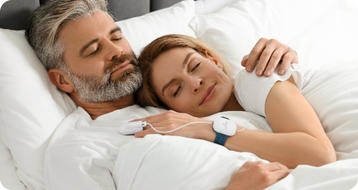
Don’t Just Test Your Sleep. Understand It.
Measure key sleep metrics and review your results with a licensed sleep-care provider. Discuss sleep issues and options to make restless nights a thing of the past.


How to Tell if an APAP Machine Is Right for You
While your doctor will ultimately determine if an APAP machine is right for you, they’re usually a good fit for anyone who can benefit from the flexibility of variable pressure levels.
- People who find CPAP therapy uncomfortable: Some people find fixed-level CPAP therapy difficult to get used to, particularly for those with higher pressure requirements.
- Sleepers with changing pressure needs: A person’s sleep apnea symptoms may vary from night to night or over time due to factors like changes in sleep position, alcohol intake, nasal congestion levels, or fluctuating body weight.
- Pregnant people: People who are pregnant may find that their sleep apnea symptoms worsen over the course of their pregnancy. An APAP machine may be a better choice to avoid additional titration studies to dial in an appropriate pressure setting on a fixed-level CPAP device.
In general, if a person needs high air pressure on some nights, but only a small amount of pressure other times, then an APAP machine may be preferable. However, there are some groups of people who are not good candidates for an APAP device.
APAP therapy is generally not recommended for people diagnosed with central sleep apnea (CSA), a condition involving breathing disruptions caused by the brain failing to send signals to the muscles that control respiration.
APAP algorithms are less adept at detecting central apneas when compared to other PAP devices like adaptive servo-ventilation (ASV) machines and bilevel positive airway pressure (BiPAP) devices used in spontaneous-timed mode.
Additionally, people who are more prone to air leaks during PAP therapy due to their facial structure or other factors are less likely to be prescribed an APAP machine.
Benefits of an APAP Machine
APAP machines offer a variety of benefits for people who need pressure that adjusts throughout the night.
More Comfortable Therapy
Many people find APAP machines more comfortable than traditional CPAP machines. Unlike a CPAP machine, which is set to one prescribed air pressure level, APAP devices are programmed with a prescribed pressure range. Using built-in sensors and sophisticated algorithms, APAP machines are designed to deliver the lowest pressure level needed to keep the user’s airway open during sleep apnea events.
Some APAP machines also include a feature known as expiratory pressure relief. This optional comfort setting gently lowers the air pressure level during exhalation, which may benefit people who find it uncomfortable to exhale against higher pressure.
Adaptability
Some people’s sleep apnea symptoms are more pronounced in certain sleep positions or at certain times during the night. For example, many people have a harder time breathing when they’re sleeping on their backs. APAP machines can sense these breathing pattern changes in real time and adjust pressure accordingly.
No Need for a Titration Study
For people prescribed a CPAP machine, the next step in the process is to attend an in-person titration study at a sleep clinic, where an appropriate fixed pressure setting will be determined. Since APAP machines can essentially auto-titrate in real time, people who are a suitable fit for this type of device may be able to forgo a visit to a sleep lab.
This may be particularly appealing to someone who has done an at-home sleep apnea test instead of an in-person sleep study, so they can avoid going to a sleep clinic.
Side Effects of APAP Therapy
While APAP therapy is highly effective in treating sleep apnea symptoms, there are potential side effects, much the same as there is with CPAP therapy. These can usually be remedied by making adjustments and don’t outweigh the benefits of APAP therapy.
- Mask discomfort: If an APAP mask doesn’t fit well, it can lead to both discomfort and ineffective treatment. Work with your doctor to learn which mask style is the best choice and how to select the right fit.
- Skin irritation: If you find that your mask irritates your skin, you can look into a mask liner to alleviate any rubbing between the mask cushion and your skin.
- Mask leaks: Sometimes air leaks from the side of a mask if it doesn’t fit properly. Talk to your doctor to make sure you have the right mask, and consider other mask leak solutions.
- Dry mouth: The pressurized air of PAP machines can lead to dryness or irritation in the nose or mouth. Proper mask fit combined with a built-in heated humidifier is recommended to reduce these side effects.
- Nasal congestion: A stuffy nose can interfere with breathing and make PAP therapy uncomfortable for some people. Nasal sprays or allergy medications may help prevent this issue. Some people with nasal congestion prefer a full-face mask that covers both the nose and mouth. A visit to a primary care doctor or an ear, nose, and throat specialist (ENT) can be helpful, especially if this is an ongoing issue.
Speak with your doctor if you encounter any difficulties when using your APAP machine or if you experience any side effects. They can offer recommendations to improve your nightly therapy.
How to Buy an APAP Machine
Just like with a CPAP machine, the process of buying an APAP machine includes a sleep test, sleep apnea diagnosis, APAP prescription, and, finally, purchase of the machine. Sleep Doctor can help with every step of the process as outlined below.
Prescription Information
You need a prescription to buy an APAP or CPAP machine. A sleep apnea diagnosis generally requires a sleep study either at a sleep clinic or at home.
Sleep Doctor offers an at-home sleep study to streamline the diagnosis and prescription process. Simply order a sleep test, have a quick video chat with a doctor, and you’ll receive the test in a few days. Follow the instructions to take the test, and after a doctor reviews your data, you’ll get a report with your results and prescription for an APAP, if applicable.
Cost and Insurance Coverage
If paying out of pocket, the average APAP machine costs between $600 and $1,600, which is slightly higher than the typical CPAP price point. Many insurance plans cover at least part of the cost of an APAP machine.
You can also now use your Health Savings Account (HSA) or Flexible Spending Account (FSA) to purchase an APAP machine through Sleep Doctor.
Where to Buy
You can purchase an APAP machine from the Sleep Doctor shop or another online retailer. APAPs are also available at durable medical equipment suppliers, sleep clinics, and medical supply stores.
How to Choose an APAP Machine
Most brands that sell CPAP machines also offer APAP models. Things to consider when shopping for the right APAP machine include cost, comfort features, and ease of data management.
Data Capabilities
Most insurance providers require proof that you’ve been using your PAP machine as instructed by your doctor. To make the compliance process easier, modern APAP and CPAP machines track usage data.
Many machines have built-in cellular modems that let users wirelessly upload data to a cloud-based platform. Models that lack cellular connectivity generally come with an SD card. In the latter scenario, owners may need to invest in an SD card reader to upload the data to their computer. Alternatively, the card may need to be periodically mailed to a doctor or dropped off at their office in person.
Features
Many APAP machines are equipped with features designed for increased therapy comfort. For example, some devices include a built-in humidifier with a removable water chamber to add moisture to the pressurized air.
Another common feature is a ramp setting. This feature starts therapy at a lower pressure level to let users ease into their nightly therapy. Some models include a pressure relief system that gently lowers the air pressure level when the sleeper exhales.