Auto-adjusting positive airway pressure (APAP) and continuous positive airway pressure (CPAP) devices are both methods of providing PAP therapy to treat sleep apnea, a common condition that involves short interruptions of breathing during sleep.
Knowing the similarities and differences between APAP and CPAP can help you understand the possible benefits and drawbacks of both devices and allow you to talk with your doctor about what type of sleep apnea treatment is right for you.
How Are APAP and CPAP Similar?
A CPAP machine works by continuously pumping air into your airway during sleep at a steady, consistent pressure. An APAP machine also provides pressurized air, but it automatically adjusts air pressure in response to your breathing.
Despite this difference, APAP may be called auto-CPAP. Even though an APAP can modify the amount of air pressure delivered, it’s similar to a CPAP in that it usually maintains the same level of air pressure during inhalation and exhalation. And many of the same extra features are found on APAP and CPAP machines.
- Heated humidification: This method of reducing mouth or nose dryness involves adding moisture to the stream of air by heating up water from an attached reservoir.
- Pressure ramp: This feature allows the device to gradually build up to full air pressure, which may make it easier to fall asleep while using a PAP machine.
- Expiratory pressure relief: With an expiratory pressure relief (EPR) feature activated, the machine slightly decreases the amount of air pressure when you breathe out, making it easier to exhale.
-
Built-in modem and app connectivity: Many PAP machines include a built-in cellular modem that securely transmits therapy data to a healthcare provider. This allows providers to remotely review usage and treatment effectiveness and, when appropriate, adjust pressure settings. Many connected devices also pair with a smartphone app, allowing users to track their own therapy usage and progress.
Both APAP and CPAP machines are kept by the bedside and involve similar components, including a hose and mask, to deliver air into the upper airway. In addition, both types of machines require a prescription.
Don’t Just Test Your Sleep. Understand It.
Measure key sleep metrics and review your results with a licensed sleep-care provider. Discuss sleep issues and options to make restless nights a thing of the past.


What Is the Difference Between CPAP and APAP?
An APAP machine automatically adjusts the level of air pressure provided and may change these levels many times during the night. In contrast, a CPAP provides a constant stream of air that maintains a consistent amount of pressure during sleep.
The benefit of an APAP is most clear in someone whose sleep apnea symptoms tend to vary from night to night or during any given night.
For example, some people may have breathing disruptions primarily when they sleep on their backs. With a CPAP, the device pumps air at the same pressure, regardless of sleeping position. An APAP, though, uses sensors to assess breathing, allowing it to increase the pressure when someone rolls onto their back and starts having breathing lapses.
Another difference between CPAP and APAP relates to how the devices are configured. The air pressure levels on a CPAP are set by a sleep specialist based on an overnight sleep study, but an APAP allows for these levels to be determined by the machine’s algorithms while being used at home and eliminating the need for a titration study.
By design, CPAP machine algorithms are generally simpler than that of APAP machines. CPAP therapy also has a longer history of effectively treating obstructive sleep apnea (OSA).
APAP vs. CPAP: Which One Is Right for You?
When it comes to treating obstructive sleep apnea, both APAP and CPAP therapies are highly effective. Certain factors, such as comorbidities like cardiovascular and neuromuscular diseases, the severity of sleep apnea, and pressure needs, can help determine which is the best fit for you, and your doctor will ultimately recommend the treatment that makes the most sense.
Who Should Consider CPAP?
CPAP therapy is the most frequently prescribed first treatment for obstructive sleep apnea, primarily because of its proven track record. CPAP machines have simply been around for longer than APAP machines. They also tend to be less expensive and simpler to operate.
There are several factors that may determine CPAP is the right fit for you.
- Consistent pressure needs: If your doctor determines that your pressure needs generally don’t vary, a simple CPAP machine will work well.
- Health complications: A single, fixed pressure is recommended for anyone with central sleep apnea (CSA), heart failure, or other lung or breathing conditions.
- Constant pressure effectiveness: Consistent pressure does a better job than variable pressure at keeping the airway open for some people.
Who Should Consider APAP?
Though CPAP therapy is still typically the first-line therapy for sleep apnea, APAP machines have become increasingly more common. They’re an especially good fit if the severity of your OSA symptoms varies, because APAPs can adjust pressure in real-time. APAP may also be convenient if you live far away from a sleep clinic or otherwise have difficulty going in for a sleep study to determine CPAP settings.
If any of the following applies to you, APAP may be the best choice.
- Weight fluctuations: Obstructive sleep apnea may worsen if you gain weight and improve if you lose weight. An APAP can adapt to new air pressure requirements caused by weight changes.
- Changing sleep positions: The tissue in the throat is more likely to block the upper airway when lying on your back. The upper airway is more likely to stay unobstructed when sleeping on your side. If you adjust your sleep position at night, an APAP can detect changes in your breathing and adjust pressure accordingly.
- Alcohol consumption: Drinking alcohol prior to bedtime can make sleep apnea worse. If you drink occasionally, you may find an APAP device can adapt to meet changing pressure needs tied to alcohol intake.
- Recurrent allergies: Nasal congestion from allergies may worsen sleep apnea symptoms, so APAP therapy may be helpful if you have allergies that affect your breathing.
- CPAP intolerance: An APAP may be recommended if you find it difficult to tolerate the constant pressure of a CPAP machine, despite trying other things to make it more comfortable.
Are There Drawbacks to APAP?
APAP isn’t suitable for people who have OSA that coexists with certain other health conditions. APAP usually isn’t a good choice of therapy for children or people with obstructive sleep apnea who also have:
- Severe chronic obstructive pulmonary disease (COPD)
- Congestive heart failure
- Central sleep apnea
- Obesity hypoventilation syndrome
- Regular use of certain drugs, including opioids
There are other potential drawbacks of APAP that may affect certain people.
- Insufficient pressure: While APAP has generally been shown to be effective, there’s a risk that the device could auto-adjust in a way that fails to provide enough air pressure to resolve breathing disruptions. This could occur from a mask leak or a problem with the device’s sensors or software. It’s especially an issue for anyone who has difficulty maintaining a good seal between the mask and their face.
- Too much pressure: If an APAP’s algorithm causes the machine to pump air that is overpressurized, it could contribute to breathing problems during sleep.
- Disruption from pressure changes: Some people may notice when the APAP changes air pressure levels, which may be bothersome during sleep.
- Reduced control of high blood pressure: Recent research found that fixed-pressure PAP provided better control of high blood pressure in people with OSA and hypertension, when compared to APAP.
A doctor or sleep specialist can explain whether APAP is an option and can discuss how it compares to other types of treatment, including CPAP.

How Do You Get an APAP or CPAP Machine?
There are a few steps you’ll complete to get your APAP or CPAP, including diagnosis, a prescription, checking insurance coverage, and ordering your machine.
Diagnosis and Prescription
Before ordering an APAP or CPAP, you’ll first need to be diagnosed with sleep apnea. This typically involves a sleep study, either in a clinic or at home. After your diagnosis, you’ll need a prescription for an APAP or CPAP in order to purchase one.
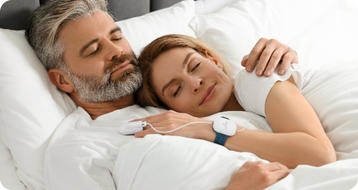
Sleep Doctor simplifies this process by offering an at-home sleep study, which consists of a small device with finger, wrist, and chest sensors that monitor your breathing while you sleep. A licensed sleep physician will review your results, help you determine if an APAP or CPAP is the best option, and provide a prescription for the right treatment option.
You’ll also have access to a Sleep Care Advocate who can help guide you through the process and answer any questions you have about your treatment.
Cost and Insurance Coverage
Though there was once a significant difference in cost, today, as APAP has become more common, most CPAP and APAP machines tend to cost between $500 and $1,500. There are also ongoing costs for replacement supplies, such as masks, cushions, filters, and tubing. How often these supplies need to be replaced and how much you pay out of pocket can vary based on the equipment and your insurance coverage.
Most insurance, including Medicare, will cover at least part of the cost for a CPAP or APAP. Be sure to check with your insurance company for details.
If you decide to purchase your machine out of pocket, Sleep Doctor can provide documentation to help with insurance reimbursement. It’s also possible to use your FSA or HSA funds to purchase an APAP or CPAP through Sleep Doctor.
Where to Buy an APAP or CPAP Machine
You can purchase your APAP or CPAP machine from a durable medical equipment (DME) supplier, sleep clinic, or accredited online retailers.
Sleep Doctor sells both APAP and CPAP machines, and our team can help you compare models, choose the correct accessories, and understand your pressure settings.
Frequently Asked Questions
Does APAP work as well as CPAP?
Research has generally found CPAP and APAP to be equally effective for most people with obstructive sleep apnea. However, there’s less evidence proving the effectiveness of APAP, which is a newer and more variable technology, than there is for CPAP, which has been in use for over 40 years.
Which is more comfortable, CPAP or APAP?
Comfort depends on personal preference, but many people find APAP to be more comfortable than CPAP. That’s because APAP tends to provide the lowest pressure necessary to keep your airway open, depending on your breathing patterns. CPAP machines have a single set pressure, which can feel overwhelming to some people.
Are there fewer side effects with APAP?
Treatment with APAP may result in many of the same side effects as CPAP. These include nasal stuffiness, dry mouth, or a sore throat upon awakening. However, some people find that APAP is less likely to cause discomfort from the flow of pressurized air into the mask.
Is APAP more expensive than CPAP?
While APAP machines were once significantly more expensive than CPAP machines, there’s now much less difference in price between the two. The amount you’ll pay depends more on the specific brand, model, features, and insurance coverage. In general, the cost of a CPAP and APAP machine, not including accessories like masks and hoses, ranges from $500 to $1,500.
APAP may also help reduce the overall cost of starting therapy because it typically doesn’t require a separate titration study to determine a fixed pressure setting. However, out-of-pocket costs can vary, so check with your insurance provider to understand your coverage for the machine and related supplies.
Will my insurance cover APAP?
APAP is often covered by insurance if you’ve been diagnosed with obstructive sleep apnea. However, you should always check with your insurance provider directly for specific information about coverage and out-of-pocket costs.In addition, your insurance carrier may make you demonstrate that you need APAP treatment and may require information from your doctor showing that you will benefit from an APAP device. Your insurance provider may also ask to review data from the APAP device that proves you are using it as directed.