How to Clean Your CPAP Machine
CPAP machine cleaning and maintenance are essential to keep your equipment sanitary and functioning properly. Each CPAP device comes with its own specific cleaning instructions and requirements from the manufacturer. Each CPAP model is unique in terms of parts and structure, but there are universal cleaning guidelines that apply to all CPAP devices.
What You’ll Need
- Bathtub or deep sink
- Mix of gentle bath soap and water
-
Clean, soft towel
- Tube cleaning brush
Instructions for Cleaning CPAP Equipment
CPAP machine components include a face mask for directing air into the nose or nose and mouth, a motorized machine that pumps air, and a connective tube that guides airflow between the machine and mask. Masks require headgear and straps to keep them snug and in place, and you can also add nose and cheek pads for extra cushioning.
To prevent the air from becoming too dry, most CPAP machines also come with integrated or detachable humidifiers. In general, soaking everything except the machine in a mix of gentle soap and water should suffice, but it’s important to disassemble your mask and wash each part individually. Start by unplugging the machine, then disassemble the parts piece by piece. Additional steps for sanitizing each component are listed below:
- CPAP mask and frame: Separate the mask and frame, then submerge each in a tub or deep sink filled with a mix of soap and water. Use a soft sponge to gently wash the mask and frame. Rise everything thoroughly with cool water, then place these components on the clean towel to air-dry. You can use the same method for the cushioned pads.
- CPAP tubing: Using soap and water, push the brush through the tube to clean the inside. Rinse again with cool water. Instead of laying the tubing on a towel, hang it over a shower rod to help it dry faster.
- CPAP machine: You can gently wipe down the machine’s surface with a damp sponge. Since the plug connects to a socket, it should never get wet.
- CPAP machine humidifier: If you use a humidifier, check the device's instructions for cleaning the water chamber. Using a mix of distilled water and white vinegar (instead of soap) can help remove build-up and bacteria. Once gently wiped, consider a rinse with distilled water, and allow the humidifier to air dry or use a soft cloth to wipe it down.
Replacing CPAP Parts
The average CPAP machine lifespan is three to five years, but if you notice cracks in any CPAP equipment or loss of airflow, you should replace these components as soon as possible. The recommended guidelines for each CPAP part are as follows – though you should check your user’s manual to ensure you’re following the correct replacement schedule.
| Item | Replace Every… |
| Nasal cushions or pillows | 2 weeks |
| Full-face mask cushion | 1 month |
| CPAP machine filters | 1 month (disposable), 6 months (reusable) |
| Mask frame | 3 months |
| Hoses and tubing | 3 months |
| Headgear | 6 months |
| Chin strap | 6 months |
| Humidifier water chamber | 6 months |
| CPAP machine | 5 years |
| Heated humidifier | 5 years |
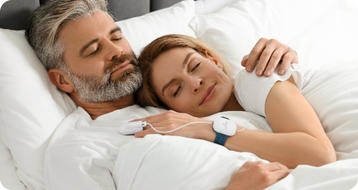
Don’t Just Test Your Sleep. Understand It.
Measure key sleep metrics and review your results with a licensed sleep-care provider. Discuss sleep issues and options to make restless nights a thing of the past.


Avoid CPAP Cleaning Machines
Some devices advertised as CPAP cleaners use UV light and ozone to eliminate germs, bacteria and other buildup. These devices have not received FDA approval.
In fact, the FDA goes one step further by advising they may cause other health issues such as asthma attacks, headaches, and shortness of breath. The FDA also advises that excessively high ozone levels can damage CPAP machines even hours after the CPAP cleaner has been used, and this can cause ozone to leak from the machine into the air in your home.
Instead of using CPAP cleaners, the FDA says water and soap or vinegar is the safest way to keep your CPAP equipment hygienic.
Purchasing a non-FDA approved sanitizer may also leave you in a financial bind. Some CPAP machine manufacturers stipulate that using UV light or ozone cleaners will void the device's warranty.
Frequently Asked Questions
What happens if you don’t clean your CPAP machine regularly?
CPAPs machines that are not regularly cleaned may lead to bacteria and mold buildup in machine parts that could theoretically spread to the nose or mouth, further affecting the sinuses or lungs.
How do I disinfect my CPAP machine?
Once taken apart and washed separately, each CPAP part should be gently wiped down with a soft, damp clean cloth or towel, then laid out to air dry. This ensures minimal potential scratches, holes, or cracks to the parts, it can extend the life of your CPAP machine.
How often should you clean your CPAP machine?
Here's what most experts recommend:
- CPAP mask and frame: Daily
- CPAP tubing: Once a week
- CPAP humidifier: Once a week with water replaced daily
- CPAP machine: Wipe down exterior as needed
Please note that specific cleaning instructions vary by brand and model.
What are the signs of dirty CPAP equipment?
One of the first signs of dirty CPAP equipment is an unpleasant odor. If you notice the smell of mold or mildew, this may indicate an unclean machine. If you develop sinus or respiratory infections, this could also be a sign that you aren’t cleaning your CPAP machine properly.
Do I need to change the water in my CPAP daily?
A CPAP humidifier can help mitigate dryness in the nose, mouth, and throat. Rather than filling your humidifier with tap water, you should use distilled water to ensure there aren’t contaminants that could make you sick. Empty the humidifier chamber, rinse it, and refill the water daily.