While CPAP therapy is considered the gold standard for treating sleep apnea, it can sometimes cause temporary side effects. Many of these issues occur during the initial adjustment period and can often be resolved with simple changes to your mask, settings, or sleep routine.
Below, we’ll cover the most common CPAP side effects, what causes them, and how to reduce discomfort so you can stay consistent with therapy.
Common CPAP Side Effects
CPAP side effects can vary from person to person and may depend on factors like mask fit, pressure settings, and individual sensitivity to airflow. Many of these issues are most noticeable early on or after a change in equipment or settings.
Understanding the most common side effects—and why they happen—can help you recognize what’s normal, what’s fixable, and when to seek guidance from a sleep specialist.
Discomfort
Wearing a CPAP mask can sometimes cause discomfort when trying to sleep. The mask can feel bulky and constrictive, and the hose can get in the way of trying to sleep in positions other than your back. Exhaling can also be uncomfortable if the pressure of the sleep apnea equipment is too high.
Claustrophobia
Many people feel claustrophobic while wearing a CPAP mask because the mask fits snug around your nose. The feeling of claustrophobia can be even worse for those who wear a full-face mask that sets around your mouth and nose.
Mask Leak
If your CPAP mask doesn't fit properly or isn’t properly cleaned, it can cause leakage. When there is a CPAP mask leak, there's a high probability that your CPAP machine isn’t able to reach its set pressure.
Dry Mouth or Nose
Dry mouth is a common CPAP side effect, especially for people who use a full-face mask or those who wear a nasal mask but breathe through their mouth during sleep. When air escapes through the mouth, it can dry out the oral tissues and cause discomfort upon waking.
CPAP therapy can also lead to a dry nose. The continuous flow of pressurized air can irritate the nasal passages, sometimes causing dryness, stuffiness, or even occasional nosebleeds.
Nasal Congestion or Runny Nose
Nasal congestion or a runny nose is a common CPAP side effect, especially when starting therapy. The steady flow of pressurized air can irritate the nasal passages, leading to dryness, inflammation, or increased mucus production. These symptoms may be more noticeable in people with allergies, sinus issues, or sensitivity to dry air.
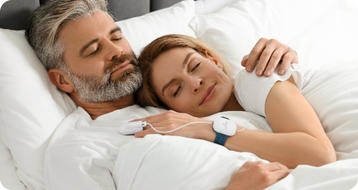
Don’t Just Test Your Sleep. Understand It.
Measure key sleep metrics and review your results with a licensed sleep-care provider. Discuss sleep issues and options to make restless nights a thing of the past.


Skin Irritation
Because CPAP masks fit snug against your face and are worn repeatedly, your skin can become irritated. This CPAP side effect can result in skin irritations such as rash or pressure sores.
Headaches
CPAP can cause headaches in some cases, particularly if the mask fits too tightly, the pressure is too high, or sinus pressure builds up due to dry air. Headaches may also occur if therapy isn’t adequately treating sleep apnea, leading to ongoing oxygen drops overnight.
Aerophagia, Gas, and Bloating
CPAP can cause gas, a side effect known as aerophagia, which happens when air is swallowed and enters the stomach instead of the airway. This can lead to bloating, belching, or abdominal discomfort. Aerophagia is more common when CPAP pressure is set too high or if you sleep on your back.
Infections
If a CPAP machine or CPAP mask isn’t properly cleaned on a routine basis, infections, such as lung or sinus infections, can occur.
Lung Discomfort
Some patients who use a CPAP machine complain of a burning sensation in the lungs. This is often a result of dry or cold air being inhaled from the CPAP mask. This CPAP side effect can possibly be reduced by using warm humidification.
Dizziness
Some complain of dizziness after wearing a CPAP mask. While the mechanism for this symptom isn't clearly defined, it may be related to pressure changes, sinus or ear discomfort, dehydration, or difficulty adjusting to airflow. Dizziness can also result from poor sleep if CPAP settings aren’t optimal.
Shortness of Breath
While another common CPAP side effect is the complaint of shortness of breath, this feeling is usually sensorial. It's merely the sensation of not getting enough air because a functional CPAP machine never reduces the amount of air that can be inhaled.
How to Prevent CPAP Side Effects
If you’re experiencing any of the CPAP side effects mentioned above, don’t give up on the treatment just yet. Not using your CPAP mask and machine as prescribed can cause larger, more severe health problems such as fatigue, high blood pressure, heart arrhythmias, heart failure, heart attack, or stroke.
Fortunately, there are solutions to these common problems. Try these different strategies to reduce or completely halt your CPAP side effects.
Clean Your CPAP Regularly
Make sure that your CPAP mask and machine are clean. It's important to make cleaning your mask, tubing, and water chamber a regular habit to avoid any bacteria or fungi buildup.
The CPAP mask and humidifier chamber should be cleaned daily with mild soap and water. Then, once a week, you should also soak all of the parts in vinegar and water, using one part vinegar to three parts water.
Avoid using CPAP cleaning machines that rely on ozone or UV light, as these devices are not recommended by the FDA and may damage your equipment or expose you to harmful residues.
Avoid Using Oily Products
Oily products like makeup or moisturizer can be a major cause of CPAP side effects. Remove any of these products from your face before applying your mask. Otherwise, the oil can build up on the mask if not cleaned daily.
Make Sure You Have The Proper Mask
CPAP masks are available as nasal masks, full-face masks, and nasal pillows because one type of mask isn’t suitable for everyone. Before choosing a mask, there are a few factors you should consider. Mouth breathing, claustrophobia, sleep position, and machine pressure are important areas to evaluate. These should be discussed with your doctor before choosing which type of mask you should be wearing.
Check Your Humidifier
If you’re having CPAP side effects relating to respiratory irritation, dry mouth, dry nose, or nosebleeds, check your humidifier to make sure it’s working properly. Also, as previously mentioned, make sure you’re cleaning it regularly.
Try Switching to Heated Tubing
Heated tubing warms the air traveling through the CPAP and can improve its temperature. The tube, filter, and mask are part of the CPAP supplies.
Consider Sinus Medication
If your sinuses are blocked, talk to your sleep doctor to see if you need a sinus medication to let your CPAP work more effectively and reduce your CPAP side effects.
Try Using Mask Barriers
Creating a barrier between the CPAP mask and your skin can help with skin irritations such as sores and rashes. You can purchase CPAP mask liners that are sometimes made with gel or cloth. A hypoallergenic tape can also work to create a barrier.
Make Sure Your Strap Is Secured
If your mask is strapped on too tight it can cause skin irritations. If it's too loose, it can cause a leak. Take the time to ensure your CPAP mask strap is secured properly to avoid any unnecessary CPAP side effects.
Adjusting CPAP Pressure to Avoid CPAP Side Effects
If common fixes like improving mask fit or increasing humidification don’t relieve your CPAP side effects, it may be time to talk to your doctor about your pressure settings.
You should never adjust your CPAP pressure on your own, but understanding how pressure affects side effects can help you have a more productive conversation with your sleep specialist.
Make Sure You’re Using the Correct Pressure
Make sure the pressure on your CPAP machine is the pressure that was prescribed to you. If it is and you’re still having trouble with discomfort while exhaling, swallowing air, or feel the pressure may be too high, you may want to talk to your doctor to see if your pressure setting needs to change.
You May Need a New Pressure
If you’ve gone through recent lifestyle changes such as quitting smoking or drinking, weight gain or loss, or changes to your underlying medical condition (such as diabetes), some of the original symptoms of obstructive sleep apnea (OSA) may reappear, due to residual sleep disordered breathing.
These changes to your lifestyle or medical condition may require a new pressure setting for your CPAP or BiPAP.
Try Using the Ramp on Your Machine
When you use the ramp on your sleep apnea equipment, your CPAP machine starts out at a lower pressure and gradually increases until it reaches your set pressure. Using this gradual technique can increase your comfort level, as well as help you get used to wearing your mask each time you put it on.
Always make sure to talk to your doctor before making any changes to your CPAP routine. Since the side effects of sleep apnea outweigh the CPAP side effects of using a CPAP mask and machine, it’s important to find a solution so you can wear your CPAP comfortably and consistently.