On This Page
What Is Hypopnea?


Our editorial process includes extensive measures to verify accuracy, provide clarity on complex topics, and present factual information. Read more
Key Takeaways
- Definition: Hypopnea is when breathing is slow or shallow during sleep, but it doesn't pause or stop, which is called apnea.
- Symptoms: Excessive hypopneas, along with apneas, likely indicate sleep apnea, and symptoms include daytime tiredness, snoring, gasping or choking during sleep, and morning headaches.
- Causes: Hypopneas and apneas may stem from obesity, an abnormal jaw or face shape, nasal congestion, other health disorders, or unknown causes.
- Diagnosis: Hypopneas and apneas can be measured through an overnight sleep study in a lab, called polysomnography, or a home sleep apnea test (HSAT).
- Treatment: If a person is diagnosed with sleep apnea, the most common treatment is continuous positive airway pressure (CPAP) or other PAP therapy.
Hypopnea Definition
A hypopnea is a period of slowed breathing during sleep that’s identified by a decrease in airflow. People with obstructive sleep apnea (OSA) or central sleep apnea (CSA) commonly experience a greater number of hypopneas at night than what’s considered normal.
According to the American Academy of Sleep Medicine (AASM), to fit the official hypopnea definition, a shallow breathing incident during sleep must meet three criteria:
- Airflow drops by 30% or more
- The reduced airflow happens for 10 seconds or more
- Blood oxygen levels drop by more than 3% or 4%, or an EEG shows a change in brain activity called an arousal
The criteria to define a hypopnea event has changed over time, and there may still be variation among sleep centers in how they define a hypopnea.
Types of Hypopneas
A person can have more than one type of hypopnea. There are three types:
- Obstructive hypopneas: Obstructive hypopneas occur when the upper airway narrows or collapses during sleep.
- Central hypopneas: Central hypopneas arise when the brain temporarily stops signaling the muscles that control breathing.
- Mixed hypopneas: This type of hypopnea shares characteristics of both obstructive and central hypopneas.
Hypopnea vs. Apnea
Like a hypopnea, an apnea is a period of slowed breathing during sleep. However, apneas are more severe and involve airflow either stopping completely or nearly stopping. The difference between hypopnea vs. apnea comes down to how much airflow decreases. During a hypopnea event, airflow decreases by at least 30%, but during an apnea event, airflow decreases by at least 90%.
People are diagnosed with the sleep disorder sleep apnea when they experience an excessive number of apneas and hypopneas during sleep. In obstructive sleep apnea, the apneas and hypopneas are caused by a physically narrowed or blocked airway. In central sleep apnea, apneas and hypopneas are due to disrupted signals sent by the brain to the muscles that control breathing.
Both apneas and hypopneas typically last longer and worsen during rapid eye movement (REM) sleep, a stage of sleep known for dreaming. Both types of disordered breathing events can keep a person from getting adequate oxygen. According to experts, an excessive number of hypopnea and apnea events share similar symptoms and health effects.
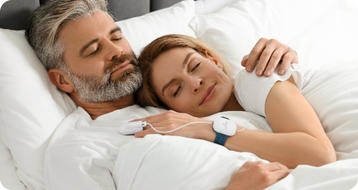
Don’t Just Test Your Sleep. Understand It.
Measure key sleep metrics and review your results with a licensed sleep-care provider. Discuss sleep issues and options to make restless nights a thing of the past.


Symptoms of Hypopneas
Hypopneas are hard to recognize and diagnose because they occur during sleep, when a person lacks awareness. They’re also more subtle than apneas. Often, symptoms like snoring, gasping, and choking during sleep are only noticed by a bed partner, not the sleeper experiencing the symptoms.
Symptoms of sleep disorders that involve excessive hypopneas include:
- Loud snoring
- Excessive daytime sleepiness
- Waking up at night
- Gasping, choking, or coughing during sleep
- Headaches in the morning
Hypopneas Causes
Hypopneas share the same causes as sleep apnea. Obstructive sleep apnea is generally caused by narrowed airways, while central sleep apnea is caused by a malfunction in brain signaling.
- Obstructive sleep apnea: Physical features, like a large tongue or abnormal jaw, as well as additional body fat, can narrow the upper airway. This narrowed airway makes blockages and breathing difficulties during sleep more likely.
- Central sleep apnea: An increase in slowed or lapsed breathing incidents occurs when the brain cannot send the right signals to the muscles that control breathing during sleep.
Hypopnea Risk Factors
The risk factors for experiencing an excessive number of hypopneas are the same as the risk factors for developing sleep apnea. These are risk factors for obstructive sleep apnea:
- Obesity: About 60% of people who have moderate or severe OSA are thought to have developed it as the result of excess body weight, which puts pressure on the airway and causes it to narrow more easily.
- Neck size: In people with a higher body mass index (BMI), neck size increases the risk of developing OSA.
- Menopause: Menopause, the end of menstruation, causes an increased risk of developing OSA. Menopausal hormone therapy may help.
- Smoking: More research is needed, but smoking cigarettes may make a person more likely to have OSA.
- Facial anatomy: Abnormalities in the face, head, neck, jaw, or throat could create a narrowed upper airway that causes OSA symptoms during sleep.
- Age: As people age, natural changes in airway muscle tone and anatomy can increase the likelihood of obstructive sleep apnea.
- Medical disorders: Certain disorders, like thyroid problems, Down syndrome, and some neurological issues are associated with developing OSA.
- Sedatives: Taking sedative medications or consuming alcohol can make symptoms of OSA more severe.
- Nasal congestion: A person may experience increased OSA symptoms while having congestion, such as from allergies, because it can constrict the airway.
Risk factors for developing central sleep apnea include having congestive heart failure or having had a stroke. In people who have experienced heart failure, those who are male or more than 60 years old are even more likely to develop CSA and have increased hypopneas.
How Hypopneas Are Diagnosed
Since hypopneas are symptoms, rather than a disorder, they’re measured during diagnostic testing for sleep apnea. People who have a greater number of hypopneas and apneas than normal are diagnosed with obstructive or central sleep apnea.
The standard for diagnosing sleep apnea is a simple home sleep apnea test or an overnight sleep study in a lab, also called polysomnography. Both tests record multiple physical markers as a person sleeps, including airflow, blood oxygen level, and breaths per minute, which is also called respiratory rate. Only an overnight sleep study records brain activity.
Sleep specialists use the apnea-hypopnea index (AHI) to identify and measure the severity of apnea and hypopnea episodes during sleep. To calculate an AHI, the number of apneas and hypopneas experienced throughout an entire night of sleep are added up. That number is then divided by the total hours of sleep to calculate how many episodes a person experienced each hour, on average.
A person is diagnosed with obstructive sleep apnea when they experience an AHI of 15 or more, and the apneas and hypopneas were caused by breathing obstructions. A person is diagnosed with central sleep apnea when the AHI is 5 or more, and the apneas and hypopneas were caused by disruptions in brain signaling.
Sometimes, sleep specialists also report the average number of hypopneas experienced per hour directly, as well as the average number of apneas experienced. These measures are called the hypopnea index (HI) and the apnea index (AI).
Hypopnea Treatment
Successful sleep apnea treatments reduce the occurrence of both hypopneas and apneas. The type of treatment a doctor recommends depends on whether a person has obstructive sleep apnea (OSA) or central sleep apnea (CSA).
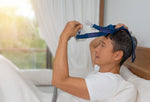
- Positive airway pressure therapy: Continuous positive airway pressure (CPAP) delivers pressurized air through a mask into the nose or mouth to keep the airway open.
- Weight loss: Experts recommend weight loss to anyone who has OSA and a BMI over 30.
- Oral appliance: In some cases of OSA, a customized mouthpiece may be able to keep the airway open during sleep.
- Surgery: When CPAP therapy and oral appliances don’t work for someone with OSA, a doctor might recommend sleep apnea surgery. Different surgeries are available, depending on what part of the upper airway is blocked.
- Medication: Medications are available that help stimulate breathing in people with CSA. However, since the long-term effects haven’t been extensively studied, these are typically used only when other treatments aren’t successful.
- Nerve stimulation: Sometimes, a device that can prompt breathing is implanted into a person with CSA. This device works by stimulating the phrenic nerve, which causes a muscle called the diaphragm to contract.
What Happens if Sleep Apnea Isn’t Treated
An increased number of hypopneas suggests the presence of sleep apnea, which requires medical treatment. When a person with sleep apnea goes untreated, there are many increased risks, including high blood pressure, erectile dysfunction, depression, and more.
Additionally, because sleep apnea causes daytime sleepiness, people who have the disorder are more likely to feel tired and experience car crashes and work accidents.
Adjusting to treatment for sleep apnea may feel challenging at first. But, it's important to work closely with your doctor and follow your treatment plan to reduce hypopneas and other symptoms.
Tips for Reducing Hypopneas
Treating sleep apnea reduces the number of hypopneas and apneas experienced during sleep. If you experience an excessive number of hypopneas during sleep, it's important that you undergo testing for sleep apnea. Sleep apnea is a disorder that generally requires medical treatment and cannot be handled on your own at home.
That said, certain lifestyle changes may help reduce the number of hypopneas and apneas a person with obstructive sleep apnea experiences. These changes should be made alongside formal sleep apnea treatment, such as CPAP therapy, and not used as a substitute for treatment.
- Limit alcohol: Drinking alcohol can worsen sleep apnea symptoms. Stopping or reducing alcohol consumption could help prevent hypopneas.
- Exercise regularly: Maintain a healthy weight and do regular physical activity to improve sleep and manage weight.
- Change sleeping positions: Adjusting sleep position could help treat hypopnea. Sleeping on your side and keeping your head elevated with a pillow while sleeping could help relieve hypopnea.
- Eliminate sedatives: With a doctor’s guidance, avoid taking drugs and sedatives that affect airway function.
- Quit smoking: Stop smoking to improve health and potentially reduce hypopneas.
When to See Your Doctor
See your doctor if you have any symptoms of sleep apnea. For example, it's important to see a doctor if you’re tired during the day, your bed partner says you snore, gasp, or choke at night, or you wake up with morning headaches. A doctor's visit is needed to undergo a sleep study or home sleep apnea test.
If you'd prefer to meet with a doctor virtually to find out if a home sleep apnea test is recommended for you, Sleep Doctor offers that option. Once you've had your virtual appointment, we mail your home sleep apnea test to you, so you can find out if you're experiencing obstructive sleep apnea quickly and easily. The test transmits data digitally and can be disposed of, so you also don't have to worry about returning anything.
If your home sleep apnea test determines that you do have sleep apnea, we can also assist you with a prescription for a CPAP machine that fits your needs.
References

The Sleep Doctor Forum
Real Experiences, Real Connections
Continue the discussion on the Sleep Doctor Forum. Connect with experts and fellow forum members on CPAP, sleep apnea, and all things sleep. A priceless resource that’s free to join.