Obstructive sleep apnea (OSA) is often treated with CPAP therapy, but research and patient experience has found that sleep apnea mouthpieces may offer a simpler alternative for mild to moderate cases. These oral devices are portable and require no electricity or complex equipment.
Below, we’ll explain how sleep apnea mouthpieces work, what types are available, how effective they are, their advantages and disadvantages, and how to get one.
How Do Sleep Apnea Mouthpieces Work?
Most sleep apnea mouth guards work by moving the jaw forward, thus increasing the size of the upper airway and reducing the air resistance that leads to sleep apnea. There are two main types of oral devices:
Mandibular Advancement Devices (MADs)
Mandibular advancement devices (MADs) are the most common type of sleep apnea mouthpieces. They fit over your teeth and reposition your lower jaw into a forward position, which in turn expands the upper airway and prevents obstruction.
Some MADs consist of one piece, while others have two connected pieces that fit over both the upper and lower dental arches. One-piece models are simpler and less bulky, but some sleepers report that they make their jaws feel constrained. The two-piece models are typically considered more comfortable, as they allow more jaw movement and include screws that allow for adjustment.
MADs can be custom-made by a dentist or purchased over-the-counter. Research and reports of patient experience show that custom devices are generally more effective and comfortable for treating sleep apnea.
Tongue Retaining Devices (TRDs)
Tongue retaining devices (TRDs) help keep the tongue in a forward position and prevent it from falling back and blocking your airway during sleep. These devices fit between your lips and teeth and have an outward-facing chamber that applies light suction on the tip of your tongue to hold it in place.
Like MADs, these devices are small, simple, and portable, and studies have found them about equally effective for treating sleep apnea. They can be especially useful for patients with dental issues that prevent them from using MADs. However, those with nasal obstruction may find them less ideal, as they can inhibit mouth breathing.
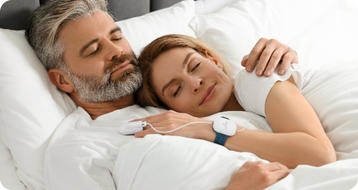
Don’t Just Test Your Sleep. Understand It.
Measure key sleep metrics and review your results with a licensed sleep-care provider. Discuss sleep issues and options to make restless nights a thing of the past.


How Effective Are Sleep Apnea Mouthpieces?
Although CPAP is the gold-standard sleep apnea treatment, dental appliances are becoming more common treatments for mild to moderate sleep apnea and snoring. Compared to CPAP, they can be more cost-effective and less complicated.
Sleep apnea mouth guards aren’t suitable for all patients, though. For many people, repositioning the tongue or jaw isn't enough to counteract the airway collapse that occurs during sleep with sleep apnea. They’re also not well-suited to people with TMJ, dental issues, jaw pain, or facial abnormalities.
They’re generally more effective in mild to moderate sleep apnea cases, although occasionally they may be recommended to patients with severe sleep apnea who cannot tolerate CPAP.
It’s important to work with your doctor to determine whether this treatment would be right for you. Even after you’ve received your sleep apnea mouth guard, your doctor may request a sleep study to determine if it’s effective. Follow-up care is imperative to ensure that you’re getting the right treatment.
Benefits of Mouthpieces for Sleep Apnea
When used consistently and under the guidance of your doctor, you may experience many benefits from your sleep apnea mouth guard. Because sleep apnea mouth guards are easy to use, there’s a higher rate of adherence compared to other treatments for sleep apnea.
Other benefits of oral devices for sleep apnea include:
- Reduced OSA symptoms: If used correctly, mouthpieces may reduce symptoms associated with sleep apnea like snoring, headaches, and daytime fatigue.
- Convenience: Sleep apnea mouthpieces are compact, portable, and require no additional equipment.
- Discreteness: Unlike bulky CPAP machines which require a mask that partially covers your face and often make noise while running, sleep apnea mouthpieces simply fit in your mouth and remain barely visible.
- Energy conservation: Sleep apnea mouthpieces don’t require electricity, while CPAP machines must be either charged or plugged in all night.
- Cost-effective: Sleep apnea mouthpieces are usually less expensive than CPAP machines and accessories.
- Low maintenance: No need to disassemble machines or order replacement parts. A daily cleaning is all you need to worry about.
- No claustrophobia: Since they don’t cover your face, sleep apnea mouthpieces won’t give you the claustrophobic feeling some patients experience when using CPAP masks.
Disadvantages of Mouthpieces for Sleep Apnea
Sleep apnea mouthpieces offer many benefits, but research shows that they may be less effective overall for treating OSA than CPAP therapy with consistent use. While mouthpieces don’t have the same side effects as CPAP, some users still report drawbacks, including:
- Teeth shifting: This may occur after prolonged use and could require orthodontic care to normalize teeth positioning.
- Limited life expectancy: Depending on your mouthpiece’s materials, it may wear out and need replacing after 1 to 2 years.
- Drooling or dry mouth: Changes in saliva production are common initially as your mouth adjusts to the device.
- Tooth pain: Some pain or discomfort may occur from pressure on the teeth.
- Headaches: These can result from jaw tension or the change in the jaw position.
- Temporomandibular joint (TMJ) dysfunction or pain: The forward jaw position may cause discomfort, especially during the first few weeks.
- Problems bringing teeth together in normal position: Some patients have reported this unusual sensation just after removing the device.
Note that most side effects usually subside after a few months, once you get used to the mouthpiece. Working with a dentist to ensure the proper fit can also help mitigate side effects. If the problems persist, see your dentist or sleep specialist about making adjustments. It may take some trial and error to get your perfect fit.
How to Get a Mouthpiece for Sleep Apnea
The first step to getting any sleep apnea treatment is talking to a doctor. You may be a candidate for certain sleep therapies, while others may be excluded because of your medical history or anatomy. You may be asked to undergo a sleep study or test for sleep apnea at home.
Sleep Doctor streamlines the process by offering online consultation with a board-certified physician and an at-home sleep study. Based on the results, you’ll receive a diagnosis, treatment plan, any necessary prescriptions, and follow-up consultations. From there, you can choose from a variety of mouthpieces and other equipment.
If your doctor decides a dental device is the best treatment for you, you’ll be referred to a dentist who specializes in the treatment of sleep apnea. The dentist usually takes a dental impression to create a model. Your sleep apnea mouth guard will be designed using this model so that it fits your teeth and mouth perfectly. Some models available through Sleep Doctor include an at-home dental impression kit with virtual guidance by a dentist, allowing you to get custom fittings without leaving your house.
Although there are businesses that sell sleep apnea mouth guards on the internet with no physician guidance, it’s important to have someone with the right expertise and credentials (ex. sleep physician and/or dentist) approve the device to ensure that it's as effective and comfortable as possible. Oral appliances are intended to reduce sleep disruptions and improve sleep quality, so make sure your mouth guard fits comfortably and is right for you.
Frequently Asked Questions
Do I need a prescription for a sleep apnea mouth guard?
While there are a variety of sleep apnea mouth guards to choose from online that can be purchased without prescription, people with sleep apnea should work closely with a doctor or dentist when considering a sleep apnea mouth guard. Sleep Doctor provides virtual consultations so you can receive customized care from the comfort of your home.
How much do sleep apnea mouth guards cost?
The cost of a sleep apnea mouthpiece can depend on several factors. The average cost is estimated between $1,800 to $2,000. This includes the actual sleep apnea mouth guard, dentist visits, adjustments, follow-ups, and modifications to the dental device.
Most health insurance companies and Medicare cover oral devices for sleep apnea, as long as you have a diagnosis and prescription from your doctor. For purchases and consultations through Sleep Doctor, you’ll receive an invoice with proper billing codes that you can submit to your insurance company for reimbursement. You might also be able to use HSA or FSA funds.
How often should I clean my mouth guard?
Users should clean their sleep apnea mouth guard often — ideally making it a part of their daily, personal hygiene routine. Use a simple cleaning solution and brush, then rinse and air-dry.