Being diagnosed with severe sleep apnea may sound alarming, and while the condition is serious, there are treatments available that can help manage symptoms and protect your health. Sleep apnea involves frequent interruptions in breathing during sleep, which can lead to low oxygen levels, poor sleep quality, and increased strain on the body.
Left untreated, it’s associated with a higher risk of conditions like high blood pressure, heart disease, and stroke. However, many people with severe sleep apnea experience substantial improvements in symptoms, quality of life, and long-term health outcomes when treatment is used consistently.
In this article, we’ll explain what qualifies as severe sleep apnea, the symptoms to watch for, and the treatment options that can help you breathe — and sleep — more easily.
What Is Severe Sleep Apnea?
Severe sleep apnea is a disorder defined by an average of 30 or more periods of stopped or slowed breathing during sleep, accompanied by symptoms that impede a person's activities during the day.
The severity of sleep apnea a person has depends on their apnea-hypopnea index (AHI), which is determined through a sleep study. Apneas describe the moments when breathing stops completely during sleep, while hypopneas describe times when breathing is significantly slowed.
The AHI represents the average number of apneas and hypopneas a person experiences each hour they’re asleep. An AHI greater than 30 means a person experiences, on average, 30 breathing disruptions per hour of sleep.
Sleep apnea severity falls on a spectrum, and people with more severe sleep apnea often face more severe symptoms.
- Mild sleep apnea: AHI between 5 and 15
- Moderate sleep apnea: AHI between 15 and 30
- Severe sleep apnea: AHI above 30
In many severe cases, the AHI may exceed 60 or even 100 events per hour.
Don’t Just Test Your Sleep. Understand It.
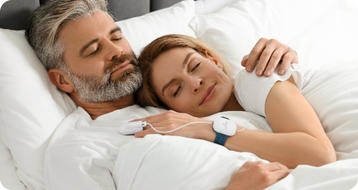
Measure key sleep metrics and review your results with a licensed sleep-care provider. Discuss sleep issues and options to make restless nights a thing of the past.


Severe Sleep Apnea Symptoms
While snoring can be a symptom of sleep apnea of all severity levels, people with severe sleep apnea are more likely to snore loudly and frequently than those with mild or moderate sleep apnea. Morning headaches may also be a symptom that's more common among those with severe sleep apnea.
Symptoms that can occur with any form of sleep apnea include:
- Daytime tiredness
- Choking, snorting, or gasping during sleep
- Visible lapses in breathing during a sleep noticed by a bed partner or roommate
- Cognitive issues such as difficulty concentrating or memory problems
- Frequent nighttime urination known as nocturia
Causes of Severe Sleep Apnea
Obesity is one potential cause of obstructive sleep apnea in general, and research has found that severe sleep apnea in particular is much more common among people with obesity than those who don’t have obesity. Abnormalities in the way a person's head, face, or jaw is shaped can also contribute to the disorder.
Although cause-and-effect hasn't been firmly established, smoking, having a family history of sleep apnea, experiencing chronic nasal congestion, or having one of many other health disorders has been found to increase a person's risk of developing sleep apnea.
Other factors that may contribute to severe obstructive sleep apnea include enlarged tonsils, a large tongue, menopause, alcohol use before bedtime, and certain medications that can relax muscles of the upper airway.
Diagnosing Severe Sleep Apnea
Severe sleep apnea is generally diagnosed by a sleep specialist or another healthcare provider with sleep medicine experience. Some providers begin an evaluation for sleep apnea by asking questions from a sleep apnea screening questionnaire, but most start by asking about a person's symptoms and medical history.
If symptoms suggest sleep apnea, an overnight sleep study or home sleep test is ordered to determine if a person has sleep apnea. If they do have the disorder, their AHI score determines if it is mild, moderate, or severe.
Severe Sleep Apnea Treatment
Positive airway pressure (PAP) therapy, including CPAP therapy, is the first sleep apnea treatment tried for severe sleep apnea. Multiple research studies show that PAP therapy reduces the number of apneas and hypopneas a person experiences during sleep, improves symptoms like sleepiness, and reduces related health risks.
People with mild sleep apnea may undergo PAP therapy, or be offered oral appliances or oral electrical stimulation, instead. These treatments are usually only tried for severe sleep apnea if initial PAP therapy fails.
Weight loss is often recommended as part of a broader treatment plan when a person has both severe obstructive sleep apnea and obesity. Weight loss has been found to reduce sleep apnea severity and symptoms like daytime tiredness. Weight loss tools, like weight-loss surgery and weight-loss medications, have also been found to help manage severe sleep apnea. However, weight loss on its own is generally not effective enough to cure severe sleep apnea.
Additional treatment options may include upper airway surgery, positional therapy and hypoglossal nerve stimulation therapy such as Inspire for patients who meet eligibility.
Frequently Asked Questions
Is severe sleep apnea a disability?
Under the Americans with Disabilities Act (ADA), severe sleep apnea can qualify a person for disability benefits if its symptoms substantially limit their ability to work. The ADA doesn't list specific disorders that are automatically considered disabilities, but instead provides an overall definition of disability. That means some people with severe sleep apnea have a disability, while others don't, depending on how their symptoms impact their lives.
What does severe sleep apnea feel like?
Having severe sleep apnea may make you feel extremely tired or fatigued throughout your day, making it difficult to focus or muster up energy. You may fall asleep easily during the daytime, even when you don't want to. For example, you may find yourself dozing off while reading, watching television, driving, attending a class, or sitting in church. These moments of sleepiness can lead to feelings of embarrassment or even an injury or accident.
You may also wake up multiple times during the night, either to go to the bathroom or for no clear reason. You may wake up in the morning feeling unrefreshed or with a headache. Your poor sleep may lead to irritability, a bad mood, or issues with memory or attention.
Can severe sleep apnea be reversed?
Severe sleep apnea is generally considered a chronic condition that needs ongoing treatment to manage. PAP therapy is the most common management strategy, and experts recommend people receiving PAP therapy schedule annual visits with their providers to ensure the treatment is working properly. Even when other strategies are tried, like weight loss or surgery, they may not completely cure sleep apnea and ongoing treatment may still be necessary.
In some individuals who achieve substantial weight loss, sleep apnea severity may decrease significantly, though follow-up testing is often needed to determine whether treatment is still required.
That said, many of the negative effects of sleep apnea can be reversed with ongoing treatment. For example, treatment may improve daytime tiredness, brain damage, mood issues, quality of life, blood pressure, erectile dysfunction, and other related health disorders.
Can severe sleep apnea cause brain damage?
According to the American Academy of Sleep Medicine (AASM), severe sleep apnea can cause brain damage, but this damage is reversible with treatment, like CPAP therapy.
Research has found that untreated sleep apnea can significantly reduce white matter integrity in the brain. However, studies have also found that using CPAP therapy for one year almost completely reversed this damage, as well as improved related symptoms, like mood changes, low alertness, and cognitive difficulties.
Can severe sleep apnea cause weight gain?
While obesity can cause sleep apnea, the relationship between the two disorders appears to be bidirectional, which means sleep apnea can also contribute to weight gain. Sleep apnea is thought to contribute to weight gain by disrupting hormones that regulate appetite, which leads to increased eating. Sleep deprivation associated with untreated sleep apnea may also affect metabolism and food choices, making weight management more difficult.
Daytime tiredness caused by sleep apnea may also play a role, by making a person more sedentary. Some studies have also found that CPAP therapy can result in a small amount of weight gain, for unknown reasons.
Does Inspire work for severe sleep apnea?
One study of people with moderate to severe obstructive sleep apnea found that the Inspire device reduced AHI, a measure of sleep apnea severity, by about 20 in the short-term and 16 in the long-term.
Inspire is a hypoglossal nerve stimulation device that’s surgically implanted, so it can electrically stimulate nerves that activate the tongue muscles, which helps create more space in the airway and reduce breathing obstructions during sleep.
Inspire was also found to reduce daytime sleepiness and improve quality of life. While Inspire cures severe sleep apnea for some, about one third still have the disorder and require additional treatment even after beginning Inspire.
Does severe sleep apnea shorten your life?
People with severe sleep apnea face a higher risk of death of any cause, as well as a higher risk of heart-related conditions that can also impact mortality risk. Multiple observational studies show that treating sleep apnea reduces these mortality risks.
Some studies have found evidence that treating severe sleep apnea can reduce heart-related conditions, like systemic blood pressure, pulmonary artery pressure, sudden cardiac death, and certain arrhythmias. Studies have not yet found the same results for heart attack, stroke, or atrial fibrillation, though there's some evidence that using a CPAP machine regularly may help.
Consistent treatment remains the most effective strategy for reducing these risks and improving long-term health.