CPAP therapy is the gold-standard treatment for obstructive sleep apnea (OSA), which occurs when muscles and tissues in the throat relax and block the airway. By enabling smooth breathing, CPAP therapy helps you sleep better so you feel more rested.
Treating sleep apnea is important because it affects your day-to-day life, and also because it can lead to a higher risk of health problems in the long term. If you’ve tried CPAP therapy and found it doesn’t work for you, talk to your doctor about CPAP alternatives like oral appliances, surgery, nerve stimulation, or weight-loss treatments.
How CPAP Therapy Works
CPAP therapy delivers pressurized air into your mouth and/or your nose, which helps prevent the airway from closing. It helps reduce episodes of stopped breathing during sleep, and it’s very effective at treating symptoms of OSA, such as snoring and daytime sleepiness.
Using a CPAP machine and wearing a CPAP mask can take some getting used to, but there are techniques you can use to make it more comfortable. Your doctor may also suggest a different type of positive airway pressure therapy, such as bilevel (BiPAP) or automatic (APAP) therapy, which are designed to reduce pressure-related side effects.
For the vast majority of people with OSA, CPAP is considered the best treatment option. However it’s estimated that approximately 50% of people prescribed CPAP therapy don’t use it consistently.
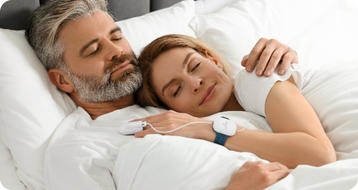
Don’t Just Test Your Sleep. Understand It.
Measure key sleep metrics and review your results with a licensed sleep-care provider. Discuss sleep issues and options to make restless nights a thing of the past.


CPAP vs. Oral Appliances
Oral appliances are devices that you wear in your mouth that physically help keep the airway open. There are two types of oral appliances.
- Mandibular advancement devices (MADs) hold the entire lower jaw forward.
- Tongue-retaining devices (TRDs) hold the tongue forward so it doesn’t fall back into the throat.
Research suggests oral appliances work more or less as well as CPAP for treating mild to moderate OSA, with positive effects for blood oxygen levels, daytime sleepiness, and quality of life. Compared with CPAP therapy, people are less likely to stop using MADs due to side effects. However, oral appliances aren’t usually sufficient for people with severe OSA.
If you have conditions that affect your jaw or cause pain in the head and neck, your dentist may decide an oral appliance isn’t appropriate. Once you start using an oral appliance, your dentist will periodically monitor you to make sure it isn’t negatively affecting your teeth or jaw.
| Pros of Oral Appliances | Cons of Oral Appliances |
|
|
CPAP vs. Weight Loss
Regular exercise and losing at least 15% of your weight if you have a BMI over 30 can have noticeable effects on your sleep apnea symptoms.
If you have obesity, your doctor may recommend weight-loss drugs or bariatric surgery for OSA. These methods are usually used along with CPAP therapy, but they may allow you to set a lower, more comfortable pressure setting.
Weight-Loss Drugs
The FDA recently approved the first drug ever for treating OSA. Tirzepatide, commercially known as Zepbound, is an appetite suppressant that helps with weight loss, OSA symptoms, and preventing cardiovascular disease.
Since the effects are due to weight loss, it will take longer to see noticeable results with Zepbound vs. CPAP therapy. Also, like all medication, Zepbound can have side effects and may be hard the pancreas, gallbladder, or kidneys.
Bariatric Surgery
Weight-loss surgery may be considered if your body mass index (BMI) is 35 or higher. For people with OSA, weight loss as a result of bariatric surgery has been found to improve sleep quality, blood pressure, daytime sleepiness, and quality of life. Surgery has a high risk of complications and may not fully resolve symptoms.
CPAP vs. Surgery for Sleep Apnea
Like all medical procedures, sleep apnea surgery carries a risk of complications. CPAP is considered to be much safer than surgery, which is one reason why it’s the first-line therapy for most patients.
In some cases, however, surgery may be the preferred treatment approach, e.g. for patients with certain craniofacial abnormalities. Or sometimes surgery may be part of a multi-pronged approach to treating OSA. For example, nasal surgery may make it possible to successfully use a nasal CPAP mask.
Examples of surgically correctible craniofacial abnormalities that contribute to OSA include:
- Nasal polyps
- Deviated septum
- Large tonsils
- Larger-than-usual tongue (macroglossia)
- Smaller-than-usual jaw (micrognathia)
Depending on the operation, surgery may be appropriate for mild, moderate, or severe OSA. A surgeon will analyze scans of your face and neck, perform tests, and consider your medical history to determine whether you’re a good candidate for surgery.
It’s difficult to compare surgery vs. CPAP, because there are many different types of surgery and each person has unique anatomical considerations. Research suggests that upper airway surgery reduces sleep apnea severity and can help improve sleep, snoring, blood pressure, and quality of life in select cases.
For others, episodes of stopped breathing may continue or return over time, and you may need to continue using your CPAP device. Surgery is often less effective in people who have a naturally narrow airway or those who have severe obesity. However, even if surgery doesn't definitively cure your OSA symptoms, it may reduce the severity of your sleep apnea. This, in turn, may make using a CPAP more tolerable or allow your OSA to be appropriately treated by an oral appliance when it otherwise wouldn't have been.
There are some additional downsides to surgery to consider. As with any operation, you may experience pain and discomfort after the procedure. It's also common for patients to experience mild bleeding, swelling, and difficulty eating and drinking while recovering. Some potential post-surgical complications include tingling in the jaw, poor cosmetic outcomes, and inability to taste normally.
CPAP vs. Inspire Therapy
Inspire Therapy uses a nerve stimulation device to deliver a small electric current every time you take a breath. The current stimulates the hypoglossal nerve, pushing the tongue forward to widen the airway. The pulse generator is implanted in your body, and you use a remote control to turn it on while you sleep.
Inspire Therapy seems to work best for adults with moderate or severe OSA who have a BMI of less than 40. It’s not appropriate for people whose soft palate completely blocks their airway. Usually, Inspire is only considered after someone has unsuccessfully tried CPAP therapy or an oral appliance.
As an implanted device, Inspire requires little to no upkeep, making it convenient and easy to use every night. However, you’ll have to have a surgical operation to implant the device.
How to Decide Which Treatment Is Best for You
Choosing the best OSA treatment for you depends on your medical profile as well as your personal preferences. Certain sleep apnea treatment methods have clear benefits if you fit a set of criteria, but in other cases, you’ll have to weigh the benefits and potential risks of one treatment against another.
Factors to consider include your sleep study results, your health history, and your insurance coverage.
- Sleep Apnea Severity: Mild OSA may not require treatment unless you have symptoms like daytime sleepiness or snoring. However, if you have an apnea-hypopnea index (AHI) of at least 15 breathing events per hour, you should seek treatment to reduce long-term health risks.
- Medical History and Risk Factors: Conditions like obesity or atrial fibrillation can interact with sleep apnea treatment.
- Personal Preference: Claustrophobia, risk tolerance, and other personal factors can significantly affect the success of a sleep apnea treatment. For example, some people prefer to live with the slight discomfort of an oral appliance in order to avoid the inherent risk of surgery, but it depends on the individual.
- Convenience: While this shouldn’t be the most important factor, it’s worth considering how much you value convenience and ease of use. For example, surgery or implanted pulse generators carry greater risks but, in the long run, require less upkeep compared to CPAP therapy.
- Insurance Coverage: If you’re counting on insurance to cover the cost of your sleep apnea treatment, bear in mind that companies often require you to try CPAP therapy before they cover other sleep apnea treatment methods. Paying out of pocket for the procedure is cost-prohibitive for most people, and even if insurance covers it, those with a high deductible may incur significant cost even if covered.
Many people end up combining multiple treatment methods. Regardless of the therapy you choose, your doctor will also recommend adopting lifestyle changes that are well-known to lessen OSA symptoms, including exercising and losing weight, avoiding back sleeping, addressing nasal congestion, and avoiding alcohol and sedatives before bed.
The important thing is to not allow sleep apnea to go untreated, as this condition can increase a person’s risk for many serious medical issues.
When to Talk to Your Doctor
Whether you’re using CPAP or a different treatment method, treating OSA requires ongoing communication with your healthcare team. Your doctor will monitor your results to ensure you’re getting the most out of therapy and make adjustments as needed.
For CPAP therapy, this may include helping you find a mask that’s comfortable and forms a good seal, or adjusting your pressure settings based on the data from your CPAP machine. Many CPAP side effects are resolved with a few simple changes to your setup.
When considering alternatives to CPAP therapy, your doctor will analyze factors such as your BMI, the shape of your airway, your typical sleep position, and your medical history. They may order another sleep study to obtain up-to-date information on your sleep apnea symptoms, or refer you to a specialist to evaluate a specific treatment method. They will also take your personal preference into consideration.
Many OSA treatment options, including oral appliances and CPAP therapy, only work while you actively use them. The moment you stop using them, symptoms return and you may be at increased risk for chronic health conditions. That’s why it’s important to talk to your doctor before stopping treatment or making changes.