ASV machines are a specialized form of positive airway pressure therapy designed to treat certain types of sleep apnea. Unlike standard CPAP devices that deliver a steady stream of air, ASV machines continuously monitor breathing patterns and adjust pressure in real time to stabilize irregular breathing during sleep.
Because there are several types of sleep apnea and many kinds of PAP machines, it can be difficult to keep all the information straight. Getting the details about ASV can help you understand how it is different from other PAP therapies
What Is ASV?
ASV stands for adaptive servo-ventilation. It's a type of PAP therapy that pumps air through a mask and into the upper airway to prevent breathing disruptions during sleep. ASV devices track breathing patterns and modify the level of air pressure in real time.
A core feature of ASV is the ability to adjust air pressure during inhalation. The ASV machine makes adjustments on a breath-by-breath basis in order to normalize breathing. Depending on the situation, the air pressure during exhalation may be pre-programmed or can be auto-adjusted by the software on the ASV device.
Adjusting air pressure during inhalation allows an ASV machine to help control the rate of breathing during sleep. If breathing becomes too fast, the device can alter pressure levels to slow it down. If breathing slows too much, ASV can provide a “backup breath” to prevent a lapse in breathing.
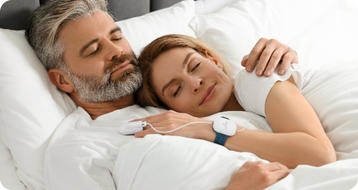
Don’t Just Test Your Sleep. Understand It.
Measure key sleep metrics and review your results with a licensed sleep-care provider. Discuss sleep issues and options to make restless nights a thing of the past.


How Does ASV Work to Treat Sleep Apnea?
Sleep apnea describes a group of disorders in which apneas and other breathing disruptions happen while a person is asleep. There are two main types of sleep apnea.
- Obstructive sleep apnea: Obstructive sleep apnea (OSA), the more common type, occurs when tissue in the upper airway collapses, physically blocking the flow of air.
- Central sleep apnea: Central sleep apnea (CSA), which affects less than 1% of adults, occurs when the brain and muscles that control breathing do not properly maintain steady breathing.
ASV treats sleep apnea by preventing lapses in breath. The flow of pressurized air from an ASV device is meant to keep the airway open and help regulate a person’s breathing rate.
To treat breathing problems related to central sleep apnea, an ASV device can modify the amount of air pressure during inhalation. The software in the ASV machine enables it to adjust the pressure based on how hard a person is breathing. The ability to deliver a backup breath can prevent breathing pauses.
In general, doctors only prescribe ASV to treat more complicated cases of sleep apnea. For example, they may recommend ASV for people who have both OSA and CSA or who have CSA that didn't improve with another type of PAP therapy. Doctors rarely prescribe ASV for people who have OSA without other breathing problems.
How Does ASV Compare to Other PAP Therapy?
ASV machines are just one type of device used to provide PAP therapy for sleep apnea. Other common kinds of PAP devices include CPAP, APAP, and BiPAP.
All of these devices treat sleep apnea by sending pressurized air into the airway. These machines generally have the same types of components, including air filters, a mask, a hose connecting the device to the mask, and a heated humidifier to add moisture to the airflow.
Despite these similarities, there are notable differences in how ASV works compared to other kinds of PAP therapy.
ASV vs. CPAP
The flow of air from a continuous positive airway pressure (CPAP) device stays at the same pressure level throughout the night. The air pressure also stays constant during inhalation and exhalation.
By contrast, an ASV device can provide different amounts of air pressure when breathing in and breathing out, and it can rapidly adjust those pressure levels.
Doctors usually prescribe CPAP therapy as the initial treatment for people who have obstructive sleep apnea and no other health issues that interfere with breathing. CPAP machines are also frequently the first treatment for people with central sleep apnea.
ASV devices are usually only recommended when a person’s breathing problems are more complex. They may also be used as an alternative to CPAP in people with CSA.
Because ASV devices are more specialized and technologically advanced, they also tend to be more expensive than CPAP. Insurance providers may only cover ASV in very specific situations.
ASV vs. APAP
Both ASV and auto-adjusting positive airway pressure (APAP) machines detect breathing patterns and can modify air pressure accordingly. However, ASV devices typically have functions that aren't available with APAP machines, including:
- The ability to provide different air pressure levels for inhalation and exhalation
- The option to deliver a backup breath if breathing becomes too shallow
APAP machines generally use the same pressure level for both breathing in and breathing out, which is why they're sometimes called auto-CPAPs. However, an APAP can increase or decrease that single pressure level in response to changes in a person’s breathing.
APAP devices are most frequently prescribed as a treatment for people with obstructive sleep apnea who don't have other breathing difficulties. ASV devices are more commonly reserved for treatment of central sleep apnea or OSA that occurs simultaneously with other conditions that affect breathing.
ASV vs. BiPAP
Bilevel positive airway pressure (BiPAP or BPAP) and ASV devices have many features in common but can differ based on their settings and programming.
Both BiPAP and ASV machines are able to provide different amounts of air pressure when a person is breathing in and breathing out. In addition, both kinds of machines can provide a backup breath if a person’s respiration slows excessively.
In many cases, a BiPAP device is programmed with preset levels of air pressure for inhalation and exhalation. This type of fixed-level BiPAP is different from ASV therapy, which allows for a variable level of pressure during inhalation. ASV devices can also be set up to allow for variable pressure during both inhalation and exhalation.
That said, some types of BiPAP devices are auto-adjusting, which means that these devices may function in similar ways as ASV machines.
BiPAP devices aren't routinely used for obstructive sleep apnea, but they may be recommended in specific situations. Both BiPAP and ASV devices can be used to treat central sleep apnea and other complicated breathing problems during sleep.
What Are the Potential Side Effects of ASV?
There are several possible drawbacks to ASV therapy that should be discussed with a doctor when considering ASV as a treatment option.
If air leaks from the edges of the mask, an ASV device won't properly calibrate pressure to match breathing. This can make the device ineffective. Incorrect pressure levels also run the risk of making central sleep apnea worse.
Other possible side effects are similar to those of other kinds of PAP machines. These may include:
- A feeling of discomfort from the mask
- Irritation of the skin around the mask
- Runny nose or congestion
- Dryness in the nose, throat, or mouth
- Claustrophobia when wearing the mask
- Sleep disturbances from machine noise
Not everyone who uses a PAP device will experience these side effects. Doctors often recommend practical steps to reduce or eliminate these issues.
Is ASV Right for You?
ASV therapy isn’t recommended for everyone with sleep apnea, but it can be highly effective for people whose breathing patterns don’t respond well to standard CPAP or BiPAP therapy.
Determining whether ASV is appropriate depends on the type of sleep apnea you have, your response to previous treatments, and your overall health, especially heart health. A sleep specialist can help evaluate whether ASV is a safe and effective option based on your sleep study results and medical history.
Who Could Benefit From ASV?
ASV devices are most likely to benefit people who have complicated breathing problems when they sleep. For example, doctors may recommend ASV therapy in situations involving:
- Obstructive sleep apnea that occurs alongside central sleep apnea or other breathing disruptions
- CSA that develops after starting CPAP treatment for OSA
- CSA linked to use of opioids and other sedating medications
- CSA caused by a high-altitude environment
Whether ASV is an option for people with CSA caused by heart failure depends on the type of heart failure a person has. If the heart failure is related to a reduced ability of the heart to fill with blood, a doctor may consider ASV to treat CSA. However, experts advise against using ASV if heart failure is caused by a reduced ability of the heart to pump blood.
In many cases of central sleep apnea, ASV therapy isn't the first recommended treatment. Instead, doctors may prescribe ASV for people who can't use or don’t benefit from another type of PAP therapy.
Who Should Not Use ASV?
Sleep experts recommend against treating central sleep apnea with ASV for people who have heart failure that substantially reduces the heart’s ability to pump blood through the body.
Additionally, doctors don't often prescribe ASV for people who have obstructive sleep apnea with no other breathing complications.
Frequently Asked Questions
Taking proper care of an ASV machine can keep it working properly over time. The most important steps that you can take to keep your ASV machine in good shape are asking your doctor about maintenance and consulting the device’s user’s manual. These steps can help you make sure you follow the proper cleaning and upkeep procedures for your specific machine.
Keeping the device and accessories clean reduces your risk of inhaling dirty air. You may want to lightly clean the mask every day, while cleaning, disinfecting, or replacing other components on different schedules.
Obtaining equipment for any kind of PAP therapy, including an ASV machine, requires a prescription. These devices are typically prescribed by your doctor or a sleep specialist based on the results of a sleep study.
Sleep Doctor’s at-home sleep apnea test can be a convenient first step in this process. The test allows a licensed physician to evaluate your breathing patterns during sleep and determine whether further testing or a more advanced therapy—such as ASV—is appropriate. If central or complex sleep apnea is suspected, your provider may recommend additional evaluation or an in-lab sleep study before prescribing an ASV machine.
ASV machines are among the most expensive types of PAP devices and can cost $3,000 or more. How much you have to pay depends on whether you have health insurance and what your insurance covers, particularly your plan’s deductible and limits on out-of-pocket costs.
Since ASV is expensive and used only for certain patients, insurance companies don't always cover these devices. Your doctor may need to submit documentation on your behalf that explains why ASV is the correct treatment for you. Ask your doctor and health insurance provider to address any questions or concerns you may have regarding the cost of these devices.
While an ASV device can automatically adjust pressure levels in real time, the device is often calibrated based on the results of an overnight sleep study. During the study, a sleep specialist makes sure your mask fits properly. They can also monitor how using the ASV affects your breathing and determine the best range of air pressure levels to use.