
Sleep Apnea in Women
Women experience obstructive sleep apnea (OSA) differently than men. This sleep disorder, which occurs when a blocked airway disrupts breathing during sleep, has been traditionally associated with males. As a result, the symptoms unique to women are often overlooked, which can lead to delayed or mistaken diagnoses.
Below, we discuss how sleep apnea symptoms in women differ, why it may be underdiagnosed, risk factors in women and people assigned female at birth, and what to do if you suspect a misdiagnosis. We’ll also explore treatments for sleep apnea and when to talk to a doctor.
Note: In this article, “women” refers broadly to people assigned female at birth, as many factors discussed relate to sex-based biology. We recognize that not everyone affected identifies as a woman and that experiences may vary based on hormones, medical history, or gender-affirming care.
Do Women Get Sleep Apnea?
Recent studies estimate that up to 15% of women in the U.S. experience sleep apnea. Along with other sleep disorders, sleep apnea is more common in men and those assigned male at birth, with men being three to five times as likely to be affected.
Researchers believe that biological differences related to sex, including anatomy and hormones, may explain why women are less likely to develop obstructive sleep apnea. There is also evidence that sleep apnea is underdiagnosed in women (see below for more).
For some, this disparity creates the mistaken perception that women don’t need to worry about sleep apnea. However, sleep apnea is a serious condition that can affect anyone, regardless of sex or gender.
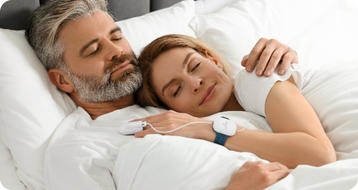
Don’t Just Test Your Sleep. Understand It.
Measure key sleep metrics and review your results with a licensed sleep-care provider. Discuss sleep issues and options to make restless nights a thing of the past.


How Are Sleep Apnea Symptoms in Women Different?
Many women with OSA don’t realize their breathing becomes abnormal when they sleep. For this reason, it’s common for a bed partner or roommate to be the first to notice breathing issues during sleep. Signs and symptoms of obstructive sleep apnea include:
- Excessive daytime tiredness
- Loud, chronic snoring
- Gasping or choking sounds during sleep
- Headaches after waking
- Dry mouth
- Decreased sex drive
- Frequently waking up at night to use the bathroom
While these signs and symptoms can occur in people of any sex or gender, some symptoms are more common and helpful in detecting OSA in men and people assigned male at birth. For example, women with OSA are less likely to report daytime sleepiness and snoring when compared to men.
Women with OSA are more likely to report the symptoms of insomnia, depression, and morning headaches. Women may also experience other symptoms like restless legs, nightmares, and heart palpitations.
Why Is Sleep Apnea Underdiagnosed in Women?
Obstructive sleep apnea may be underdiagnosed in women due to several factors related to their sex and gender. Here, sex refers to differences in anatomy, hormones, and chromosomes and is typically assigned at birth. Gender refers to differences ascribed by a person’s culture including expectations, roles, and behaviors.
- Differences in symptoms: Symptoms of OSA are often different in women, which can cause doctors to misdiagnose the condition. Additionally, since symptoms can differ by sex, women may not meet insurance criteria for needed diagnostic tests.
- Diagnostic challenges: Even when additional testing is performed, women may have unique results that do not meet the standards for a diagnosis of sleep apnea. At-home sleep apnea testing, which is becoming more common, is also more likely to miss the presence of OSA in women.
- Stigma: Many people with OSA have excessive body weight or obesity. People with obesity often feel stigmatized in medical situations and may hesitate to engage with their doctor. Avoiding care can lead to sleep apnea going undiagnosed.
Common Misdiagnoses for Women With Sleep Apnea
In women, signs of obstructive sleep apnea may be mistakenly attributed to other conditions.
- Menopause: Menopause occurs when the ovaries stop producing hormones and releasing eggs. OSA often develops during menopause, and the symptoms can be mistakenly attributed to menopause.
- Depression: Depression is a mental health condition often involving feelings of sadness, emptiness, or hopelessness. Depression is a common symptom of obstructive sleep apnea in women, but doctors may not realize that OSA is the underlying cause of a person’s mental health condition.
- High blood pressure: Untreated OSA increases the risk of high blood pressure. Doctors may detect high blood pressure in women and not recognize that it’s linked to undiagnosed OSA.
What to Do if You’ve Been Misdiagnosed
Be assertive if you believe you may have sleep apnea that has been overlooked or attributed to other conditions like menopause or depression. Ask your doctor for details about how they were able to rule out obstructive sleep apnea as the cause of your symptoms.
Sometimes, your doctor may encounter barriers to ordering a sleep study. This can occur when insurance companies base the coverage for these tests on symptoms more common in men with OSA, such as daytime sleepiness. Talk to your doctor about whether there are barriers to testing in your case, and what can be done to overcome them.
Bring a friend or family member with you to a follow-up appointment. It may be especially helpful to bring a spouse, roommate, or friend who has seen you sleep, since they may have observed nighttime symptoms like snoring, gasping, or awakening. Research shows that men more often have a partner present at appointments to provide this type of information.
It may be helpful to share a log or sleep diary of symptoms which document your sleep difficulties. If your doctor previously recommended lifestyle changes to help with sleep, which is a common first step, be ready to explain what changes you implemented and the impact they had. Ask if a referral to a sleep specialist, who is specially trained to recognize sleep disorders, may be appropriate.
What Are the Risk Factors for Sleep Apnea in Women?
Many of the risk factors for obstructive sleep apnea are similar in all people, however some risk factors may have a unique impact on women.
- Age: Age is the most significant risk factor, but getting older has a more significant impact on the risk of sleep apnea in women, especially after menopause.
- Overweight and obesity: Excess body weight is strongly associated with obstructive sleep apnea. However, women tend to develop sleep apnea at a higher body mass index (BMI) when compared to men. This means that body weight may have more of an impact on the development of OSA in men.
- Facial or airway abnormalities: Large tonsils, a large tongue, or a thick neck can increase the likelihood of developing OSA. The risk due to these abnormalities is greater in men and people who were assigned male at birth.
- Family history: Sleep apnea is more likely to occur in people who have family members with the condition. This may be related to lifestyle similarities but may also be influenced by genetic factors that affect the anatomy of the head, neck, and face.
- Polycystic ovarian syndrome (PCOS): People who have PCOS experience hormonal changes that make them more susceptible to developing OSA.
- Hypothyroidism: OSA is more common in people with an underactive thyroid, a medical condition called hypothyroidism, which is significantly more common in women.
How Is Sleep Apnea Diagnosed in Women?
Currently, doctors use the same process to diagnose sleep apnea regardless of sex or gender, but there are a few factors that require special attention.
Typically, you initiate the diagnosis process by noting symptoms that may indicate sleep apnea, and then visiting a doctor. The doctor may then order a sleep study that monitors breathing patterns during sleep to make a final diagnosis. Sleep studies are often conducted at labs. At-home sleep apnea tests are available, but these may be more likely to miss sleep apnea in women because of differences in how the disorder presents for them.
Since sleep apnea in women sometimes doesn’t meet the general diagnostic levels, it’s important to discuss the results and your symptoms with your doctor.
How Is Sleep Apnea in Women Treated?
Treatment for sleep apnea is generally the same for all people. The most common treatment is a continuous positive airway pressure (CPAP) machine, a device that delivers a steady stream of air through a mask to keep the airway open during sleep. Other treatment options may include oral devices, lifestyle changes, therapy for mouth and face muscles, or surgery.
For pregnant people, CPAP therapy is safe, but you may need to work with a sleep specialist to adjust CPAP machine settings during and after pregnancy as your body changes.
What Happens When Women Don't Treat Sleep Apnea?
Untreated sleep apnea can lead to potentially serious side effects in people of any sex or gender, but research suggests that there are certain risks specific to women and people assigned female at birth.
Potential complications of untreated sleep apnea for all people include an increased risk of high blood pressure, heart attack, stroke, depression, and accidents related to excessive tiredness.
Research has found that OSA also puts women at a higher risk of developing thinking impairment or dementia. This is possibly due to not getting enough oxygen in the brain due to breathing disruptions.
Women also have a higher risk of developing metabolic syndrome. This term describes a group of conditions that increase the likelihood of heart disease, type 2 diabetes, and other medical conditions.
Fortunately, many of these problems can be significantly improved with CPAP therapy.
When to See a Doctor
Women should talk to their doctor about the possibility of sleep apnea if they have symptoms of sleep apnea. This includes symptoms and complications that are more often reported by women and people assigned female at birth, including:
- Depression
- Insomnia
- Strong urges to move the legs when at rest
- A racing or pounding heart
- Headaches, especially in the morning
The onset of sleep apnea may be more likely during pregnancy and after menopause, so it may be especially helpful to discuss symptoms of sleep apnea with a doctor during these times.
Frequently Asked Questions
How common is sleep apnea in women?
Recent estimates suggest that up to 15% of women experience obstructive sleep apnea, though the fact that the disorder is underdiagnosed in women suggests that this number may be higher. While men are diagnosed with the disorder at a higher rate, sleep apnea affects a significant number of women.
Can pregnancy cause sleep apnea?
Pregnancy doesn’t directly cause obstructive sleep apnea, but it may raise a person’s risk for the disorder. When a person is pregnant, the uterus takes up additional space in the abdomen, altering the space available for the lungs. Other changes in the body also contribute to a heightened risk of OSA during pregnancy.
Untreated OSA in pregnant people can cause a number of serious complications, including gestational diabetes, high blood pressure, premature birth, and a greater chance of needing a cesarean section.
Safe treatments are available, so it’s important to discuss any symptoms of sleep apnea that may arise during pregnancy with a health care provider.
Does menopause cause sleep apnea?
Menopause itself doesn’t cause sleep apnea, but the hormonal changes that occur during menopause may raise a person’s risk for the disorder. Also, women may gain weight during menopause, including around the neck, which can increase the likelihood of sleep apnea.
Menopause can also cause insomnia, headaches, and daytime fatigue on its own, which can make it harder for you or your doctor to identify sleep apnea.
Does gender-affirming medical treatment affect sleep apnea risk?
Research on the risk of obstructive sleep apnea in transgender and non-binary people is limited. However, preliminary reports suggest that gender-affirming hormone therapy and surgical treatments may affect the risk of developing OSA.
Due to this potential change in risk, experts recommend monitoring certain transgender people for OSA during gender-affirming care.