The best travel CPAP machines make it easier to maintain consistent therapy wherever you go, whether you’re flying, camping, or staying in a hotel. These compact devices are designed to be lightweight, portable, and easy to set up, while still delivering effective pressure support throughout the night.
Below, we’ll review our top picks for travel CPAP machines, including their features, performance, and cost. We’ll also discuss how travel and standard CPAPs differ, as well as important travel CPAP features and performance characteristics to keep in mind while shopping for a machine.
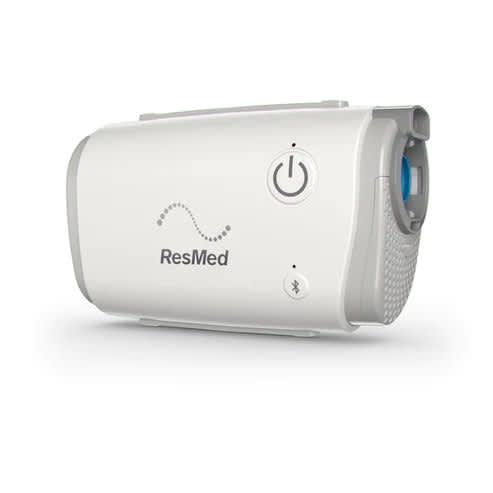
The ResMed AirMini is designed to provide the comfort and performance of a full-sized CPAP machine in compact form. Its smaller size and slim profile make it easy to carry in a handbag, backpack, or suitcase.
Price$919
Dimensions5.4″ x 3.3″ x 2.1″
Weight0.66 lbs.
Noise Rating30 dBA
Pros
Ramp function for increased comfort
Waterless humidification
Compatible with five mask options
Cons
Only compatible with ResMed masks and tubing
On the louder side for a CPAP machine
In addition to CPAP, the AirMini has two automatic positive airway pressure (APAP) modes: AutoSet and AutoSet for Her. While the CPAP mode provides a steady level of pressure, the AutoSet modes adjust the air pressure automatically, based on your needs throughout the night.
The AirMini’s built-in waterless humidification system is designed to prevent dry mouth and nasal irritation without the need for a bulky external humidifier. The AirMini’s companion app provides a nightly sleep score based on factors like length of use, number of apnea events, and the strength of the mask seal.
The AirMini comes with a drawstring bag and 20-watt power supply. Shoppers can also choose from five setup kits that each contain a 6-foot AirMini tube and a face mask or nasal pillow. The tubes and masks in these kits are the only ones compatible with the AirMini. The AirMini comes with a 2-year manufacturer’s warranty.
No humidifier and not compatible with heated tubing
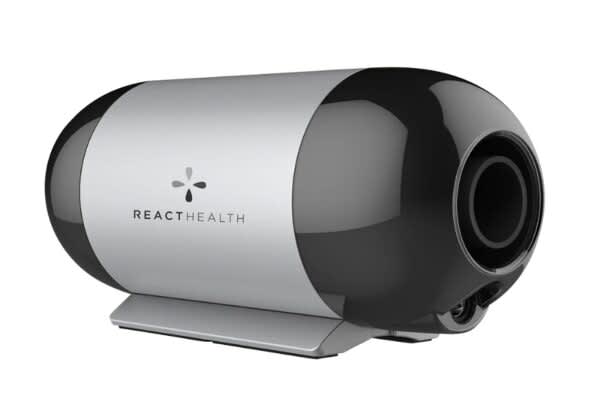
A traditional CPAP device, the TravelPAP delivers pressure at a fixed level in accordance with your prescription but can adjust pressure to compensate for changes in altitude up to 7,500 feet while you’re mid-flight. Weighing less than a pound and measuring just over 6 inches wide, the machine is very compact and lightweight.
Ramp mode is another notable feature, making the device ideal for people who have been prescribed high pressure settings for their CPAP therapy. You can set the ramp in five-minute increments for up to one hour after turning on your machine. However, the TravelPAP doesn't include a humidifier and isn't compatible with heated connective tubing. If you prefer devices with these components, you may want to look elsewhere. That said, the machine is compatible with any face mask.
The LightTrip companion app is a helpful resource, especially if you’re new to CPAP. This app will guide you through the initial setup process and let you set a schedule for maintaining and replacing the machine’s various components. The app also provides sleep coaching tips and lets you view detailed metrics related to your personal sleep data.
The Luna TravelPAP’s sticker price is in line with the average travel CPAP machine. If you purchase the device through Sleep Doctor, you may return it unopened for a refund within 60 days of purchase. The machine is also covered under a 2-year manufacturer’s warranty.
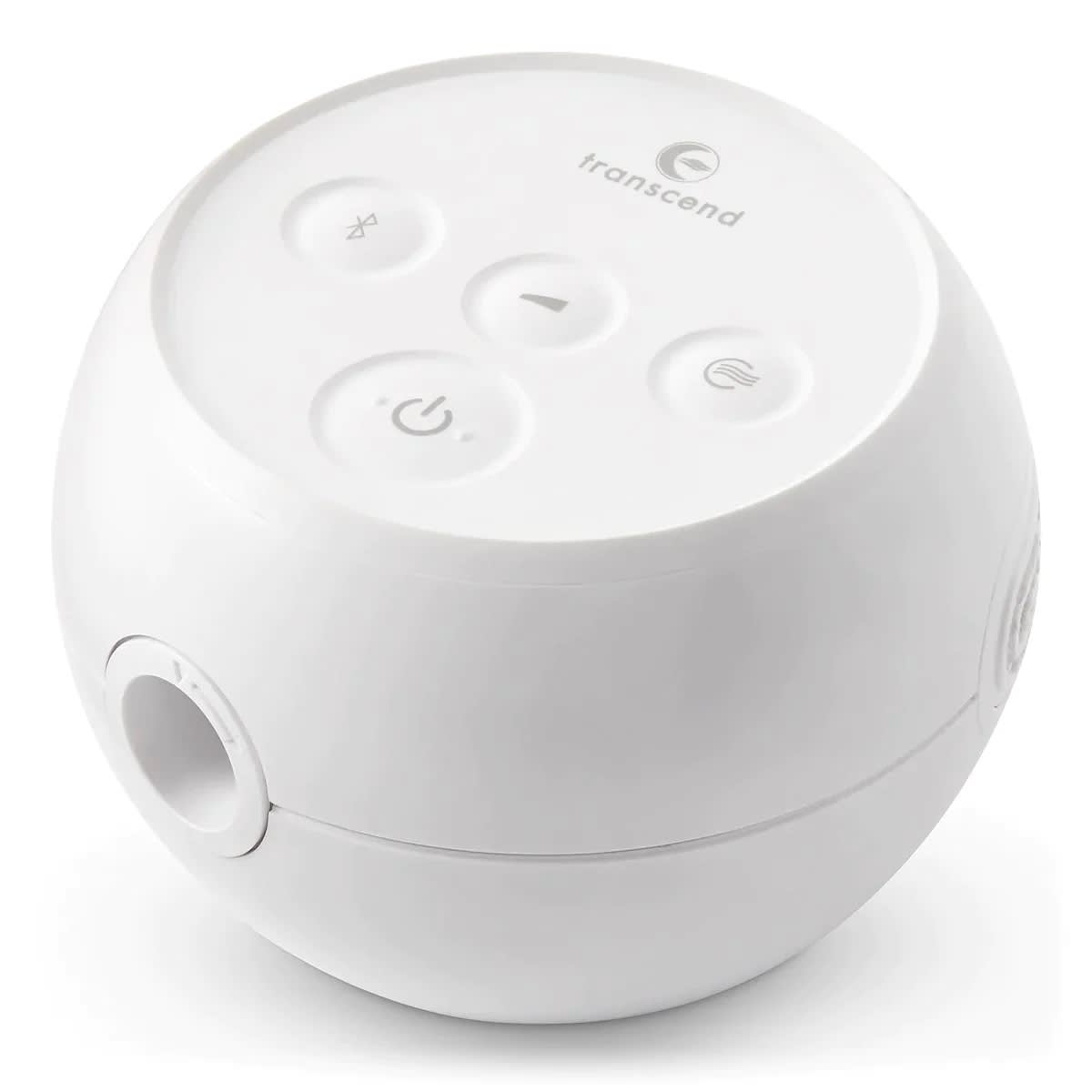
Measuring less than 4 inches wide and weighing less than half a pound, the Transcend Micro Travel Auto-CPAP takes up very little space.
Price$779
Dimensions3.6″ x 3.6″ x 2.4″
Weight0.48 lbs.
Noise Rating31 dBA
Pros
One of the smallest and lightest travel machines on the market
GentleRise feature gradually ramps up air pressure as you fall asleep
Auto-adjusting AirRelief reduces air pressure on exhalation
Cons
Not compatible for people who use masks with top-of-head tubing
Some users report the device is quite loud
Transcend Micro Travel Auto-CPAP is discreet, with a WhisperSoft muffler designed to allow the machine to operate in close quarters without disturbing others.
Sleepers can use their preferred mask with the Transcend Micro. It comes with a 6-foot hose and a travel bag. There are also optional add-ons, including a rechargeable P8 battery that allows the machine to run unplugged for up to two nights. Alternatively, shoppers can choose the Transcend Solar Battery Charger, which lets sleepers continue therapy even when access to power isn’t guaranteed.
The Transcend Micro also comes with performance and comfort-enhancing features. To make it easier to fall asleep, the GentleRise feature gradually ramps up air pressure to prescribed levels. The Transcend Micro also uses AirRelief to adjust air pressure on the exhale. Additionally, the device is equipped with a drying mode that can be switched on after you wake up in the morning to initiate a 30-minute drying cycle through the mask and hose. It also comes with a 2-year manufacturer’s warranty.
How We Make Our Picks
Over the years, we’ve found that the ideal way to decide on the best CPAP machines and accessories is to combine our years of expertise with real-world performance data. Our team of sleep health professionals and researchers look at machine specifications and materials to determine compatibility, quality, and efficacy.
For this review, we also considered important factors to keep in mind while traveling, including machine size, FAA requirements, and battery options. Our top picks include models with solid brand reputations and excellent performances for real-world users. We studied verified reviews from people who use each of these models and made sure to incorporate opinions from people of all genders, sizes, and sleep preferences.
Benefits of Using a Travel CPAP Machine
Travel CPAP machines are small and lightweight, making them easy to pack. This portability allows sleepers to continue therapy while on the go, affording them all the advantages of CPAP use without needing to lug around a full-sized machine.
Travel CPAP Machines vs. Standard CPAP Machines
While they deliver similar results, travel CPAP and standard CPAP machines differ in several ways.
Pricing, Sizing, and Weight
The price of standard CPAP machines varies widely. Some budget options can cost around $500, while higher-end brands can be closer to $1,000. Travel CPAP machines tend to cost more on average. It’s also worth noting that travel CPAP machines are less likely to be covered by insurance.
In general, standard CPAP machines are about the size of a small shoebox, with a length of less than a foot and a weight of around 3 or 4 pounds. Travel CPAP machines are noticeably smaller and lighter, with measurements that are often half of what you’d see for full-sized machines.
Their smaller footprint makes travel CPAP machines more attractive for when you’re on the go and space is at a premium. This is particularly true for use on planes, where a compact machine can fit more easily on the tray or under the seat.
Compatibility With Your CPAP Accessories
CPAP machines can vary in their compatibility with masks, tubes, and other accessories. The accessories that work on a sleeper’s standard machine may use a proprietary connection that won’t fit a travel CPAP. Conversely, the travel CPAP may not have universal connectivity. In either case, sleepers will need to purchase an adapter or separate mask and hose kit made specifically for their travel CPAP.
Selecting a travel CPAP machine that fits your preferred mask and tubing can save money and help you feel more comfortable. Most brand websites list compatibility specifications for their products.
Humidifiers
Some CPAP machines have integrated or external humidifiers that add moisture to the pressurized air. Humidifiers can help keep the throat, mouth, and nasal passages from drying out and causing discomfort. However, humidifiers usually use water reservoirs, which can be bulky or cumbersome. Some travel CPAP machines get around this difficulty by using waterless humidification.
If you’re used to using a humidifier with your CPAP machine, you don’t have to go without while you travel. Some travel CPAPs have built-in humidifiers that take up very little space.
CPAP Batteries
Standard CPAP machines typically plug into the wall. Travel CPAPs also come with an AC power adapter, but many have built-in or external batteries that allow the machine to function when an outlet is not available. This can be especially helpful if you’re using a travel CPAP while camping or anywhere else where power outlets aren’t readily available. However, the addition of a battery does impact the weight and size of a travel CPAP.
How to Find the Best Travel CPAP Machine for You
There are several considerations to take into account when selecting a travel CPAP machine. You’ll want to think about your desired pressure and noise levels and determine whether you want a machine with data tracking, ramp settings, or other smart features.
Pressure Range: Travel CPAP machines typically have a pressure range of between 4 and 20 cm H2O. Most prescribed pressure settings fall within this span.
Noise Level: Travel CPAPs usually run at a noise level that falls between 25 and 30 decibels. This is sometimes referred to as “whisper quiet” and is about on par with regular CPAP machines.
Data Tracking: Travel CPAPs may have onboard or app-based data tracking. Tracked categories can include total hours used, number of apnea events, and quality of the mask seal. Comparing data collected while traveling versus at home could offer additional insights into your therapy plan.
Ramp Settings: Some travel CPAP machines come with ramp settings. These allow the machine to gradually increase the air pressure over time until it reaches the prescribed level. The feature is designed to make it easier to fall asleep.
Smart Features: Many travel CPAPs are equipped with smart features that include Wi-Fi connectivity and pre-heating humidifiers. These additional benefits can increase comfort and convenience while you’re on the road.
If you plan to use your regular tubing and mask set up, make sure they’re compatible with the travel CPAP you have in mind. Many accessories are universally compatible, but not all.
How to Buy a Travel CPAP Machine
Purchasing a travel CPAP machine is fairly straightforward, provided you have a prescription and an understanding of what your insurance will and won’t cover in terms of cost.
Do You Need a Prescription for a Travel CPAP Machine?
The U.S. Food and Drug Administration (FDA) considers travel CPAPs to be class II medical devices, meaning people need a prescription in order to purchase one. If you take a home sleep test through Sleep Doctor, your results are evaluated by a board-certified physician who can provide a CPAP prescription when medically appropriate.
Does Insurance Cover the Costs of a Travel CPAP Device?
Insurance coverage for travel CPAP machines is often limited. Many health plans, including Medicare, typically cover a standard CPAP device that is considered medically necessary, but they may not pay for a second machine used specifically for travel or convenience.
Coverage policies vary by provider and plan, so it’s important to contact your insurance company to confirm whether any portion of the cost may be reimbursed or applied toward your durable medical equipment (DME) benefits.
Where Can You Buy a Travel CPAP Machine?
Travel CPAP machines can be purchased online or in stores, and the buying process can look different depending on which option you choose.
Sleep Doctor combines equipment access with educational resources and expert support to help you find the travel CPAP machine and accessories that are right for you. Be sure to have your prescription and insurance information on hand so you can enter it at checkout.
Buying from a brick-and-mortar store can give you access to a knowledgeable salesperson who can help guide you through the buying process. However, some deals, sleep trials, and models may be unavailable when shopping in person.
Frequently Asked Questions
Are there travel versions of BiPAP or APAP machines?
Many travel CPAP machines include APAP modes. Separate APAP and BiPAP travel machines are harder to come by, in part because they generally aren’t small enough to be conveniently portable.
Can a portable CPAP machine work as your primary CPAP device?
Portable CPAP machines can work as your primary CPAP device, especially if they're made by a trusted brand using high-quality components. However, it’s important to note that travel CPAP machines aren’t generally designed for long-term use, so you might be better off saving them for use when you’re away from home.
How do you pack a CPAP machine for air travel?
It’s best not to pack your CPAP machine in checked baggage to protect it from getting lost, stolen, or broken. However, your CPAP machine must be FAA-approved in order for you to bring it on board. Flyers can also carry their CPAP in a separate bag or case, which, according to FAA regulations, won’t count toward a carry-on limit.
If you use a humidifier, make sure it’s empty, and plan to refill it with distilled water at your destination.
How do you travel internationally with a CPAP machine?
International travelers who want to use a CPAP while abroad should keep varying outlet sizes and power inputs in mind. Check to see if a converter is needed to plug your CPAP into the wall. You’ll also want to double-check your machine’s voltage requirements.
Garen is a health and lifestyle content creator. She realized the importance of sleep when her children made getting a good night's rest more challenging. Garen is always learning something new about the wide world of sleep and sleep products. Married with two girls, ages 7 and 11, she is a book nerd and a lover of pop music, travel, and the Pacific Northwest.