How We Make Our Picks
Machine compatibility, travel features, lifespan, and run time are all important to consider when choosing a CPAP battery. We analyze product specs and details to determine how a battery holds up in each of these categories.
We also consider brand reputation and recalls, two critical factors to keep in mind when dealing with batteries. Extra features like solar charging, multiple ports, and outlet adaptors are handy innovations that can set batteries apart, so we stay on the lookout for unique details like these.
How to Find the Best CPAP Battery for You
It’s natural to have a variety of questions when buying a CPAP battery. We’ll highlight top considerations, including machine compatibility, size, run time, and battery lifespan.
Compatibility With Your Machine
Some batteries are compatible with a range of CPAP machines, while others only work with a specific model. When shopping for a CPAP battery, be sure to double-check that the battery’s manufacturer confirms that it’s compatible with your model. CPAP machines can be damaged by trying to power them with a battery that isn’t compatible.
Before choosing a CPAP battery, make sure it’s compatible with your machine. They don’t all work together and using the wrong battery can damage your CPAP machine.
Size and Weight
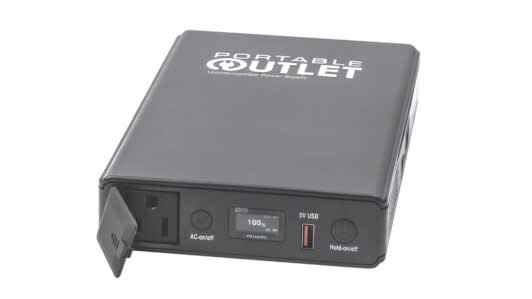
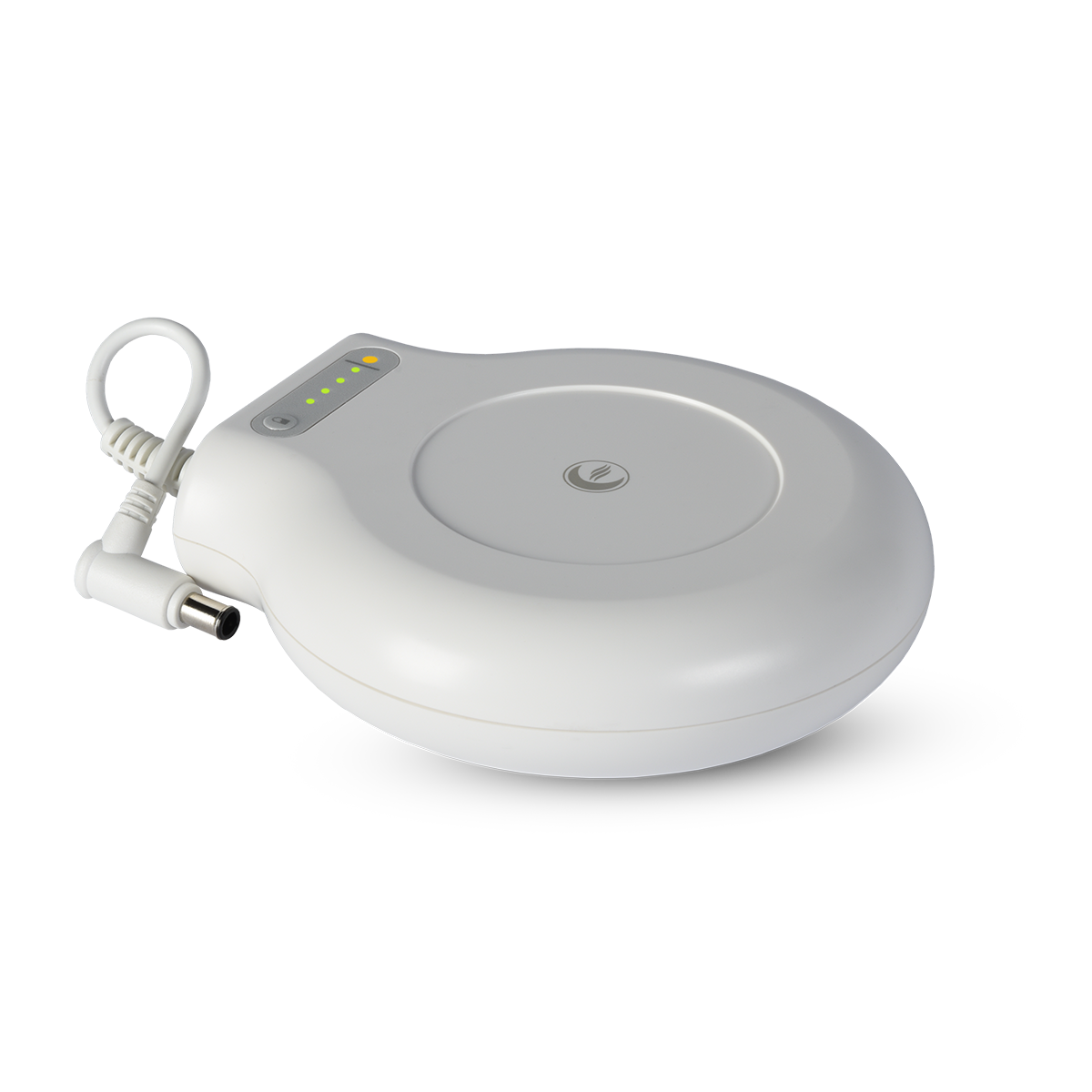
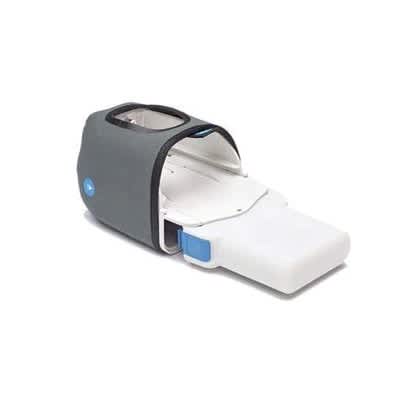
A battery’s design, including its size and weight, affects its portability. While people looking for a high charge capacity may need a larger and heavier CPAP battery, those seeking something more portable to pair with a travel CPAP machine may prefer a small and slim model. Some batteries attach directly to your CPAP machine and form a single compact unit. External models that use a cord may take up more space.
Run Time and Recharging Period
A CPAP battery’s stated run time and recharge time are useful barometers of its performance. Factors like the type of CPAP machine, pressure settings, humidifiers, and heated tubing can affect a battery’s run time. A shorter recharge period is helpful when you have limited access to electrical outlets.
Battery Lifespan
A battery’s lifespan is often expressed in charge cycles, which describes the number of times the battery can be charged before needing to be replaced. Longevity is an important consideration when weighing a battery’s cost against your long-term budget.
Warranty
When purchasing a CPAP battery, check the warranty’s length and ensure that it covers issues that may arise due to manufacturing defects. Make sure to retain your receipt or other proof of purchase should you need to make a warranty claim.
We’ll answer common questions when it comes to purchasing a CPAP battery, including insurance considerations.
Where Are CPAP Batteries Sold?
Shoppers can usually find the best selection of CPAP batteries from online stores that specialize in CPAP equipment. CPAP batteries can also be purchased through Sleep Doctor, which offers a curated selection designed to work with a range of CPAP machines.
Many brick-and-mortar medical equipment suppliers also carry portable CPAP batteries. Buying online often provides a wider selection and more detailed compatibility information, while in-store options may offer in-person assistance.
Will Health Insurance or Medicare Cover CPAP Batteries?
CPAP batteries generally aren’t covered by health insurance, as they're considered nonessential CPAP accessories. It still doesn’t hurt to double-check with your insurance provider. If your insurance plan covers CPAP batteries, you’ll likely need to purchase the product out of pocket and then submit a claim for reimbursement.
Are CPAP Batteries Covered by an FSA or HSA?
You can typically purchase a CPAP battery with your flexible spending account or health savings account debit card, as CPAP batteries are considered to be a form of medical equipment. You may also be eligible for cash reimbursement through an FSA or HSA if you purchase the battery out of pocket.
Traveling With CPAP Batteries
One of the primary benefits of a CPAP battery is that it can be used during travel to ensure the continuity of CPAP therapy. However, there are a few important considerations to keep in mind before traveling with a CPAP battery.
How to Charge CPAP Batteries When Traveling
There’s more than one way to charge a CPAP battery. The best method depends on your destination and mode of travel.
-
Outlet adapters: CPAP batteries typically have a built-in AC plug for type A and type B outlets, which are standard in the United States and Canada. You’ll need a plug adapter when traveling to a country with a different type of electrical outlet.
-
Inverters: Inverters are indispensable when you have limited access to AC electrical outlets when driving, camping, or boating. An inverter plugs into a vehicle’s auxiliary power outlet and converts the direct current generated by the vehicle’s electrical system into the alternating current needed to recharge a CPAP battery.
-
Solar chargers: A solar charger is a sustainable method for charging your CPAP battery when you’re off the grid. Solar chargers contain panels that convert energy from the sun to power that can be used to charge a battery. Always double-check that your battery is compatible with a given solar panel.
-
Portable power stations: Portable power stations are large battery-powered generators that have multiple types of charging ports. They’re a versatile alternative to portable CPAP batteries since they often have a large charging capacity and can power a range of devices. Since portable power stations have multiple outlets, you can recharge more than one device simultaneously.
If you travel often, a CPAP battery can give you some extra breathing room (pun intended). Most models are easy to recharge and have enough juice to power your machine for at least one night.
Camping With a CPAP Machine
With some advanced planning, CPAP batteries can help you stay consistent with CPAP therapy while on a camping trip.