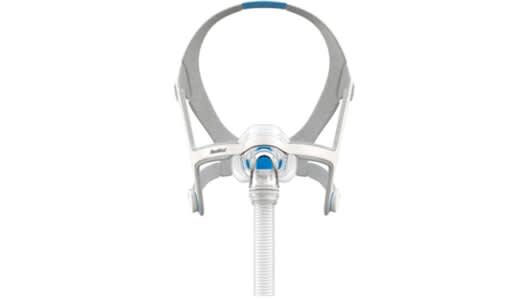
Finding the right CPAP mask can make all the difference in how comfortable and effective your sleep apnea treatment feels. With so many styles, sizes, and features available, the best mask for you will depend on your face shape, sleep position, and whether you breathe through your nose, mouth, or both.
In this guide, we’ll recommend our top picks, explain the different types of CPAP masks, and provide tips on how to choose the best CPAP mask for your needs.
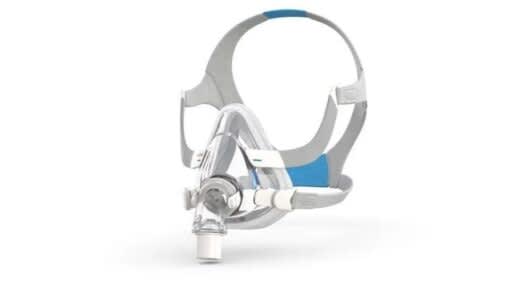
The ResMed AirTouch F20 is a full-face mask that comfortably fits a wide range of sleepers. Many CPAP masks use silicone cushions, but the AirTouch F20 uses memory foam, creating a soft and comfortable cushion that seals effectively while conforming to the shape of your face.
Price$159
SizesSmall, Medium, Large, Small for Her, Medium for Her
Mask TypeFull-Face
Pros
Memory foam mask cushion feels soft but seals strong
Three mask sizes to choose from
Magnetic clips and quick-release elbow make it easy to put on and take off
Cons
Potentially not suitable for people with pacemakers, insulin pumps, and other metal implants
May be uncomfortable for sleepers with facial hair
The AirTouch F20 works well with a wide range of pressure settings and can accommodate sleepers who breathe through their mouth or their nose.
With three cushion sizes to choose from, this model can comfortably fit almost any face with a clear line of sight despite its full-face design. The ResMed AirTouch F20 also comes in a For Her version with smaller headgear.
The mask is equipped with ResMed’s Air series headgear, which is cross-compatible with the company’s AirTouch and AirFit mask cushions. The headgear is designed to be easy to assemble, featuring magnetic strap clips and a quick-release elbow for the hosing.
The AirTouch F20 cushions should be replaced once a month. When cleaning them, you should not submerge them in water. Instead, wipe them down regularly with a clean cloth or CPAP wipe.
Disclaimer: In November 2023, ResMed issued a safety notice cautioning that the magnetic clips on this model and other ResMed masks should be kept at least 6 inches away from any implanted medical device that may be affected by magnets, including pacemakers and insulin pumps. The company also warns that other metallic implants such as valves, stents, and certain dental implants may be impacted by the magnetic clips.
Many people just starting CPAP therapy worry that they won’t be able to find a comfortable mask. For anyone new to CPAP, the ResMed AirFit N30i Starter Pack is an excellent option that offers three cushion sizes to test out at home and find the right fit.
Price$115
SizesSmall, Standard
Mask TypeNasal Pillow
Pros
Comes with small, medium, and small wide cushions
Compact and lightweight design
Freedom of movement with top-of-head hose connection
Cons
People who require high CPAP pressure levels may need a full-face mask
Not ideal for those who primarily breathe through their mouths
The ResMed AirFit N30i is designed to provide comfort and freedom of movement for people who may not be used to sleeping with a CPAP mask. The lightweight, compact mask features a silicone nasal pillow that rests beneath the nose.
Despite its smaller size, the AirFit N30i creates a secure seal that stays in place. The top-of-head hosing attachment also allows you to move freely and change sleep positions. This makes the AirFit N30i a good choice for stomach sleepers, side sleepers, and those who like to switch between these positions.
Shoppers can choose between small or standard headgear sizes to further customize the mask fit. Keep in mind that if you breathe through your mouth, you may want to pair the ResMed AirFit N30i mask with a chin strap to prevent air leaks.
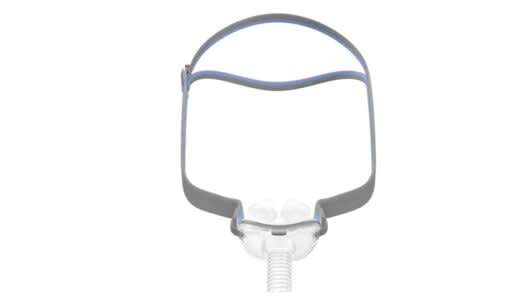
With a super lightweight and compact design, the ResMed AirFit P10 Nasal Pillow Mask is one of the most comfortable options for people who sleep on their side.
Price$105
SizesSmall, Medium, Large, Extra Small For Her, Small For Her, Medium For Her
Mask TypeNasal Pillow
Pros
Sleek design
Includes three mask cushion sizes to try at home
Features quiet venting technology
Cons
Those who use higher CPAP pressure settings may need a full-face mask
Nasal irritation may occur
This nasal pillow mask is unobtrusive and easy to wear as you sleep. The stretchy, split strap headgear design is also lightweight and designed to reduce facial touchpoints.
The dual-wall design of the AirFit P10’s nasal pillow cushion seals in place and keeps it from shifting on your face when you move or change sleep positions. With just three pieces, the AirFit P10 is easy to disassemble for cleaning.
The AirFit P10 comes in two size options: standard and For Her. The standard fit comes with small, medium, and large nasal pillows, while the For Her option includes smaller headgear and extra small, small, and medium nasal pillows.
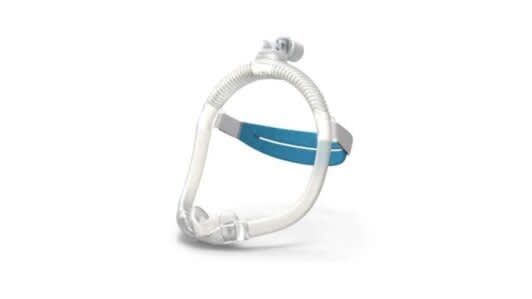
The Philips Respironics DreamWear Full Face Mask has a low profile and a customizable fit that creates a strong seal in any sleep position.
Price$135
SizesSmall, Medium, Medium Wide, Large
Mask TypeFull-Face
Pros
Four adjustment points keep the mask sealed and in place
Low-profile, non-claustrophobic full-face design
Top-of-head attachment keeps the hosing out of the way
Cons
May be too much for people who need lower CPAP pressure levels
Some users may notice nostril irritation
The DreamWear stands out from most other full-face masks on the market for its unique design that sits under the nose. This creates a smaller facial footprint, reduces skin irritation, and helps you feel less claustrophobic.
The design of the Philips Respironics DreamWear Full Face Mask allows for a custom fit. The mask has four adjustment points and stretchy yet soft headgear straps. This lets you tailor the fit so the mask stays sealed and in place, even if you tend to move around and change positions frequently as you sleep. It also features a top-of-head attachment for the CPAP hosing to provide greater freedom of movement for active sleepers.
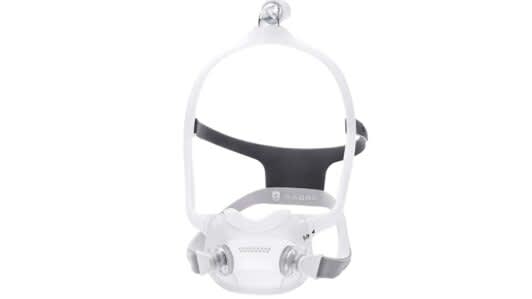
The ResMed AirFit F30i Full Face Mask is lighter and less obtrusive than traditional full-face mask designs, providing a clear line of sight that allows you to comfortably wear glasses. Its quiet elbow and venting also create fewer disruptions as you sleep, read, or watch TV.
Price$159
SizesSmall, Small Wide, Medium, Wide
Mask TypeFull-Face
Pros
Low-profile full-face design
Ultra soft headgear
Secure seal reduces pressure points
Cons
May not be comfortable for side sleeping
People with beards may notice irritation
The ResMed AirFit F30i is a low-profile full-face mask designed for sleepers who want a more open, less bulky fit. Its streamlined frame leaves the forehead completely unobstructed, while the under-the-nose cushion replaces traditional over-the-nose coverage for added comfort.
You can choose from small or medium cushion sizes. ResMed offers a detailed sizing chart to help you find a good fit before ordering. The AirFit F30i Full Face CPAP Mask comes with one-size-fits-all headgear that has magnetic clips for quick removal.
The soft, flexible nylon headgear straps feature four adjustment points to help comfortably customize the mask fit. The straps also help anchor the cushion and securely seal it around the curves of your face. This creates a strong seal with fewer pressure points that might irritate the skin.
Disclaimer: In November 2023, ResMed issued a safety notice cautioning that the magnetic clips on this model and other ResMed masks should be kept at least 6 inches away from any implanted medical device that may be affected by magnets, including pacemakers and insulin pumps. The company also warns that other metallic implants such as valves, stents, and certain dental implants may be impacted by the magnetic clips.
Featuring headgear that's sized down to accommodate smaller heads, the ResMed AirFit N20 For Her Nasal Mask is designed to work well for anyone with a smaller facial structure. You can also choose from small, medium, or large cushion sizes to further customize the fit.
Price$105
SizesSmall
Mask TypeNasal
Pros
InfinitySeal technology helps keep seal in place
Padded frame and soft headgear for extra comfort
Designed to be easy to put on and take off
Cons
Those with larger facial structures may need a wider mask
Magnetic clips can cause health problems for people with pacemakers and other metal implants
The cushion of the AirFit N20 For Her contours to your face to create a firm seal, making the mask a good choice for active sleepers. The mask features a padded frame and headgear intended to feel soft on the face. Integrated magnetic clips and a quick-release mechanism on the hosing elbow are designed to make assembling and disconnecting the AirFit N20 fast and easy.
Disclaimer: In November 2023, ResMed issued a safety notice cautioning that the magnetic clips on this model and other ResMed masks should be kept at least 6 inches away from any implanted medical device that may be affected by magnets, including pacemakers and insulin pumps. The company also warns that other metallic implants such as valves, stents, and certain dental implants may be impacted by the magnetic clips.
How We Make Our Picks
Every model we feature must impress our team of experts to appear on our list of the best CPAP masks. Dr. Breus, our product researchers, and the medical professionals at Sleep Doctor stay informed and up-to-date by studying peer-reviewed articles and analyzing products.
To decide which CPAP masks are better than the competition, we consider verified reviews, taking face shape and size, sleeping position, and facial hair into account. Our research team regularly checks for updates regarding product recalls and machine compatibility.
Types of CPAP Masks
CPAP masks come in a few different styles. Each masks type is best-suited to different people based on their breathing patterns, comfort preferences, and pressure needs.
Nasal Pillow CPAP Masks
Nasal pillow CPAP masks feature a compact cushion that sits just below the nose and creates a seal around the nostrils. The mask cushion is usually made out of silicone or a gel material.
This CPAP mask type is lightweight and has a minimal facial footprint, making it a suitable style for many side and stomach sleepers. However, people who require higher CPAP pressure settings may find the concentrated airflow of nasal pillows uncomfortable.
Who’s a Good Fit
People who need low to moderate CPAP pressure settings
Sleepers with facial hair
Those who frequently toss and turn in their sleep
Who Should Keep Searching
People who need higher pressure settings
Those prone to nasal dryness
Sleepers who breathe through their mouth
Nasal CPAP Masks
Nasal CPAP masks consist of a cushioned frame that sits over the nose from the nasal bridge to the area above the lip. The frame cushion can be silicone, memory foam, or a gel material. This style of mask comes in a wide range of shapes and sizes and is a good compromise between the bulkier profile of a full-face mask and the minimal design of a nasal pillow mask.
Who’s a Good Fit
People with higher pressure needs who find nasal pillows uncomfortable
Those who dislike the bulkier fit of full-face masks
Active sleepers
Who Should Keep Searching
People who breathe through their mouth
People with allergies or frequent nasal blockages
Stomach sleepers
Full Face CPAP Masks
Full-face (oronasal) CPAP masks have a cushioned frame that covers both the nose and the mouth. Although less common, a full-face mask may also refer to CPAP masks that cover the entire face. This type of mask is typically the best choice for people who breathe primarily through their mouth during sleep.
Who’s a Good Fit
Sleepers who tend to breathe through their mouth
People who require high CPAP pressure settings
Back sleepers
Who Should Keep Searching
People who sleep on their stomach
Active sleepers who frequently change positions
Those with thick beards
How to Find the Best CPAP Mask for You
With so many styles and models to choose from, it can be hard to find the best CPAP mask for your needs. While it may take some trial and error, you can start to narrow down the selection by considering your budget, sleep position, and comfort preferences.
Price and Size
Like CPAP machines, CPAP masks come in a range of price points. In general, CPAP masks can cost anywhere from $20 to over $100, depending on the style, materials, and features.
CPAP masks also come in a range of sizes so that most people can find one that fits their face. Keep in mind that CPAP mask sizes are not standardized, and sizes differ between manufacturers.
To find the right size, use the sizing guide from the manufacturer for the specific mask model that interests you. CPAP mask product pages typically include a link to instructions for finding your size.
Sleep Position
Back sleepers have the most flexibility in choosing a CPAP mask style, with nasal masks, nasal pillows, and full-face masks all being viable options depending on comfort preferences and pressure requirements.
Side sleepers may find the bulkier design of full-face masks uncomfortable and typically prefer the smaller profile of nasal masks or nasal pillows.
Stomach sleepers tend to be more limited in their choices, with the minimalist design of nasal pillows often being the only comfortable option for the position.
Pressure Settings
A person’s prescribed CPAP pressure setting can also impact comfort and therapy adherence. While full-face and nasal masks are more compatible with higher pressure levels, the direct airflow of nasal pillows can be uncomfortable for some users at a high pressure setting and may cause increased nasal irritation and congestion. Using a CPAP humidifier may reduce the likelihood of these side effects.
Feel and Comfort
The best CPAP mask is the one that feels comfortable and allows you to get the full benefits of CPAP therapy on a nightly basis. While some CPAP users enjoy the minimal design of nasal pillow masks, others prefer the indirect airflow of nasal or full-face masks.
If possible, try a variety of models and styles and discuss any comfort issues with your doctor or sleep specialist. They can help you solve common problems like improper fit, air leaks, dry mouth or nasal passages, and getting used to the sensation of pressure.
Device Compatibility
Make sure that any CPAP mask you purchase is compatible with your CPAP machine. Most CPAP masks on the market are universally compatible with all CPAP machines, but there are a few exceptions to this rule. It’s always a good idea to double-check compatibility before you buy.
Materials
The materials that your mask is made from can impact both durability and comfort. Many CPAP masks consist of a plastic frame with a pliable silicone cushion and one or more elastic straps to hold the mask in place. You can also find CPAP masks that use memory foam or inflatable cushions.
If you often fall asleep while reading or watching TV, you might want to consider a mask that sits outside of your field of vision. Nasal pillows and certain full-face masks can be worthwhile options.
CPAP Mask Accessories
CPAP masks generally come with a cushion, headgear, and a short length of tubing. These components are necessary for CPAP therapy, and you’ll need to replace them periodically.
Other accessories are optional but can improve the comfort of your CPAP experience. These include items like mask liners, chin straps, and CPAP pillows. Before purchasing any CPAP accessories, be sure to check that they’re compatible with your existing equipment.
Accessories
Description
Cushions and Headgear
A CPAP cushion is the soft, pliable mask component that rests against your face. Headgear consists of the straps that wrap around your head. These essential components wear out over time and require occasional replacement.
Hosing
Hosing is an essential component that connects your mask to your CPAP machine. Most CPAP masks come with a short length of tubing, but you may need to buy a longer segment if you want more freedom of movement.
Mask Liners
Mask liners wrap around the cushion of your CPAP mask. This accessory is not essential but can help reduce skin irritation and mask leaks. Liners may also prolong the life of your mask cushion.
Chin straps
A CPAP chin strap is a circular band of stretchy material that wraps around the base of your chin and the top of your head. While not essential, it can help keep your mouth closed and encourage nasal breathing to potentially prevent air leaks and dry mouth.
CPAP Pillows
CPAP pillows are an optional accessory that may make it easier to sleep with your CPAP mask. These specially designed pillows usually feature a cutout so that you can sleep on your side without dislodging your CPAP mask.
How to Get a CPAP Mask
While CPAP therapy can be an expensive process, essential equipment may be eligible for insurance coverage.
Do You Need a Prescription for a CPAP Mask?
You need a prescription to purchase a CPAP mask. The U.S. Food and Drug Administration (FDA) classifies CPAP systems, including CPAP masks, as Class II medical devices. This helps the FDA ensure CPAP masks are safe and effective, but it also means you’ll need a prescription from your doctor to buy one.
If you complete a home sleep test through Sleep Doctor, our team can help determine whether you need a prescription and guide you through next steps.
Does Insurance or Medicare Cover CPAP Masks?
Most insurance plans, including Medicare, cover part of the cost of a CPAP mask. Medicare typically covers an initial three-month trial of CPAP therapy. If your doctor determines that CPAP helps improve your symptoms, Medicare may extend your coverage for a CPAP device and accessories like a CPAP mask.
For private insurance, the level of coverage depends on your plan, so be sure to check with your insurance company first. If you purchase your CPAP mask from a third-party retailer, you may need to submit a claim form for reimbursement.
Where Can You Buy a CPAP Mask?
CPAP masks are available to buy online or in person from authorized retailers. They can also be purchased directly from a sleep clinic or doctor’s office.
Sleep Doctor also offers a wide range of high-quality CPAP masks from leading brands, along with expert guidance to help you find the best fit. When you purchase through Sleep Doctor, you get access to reliable customer support and fast shipping, making it easy to replace your mask or try a new style as your needs change.
How to Clean a CPAP Mask
Your CPAP mask comes into close contact with your face each night. As a result, it’s important to keep your CPAP mask clean. After each use, wipe down the mask cushion or nasal pillow and other areas that contact your skin with a damp cloth or a CPAP wipe.
Once a week, give your CPAP mask a more thorough cleaning. To wash your CPAP mask, you’ll need:
A sink or tub
Warm water
Mild soap
Instructions
Disconnect your CPAP mask from the machine and tubing.
Fill a tub or sink with warm, soapy water. Avoid harsh cleaning agents like bleach or rubbing alcohol, which may damage your CPAP mask and can be harmful to breathe.
Gently wash the mask, then rinse with warm water.
Leave your mask out to air dry.
You should also wash your CPAP tubing, headgear, and mask cushion or nasal pillow on a weekly basis using the same method.
These are general guidelines, but it’s always a good idea to consult the manufacturer for cleaning tips. You may also want to keep a second mask on hand to use while the other dries.
Frequently Asked Questions
How do you put on a CPAP mask?
To put on your CPAP mask, first sit upright on the edge of your bed. Loosen the headgear straps and place the mask over your head and face. Next, lie down in bed as you would if you were going to sleep.
Begin gently tightening the straps of your mask until they feel comfortably fitted but not too tight. Make sure the hose is connected properly to the CPAP machine and your mask. Turn on the machine and lie back down. Check for any air leaks and make final adjustments as needed.
How often should you replace your CPAP mask?
In general, you should replace your CPAP mask cushion or nasal pillow once a month, the frame and tubing every three months, and the headgear every six months.
Check for specific information about replacement schedules from your mask’s manufacturer. Regular replacement of mask components is important to keep your CPAP mask sanitary and functioning properly.
How do you wear your hair with a CPAP mask?
People with long hair can try wearing it in a loose ponytail or braid, or wrapped in a scarf or other head covering. This should help avoid matting, slipping, or tangling with the CPAP mask straps.
Alison is a health writer with ample experience reading and interpreting academic, peer-reviewed research. Based in San Diego, she is published in the journal PLOS Genetics and the Journal of Biological Chemistry and has been a copywriter for SmartBug media. With a master’s degree in biochemistry from the University of California, Davis, she has nearly a decade of academic research experience in life sciences. She enjoys helping people cut through the noise to understand the bigger picture about sleep and health. Alison likes to stay active with rock climbing, hiking, and walking her dog.