How We Make Our Picks
Our researchers and medical professional team work together to choose which CPAP hoses are best. Before making any recommendations, we consider machine compatibility, product specifications, and user reviews, as well as warranties, brand reputation, and existing recalls. The team at Sleep Doctor stays current with sleep apnea research and emerging products to ensure that our readers get the most up-to-date information available.
Types of CPAP Tubing
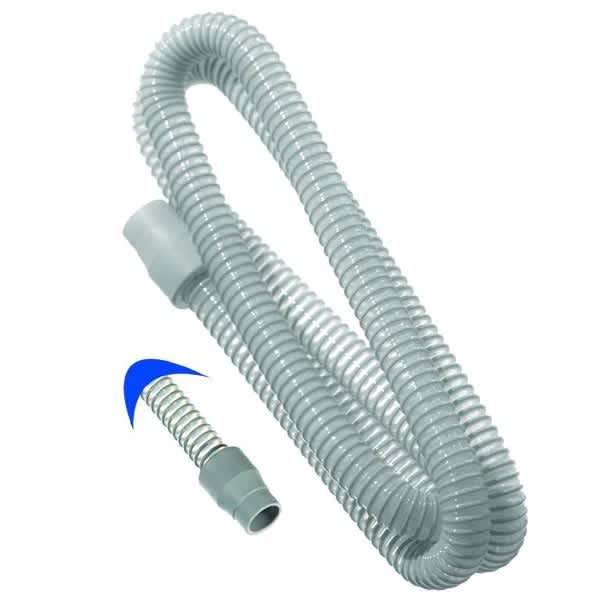
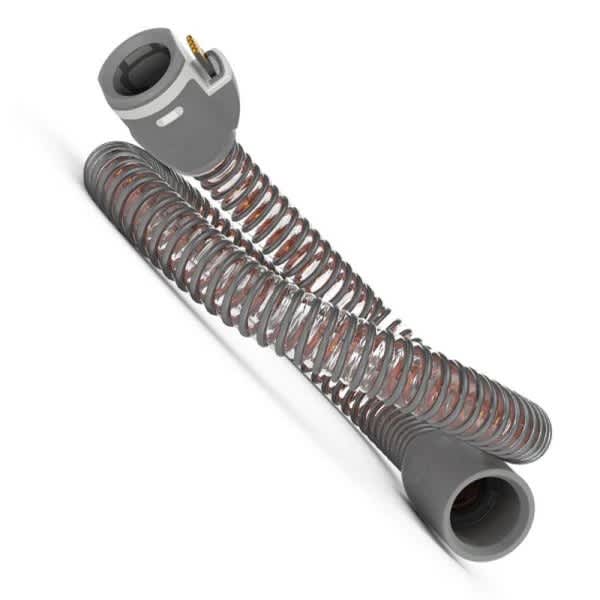
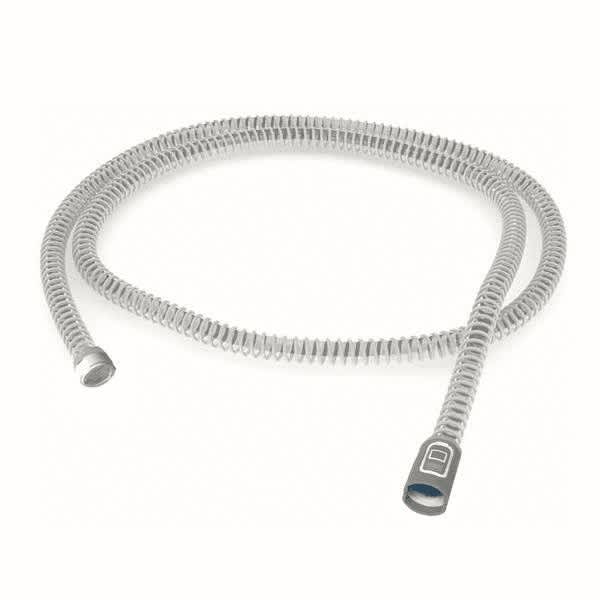
CPAP hoses come in unheated or heated designs. While some CPAP machines are compatible with either type, some models require proprietary tubing that may be unavailable in a heated version.
Types of CPAP Hose Accessories
There are a number of optional accessories available that can help you manage your CPAP tubing.
-
Hose cover: Usually made of cloth or another insulating material, a hose cover keeps the tubing warm to prevent condensation from forming on the inside. Hose covers are especially useful in colder climates, although most people prefer to use heated tubing since it serves the same function.
-
Hose clips and holders: Because CPAP tubing is often quite long, hose clips and holders may be convenient to keep it out of the way and prevent it from getting tangled while you sleep. Quick-release clips to detach the mask from the tubing can also be useful during nighttime bathroom trips.
-
Hose stand: A hose stand extends above the bed or clips onto the headboard, supporting the hose so it doesn’t disturb you. Hose stands can reduce the risk of mask leaks from the tubing pulling on the mask, which may be especially common for side or stomach sleepers.
-
Hose cleaning brush: Hose cleaning brushes feature soft bristles mounted on a long piece of flexible stainless steel, which you insert inside the tubing to clean it more thoroughly.
How to Choose a CPAP Hose
Important factors to consider when buying CPAP tubing include the design, the price and warranty, and whether the model is compatible with your CPAP mask and machine.
One of the keys to getting the right CPAP hose is length. You want a hose that’s long enough to allow you to move without disconnection, but not so long that it gets tangled.
How to Clean Your CPAP Hose
Every day when you wake up, you should disconnect the tubing, check to make sure no moisture has accumulated, and hang it to dry on a towel rack or similar structure. The tubing should be fully dry before you reattach it to the machine. Be sure to disconnect the tubing via the cuff instead of pulling on the tube itself.
Once a week, thoroughly clean the tubing using mild, scent-free soap and warm water, or immerse it in a vinegar and water bath. Swirl the water inside the hose to eliminate any residue, rinse off the soap or vinegar, and hang to dry.
You can also purchase a specialty CPAP tube cleaning brush, which is attached to a flexible wire. This design enables it to reach all the way into the hose and scrub off residue that may be trapped inside.
Some CPAP hoses may have specific cleaning recommendations. Check the user manual for instructions on how to clean your specific tubing.
How to Clean a Heated CPAP Hose
While many heated hoses can be cleaned using the same methods as an unheated model, check the user manual to make sure it’s OK to submerge the end that connects to the machine in water. As with standard tubing, ensure the hose is fully dry before reconnecting it to the machine and mask.
How Often to Clean Your CPAP Hose
You should check your tubing daily for moisture buildup and allow it to dry before using it again. Once a week, thoroughly clean the tubing with mild soap and warm water. It's important to clean the tubing regularly so it doesn’t turn into a breeding ground for mold and bacteria.
It’s incredibly important to keep your CPAP hose clean. You don’t want moisture build up because it can lead to mold and bacteria growth. Give it a thorough cleaning at least once a week.
How to Buy a CPAP Hose
Choosing a CPAP hose involves more than picking the first tubing option that fits your machine. Factors like prescription requirements, insurance coverage, and where you purchase your supplies may influence cost and availability.
Do You Need a Prescription for CPAP Tubing and Other CPAP Supplies?
Standard CPAP tubing and many other CPAP supplies can be purchased without a prescription. By contrast, you need a prescription to purchase a CPAP machine, a complete mask, and some models of heated or proprietary tubing.
Does Health Insurance or Medicare Cover CPAP Tubing?
Insurance coverage for CPAP supplies depends on the plan provider. Major insurers like Medicare typically cover a portion of therapy costs, as long as machine usage data shows that you meet their standards for therapy compliance.
Per Medicare guidelines, both standard and heated tubing may be replaced every 3 months. Replacement schedules for state Medicaid and private insurance plans may vary.
Where Can I Buy a CPAP Hose?
CPAP hoses and replacement supplies can be purchased directly through Sleep Doctor, making it easier to find tubing that’s compatible with your CPAP machine and mask. Sleep Doctor offers a curated selection of CPAP hoses and accessories, along with guidance to help you choose the right option for your therapy needs.
While CPAP hoses are also available through durable medical equipment providers and general online retailers, buying through Sleep Doctor can simplify the process by combining equipment access with expert support. Since most CPAP hoses do not require a prescription and need to be replaced regularly, Sleep Doctor’s delivery and reorder options can help ensure you always have the supplies you need to maintain effective therapy.
Frequently Asked Questions
Are all CPAP hoses the same?
Most CPAP hoses share the same basic design, but they may have subtle differences in the length, diameter, and cuff style. Additionally, some hoses are simply functional air delivery systems, while others offer heating features to help prevent condensation and improve therapy comfort.
Can you use a CPAP hose with any mask?
Not all hoses work with every CPAP mask or machine, so it’s crucial to double-check compatibility before buying new tubing. Hosing is more likely to be compatible if it has a 19-millimeter interior diameter and a 22-millimeter cuff connector.
How often should you replace your CPAP hose?
Replacement schedules for CPAP hoses vary depending on the manufacturer and the type of tubing. While Medicare guidelines allow for replacement every 3 months, some manufacturers and retailers suggest purchasing new tubing once or twice a year.
Always replace your tubing if you notice discoloration, cracks, holes, or other signs of damage. Keeping your gear in top condition can help ensure you don’t experience air leaks.
Who is a heated CPAP hose best for?