On This Page
Obesity Hypoventilation Syndrome

Our editorial process includes extensive measures to verify accuracy, provide clarity on complex topics, and present factual information. Read more
Key Takeaways
- Obesity hypoventilation syndrome (OHS) is a sleep disorder that affects breathing and causes an ongoing imbalance of blood oxygen and carbon dioxide.
- Many people with OHS also have obstructive sleep apnea (OSA).
- OHS is typically treated with CPAP therapy, which stabilizes breathing during sleep and may help reduce the risk of chronic health problems.
What Is Obesity Hypoventilation Syndrome?
Obesity hypoventilation syndrome is a sleep disorder marked by breathing that’s too slow or shallow (hypoventilation). This leads to an accumulation of too much carbon dioxide in the blood and not enough oxygen, especially during sleep. By definition, obesity hypoventilation syndrome only occurs in people with obesity, or a body mass index (BMI) of 30 or more.
OHS used to be called Pickwickian syndrome, after a character in a Charles Dickens novel who exhibited many of the classic OHS symptoms. This term has fallen out of use because it started to be used in a generic and derogatory way to refer to people with obesity. Not everyone with obesity has OHS.
OHS vs. Sleep Apnea
Obesity hypoventilation syndrome shares similarities with obstructive sleep apnea (OSA), but they’re not exactly the same condition. Sleep apnea causes repeated episodes of slowed or stopped breathing during sleep. OSA arises from physical blockages in the throat, while central sleep apnea (CSA) is due to problems with the breathing signals sent from the brain.
Both sleep apnea and obesity hypoventilation syndrome cause sleep disturbance and affect blood oxygen and carbon dioxide levels. Because they both have a similar effect on the body, the set of symptoms is also similar.
The main difference is that people with OHS also have excessively high levels of carbon dioxide in the blood during the day, not just while they’re sleeping. Also, sleep apnea causes fluctuating differences in oxygen and carbon dioxide levels, while these imbalances are more sustained in people with OHS.
It’s possible for someone to have both sleep apnea and obesity hypoventilation syndrome. An estimated 80% to 90% of people with OHS also have OSA, often severe OSA.
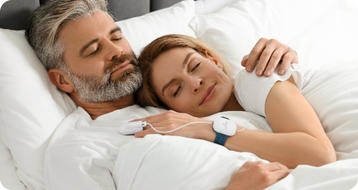
Don’t Just Test Your Sleep. Understand It.
Measure key sleep metrics and review your results with a licensed sleep-care provider. Discuss sleep issues and options to make restless nights a thing of the past.


What Causes Obesity Hypoventilation Syndrome?
Obesity has wide-reaching effects on the body’s respiratory system. Low oxygen and high carbon dioxide levels in OHS seem to occur due to a combination of factors that may differ between individuals.
- Pressure on the chest wall: Excess body weight pushes down on the chest, making the lungs work harder. People with OHS also often have internal obstruction of the airway, the same thing that happens in obstructive sleep apnea.
- Excessive carbon dioxide production: Obesity causes the body to produce more carbon dioxide. Having consistently high levels of carbon dioxide triggers the body to store more bicarbonate to even out the acid-base balance. The extra-high levels of bicarbonate trick the brain into thinking there’s no need to eliminate extra carbon dioxide, so the high carbon dioxide levels persist as the bicarbonate builds up in the kidneys.
- Problems in brain signaling: People with obesity generally have a stronger-than-usual respiratory drive, making them breathe more efficiently to compensate for their higher body weight. But people with OHS don’t have this extra-strong respiratory system. When carbon dioxide levels rise, the brain doesn’t accurately detect that it needs to eliminate it.
- Leptin resistance: People with OHS may have resistance to leptin, a hormone that stimulates breathing.
- Lung mechanics: Obesity can cause problems with the transfer of oxygen and carbon dioxide between the lungs and the blood. Someone with OHS may breathe quickly but shallowly and air might not reach all the way to the bottom of the lungs, allowing carbon dioxide to accumulate.
Risk Factors for OHS
OHS only occurs in people with obesity, and people with severe obesity may be more likely to develop OHS. OHS may be more likely to develop depending on certain factors.
- Severe obstructive sleep apnea: Severe OSA affects breathing and carbon dioxide levels.
- Fat distribution: Carrying more fat around the waist and having weak chest muscles may be additional OHS risk factors.
- Weak lungs: Weakness of the muscles that control the lungs or problems with lung function can make it harder to breathe.
- Central nervous system depressants: Alcohol, anti-anxiety medications, and hypnotics slow down breathing.
- Symptoms during wake: People with high blood carbon dioxide levels and low blood oxygen levels during the day are more likely to have worse symptoms during sleep.
- Sex: Experts previously believed that people assigned male at birth were more likely to develop OHS. It now appears that OHS may be just as common in people assigned female at birth, but it may look different, meaning that it takes these individuals more time to achieve a diagnosis.
OHS does not appear to run in families.
What Are the Symptoms of OHS?
Most OHS symptoms are tied to the effects of obesity or sleep disruption. Common symptoms include:
- Poor sleep with frequent awakenings
- Daytime tiredness
- Sleepiness
- Morning headaches
- Tiring easily
- Mood disturbance
- Memory and concentration issues
- Shortness of breath
- Symptoms of sleep apnea, such as loud snoring, waking up snorting or choking, or memory and concentration problems
Severity of symptoms doesn’t necessarily correlate with severity of OHS. Some people may not notice anything is wrong until they experience a medical emergency, such as stopped breathing or a heart attack.
Alternatively, people may visit the doctor when they experience symptoms of a secondary condition that has arisen from OHS, such as pulmonary hypertension.
How Do Doctors Diagnose Obesity Hypoventilation Syndrome?
To be diagnosed with OHS, a person must have obesity and display daytime hypoventilation, meaning they have excessively high levels of carbon dioxide in the blood. The hypoventilation is worse during sleep, and is not better explained by another reason, such as medication or another medical condition.
Doctors may also look for abnormally low blood oxygen levels, but this isn’t considered necessary to be diagnosed with OHS.
Doctors use a variety of tests to diagnose OHS. Some of these tests directly measure blood oxygen and carbon dioxide levels, while other tests look for secondary effects to determine if symptoms are due to OHS or another disorder.
- Arterial blood gas test: This test measures levels of carbon dioxide and oxygen in the blood. The test is performed by drawing a small sample of blood from your artery. Doctors may also evaluate the level of bicarbonate in your blood.
- Polysomnography: During a sleep study, doctors monitor a number of vital signs including your heart rate and breathing patterns. If you have OHS, the polysomnogram will detect excessively higher levels of carbon dioxide in your blood. The polysomnogram may also display signs of sleep disturbance and show that the lungs are having trouble taking in enough air. Experts recommend using a lab-based sleep test rather than a home sleep apnea test if someone is suspected of having OHS.
- Physical examination: Doctors may look for right-sided heart failure or physical signs of congestive heart failure, such as bloodshot eyes or swelling in the legs and arms.
- Electrocardiography (ECG): This test uses electrodes to measure electrical activity in the heart. Doctors will look for strain or enlargement of the right side of the heart.
- Echocardiogram: A heart ultrasound displays a physical image of the heart. Doctors may use this test to check for ventricular dysfunction.
- Lab testing: Doctors may take samples of your blood to look for elevated red blood cell count.
- Chest X-ray: A chest X-ray looks for signs of pulmonary hypertension (high blood pressure in the arteries that deliver blood to the lungs). Chest X-rays can also help rule out alternative conditions, such as chest wall disease.
- Lung function testing: This test helps rule out other potential medical conditions that could be causing your symptoms, such as lung disease.
If someone has symptoms of OSA and OHS, they’re diagnosed with both disorders.
How Is Obesity Hypoventilation Syndrome Treated?
OHS is generally managed with weight loss and continuous positive airway pressure (CPAP) therapy.
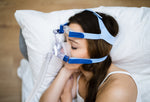
- CPAP therapy: CPAP therapy keeps the airway open by delivering pressurized air through a mask that you wear during sleep. It’s the best choice for people with both OHS and OSA. To find the optimal level of pressurized air, you’ll spend the night in a sleep laboratory while a lab technician adjusts the settings. Experts do not recommend using devices that automatically adjust air pressure settings if you have OHS.
- BiPAP therapy: For people who don’t have OSA or who are uncomfortable using CPAP therapy, doctors may elect bi-level positive airway pressure (BiPAP) therapy, which delivers higher air pressure when breathing in and lower air pressure when breathing out.
- Supplemental oxygen: Some people with OHS may require supplemental oxygen in addition to CPAP. Since supplemental oxygen doesn’t help lower carbon dioxide levels, it isn’t considered an appropriate treatment on its own.
- Weight loss: Along with CPAP therapy, aiming for a healthy body weight can also help improve OHS. Work with your doctor to develop a plan that allows you to lose weight at a safe pace, whether through diet, exercise, bariatric surgery, medication, or a combination.
- Lifestyle changes: Doctors recommend avoiding sedatives like alcohol or certain medications, which can dampen the breathing drive.
- Tracheostomy: In severe cases, doctors may recommend a tracheostomy, which opens up a hole in your neck to allow oxygen to reach your lungs. Most people prefer to avoid this operation if possible, and thanks to the invention of CPAP therapy, it’s much less common than before.
It’s also important to treat other health conditions, especially those that affect breathing, such as hypothyroidism or chronic obstructive pulmonary disease (COPD).
When to Talk to a Doctor
Schedule an appointment with your doctor if you have signs of obesity hypoventilation syndrome or sleep apnea, such as disrupted sleep, daytime tiredness, or feeling short of breath.
Your doctor may recommend getting tested for OHS if you have obesity and severe obstructive sleep apnea or any of the following symptoms:
- Concerning readings of blood oxygen levels
- Shortness of breath with minimal effort
- A puffy face
- Swollen feet
- An enlarged liver
Seek immediate medical assistance if you feel excessively sleepy or confused, if your breathing worsens, or if you notice a blue-gray tint to your skin, lips, or fingernails.
Frequently Asked Questions
Can obesity hypoventilation syndrome cause nocturia?
Frequent nighttime urination (nocturia) isn’t considered a hallmark symptom of OHS. That being said, OHS does cause disrupted sleep. Breathing problems may cause you to wake up, at which point you may find you need to go to the bathroom.
Can obesity hypoventilation syndrome be cured?
Obesity hypoventilation syndrome rarely disappears completely. However, weight loss combined with CPAP or BiPAP therapy often help improve blood levels of carbon dioxide and oxygen.
How serious is obesity hypoventilation syndrome?
Left untreated, OHS tends to get worse and can contribute to a number of serious health conditions, including pulmonary artery hypertension, right-sided heart failure, neurocognitive dysfunction, cardiac arrhythmias, respiratory failure, and heart attacks. Daytime tiredness also raises the risk of car crashes and work accidents.
References

The Sleep Doctor Forum
Real Experiences, Real Connections
Continue the discussion on the Sleep Doctor Forum. Connect with experts and fellow forum members on CPAP, sleep apnea, and all things sleep. A priceless resource that’s free to join.