On This Page
PTSD and Sleep Apnea


Our editorial process includes extensive measures to verify accuracy, provide clarity on complex topics, and present factual information. Read more
Key Takeaways
- People with PTSD are significantly more likely to also have obstructive sleep apnea.
- PTSD and sleep apnea may reinforce each other: Poor sleep from sleep apnea worsens PTSD symptoms, and PTSD’s sleep disruptions aggravate sleep apnea.
- CPAP therapy used to treat sleep apnea symptoms can also improve sleep-related PTSD symptoms.
- Simple lifestyle changes like regular exercise, reducing alcohol, and practicing good sleep hygiene can improve both conditions.
Can PTSD Cause Sleep Apnea?
While studies have found that people who have PTSD are more likely to also have obstructive sleep apnea, this doesn’t necessarily mean that one condition causes the other.
Beyond correlation, however, recent research suggests a bidirectional relationship between the two conditions. This means that the symptoms of PTSD make sleep apnea worse, and vice versa. Some experts suspect that changes in certain areas of the brain may underlie both conditions, and recent genetic research suggests PTSD may have a causal influence on OSA. However, more research is needed before we can say for sure.
It’s also worth noting that there’s significant overlap in the factors that can affect the risk of developing PTSD and sleep apnea. For example, both conditions occur at higher rates in people who have had problems with substance abuse or mental health conditions like mood or anxiety disorders.
PTSD and Sleep Quality
Sleep disturbances are a major problem for many people with PTSD, with nightmares and insomnia being common symptoms of the condition. Other sleep issues, including sleep apnea and fragmented sleep, are also linked to PTSD.
Sleep problems and PTSD can interact to create a vicious cycle. PTSD may make it hard to get good sleep, and in turn, sleep disturbances and sleep loss can heighten anxiety and aggravate PTSD symptoms.
PTSD and REM Sleep
Research has found that people with PTSD are more likely to experience disturbances of rapid eye movement (REM) sleep, which is the stage of sleep when most dreams occur. People with PTSD are more prone to awaken from REM sleep feeling anxious and may spend less time overall in REM sleep. This can lead to reduced sleep quality and worsening of PTSD symptoms.
A sleep disorder called REM sleep behavior disorder (RBD) occurs more frequently in people with PTSD. The symptoms of RBD include physically acting out dreams during REM sleep, which sometimes involves significant or even violent movements of the arms and legs.
Normally, REM sleep is part of the process that helps individuals emotionally process trauma and understand that it no longer poses an immediate threat.The fragmentation of REM sleep experienced by people with PTSD may interfere with the processing of difficult memories, which can fuel a challenging cycle of worsening sleep and PTSD symptoms.
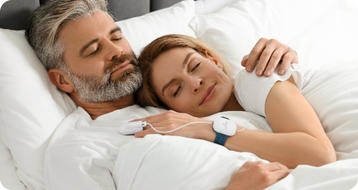
Don’t Just Test Your Sleep. Understand It.
Measure key sleep metrics and review your results with a licensed sleep-care provider. Discuss sleep issues and options to make restless nights a thing of the past.


How Are PTSD and Sleep Apnea Treated?
Both sleep apnea and PTSD are conditions that often get better with treatment. Various treatment options are available, and it may be necessary to try multiple approaches to find what is most effective.
PTSD Treatments
Several kinds of treatment may help address the symptoms of PTSD:
- Therapy: Experts often recommend trauma-focused therapy as an initial treatment for PTSD. Working with a psychologist, social worker, or counselor can help reduce sensitivity to trauma triggers and develop techniques to apply during flashbacks and other challenging situations.
- Medication: Different kinds of prescription drugs may be prescribed to try to address a person’s most bothersome symptoms like mood swings and nightmares.
- Emotional support: Many people with PTSD benefit from support groups and other opportunities to to speak with people who’ve experienced similar challenges. Self-help may be available through mobile apps and other tools that can be suggested by a therapist.
Sleep Apnea Treatment
Treating sleep disturbances, including sleep apnea, can improve symptoms associated with PTSD. Several common treatments for OSA may be prescribed following a diagnosis from an in-lab or at-home sleep study.
- Positive airway pressure therapy: Most people with OSA experience a reduction in their symptoms with positive airway pressure (PAP) therapy, such as with a CPAP or APAP machine. These devices help prevent breathing disruptions during sleep. People who have both PTSD and OSA often have fewer nightmares and other PTSD symptoms when they consistently use a PAP machine.
- Oral appliances: Oral appliances for sleep apnea are mouthguard-like devices worn during sleep that help keep the airway open either by gently moving the jaw forward or by holding the tongue in place.
- Surgery: In some cases, surgery to modify the anatomy around the upper airway may be a treatment for OSA. Another type of operation can implant a nerve stimulation device that activates specific muscles during sleep to help maintain steady breathing.
Lifestyle Changes for Sleep Apnea and PTSD
Beyond medical intervention, there are a number of simple lifestyle changes that can improve symptoms of sleep apnea and PTSD. There’s significant overlap between these changes, so even one small lifestyle adjustment could improve symptoms of both conditions.
Lifestyle Changes to Improve Sleep Apnea
- Reduce or stop drinking alcohol
- Increase or begin aerobic exercise
- Practice good sleep hygiene
- Maintain healthy weight and balanced diet
- Quit smoking
- Talk to your doctor about medications that may worsen sleep apnea
- Improve your sleep posture and switch to sleeping on your side
Lifestyle Changes to Improve PTSD
- Reduce or stop drinking alcohol
- Avoid drugs
- Increase or begin aerobic exercise
- Practice good sleep hygiene
- Talk to others for support
- Spend time with trusted friends and family
- Maintain regular routines for meals and sleep.
- Use relaxation methods including meditation, yoga, breathing exercises, calming music, prayer, or time outdoors in nature
When to Talk to Your Doctor
Both PTSD and OSA can be improved with treatment, which can help keep the conditions from worsening or leading to other complications. For this reason, it’s important to talk with your doctor if you have symptoms that could be related to PTSD or sleep apnea.
Some of the most common symptoms of PTSD include:
- Unwanted memories of a trauma
- Frequent nightmares or other sleep problems
- Avoidance of thoughts, activities, or people that are reminders of a traumatic event
- Depression, irritability, aggressive behavior, or other mood changes
- Nervousness or constantly feeling on alert
Potential symptoms of OSA that should be discussed with a health care provider include:
- Loud, chronic snoring
- Gasping or choking during sleep
- Excessive daytime sleepiness
- Trouble staying asleep
- Morning headaches
It may be helpful to begin the conversation by talking to your primary care provider who can review your symptoms and, if necessary, refer you to a psychologist, counselor, social worker, or sleep specialist for further evaluation.
References

The Sleep Doctor Forum
Real Experiences, Real Connections
Continue the discussion on the Sleep Doctor Forum. Connect with experts and fellow forum members on CPAP, sleep apnea, and all things sleep. A priceless resource that’s free to join.