On This Page
Sleep Apnea in Children


Our editorial process includes extensive measures to verify accuracy, provide clarity on complex topics, and present factual information. Read more
Key Takeaways
- While sleep apnea is rare in children, about 2% to 5% of children have obstructive sleep apnea.
- Sleep apnea symptoms in children include loud snoring, gasping for air, daytime sleepiness, trouble focusing, and sometimes bed wetting.
- Pediatric sleep apnea is most often associated with enlarged tonsils and adenoids or obesity.
- The most common treatment options for childhood sleep apnea include surgery to remove tonsils and adenoids, watchful waiting, and PAP therapy.
Can Children Have Sleep Apnea?
It’s true that sleep apnea is seen most often in older adults, but it’s possible for children to have sleep apnea. In fact, an estimated 2% to 5% of children have obstructive sleep apnea (OSA). Symptoms are similar between adults and children, but while adults are more likely to experience sleepiness during the day, children are more likely to experience behavior issues.
Obstructive Sleep Apnea in Children
Obstructive sleep apnea is characterized by pauses and reductions in breathing during sleep due to a blocked airway. The main risk factors for OSA in children include enlarged tonsils and adenoids and obesity. These either shrink or put pressure on the airway, making it more difficult for children to breathe while they’re sleeping.
OSA is the most common type of sleep apnea, both in children and adults.
Central Sleep Apnea in Children
Central sleep apnea also involves pauses and reductions in breathing during sleep. In contrast to OSA, lapses in breathing associated with CSA are caused by the brain not properly signaling the lungs to breathe rather than by airway obstructions. CSA in children is rare and most commonly seen in newborns or associated with other health conditions
Symptoms of Sleep Apnea in Children
Children with obstructive sleep apnea may display a variety of symptoms, including:
- Snoring
- Pauses in breathing or gasping while asleep
- Sleeping in unusual positions
- Daytime sleepiness
- Hyperactivity
- Behavior problems
- Reduced school performance
- Mood changes and irritability
- Night sweats
- Morning headaches
- Daytime mouth breathing
- Wetting the bed
- Difficulty swallowing while awake
Central sleep apnea occurs less commonly in children and is usually associated with an underlying health condition. When an infant experiences CSA, others may see them stop breathing for 20 or more seconds at a time while asleep. Often, children with CSA also have OSA, and their symptoms may be more severe than those who have OSA alone.
Causes of Sleep Apnea in Children
Multiple factors may increase a child’s risk of developing OSA.
- Enlarged tonsils and adenoids: The size and placement of a child’s tonsils and adenoids, which are groups of tissue in the throat, can impact their risk of OSA. Larger tonsils can block the airway because of their size, while smaller tonsils can, too, depending on their placement.
- Obesity: Like adults, children who have obesity face an increased risk of OSA. Studies show that obesity and OSA are closely linked in adolescents especially.
- Health conditions: The presence of certain disorders that affect airway size or the ability to control the airway increase a child’s likelihood of developing OSA. For example, experts recommend checking children with cerebral palsy, Down syndrome, muscular dystrophy, and other disorders for signs of OSA.
- Orthodontic issues: Certain problems with a child’s teeth or bite may make developing OSA more likely. For example, if a child has a crossbite or if the roof of their mouth is high and narrow, airway obstructions could be more likely.
- Family history: Children face an increased risk of developing OSA if family members have OSA. Experts suggest this increase could be due to genetics affecting the body’s shape, as well as the way a person breathes.
- Smoke exposure: Being exposed to tobacco smoke from cigarettes, cigars, or tobacco pipes is linked to the development of both OSA and snoring.
Central sleep apnea in children has not been studied as widely as OSA, making it more difficult to identify risk factors. That said, limited research suggests CSA occurs more commonly in younger children and in children who have moderate or severe OSA.
In infants, CSA is associated with acid reflux, undergoing anesthesia, and viral infections. CSA occurs more often in infants born prematurely, but it resolves in nearly all of these cases within weeks after reaching the projected due date.
Diagnosing Sleep Apnea in Children
Only a doctor can diagnose sleep apnea in children. If you’ve noticed your child snoring loudly, gasping in their sleep, or experiencing behavior issues or sleepiness during the day, it’s a good idea to schedule an appointment with their pediatrician for an evaluation.
Symptom Review and Medical Exam
When doctors suspect obstructive sleep apnea in a child at a routine appointment, they may ask caregivers if the child snores. If the doctor learns that a child snores three or more nights each week, snores loudly, or experiences breathing pauses during sleep, the doctor will likely order an evaluation for OSA.
Doctors may also recommend OSA testing for children who experience hyperactivity, tiredness, learning difficulties, or problems with behavior.
When a doctor evaluates a child for OSA, they generally ask questions about the child’s sleep history and conduct a physical examination that involves looking at the nose, mouth, and throat. Some rely on the Mallampati score assessment, a method for measuring the space in a person’s airway, as a first step in determining your child’s risk for OSA.
Your doctor may also refer your child to a sleep specialist or ear, nose, and throat specialist for further evaluation.
Sleep Study
Children suspected of having either type of sleep apnea are often asked to undergo a sleep study, also called polysomnography. The sleep study occurs overnight, in a sleep lab or hospital. Through a sleep study, healthcare providers can monitor how often a child stops or slows their breathing during sleep to determine if they have OSA.
Sleep studies also often monitor and record brain activity, heart rate, and blood oxygen levels. To gather these measurements, a sleep technician places sensors on the child’s eyelids, face, chest, arms, legs, finger, and scalp before they go to sleep.
Other Tests
When a child is thought to have CSA, doctors may also recommend other tests that aren’t commonly used for OSA. For example, they may order genetic testing to look for certain genetic mutations or order a scan of the head and neck to look for potential issues with the brain and brainstem.
Sleep Apnea Diagnosis
Once testing is complete, the doctor studies the test results. The primary measurement used to analyze the results is called the apnea-hypopnea index (AHI), which is the average number of breathing disturbances per hour. Sleep apnea diagnosis depends on AHI, symptoms, and other health conditions, though the AHI threshold for diagnosis in children is lower than it is in adults.
| OSA Severity | AHI in Children |
|
Mild OSA |
1 to 4.9 |
|
Moderate OSA |
5 to 9.9 |
|
Severe OSA |
10 or greater |
Children's Sleep Apnea Treatment
When a doctor diagnoses a child with a type of sleep apnea, there are several treatments they may consider.
Surgery for Sleep Apnea in Children
Children with OSA may have their tonsils and adenoids removed in a procedure called an adenotonsillectomy. To determine if a child is a good candidate, doctors look at the size of the tonsils and adenoids, the child’s age, their symptoms, and the presence of any other health issues.
Surgery helps by reducing or eliminating airway blockages caused by the oversized tonsils and adenoids, and it’s particularly helpful for children with obesity or severe OSA symptoms.
In studies of children who have both OSA and CSA, removal of the tonsils and adenoids has been found to usually improve or eliminate CSA symptoms as well. If a child has CSA and an underlying brain or brainstem disorder, their CSA symptoms may be improved by surgery aimed at correcting the underlying disorder.
Sometimes children with OSA have abnormalities in the face or skull that may result in airway blockages that cannot be explained by tonsils and adenoids alone. In these instances, other surgeries might be required, such as surgery to reduce tongue size or to remove tissue from other parts of the mouth or throat.
Watchful Waiting
Doctors don’t always immediately recommend surgery or other treatment for children with OSA. Instead, they may suggest “watchful waiting” for children who have OSA that’s categorized as mild or moderate. Watchful waiting involves holding off on treatment for up to six months before reevaluating the child. Watchful waiting isn’t recommended for children with severe OSA.
While practicing watchful waiting, alternative methods might be tried. For example, a child may be referred to other types of specialists to treat other disorders, like asthma or allergies. Caregivers may also receive education about healthy sleep habits. In some cases, a doctor may suggest that a child try a saline spray for nasal dryness.
PAP Therapy
When a caregiver doesn’t want a child with OSA to undergo surgery or the child doesn’t have oversized tonsils and adenoids, doctors may recommend positive airway pressure (PAP) therapy. PAP therapy may also be recommended for some children with CSA.
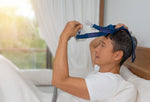
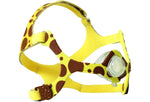
PAP therapy involves sleeping while connected to a PAP device, such as a continuous positive airway pressure (CPAP) machine or a bilevel positive airway pressure machine (BiPAP). These PAP machines release gentle, continuous air into a mask that covers a person’s nose or both their mouth and nose to keep their airway open as they sleep.
Although it may be challenging for children to regularly use a PAP machine each night, it’s been shown that using a CPAP machine for just three hours a night can improve children’s OSA symptoms. In fact, after only three months of regular CPAP use, researchers noticed improvements in children’s attention, behavior, and daytime sleepiness.
Orthodontics
Preteen children with OSA who have a narrow palate may be candidates for an orthodontic treatment called rapid maxillary expansion (RME). RME involves expanding both the palate and the nasal passages to increase airway space. Only orthodontists who are experienced in treating children with sleep-related breathing disorders should oversee RME treatment.
Oral Appliances
Sometimes oral appliances are used to treat OSA by moving the tongue or jaw forward, which can help open the airway. Oral appliances as OSA treatments haven’t been widely studied in children, but they may be considered if other treatments fail. Finding a dentist with experience using oral appliances in children could be difficult in some areas.
Medication
When a child’s OSA seems to stem from allergies or oversized adenoids, two to four weeks of corticosteroid or anti-inflammatory drugs may be tried. This trial period can help doctors determine if the medication might be a viable long-term treatment for the child, or if it could be used alongside other treatments, like surgery or PAP therapy.
In children who have CSA that isn’t due to an underlying medical issue, certain medications may be prescribed to help increase breathing during sleep. In premature infants with CSA, caffeine may be used as a medication. However, caffeine therapy isn’t usually recommended once the infant has passed what would have been their due date.
Other Treatments
Doctors may provide a referral to a nutritionist or weight reduction program to help with weight loss in cases where a child’s OSA is associated with weight gain. For those with severe obesity, doctors may recommend surgery.
If a child with OSA is exposed to allergens or tobacco smoke in their environment, they may benefit from avoiding potentially irritants. These pollutants can lead to nasal congestion that contributes to a narrowed airway.
Doctors may also recommend children try positional therapy, which involves not sleeping on one’s back in order to try and reduce OSA symptoms. Tools, like specially made pillows and belts, can help keep children from rolling onto their backs while asleep. Positional therapy may help because OSA symptoms are generally worse during back sleeping.
Health Risks of Untreated Pediatric Sleep Apnea
When children with OSA aren’t treated for the disorder, they face multiple health risks. For example, severe OSA can interfere with a child’s ability to grow and reach developmental milestones.
Children who live with untreated sleep apnea may display behavioral issues, such as aggression, hyperactivity, inattention, rebelliousness, and lack of impulse control. Daytime tiredness is also common.
Untreated OSA in children can also lead to heart-related problems. For example, children may develop high blood pressure and certain kinds of heart failure.
Tips for Parents and Caregivers
If you suspect your child may have sleep apnea, a good first step is to start tracking their symptoms.
- Observe your child while they’re sleeping for a few nights and make note of any loud snoring, gasping, or pauses in breathing.
- Make note of any changes in behavior that could be associated with interrupted sleep, like emotional volatility or irritability.
- Ask your child if they have experienced other symptoms, like headaches or trouble concentrating at school.
- Talk to your child’s teacher to see if they have noticed any daytime symptoms like hyperactivity or lack of focus.
If your child has already been diagnosed with sleep apnea, there are several steps you can take to help them.
- Talk to your child’s doctor or specialist about treatment options and weigh the risks and benefits of each.
- If your doctor recommends surgery to remove your child’s tonsils and/or adenoids, spend plenty of time reassuring your child that this is a safe procedure that will help them.
- If PAP therapy is recommended, you can start small by having your child try the therapy during the day and then at night for short stints until they get used to it.
- If your doctor recommends a watchful waiting approach, you can focus on removing allergy and/or asthma triggers and helping your child develop healthy sleep habits.
When to Talk to a Doctor
Contact your child’s doctor if you suspect your child has difficulty breathing during sleep or displays other symptoms of sleep apnea. Children living with sleep apnea may exhibit a variety of symptoms. For example, they may snore or gasp during sleep, experience daytime tiredness, act hyperactive, wake often to use the bathroom at night, or have morning headaches.
Before you take your child to the doctor, it’s a good idea to make a list of their symptoms and how often you notice them, including daytime symptoms like behavior challenges or trouble concentrating in school. Your child’s doctor will want to know about symptoms that are present both during sleep and during the day.
You may also want to develop a list of questions ahead of time. These might include the following.
- Do you have experience diagnosing and/or treating pediatric sleep apnea? If not, is there a specialist you can refer us to?
- What kinds of tests will you perform?
- What treatment options are there?
- What risks are associated with various treatment options?
- Is it possible my child could outgrow their sleep apnea?
Frequently Asked Questions
Does sleep apnea cause bed wetting in children?
Sleep apnea can cause bed wetting in children. Because sleep apnea impacts sleep quality, children may be overtired and not wake up when they feel they need to go to the bathroom.
While not all bed wetting is caused by sleep apnea, it’s another symptom to look out for, especially if you also notice loud snoring or daytime sleepiness.
Can natural treatments help sleep apnea in children?
Parents and caregivers should take their children to see a doctor if they suspect sleep apnea rather than attempt natural treatments at home. Children have sleep apnea for different reasons and must undergo a medical evaluation to determine the best treatment for their situation.
Although treatments like weight loss, removing environmental pollutants, or changing a child’s sleep position may help, children with OSA commonly require surgery or another treatment like PAP therapy.
Does a child prescribed a CPAP need to use it when they nap?
Children prescribed CPAP therapy should use the CPAP machine every night and also when they take naps, unless their doctor or sleep specialist suggests otherwise.
Why do children with obstructive sleep apnea often mouth breathe?
Many children with obstructive sleep apnea have enlarged tonsils or adenoids. For this reason, some children with OSA breathe through their mouths even when they are awake.
Can infants develop obstructive sleep apnea?
Yes, infants can develop obstructive sleep apnea. Researchers estimate premature infants have four times the risk of developing OSA compared to infants that are not born prematurely.
References

The Sleep Doctor Forum
Real Experiences, Real Connections
Continue the discussion on the Sleep Doctor Forum. Connect with experts and fellow forum members on CPAP, sleep apnea, and all things sleep. A priceless resource that’s free to join.