How We Test Pillows
To test CPAP pillows, we use a combination of in-person trials and analysis of verified reviews. In our sleep lab, we personally examine loft, firmness, shape, moldability, and durability among other factors.
CPAP machine compatibility is one of the most important factors to consider. To determine whether a pillow will work well with a machine, we consider design features and shape, both of which affect mask and tubing integration. Side, back, and stomach sleepers with a range of body weights try every pillow model and score its support and comfort.
What Is a CPAP Pillow?
A CPAP pillow is a sleeping pillow designed in a way that may make using CPAP therapy more comfortable and secure. These pillows have special features to accommodate CPAP gear and reduce pressure points on the face and head. A well-constructed CPAP pillow may help prevent air leaks by stabilizing a user’s CPAP mask and hose.
Like standard pillows, CPAP pillows come in a huge range of shapes and fill options. Choose one that’s supportive enough for your body weight and sleeping position so that you can get strong spinal support.
How to Pick the Right CPAP Pillow for You
Your mask style and sleep position are top factors when choosing a CPAP pillow. Shoppers should consider how a pillow’s loft and firmness might accommodate their sleep style and CPAP equipment. Hot sleepers will want to note a pillow’s materials and temperature control, while budget-shoppers may need to prioritize value.
As with most purchases, always factor in your preferences and needs when choosing a CPAP pillow model.
Sleep Position
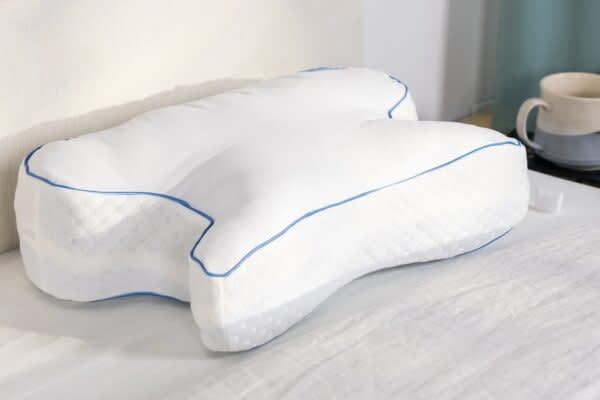
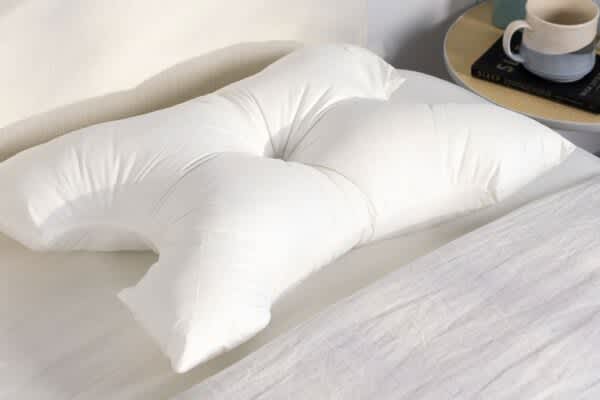
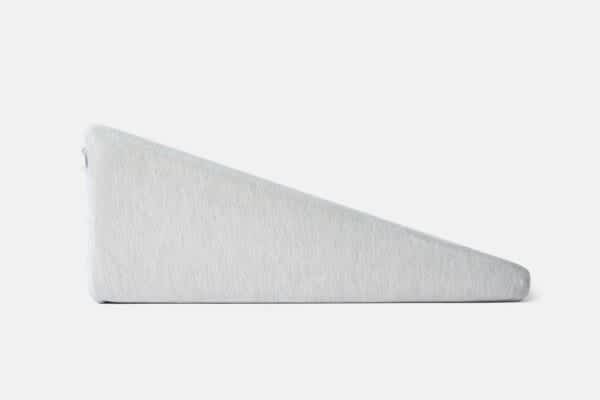
Each sleep position has unique support and comfort needs during CPAP therapy. Side sleepers benefit from a pillow with side cut-outs that provide enough room for a mask. Stomach sleepers should look for a pillow with a recessed center to minimize facial pressure. Wedge or cervical pillows help promote spinal alignment for back sleepers.
Loft
Loft, or a pillow’s height, is crucial to promoting neck support. A suitable thickness is also needed to reduce pressure points from masks. Side sleepers require a thicker pillow to keep the head, shoulders, and spine even.
Pillows with recessed centers give stomach sleepers more space for their masks. A low to medium loft prevents back sleeper’s heads from elevating too much.
Type of CPAP Mask
Some mask styles are bulky and require more clearance from a pillow. Full-face masks are the largest, so generous pillow cut-outs may be preferred to minimize interference. Shallow grooves are usually enough to accommodate smaller nasal pillows and nasal masks. It’s important to find a pillow that works around your mask in order to prevent air leaks.
Before you buy a CPAP pillow, check to see if it will work with the type of mask and tubing you already use. Certain styles may get in the way of your tubing and cause it to tangle or disconnect.
Price
CPAP pillows are often more expensive than your typical pillow since they have special design features and sturdier materials. Shoppers can expect to pay between $50 and $150 for a quality CPAP pillow. Most insurance providers don’t cover the cost of CPAP pillows since they are considered non-essential accessories.
Support and Feel
A pillow’s support and feel is related to its firmness and height. Some pillows allow the head to sink in more, while firm pillows may hardly compress.
Sleep position and comfort preferences determine the support you need from a pillow. Side sleepers tend to require thicker and firmer pillows than back and stomach sleepers do.
Temperature Neutrality
Some people tend to sleep hot, and CPAP gear can magnify heat retention. Hot sleepers should look for materials like down alternative, gel infusions, and perforated foams. Covers made from breathable materials like cotton can help wick away heat and moisture.
How to Buy a CPAP Pillow
Buying a CPAP pillow is generally simpler than purchasing other CPAP equipment, but there are still a few important factors to consider. Understanding these details ahead of time can help you choose a CPAP pillow that fits your sleep style, works with your mask, and supports more comfortable therapy.
Do You Need a Prescription for a CPAP Pillow?
Unlike CPAP machines, CPAP pillows are considered non-essential equipment and do not require a prescription. Shoppers can purchase CPAP pillows from bedding retailers and medical equipment suppliers.
Does Insurance Cover CPAP Pillows?
CPAP pillows are classified as elective accessories, so Medicare and insurance companies usually don’t cover their cost. However, some providers might cover a percentage of certain CPAP accessories, so check with yours before making a purchase.
If your provider does provide partial coverage, you’ll probably have to purchase the pillow upfront, then submit a claim for reimbursement. If they don't cover anything, you may still be able to use your flexible spending account (FSA) or health savings account (HSA).
Where Can You Buy a CPAP Pillow?
CPAP pillows can be purchased directly through Sleep Doctor, making it easy to find pillows designed to work with CPAP masks and tubing. Because CPAP pillows don't require a prescription, Sleep Doctor offers a convenient way to shop for CPAP-friendly pillows alongside other therapy accessories.
CPAP pillows are also available through CPAP specialty stores, medical equipment suppliers, and general sleep retailers. Some shoppers prefer brick-and-mortar stores to feel the pillow in person or test compatibility with their mask, while online retailers like Sleep Doctor typically offer a wider selection and competitive pricing due to lower overhead.
Frequently Asked Questions
What is the best sleeping position for CPAP therapy?
Sleep position is shown to impact the severity of obstructive sleep apnea (OSA). Studies show that the upper airways are less obstructed when sleeping on your side, especially if the upper body is elevated.
Sleeping on your back is usually the least recommended position, since the throat’s soft tissues are more likely to block the airways in this position. Compared to back sleeping, people with OSA and central sleep apnea (CSA) have fewer breathing lapses when sleeping on their sides.
What is the best CPAP pillow for side sleepers?
Side sleepers need a pillow with curves or indents on both sides to make space for a mask and hose. These designs help stabilize masks while preventing them from pushing into your face. Many models also have a recessed area to contour to the neck and shoulders.
References
- https://pubmed.ncbi.nlm.nih.gov/9001312/
- https://pubmed.ncbi.nlm.nih.gov/23669094/
- https://pubmed.ncbi.nlm.nih.gov/26467056/