Facial hair can make it harder for a CPAP mask to maintain a secure seal, which is why choosing the right design is especially important. Masks that minimize contact with the upper lip or use flexible cushioning often perform better for people with beards or mustaches.
Below, we’ll discuss our picks for the best CPAP masks for beards, then give tips on how to select a mask and how to get a good fit.
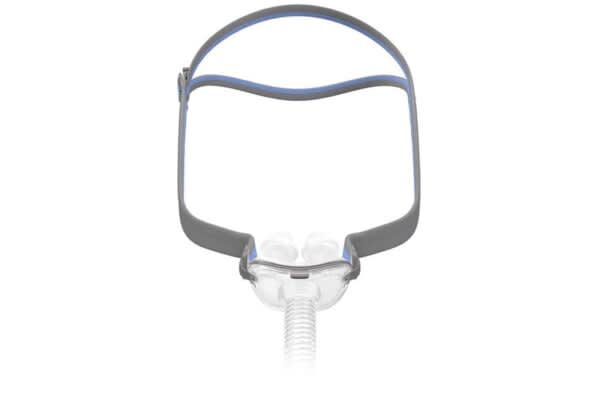
The ResMed AirFit P10 Nasal Pillow CPAP Mask is one of lightest and quietest CPAP masks on the market.
Price$105
SizesStandard: Small, Medium, Large; For Her: Extra Small, Small, Medium
Mask TypeNasal Pillow
Pros
Minimal contact points create a secure seal for people with beards
QuietAir vent technology makes this a great choice for light sleepers
Light and flexible headgear
Cons
May not work for people who breathe through their mouth
Some people find the direct airflow of nasal pillow masks uncomfortable
The minimal footprint of the ResMed AirFit P10 is a nasal pillow CPAP mask that's ideal for people with a beard or any other style of facial hair. This mask sits under the nose, with nasal pillows that rest just inside the nostrils out of the way of facial hair, and the simple design makes it easy to take apart and clean.
It comes with three nasal pillow sizes (small, medium, and large sizes) to make sure you find your perfect fit and lightweight, flexible headgear. This mask also uses ResMed’s QuietAir vent technology that helps muffle the sound of exhaled air.
The Philips Respironics DreamWear Nasal CPAP Mask features a lightweight silicone frame and a cushion that cradles the bottom of the nose and creates a good seal.
Price$84
SizesSmall, Medium, Large
Mask TypeNasal
Pros
Lightweight design
Head-mounted hose connection with 360-degree swivel
Comes in small, medium, and large sizes
Cons
Not the best choice for people who breathe through their mouth
Some people may not like the feel of the silicone frame
The lightweight, low-profile design of the Philips Respironics DreamWear Nasal CPAP Mask is ideal for sleepers who have a beard or other facial hair. The design creates a clear line of sight, making the mask a good fit for people who like to read or watch TV before falling asleep.
This mask uses a silicone frame that’s light and flexible, with a nasal cradle that sits under the nose and seals around the nostrils. It also includes a hollow frame design that allows air to travel through the frame to your mask. A top-of-head hose connection with full swivel rotation makes this one of the least intrusive masks on the market.
Side sleepers often struggle to find a mask that can stay in place, and a beard can further compromise the mask seal. The ResMed AirFit N30 offers an elegant solution.
Price$105
SizesSmall, Small-Wide, Medium
Mask TypeNasal
Pros
Low-profile design is ideal for side sleepers
Adjustable headgear helps customize the fit
Three size options: small, small-wide, and medium
Cons
People who breathe through their mouth may need a chin strap to prevent air leaks
Front-facing hose connection may be uncomfortable for stomach sleepers
The narrow, low-contact nasal cradle design of the ResMed AirFit N30 Nasal CPAP Mask sits snugly under the nose and creates a strong seal, allowing you to sleep comfortably on your side without worrying about how your beard might impact your CPAP therapy. The headgear is adjustable and you can choose between small, small-wide, and medium mask cushions to achieve a personalized fit.
Disclaimer: In November 2023, ResMed issued a safety notice cautioning that the magnetic clips on this model and other ResMed masks should be kept at least 6 inches away from any implanted medical device that may be affected by magnets, including pacemakers and insulin pumps. The company also warns that other metallic implants such as valves, stents, and certain dental implants may be impacted by the magnetic clips.
How We Make Our Picks
When we decide on which CPAP masks are best for beards, we consider machine compatibility, brand reputation, and verified user reviews. We look specifically at CPAP users with beards, checking to see how the models they’ve chosen work with their facial hair and sleeping position.
Our team of experts includes Michael Breus, PhD, a.k.a. The Sleep Doctor, as well as other medical professionals and product experts who regularly study peer-reviewed papers, recalls, and product changes to provide our readers with the most current information available.
Best CPAP Mask Types for Beards
In general, the most effective CPAP mask types for beards are those that make the least amount of contact with the face. While nasal pillow masks feature the lowest profile of any CPAP mask style, nasal masks that seal around the nostrils also have minimal facial contact.
Nasal Mask
Nasal CPAP masks are designed to seal around the nose, making them generally suitable for individuals with beards. The mask’s top usually crosses the bridge of the nose and the sides seal to the skin, although some models sit just beneath the nose.
People who tend to breathe through their mouth during sleep may want to consider pairing their nasal mask with a CPAP chin strap. This accessory helps keep the mouth closed, promoting nasal breathing and minimizing air leaks.
Who It's Best For:
People who breathe through their nose
Side and back sleepers
Those who find full-face masks obtrusive
Drawbacks:
Stomach sleepers may find the design too bulky
May not work for people with congestion, allergies, or other nasal issues
Nasal Pillow Mask
Nasal pillow masks are the most compact CPAP mask option, featuring two soft inserts that seal just inside the nostrils. This minimalist mask style suits active sleepers and those with facial hair, including beards.
This mask type provides an open feel and is less likely to dislodge due to its minimal contact points. However, like nasal masks, nasal pillow masks work best for sleepers who breathe primarily through their nose.
Who It's Best For:
Active sleepers
People with thick beards
CPAP users prone to feelings of claustrophobia
Drawbacks:
Some people find the nasal inserts irritating
May be uncomfortable at higher pressure settings
Can You Wear a Full-Face CPAP Mask With a Beard?
Full-face CPAP masks are often recommended for people who breathe through their mouth during sleep. However, they create more facial contact than other styles, which can make it more challenging to get an effective seal if you have a beard.
Strategies for mitigating mask leaks with a full-face mask include trimming your beard or using a beard conditioner. While CPAP chin straps are typically intended for nasal mask users, wearing a chin strap with your full-face mask may help keep the mask secured against your beard.
Finding the right CPAP mask can be tricky for people with beards, especially those who breathe through their mouths. A chin strap is a low-maintenance tool that can help you switch to nasal breathing. That way you can use a nasal mask or pillow instead of a full-face mask that interferes with your beard.
How to Choose a CPAP Mask if You Have a Beard
Beards can disrupt proper sealing, so select a mask that caters to your facial structure and beard length. It’s also important to match your mask style to your favored sleep position. While price is likely to influence your choice, your comfort and individual needs should guide your final decision.
Size & fit
A well-fitting mask prevents air leaks and pressure loss. Longer beards might require larger masks to accommodate their volume, making size selection even more essential.
Sleeping position
Sleep position influences mask comfort and beard contact. Back sleeping is compatible with any mask style. Side sleepers often find full-face masks too bulky and prefer lower-profile nasal masks or nasal pillow masks. Stomach sleepers generally require the minimalist designs of nasal pillow masks.
Cleaning and care
Regular cleaning and care of your CPAP mask is crucial for effective therapy, especially if you have a beard. Beard hair can introduce oils and debris, impacting mask hygiene. Look for models that are easy to disassemble for cleaning with soap and water.
Compatibility
Compatibility between your CPAP machine and mask is essential. The majority of CPAP masks and machines are universally compatible, but there are some exceptions. Double-check that the mask will work with your machine before making a purchase.
Tips for Using a CPAP Mask With Facial Hair
While beards can make obtaining a proper mask seal more difficult, certain accessories may help considerably.
Use a mask liner: Opt for a soft fabric mask liner that fits snugly between your beard and the mask cushion. This creates a barrier that can improve comfort for larger mask styles while potentially reducing air leaks caused by beard hair.
Keep facial hair clean and well-groomed: Oils, sweat, and uneven hair can interfere with the mask’s seal, so washing your face before bed can help reduce leaks.
Condition your beard: Softened and well-groomed facial hair creates a smoother surface, enhancing the mask’s seal and minimizing leaks.
Adjust your headgear carefully: Tightening the mask too much can cause discomfort or worsen leaks. Aim for a snug but comfortable fit.
If you aren’t sure what size mask to get, consider buying a fit pack. These usually come with multiple cushion sizes so you can see what gives you the best leak-free fit with your beard.
Frequently Asked Questions
What is the best type of CPAP mask for beards?
Nasal pillow masks have the smallest facial footprint, reducing the risk of facial hair interference and air leaks. Nasal masks also have a low-profile design, so most of the seal is above your beard. While full-face masks are necessary for some CPAP users, they create the most contact with your beard and can be more difficult to seal over a full beard.
Can facial hair cause leaks in a CPAP mask?
Facial hair can compromise the seal of a mask by creating gaps that allow air to escape, potentially reducing the effectiveness of CPAP therapy. Choosing the right mask and accessories for your sleeping position, CPAP pressure setting, and amount of facial hair can help mitigate this issue.
Can a CPAP mask seal with a beard?
A CPAP mask can seal with a beard, but you may need to be mindful of the style of mask you choose and how you maintain your beard. Choose a mask with minimal facial contact to reduce the amount of surface area in contact with your beard. Keeping your beard shorter and conditioned may also be helpful.
Alison is a health writer with ample experience reading and interpreting academic, peer-reviewed research. Based in San Diego, she is published in the journal PLOS Genetics and the Journal of Biological Chemistry and has been a copywriter for SmartBug media. With a master’s degree in biochemistry from the University of California, Davis, she has nearly a decade of academic research experience in life sciences. She enjoys helping people cut through the noise to understand the bigger picture about sleep and health. Alison likes to stay active with rock climbing, hiking, and walking her dog.