On This Page
Best CPAP Machines of 2026
Our Top Picks
-
Best Overall
ResMed AirSense 11 AutoSet -
Best for New CPAP Users
ResMed AirSense 10 AutoSet -
Best Value
Luna G3 Auto-CPAP -
Best Travel CPAP Machine
ResMed AirMini AutoSet
Best Overall
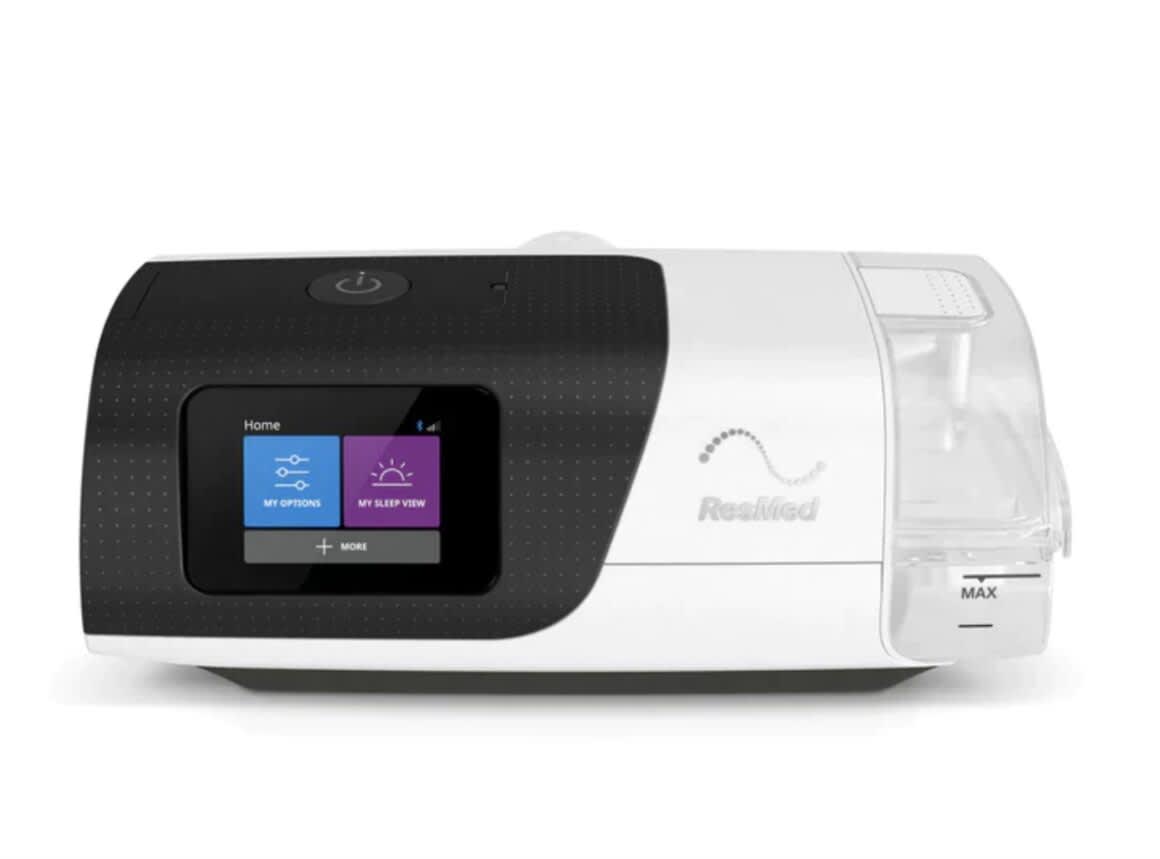
The best CPAP machine for any given sleeper largely depends on factors like severity of OSA symptoms, pressure needs, and personal preferences. That said, the AutoSense 11 from ResMed should check a lot of boxes for the majority of today’s CPAP users.
Pros & Cons
Pros
- AutoSet mode automatically adjusts pressure levels based on your breathing patterns
- Built-in humidifier can help improve therapy comfort
- Compatible with ClimateLineAir heated tubing
Cons
- More expensive than basic fixed-pressure CPAP devices
- Slightly noisier than some competing models
Full Details
Best for New CPAP Users
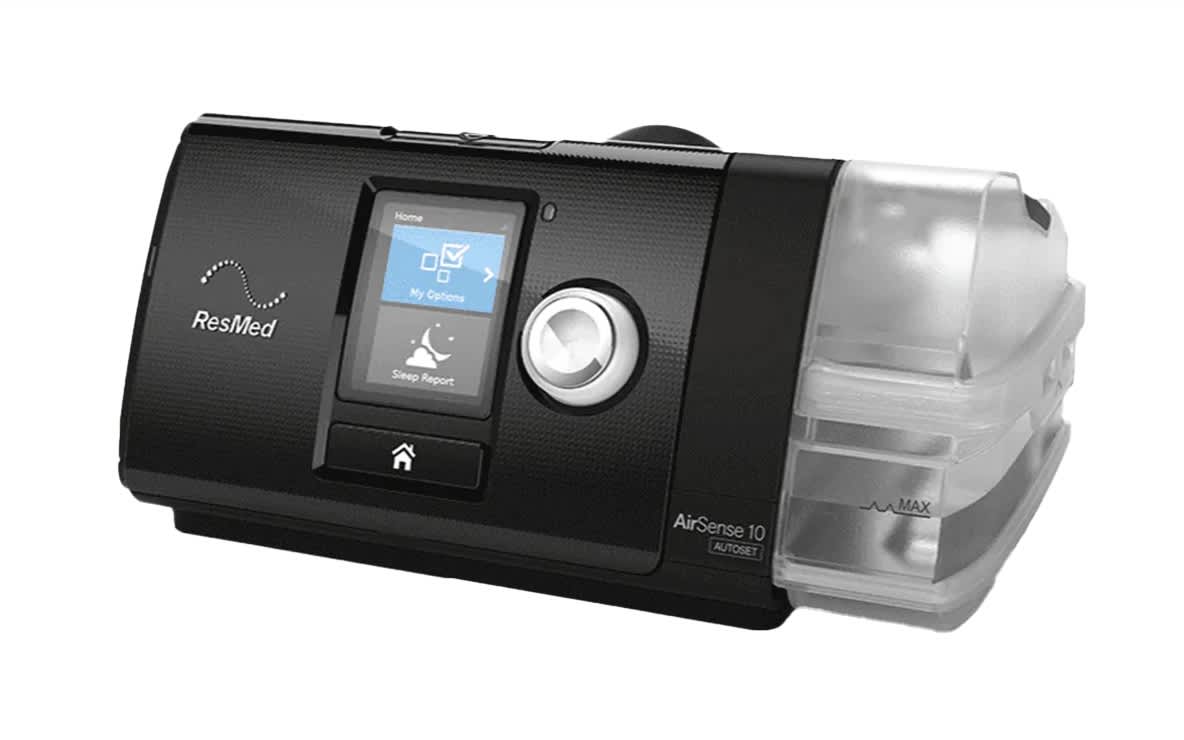
Weighing less than 3 pounds, the ResMed AirSense 10 is small and lightweight but is among the most feature-packed units on the market. An approachable price point of under $1,000 also makes the device suitable for shoppers with tight budgets or limited insurance coverage.
Pros & Cons
Pros
- Auto-titrating function adjusts pressure automatically
- Extended ramp and pressure relief settings
- More affordable than the AirSense 11
Cons
- Not necessary for people who don’t mind standard CPAP machines
- Sleep disruptions may occur during pressure adjustments
Full Details
Best Value

The Luna G3 Auto-CPAP is a user-friendly, auto-adjusting PAP device designed to deliver personalized therapy while prioritizing comfort and simplicity. With its compact design, quiet operation, and intuitive interface, it's a solid option for users looking for reliable performance with straightforward setup and everyday ease of use.
Pros & Cons
Pros
- Auto-adjusting pressure adapts to your breathing
- Built-in humidifier and heated tubing help reduce dryness and improve comfort
- Quiet, user-friendly design with simple controls and easy setup
Cons
- Water chamber can be difficult to remove and clean
- Not ideal for travel compared to smaller CPAP models
Full Details
Best Travel CPAP Machine
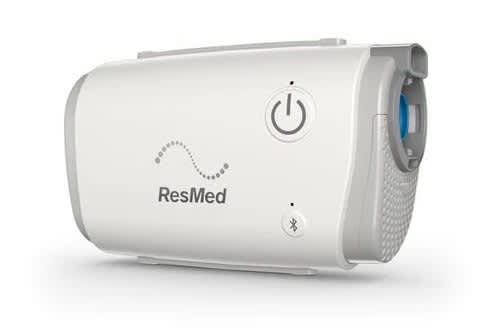
The ResMed AirMini AutoSet Travel CPAP Machine offers an impressively small design without sacrificing functionality. This unit is small enough to fit in almost any backpack or purse but is powerful enough for higher pressure settings up to 20 cm H2O.
Pros & Cons
Pros
- Compact design weighs less than a pound
- Offers advanced functions, such as an APAP mode and ramp settings
- Smartphone app lets you easily view your sleep data
Cons
- Portable battery not included
- Only works with certain ResMed masks, unless you purchase an adapter
Full Details
Compare the Best CPAP Machines
| CPAP Machine | Price | Dimensions | Weight | Noise Rating |
|
ResMed AirSense 11 AutoSet |
$1,044 | 10.2ʺ x 5.5ʺ x 3.7ʺ | 2.5 lbs. | 27 dBA |
|
ResMed AirSense 10 AutoSet |
$960 |
4.57" x 10.04" x 5.91" | 2.75 lbs. | 26 dBA |
|
Luna G3 Auto-CPAP |
$849 |
4.49” x 10.43” x 5.71” | 3.75 lbs. | 26 dBA |
|
ResMed AirMini AutoSet |
$735 |
5.4" x 3.3" x 2.1" | 10.6 oz. | 29 dBA |
How We Make Our Picks
Our testing team is headed by Dr. Breus and includes medical professionals, product experts, and researchers with decades of combined experience in sleep health and CPAP therapy. We use this expertise — along with a deep understanding of sleep apnea and CPAP technology — to evaluate which machines are truly worth recommending.
Because we know how overwhelming it can be to sort through the many CPAP options on the market, we research dozens of models from trusted brands, compare their features and availability, and analyze real customer reviews. We also monitor product recalls and manufacturer reputations to ensure that every CPAP machine we feature is high-quality, effective, and reliable.
What to Consider When Buying a CPAP Machine
When it comes to CPAP machines, there are a wide range of brands and models to choose from. Different CPAP machines offer unique combinations of features, so it’s important to consider what fits best with your lifestyle and needs.
Pressure Range
Air pressure delivered by a CPAP machine is measured in centimeters of water pressure (cm H2O), and most models can provide pressure levels up to 20 cm H2O. Some CPAP machines also come with a ramp feature to help you fall asleep. Ramp settings start therapy at a lower pressure before slowly increasing it to the prescribed level over a set period.
Noise Level
The average sound level of a CPAP machine is around 30 decibels, which is about as loud as a soft whisper. Some models have special features or designs that reduce the sound level even further. Quieter models may be particularly helpful for anyone who needs a quiet environment to fall asleep.
Smart Features
Many CPAP machines include smart features to make them more comfortable and easy to use.
- LCD Displays: Some models have advanced displays that make it easier to navigate menu options, especially in the dark.
- Data Tracking: All modern CPAP machines track some data to help your doctor evaluate the treatment’s effectiveness, but some models collect more data points and track your sleep patterns.
- Cellular Connectivity: CPAP machines may collect your data on a memory card stored in the device, sync your data over cellular service to a cloud-based platform, or allow for a combination of both.
- Preheat Function: Humidifiers are a common feature of CPAP machines that add moisture to air as it’s delivered through the hose and mask. Some CPAP devices have a preheat function that warms up the humidifier water before use.
Features like data tracking, easy-to-read displays, and pre-heating might seem like overkill, but they can improve daily use and CPAP adherence.
Types of PAP Machines
CPAP is one type of positive airway pressure (PAP) machine, though alternative devices are available with slightly different functions.
| PAP Machine | Description |
| Continuous positive airway pressure (CPAP) | A standard CPAP machine offers a consistent level of air pressure throughout the night. Following a sleep apnea diagnosis, the appropriate air pressure level is typically determined during a titration study at a sleep clinic. |
| Bilevel positive airway pressure (BiPAP) | BiPAP machines switch between two levels of air pressure: a higher level when you inhale and a lower pressure when you exhale. This type of machine may be prescribed if you have difficulty tolerating a fixed-pressure CPAP device or if you need treatment for another type of breathing condition, such as central sleep apnea. |
| Automatic positive airway pressure (APAP) | APAP machines use sensors and algorithms to automatically adjust the air pressure level based on your breathing patterns. Rather than a machine itself, APAP is a technology that's available in certain CPAP and BiPAP devices. However, the term APAP machine is typically reserved for a CPAP device that includes an auto-adjusting feature. |
| Travel CPAP machines | Designed for convenience and portability, travel CPAP machines are compact and lightweight. While functioning similarly to a standard CPAP machine, their small size helps you stay consistent with therapy even when you’re away from home. Many travel CPAP machines also have APAP modes. |
CPAP Accessories
While a mask, tubing, and an air filter are essential components of CPAP therapy, other accessories can enhance your comfort and the effectiveness of treatment.
Essential Accessories
| Accessory | Description |
| Mask | A CPAP mask delivers air to your nose or your nose and mouth. A mask needs to feel comfortable yet maintain a strong seal against your face to prevent leaks. Headgear keeps the mask in place. |
| Tubing | CPAP tubing connects the machine to your mask. Hoses come in many different lengths and styles. Some models offer special features like in-line heating. |
| Filters | Filters clean the air that is pressurized and delivered by a CPAP machine. FIlters may be washable or disposable and should be replaced according to the manufacturer’s instructions. |
Optional Accessories
| Accessory | Description |
| Battery | CPAP batteries aren’t essential, but they can ensure consistent performance during travel or power outages. Some batteries are specific to one CPAP device, while others can be used with various models. |
| CPAP pillow | CPAP pillows are designed to help you sleep while using a CPAP machine. These pillows have special shapes, cutouts, or other features that make it more comfortable to sleep while wearing a mask and headgear. |
Compatibility is a major factor to think about when you’re shopping for a new CPAP. Make sure a machine will work with the mask and tubing you’ve got in mind before you commit to a purchase.
How to Get a CPAP Machine
Buying a CPAP machine involves more than just choosing a device — it starts with getting the right diagnosis, prescription, and features to match your sleep apnea needs. Whether you’re new to therapy or upgrading an older machine, understanding the steps in the purchasing process can help you find a device that’s comfortable, effective, and reliable.
Prescription
A prescription from your doctor is required to buy a CPAP machine, as it’s considered a Class II medical device regulated by the U.S. Food and Drug Administration (FDA). Your prescription ensures the machine is programmed to the correct pressure settings based on your sleep study results, which is essential for safe and effective treatment.
If you haven’t been diagnosed yet, your doctor may recommend an in-lab sleep study or a home sleep apnea test before writing the prescription. Sleep Doctor offers an at-home sleep test that you can complete from the comfort of your own bed, and a board-certified sleep physician reviews your results and provides a prescription if sleep apnea is detected, making it easy to move from testing to treatment.
Where to Buy
Once you have a prescription, a CPAP machine can be purchased online, in medical supply stores, and sometimes directly through doctors and sleep specialists.
Sleep Doctor offers a streamlined online shopping experience with a curated selection of CPAP machines from trusted brands, making it easier to compare features and find a device that's right for you. When you buy through Sleep Doctor, you get access to expert guidance, detailed product descriptions, and fast shipping, as well as the option to purchase replacement supplies and accessories in the same place.
Frequently Asked Questions
How much is a CPAP machine?
CPAP machines typically cost anywhere from $500 to over $1,000, influenced by factors like the brand, features, and any accessories included with your purchase.
Does insurance cover CPAP machines?
Most insurance plans cover some CPAP costs under certain conditions, including whether you demonstrate that you use your CPAP machine consistently. Even when covered by insurance, there may still be out-of-pocket costs like a copay or deductible.
If your plan offers reimbursement, Sleep Doctor provides an itemized receipt you can submit to your insurer, allowing you to take advantage of benefits while still enjoying the freedom to choose your preferred CPAP machine and accessories. This approach can offer the best of both worlds: flexibility, convenience, and potential cost savings.
Does Medicare cover CPAP machines?
Yes, Medicare may cover CPAP machines if you've been diagnosed with obstructive sleep apnea through a sleep study and your doctor prescribes the device as medically necessary. Coverage is typically provided through Medicare Part B as durable medical equipment (DME).
In many cases, Medicare follows a trial period (usually around 90 days) to confirm that you are using the machine consistently before continuing coverage. You may still be responsible for deductibles, copayments, or coinsurance.
Are CPAP machines loud?
Most modern CPAP machines are designed to be very quiet, typically producing sound levels around 25 to 30 decibels, which is similar to a soft whisper. While some users may notice the sound at first, many find it fades into the background over time.
Noise can also be affected by factors like mask fit, air leaks, and placement of the machine, so proper setup can help keep operation as quiet as possible.
Does CPAP therapy cause any side effects?
How do you clean a CPAP machine?
Can you purchase a CPAP machine online?
Yes, you can purchase a CPAP machine online. Many people opt for online shopping because you can easily compare the prices and features of different models. Online shopping also allows you to read customer reviews and find helpful online resources.
Sleep Doctor makes the process even simpler by offering a carefully selected lineup of CPAP machines that are vetted by sleep experts, along with clear explanations of who each device is best for.
References
- https://www.nhlbi.nih.gov/health/sleep-apnea
- https://medlineplus.gov/ency/article/000811.htm
- https://www.sciencedirect.com/science/article/abs/pii/S0003682X16302304
- https://medlineplus.gov/ency/article/001916.htm
- https://www.uptodate.com/contents/titration-of-positive-airway-pressure-therapy-for-adults-with-obstructive-sleep-apnea
- https://aasm.org/fda-reclassifies-positive-aiway-pressure-class-ii-medical-device/
- https://www.medicare.gov/coverage/continuous-positive-airway-pressure-devices
- https://dphhs.mt.gov/assets/BHDD/DDP/MedicalDirector/OxygenEquipmentCleaning.pdf