How We Make Our Picks
We analyze CPAP filter specifications to learn about fabrics, compatibility, durability, brand reputation, and quality. Using filters correctly can decrease your chance of inhaling allergens or dust, so it’s critical to get a filter that correctly fits your machine. In addition to studying product details, we also consider reviews from current users so that we can see how well a filter holds up to regular home use.
What Does a CPAP Filter Do?
As a CPAP machine pulls in air from the environment, CPAP filters help eliminate particles such as dust, pollen, animal dander, mold, and smoke from the air before it gets into the tubing and CPAP mask. The filter is an essential part of the CPAP machine, and a dirty filter can raise the risk of sickness or allergy symptoms, as well as shorten the device’s lifespan.
What Types of CPAP Filters Are Available?
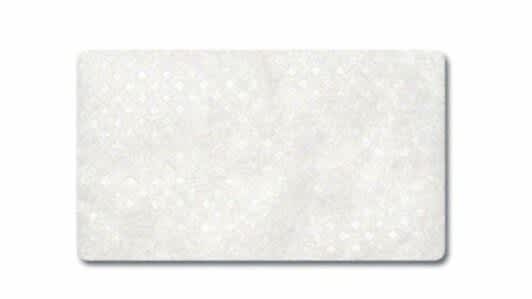
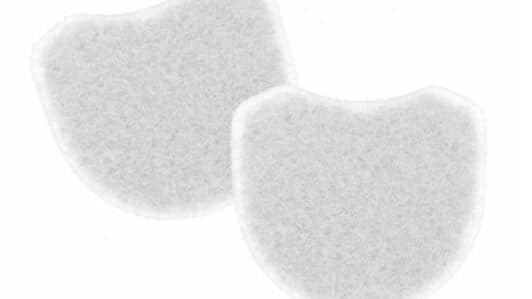
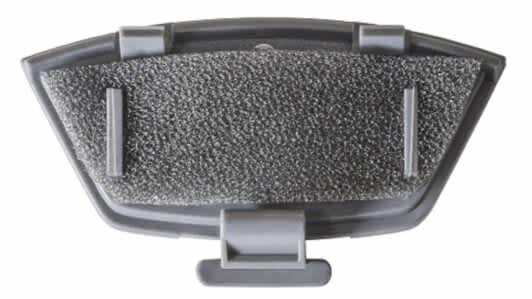
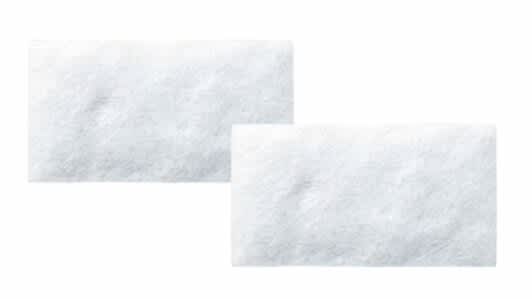
Standard CPAP machine filters come in two types: reusable or disposable. Most devices use just one type of filter, while some have a dual filtration system that allows you to use both simultaneously.
In-line bacteria filters are an optional addition to CPAP machines. In-line filters, which typically attach between CPAP tubing and the machine’s air outlet, are designed to lower the risk of infection from bacteria. They're sometimes recommended for devices with a heated humidifier.
Reusable filters and disposable filters have different strengths. Disposable filters are excellent at trapping small particles like smoke and pollution, while reusable filters are better at catching pollen and pet dander.
How to Choose a CPAP Filter
Manufacturers often provide strict instructions for choosing a CPAP filter, as not all filters are compatible with a given device. However, within the limits of these recommendations, you should consider your own needs regarding factors like price, material quality, and how sensitive you are to allergens.
Filters aren’t always universally compatible, so you’ll need to check to see if the filter you have in mind will work with your CPAP machine. Check your filter for tears or holes regularly too.
How Often Should You Replace Your CPAP Filter?
Generally, disposable filters need replacing twice a month, and reusable filters should be replaced twice a year. In-line bacteria filters generally need to be replaced once a month. Each manufacturer has its own recommended replacement schedule, so be sure to check the instructions for your model.
Worn or dirty filters cannot clean the air as efficiently, which leaves CPAP users susceptible to airborne contaminants. A clogged filter may also cause the machine to overheat, which can cause damage to the machine or affect the way it works.
Signs Your CPAP Filter Should be Replaced
You may need to change your CPAP filter ahead of schedule if you notice any of these signs:
- Holes, tears, discoloration, or visible debris on the filter
- Signs of wear, such as the foam breaking down
- Louder noise than usual
- Irritated nose, throat, or eyes
- Warmer-than-usual airflow
- Ineffective CPAP therapy
Households with cigarette smoke, pet dander, or other sources of contaminated air, such as being located in a polluted area, may find that CPAP filters need replacing more frequently than usual.
If you’re using an in-line bacteria filter, you should also check it frequently to make sure there is no moisture buildup, as this could affect the air pressure.
Where to Buy CPAP Filters
CPAP filters can be purchased directly through Sleep Doctor, making it easy to find replacement filters that are compatible with your specific CPAP machine. Sleep Doctor offers a curated selection of CPAP filters, along with guidance to help you choose the correct type based on your device and therapy needs.
CPAP filters are also available through durable medical equipment providers, specialty CPAP retailers, and general online marketplaces. However, purchasing through Sleep Doctor can simplify the process by combining equipment access with expert support.
Because CPAP filters need to be replaced regularly to maintain airflow and air quality, Sleep Doctor’s delivery and reorder options can help ensure you stay on schedule and keep your therapy running smoothly.
Do You Need a Prescription to Buy CPAP Filters?
No, a prescription isn't required to buy CPAP filters. Because filters need to be replaced regularly to maintain airflow and air quality, most users can reorder them as needed without additional medical approval.
Does Insurance Cover CPAP Filters?
Insurance coverage for CPAP filters varies by provider and plan. Many insurance policies, including Medicare, consider CPAP filters to be routine replacement supplies and may cover them as part of durable medical equipment benefits when you meet eligibility requirements.
Medicare covers up to two disposable filters per month or one reusable filter every 6 months. Coverage under Medicaid or other insurance plans may vary. Before purchasing CPAP filters, confirm eligibility and the filter replacement schedule with your plan provider.
Can You Use an FSA or HSA to Buy CPAP Filters?
As a necessary component of CPAP supplies, filters should qualify for purchase through a flexible spending account (FSA) or health savings account (HSA). Check with your plan provider before allocating funds for this use.
Frequently Asked Questions
How much do CPAP filters cost?
Reusable filters cost around $6 to $20, while disposable filters generally run between $2 and $6 per unit. In-line bacteria filters may set you back around $5. Buying more than one filter at a time may lower the cost per filter.
How do you clean a reusable CPAP filter?
To
clean a reusable CPAP filter, unplug the machine, locate the filter door on the back or side of the machine, and remove the filter. Wash the filter under running water or with mild soap and warm water, then gently shake or squeeze out the excess water. Let it dry fully before reassembling the filter and inserting it back into the machine.
You should repeat this cleaning process at least once a week. Check the user guide for cleaning instructions specific to your model.
Can you use a CPAP machine without a filter?
CPAP machines should not be used without a filter. Since the device takes air from the surrounding environment, the filter is important for removing contaminants before you inhale them, and for ensuring the proper functioning of the machine.
References