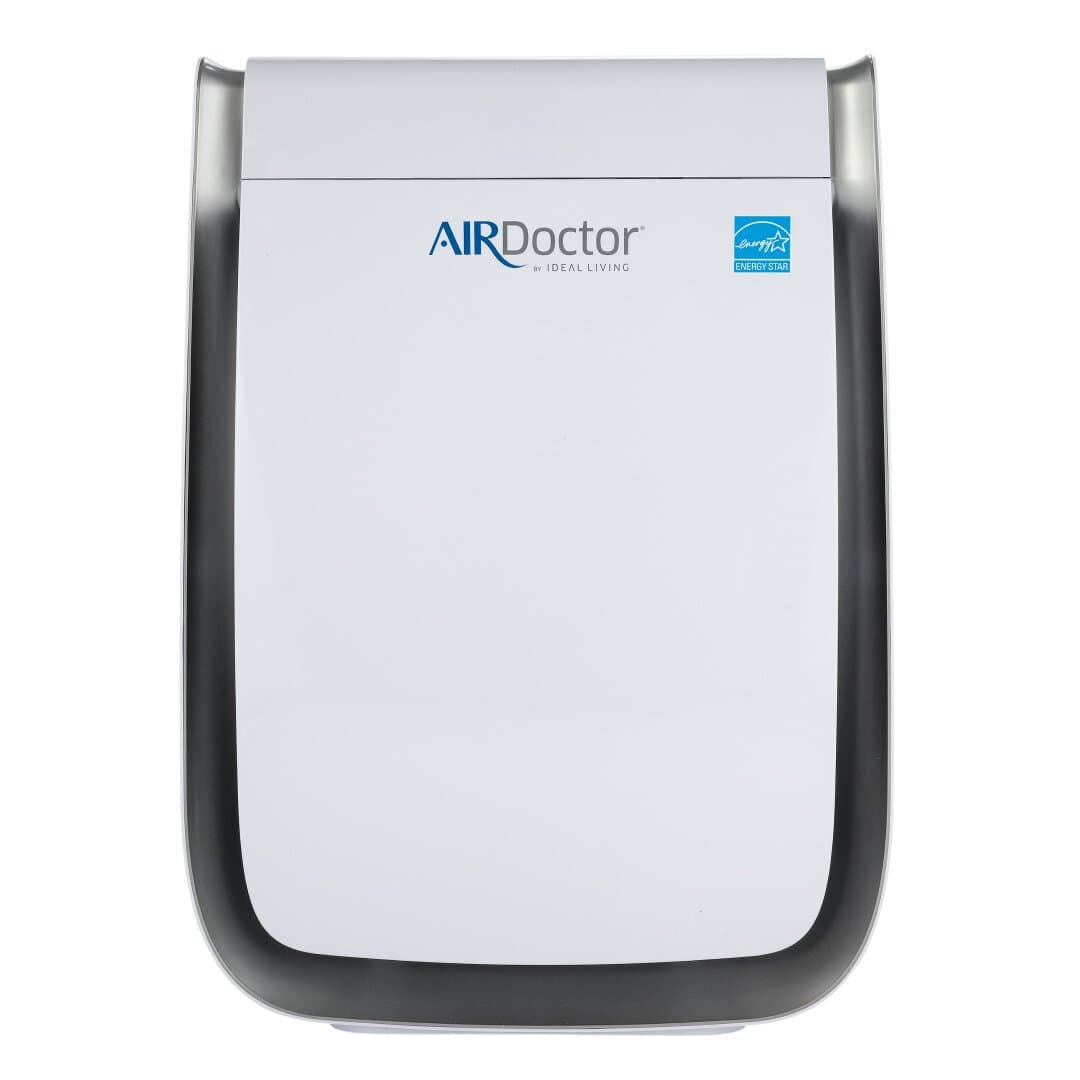
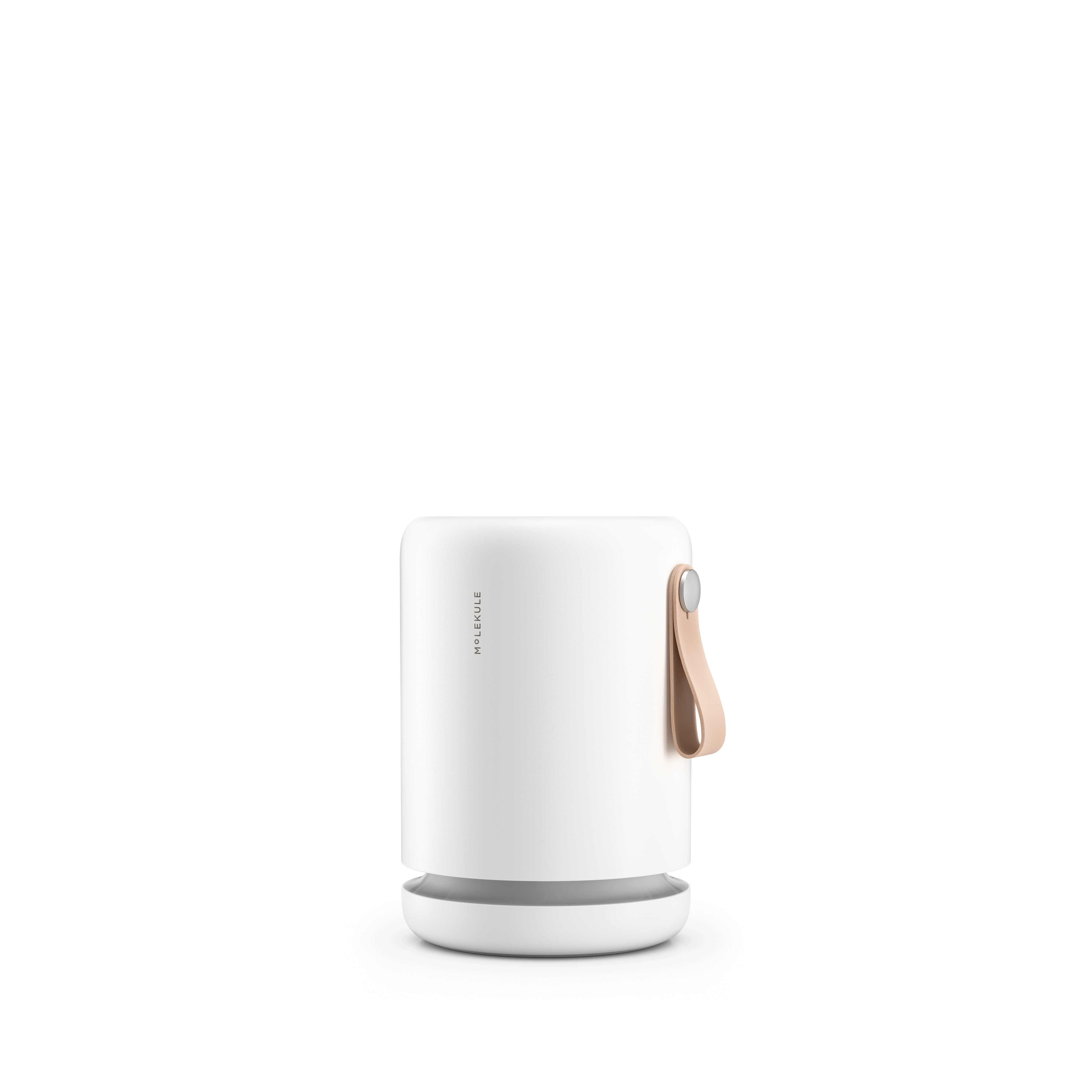
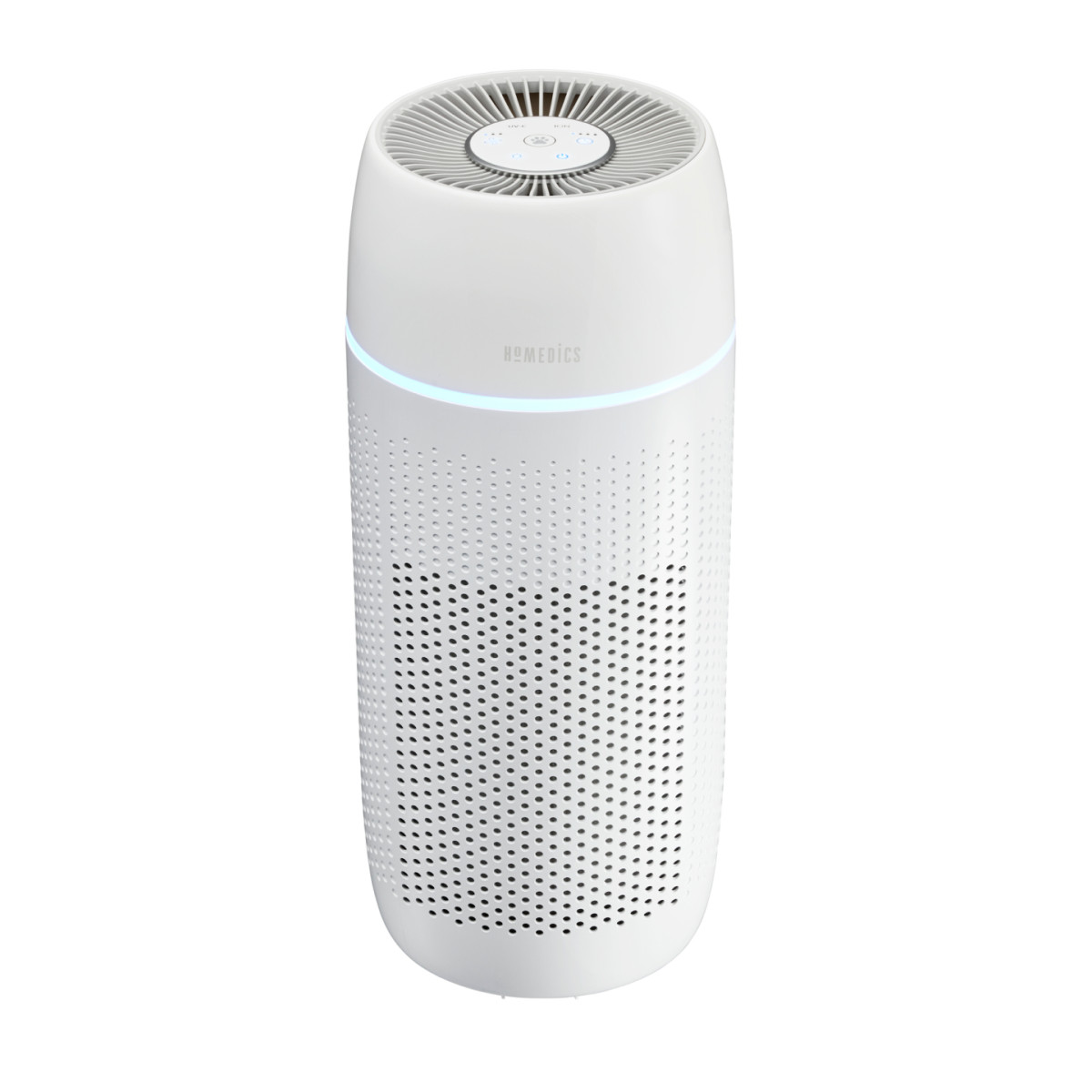
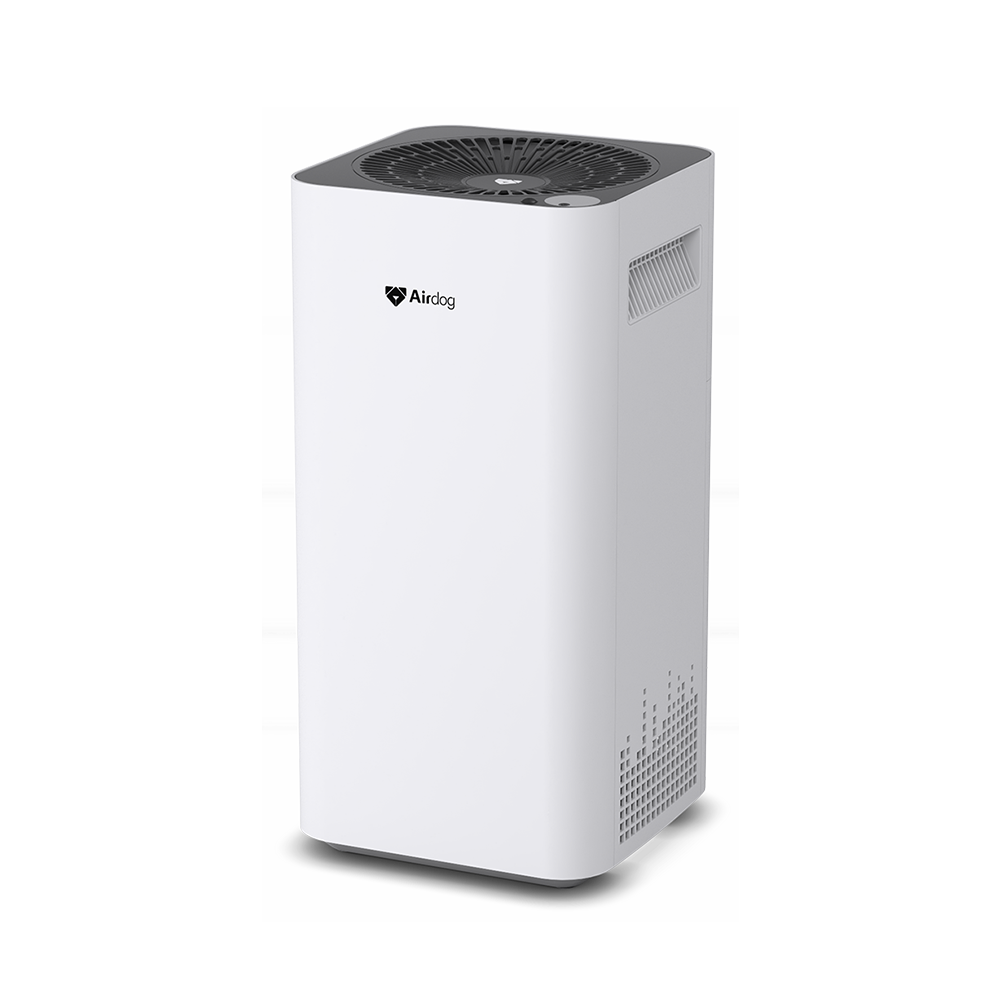
What Does an Air Purifier Do?
An air purifier removes pollutants from indoor air. Nearly all air purifiers contain a high efficiency particulate air (HEPA) filter and remove dust, pollen, pet dander, mold spores, bacteria, and smoke particles.
Purifiers that contain other types of filters, such as an activated carbon filter, also remove volatile organic compounds (VOCs) and chemicals from the air, such as formaldehyde, benzene, toluene, xylene, and nitrogen dioxide.
Who Should Consider Buying an Air Purifier?
Anyone concerned about indoor air quality should consider buying an air purifier. According to the American Lung Association, indoor air quality can be up to 100 times worse than the air outside. This is due to stoves, furnaces, water heaters, paint, carpeting, chemicals in building construction products, mold, water damage, dust, dust mites, cockroaches, rodents, secondhand smoke, and more.
Poor indoor air quality is known to contribute to asthma, lung cancer, infections, and chronic lung disease. Investing in a quality air purifier for home could improve indoor air quality, thereby reducing health risks.
How to Choose the Best Air Purifier
Consider the following factors to choose the best air purifier for you:
Pollutants to Target
Consider which airborne pollutants you most want to remove. Different air purifiers remove different types of pollutants. For example, if you're primarily concerned about pollen, mold, and dust mites, you may only need an air purifier for allergies.
Filter Types
- HEPA Filters: remove particles like allergens and dust but not gas chemicals or odors
- Activated Carbon Filters: remove gases, odors, and VOCs
- UV Filters: use light to damage bacteria, viruses, and mold, which keeps them from spreading
- Pre-Filters: mechanical filters that remove larger particles from the air
-
Ozone Filters: use ozone gas to neutralize odors and smoke but may be hazardous
Room Size
Consider the size of the room you want to keep the air purifier in. From there, comparison shop different air purifiers to see what meets your criteria. Read product descriptions closely to identify how quickly each air purifier can filter all of the air in the room you're shopping for. Ideally, you want to purchase a purifier that can accomplish four air changes per hour (ACH) for a room of your size.
Budget
Air purifiers are available at a variety of price points. If money is a factor, identify your budget early on and consider limiting your search to the air purifiers that fall within that range.
Additional Features
Different air purifiers offer different features. Some can be controlled via an app, while others auto-adjust based on the time of day or the amount of certain airborne pollutants present. Figuring out which additional features are important to you and which you won't use can help you narrow down your options while shopping.
Tips for Using an Air Purifier
Most air purifiers are fairly straightforward, but you will get the best use out of yours if you follow these tips:
- Read the manufacturer's instructions before you begin using your new air purifier.
- Remove any unnecessary parts, like plastic pieces, plastic sheets, stickers, or styrofoam that were included for packing purposes.
- Follow instructions to insert filters and any other removable parts that must be inserted.
- If there's a related app, download it and connect them, so you can operate your purifier remotely.
- Explore your purifier's various options, such as a nightlight, different fan speeds, or automatic settings.
- Identify your purifier's ideal filter replacement schedule, then put reminders for yourself in a paper or digital calendar.
- Save your receipt and warranty details, so you can easily pursue repairs if they become necessary later on.
References
- https://pubmed.ncbi.nlm.nih.gov/36351665/
- https://www.lung.org/clean-air/indoor-air
- https://www.lung.org/clean-air/indoor-air/indoor-air-pollutants
- https://ww2.arb.ca.gov/our-work/programs/air-cleaners-ozone-products/hazardous-ozone-generating-air-purifiers