How We Test Pillows
We test pillows against the same set of strict standards that we use for other pillow types, but we pay close attention to several factors that set different pillows apart. In addition to firmness, conforming, and ease of cleaning, we also measure breathability. Many sleepers choose specific materials for their cool feel. To determine how well a pillow regulates temperature, we use thermal sensors that measure heat retention and we try them ourselves too, taking notes on how warm or cool we think a pillow feels after use.
Why Pillows Are So Important for Side Sleepers
Pillows should be comfortable, but their role in supporting spinal alignment for side sleepers is just as important. If your pillow isn’t supportive enough to keep your head and neck in a neutral position, you may wake up with discomfort or neck pain.
How to Choose a Pillow for Side Sleepers
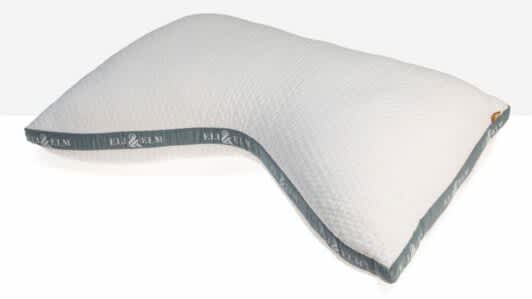
Side sleepers should choose a pillow that aligns the head and neck with the spine, providing cushioning without allowing the neck to bend unnaturally. This means finding a pillow with enough firmness and loft to lift the head away from the shoulders.
Pillow Type
We’ve found that certain types of pillows work best for side sleepers:
-
Memory Foam: Pillows made from solid or shredded memory foam contour to the head and neck, generally providing excellent support and pressure relief.
-
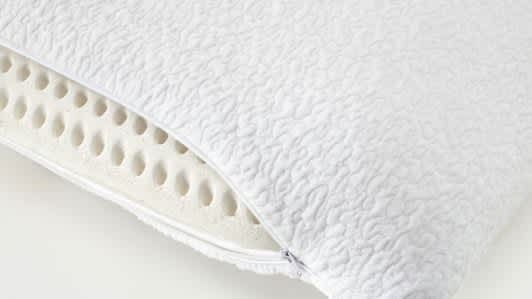
Latex: Durable and supportive, most latex pillows have plenty of firmness, are temperature neutral, and hold their shape well, offering consistent support over time.
-
Polyfoam: Similar to memory foam but generally less expensive, polyfoam pillows typically offer good support. Depending on the type of foam used, these pillows may be less firm and durable than other types.
-
Buckwheat: Filled with natural buckwheat hulls, these pillows are firm and breathable. The amount of fill can be adjusted, making these pillows an adaptable option for side sleepers.
DWhen I side sleep on a latex or memory foam pillow, my ears don’t get as tender as they do when I use other fill materials. Latex and memory foam adapt to my head shape, which gives me extra cushioning without losing the support I need.
Loft
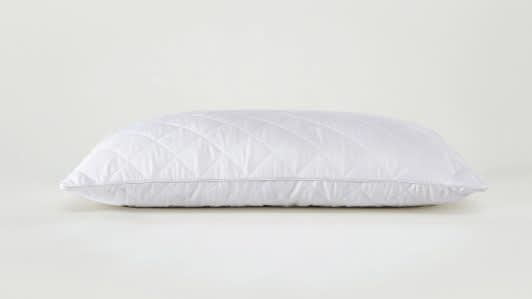
The loft, or thickness, of a pillow should be at least 4 inches for most side sleepers. Those with broader shoulders may need over 6 inches for proper alignment, while people with a softer mattress may fare better with a slightly lower loft.
Firmness and Shape Retention
Firmness affects how deeply a pillow compresses under pressure, while shape retention describes how well it maintains its shape after prolonged use. Side sleepers typically benefit from medium to high firmness for adequate support, coupled with sufficient shape retention to keep the spine aligned throughout the night.
Breathability
Breathable materials like latex and buckwheat hulls allow air to flow through the pillow’s fill and prevent heat buildup. A breathable pillow can reduce overheating and sweating, making it an important feature for those who sleep warm or live in hotter climates.
Neck, Back, or Shoulder Pain
Many side sleepers experience back, shoulder, or neck pain. The right pillow can alleviate these issues by providing adequate firmness, contouring, and pressure relief for the head and neck. Side sleepers should look for pillows that provide adequate support and contouring to reduce strain on the neck and upper body.
I really can’t overstate how important loft and firmness level are for side sleepers. Getting the right blend of both can be the difference between waking up rested and waking up in pain.
Video: How to Pick a Pillow for Side Sleepers
Our sleep experts offer advice on how to pick a perfect pillow for side sleepers. We’ll discuss pillow designs that are best suited for this sleep position, from the type of fill to the pillow’s thickness.
How to Keep Your Spine Aligned When Sleeping On Your Side
For side sleepers, keeping the spine in a neutral position while sleeping may involve more than just the right pillow.
-
Use a Pillow Between Your Knees: Placing a pillow between your knees helps maintain alignment in the hips, reducing strain on your lower back and promoting a neutral spine.
-
Try a Body Pillow: A body pillow provides full-length support, aligning the hips and shoulders. It’s especially helpful for those who are pregnant or enjoy cuddling.
-
Sleep on the Right Mattress: Choosing a mattress that complements your sleeping style is essential. To find the best mattress for side sleepers, look for a model that’s tailored to your body weight and comfortably contours to your shoulders and hips without letting you sink too deeply.
-
Add a Mattress Topper: If a new mattress isn’t in your budget, a mattress topper can change the firmness of your sleep surface, offering additional support or cushioning based on your individual needs.
Discover More Pillow Solutions
If you’d like to expand your pillow search, we’ve broken down the best pillows on the market into a series of handy guides.
Best Pillows by Type
How We Test
At Sleep Doctor, our testing is grounded in extensive experience in the sleep product industry. For this guide, our team personally tested each pillow. We focused on how well each pillow supports side sleepers, assessing characteristics like firmness, loft, and overall comfort.
Frequently Asked Questions
Are memory foam pillows good for side sleepers?
Memory foam pillows can be an excellent choice for side sleepers due to their supportive contouring. The best memory foam pillows provide elevation and pressure relief for the head and neck, aiding in proper spinal alignment. Shredded memory foam has the added advantage of adjustability, allowing you to tailor the pillow’s loft and firmness to your specific needs.
Is a firm or soft pillow better for side sleepers?
A medium to firm pillow is typically best for side sleepers. It provides the necessary support to keep the head and neck aligned without being overly rigid. A pillow that’s too soft may cause the head to sink too much, shifting the spine out of neutral alignment and straining the neck.
What is the right pillow loft for side sleepers?
For many side sleepers, a pillow height of 4 to 6 inches ensures that the head and neck are adequately supported and aligned with the rest of the spine. The ideal loft also depends on your body type and the firmness of your mattress.
What is the best pillow for side sleepers with neck pain?
The best pillow for side sleepers with neck pain should offer enough support and contouring to prevent strain and promote proper sleep posture. Pillows with memory foam fill or a contoured design may reduce neck pain by providing necessary support and promoting healthy alignment.
Should your shoulders be on the pillow when sleeping?
A pillow should primarily support your head and neck, keeping them aligned with your spine. For side sleepers, the pillow should comfortably fill the space between your head and shoulders. Your shoulders need to sink into the mattress enough to keep your spine straight, so resting them on the pillow may lift your shoulders out of alignment.
Can side sleepers use multiple pillows?
While some side sleepers like to stack pillows, we don’t recommend using two pillows under the head, as one can easily slip out during the night. It’s better to find one pillow with the appropriate loft for your body type and sleeping style. However, side sleepers can use multiple pillows to support the body. A pillow between the knees can help maintain alignment in the hips, while hugging a body pillow can provide extra comfort and stability.