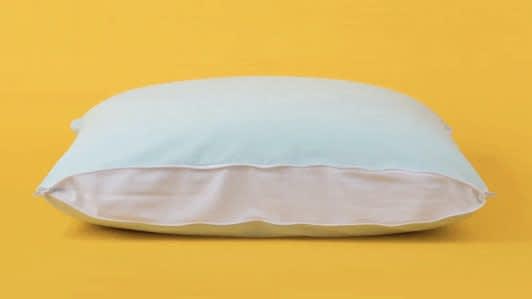
Down alternative pillows are designed to mimic the plush feel of down without using the plumage of geese or ducks. Instead, they are most commonly made with polyester fibers or microfibers that form fluffy clusters.
Versatile, breathable, and widely available, down alternative pillows offer plenty of options for firmness, cover materials, cooling technologies, and other comfort characteristics.
We’ll take a look at our picks for the best down alternative pillows before exploring how pillow loft, firmness, and other performance and care considerations may impact your purchasing decision.
Fill Material60% polyester fibers, 40% viscose derived from bamboo
FirmnessMedium
Price$199
Cover Materials100% viscose derived from bamboo
Features
Down alternative fill mimics the plushness and loftiness of real down
Viscose cover excels at breathability and moisture control
Available in four sizes, including travel and body pillow options
Who It's Best For
Side and back sleepers
Those who run hot in bed
People with down allergies
The Cozy Earth Bamboo Down Alternative Pillow showcases its namesake material, which consists of polyester fibers blended with bamboo-derived viscose. While the pillow feels exceptionally plush, it doesn't retain too much heat and sleeps quite cool as a result. A breathable viscose shell adds to the exemplary temperature control.
Since the fill is 100% vegan, the pillow won't trigger any allergy symptoms and it's a good option for people who prefer not to use animal-based products. Moldability is another major strength. You can reform the pillow as needed to accommodate any sleep position – though our tests show side and back sleepers are the best candidates. Stomach sleepers may need a pillow with a lower profile to prevent neck strain.
Sleep Doctor offers reasonably priced shipping rates for shoppers in the contiguous U.S. Cozy Earth backs each purchase with a generous 100-night sleep trial. You'll also receive a 10-year warranty against various defects, including pilling in the cover.
Down alternative fill is plush, breathable, and hypoallergenic
Two firmness options
Cover composed of moisture-wicking Tencel fabric
Who It's Best For
Hot sleepers
People who are allergic to real down
Budget-conscious shoppers
The Sijo FluffBase Eucalyptus Pillow is a great option if you're shopping with a tight budget. While its sticker price is approachable, the pillow doesn't skimp on material quality or performance. Our hands-on tests show it's a great match for hot sleepers, people with neck pain, and those who sleep on their side and/or back.
You can choose from two firmness levels. The medium soft design has a lower profile and should meet the needs of most back sleepers – it elevates the head to promote even alignment, but shouldn't strain the neck. Side sleepers should consider the firmer, thicker pillow, as it should provide adequate cushioning to fill the gap between their head and downward-facing shoulder.
A cover made of moisture-wicking, eucalyptus-derived Tencel fabric adds to the pillow's exceptional temperature control. You can remove and machine-wash the cover whenever it needs to be cleaned. If you order from Sleep Doctor, you may return the FluffBase Eucalyptus Pillow unused and unopened within 60 days for a refund.
Cover MaterialsOutlast fabric with phase change material
Features
Plush fill provides deep cushioning to alleviate pressure and tension
Available in two firmness levels
Outlast cover fabric is engineered to dissipate body heat on contact
Who It's Best For
People who run hot in bed
Side and back sleepers
Animal-conscious consumers
If you sleep on your side, overheat in bed, and struggle with neck pain, the Slumber Cloud UltraCool Pillow checks all of your important boxes. Plush down alternative fill and a cooling cover pair nicely to alleviate pain and pressure, resist heat buildup, and provide the cushioning you need to sleep comfortably on either side.
You can choose from two designs. The medium soft is a good match for combination sleepers who switch between their side and back, while the medium firm should meet the needs of dedicated side sleepers by filling the gap between their head and shoulder.
The pillow's cover is made of Outlast, an innovative fabric woven with phase change material that's been designed to capture and release body heat when it comes into contact with your skin. This helps offset heat retention from the down alternative fill, ensuring cool and comfortable sleep night after night.
Sleep Doctor offers free ground shipping within the contiguous U.S. The UltraCool Pillow comes with a 60-night sleep trial. Your purchase is also covered under a 180-night warranty.
Two layers of down alternative fibers combine ultrafine softness and support
Organic cotton cover with satin piping
45-day free returns and a one-year limited warranty
Who It's Best For
Back sleepers under 230 pounds and side sleepers under 130 pounds
Sleepers prioritizing luxe comfort
Those seeking mid-level firmness
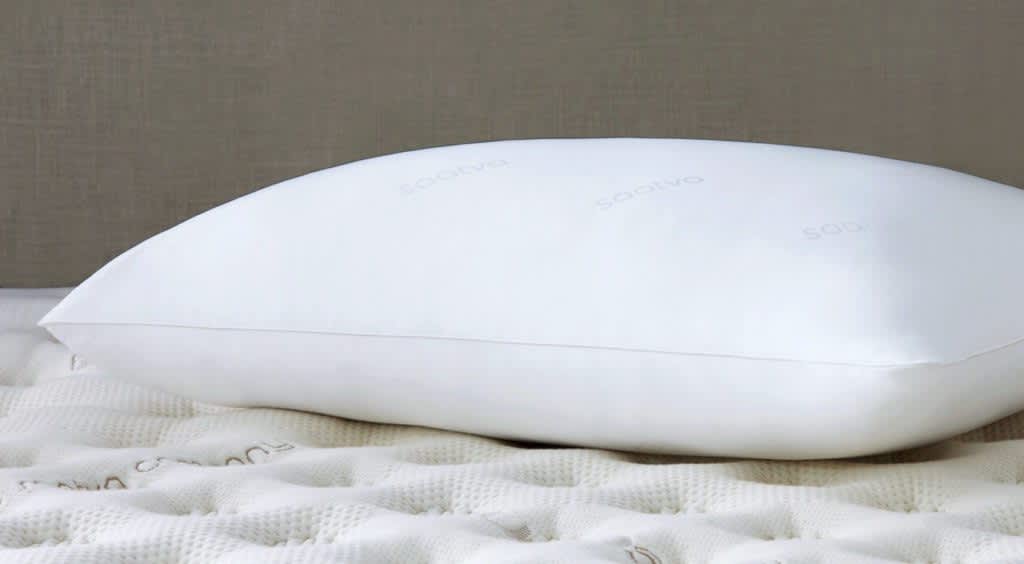
The Saatva Down Alternative Pillow uses two kinds of fibers to create extra plushness and support. An organic cotton cover encases a layer of microdenier fibers with an ultrafine construction that mimics the feel of down. Meanwhile, an inner layer of memory fiber clusters offers buoyant support.
The pillow’s combined layers have a medium firmness level that works well for back sleepers. During our sleep lab tests, back sleepers under 230 pounds and side sleepers weighing less than 130 pounds gave the Saatva Down Alternative Pillow excellent scores, finding that the dual fiber layers provided just the right level of softness and support.
Saatva’s down alternative offering comes in slightly undersized 16-by-28-inch queen and 20-by-34 king sizes. Purchases include free shipping within the contiguous U.S., 45-day free returns, and a one-year limited warranty.
Blending premium materials and durable construction, the Saatva Down Alternative Pillow combines temperature neutrality and lofty comfort in a luxury design that benefits most back and side sleepers.
Fill MaterialMemory foam and down alternative inserts (removable)
FirmnessAdjustable
Price$109
Cover MaterialsOutlast fabric with phase change material
Features
Down alternative clusters provide deep cushioning to soothe sore spots
Adjustable design lets you add or remove fill to accommodate your sleep position(s)
Cover captures and releases body heat to help you stay cool
Who It's Best For
Combination sleepers
People who run hot in bed
Those who are interested in a pillow that's customizable
If back pain is a nightly nuisance, the Slumber Cloud Adjustable UltraCool Pillow can help mitigate your discomfort. This customizable pillow features two inserts, one stuffed with down alternative fibers and the other containing solid memory foam, which you can add, remove, or shuffle to reach your ideal level of cushioning and contouring.
A cover made of cutting-edge Outlast fabric encases the inserts. This material is engineered to dissipate body heat on contact and feel cool to the touch at all times, so bothersome heat retention won't be an issue – even if you opt to place the solid memory foam insert on top. You can machine-wash the cover whenever a cleaning is needed.
After testing the pillow, our team has determined that side sleepers should use both inserts to ensure adequate cushioning between the head and shoulder. Back sleepers may also feel comfortable with both inserts or, alternatively, use one or the other to properly elevate their head and promote even alignment. Most stomach sleepers will prefer the down alternative insert on its own.
Sleep Doctor provides free shipping for shoppers in the contiguous U.S. Additional fees apply for residents of Alaska, Hawaii, and U.S. territories. Each order includes a 60-night sleep trial and 180-night warranty.
How We Test Pillows
We test pillows against the same set of strict standards that we use for other pillow types, but we pay close attention to several factors that set different pillows apart. In addition to firmness, conforming, and ease of cleaning, we also measure breathability. Many sleepers choose specific materials for their cool feel. To determine how well a pillow regulates temperature, we use thermal sensors that measure heat retention and we try them ourselves too, taking notes on how warm or cool we think a pillow feels after use.
What Is Down Alternative?
Traditional down pillows are filled with the soft inner layer of fine feathers from the chest and underbelly of ducks and geese. These feathers combine into the fluffy clusters that give down pillows their signature loft. When compressed by a sleeper’s body, the feathers deliver soft support to the head and neck.
Down alternative is a synthetic fill that mimics the performance characteristics of down. It is most often made from ultrafine polyester fibers or microfibers, as these most closely resemble the loft and supportiveness of natural down. Occasionally, you can also find down alternative pillows filled with cotton, kapok, or wool.
Down alternative does not come from animals, nor does it trap allergens like regular down tends to do. The vegan-friendly, cost-effective, hypoallergenic fill is a good choice for people with allergies, shoppers on a budget, and those concerned about animal welfare.
Down alternative pillows are versatile crowd-pleasers that are excellent options for guest bedrooms or rental homes. They’re vegan, suitable for people with certain allergies, inexpensive, and easy to wash at home.
Down Alternative vs. Down in Your Pillows
Down alternative performs very similarly to down by design. However, each material has its own characteristics that can affect the way it performs inside a pillow. Down is natural and durable with lightweight loft and support. Down alternative is heavier and less durable, but it is also hypoallergenic, vegan-friendly, and often machine-washable.
Down Alternative vs. Down
Pros
Cons
Down Alternative
Hypoallergenic
Less expensive
Easier to clean
Vegan-friendly
Heavier
Less durable
Firmer support may be less suitable for stomach sleepers
Down
Fluffier feel
Lightweight
Better durability
More breathable
Potential allergy trigger
Harder to clean
More expensive
Is an Alternative Down Pillow Right for You?
Down alternative pillows are a popular option because they can do an excellent job of mimicking down’s positive qualities while offering their own advantages. Sleepers searching for versatile, hypoallergenic, easy-to-clean, or vegan-friendly bedding options may find that a down alternative pillow makes sense.
Good For:
Reason:
Hot Sleepers
Tiny spaces between the ultrafine down alternative fibers create loft and allow air to pass through the pillow. This breathability helps keep the sleep surface cool.
People With Down Allergies
Pillows made with synthetic fibers are generally easier to clean than natural down and do not have the cracks and crevices that tend to attract and trap dust mites and other allergens.
Good for Most Sleep Positions
Fine and flexible, down alternative fibers are a versatile fill that can be adjusted to match most sleep position preferences. Some pillows come in different firmness levels, while certain models feature adjustable fill.
People Looking for Vegan Products
Down alternative fibers create loft and softness without using feathers, making them a vegan-friendly option for shoppers looking to keep animal products out of their pillows.
Washability is a major selling point for down alternative pillows. It’s so nice to be able to toss your pillow in the washer and not worry about whether it’s going to fall apart.
What Should You Know About Down Alternative Pillows?
Down alternative pillows are one of the most common pillow types. We’ll take a closer look at what you should know about down alternative pillows, including how much they cost, how to wash them, and whether there are adjustable fill options.
How Much Do Down Alternative Pillows Cost?
Shoppers can find a basic, serviceable down alternative pillow in a big-box store or online for around $20 to $30. For above-average performance and higher-quality materials, prices start around $80 and can exceed $100 in some cases.
Are Down Alternative Pillows Adjustable?
Many down alternative pillows are adjustable, meaning owners can access the interior of the pillow, usually via a zipper, and remove some of the fill for customized firmness and loft. If an adjustable pillow isn’t an option, sellers will often offer the same pillow in two or three firmness levels.
Can You Wash a Down Alternative Pillow?
Ease of cleaning is one of down alternative’s major advantages over traditional down. While you should always check the care instructions, many down alternative pillows can be machine-washed and tumble dried on low. Consider adding tennis balls to the dryer to speed drying and promote loft.
Spot-cleaning with a vinegar solution or a gentle detergent can work for small stains or for pillows that are not recommended for machine-washing.
Is It Better to Have Polyester or Cotton Fibers in Your Down Alternative Pillows?
Polyester and cotton fibers have different performance characteristics that will appeal to different sleepers. In terms of options and availability, polyester is easier to find and generally has a wider range of choices, including support levels and cover materials. Polyester is usually cheaper, but this can depend on the quality of the fibers and the current market for cotton.
Both materials function similarly to down, though polyester is typically the closer match. Cotton is comparably easy to wash and breathable, but it generally sleeps firmer. It can be a good option for those looking for a natural alternative to down.
Explore More Pillows
If you’re looking for a particular type of pillow, check out our other guides below.
Pillow Height, Firmness, Support, and Keeping Your Spine Aligned
Different sleeping positions need different levels of support from a pillow. We’ll explore both loft and firmness in relation to sleep position and how they work together to promote healthy spinal alignment.
Your Pillow’s Loft
Loft is another term for the height or thickness of a pillow. The loft of a pillow contributes to keeping your head, neck, and spine in proper alignment, making it an important factor in a pillow’s supportiveness and overall comfort. Selecting the best pillow with the right loft depends on your preferred sleep position.
Sleeping Position
What Pillow Loft Do You Need?
Side Sleepers
Side sleepers typically benefit from a high-loft pillow measuring 5 inches or more that can raise the head away from the shoulders.
Back Sleepers
A pillow with a mid-level loft between 3 and 5 inches generally provides just enough support under a back sleeper’s neck to ensure the head isn’t tilted at an inappropriate angle.
Stomach Sleepers
Low-loft pillows work best for stomach sleepers, who often need just a few inches of loft to maintain proper alignment.
Combination Sleepers
Combination sleepers should aim for a mid-level loft to accommodate their shifting positions. Hedge toward a higher loft if you spend more time on your side and a lower loft if you find yourself on your stomach more often.
How Firm Should Your Down Alternative Pillow Be?
Along with loft, firmness is also an important factor when selecting a pillow. It plays a key role in alignment and can greatly impact comfort. As with loft, choosing the right firmness level comes down to your preferred sleep position.
Sleeping Position
What Firmness Do You Need?
Side Sleepers
Side sleepers generally benefit from a moderately firm pillow. Softer firmnesses allow the head to sink too far into the sleep surface, while firmer pillows resist compression and may result in neck pain.
Back Sleepers
Back sleepers often fare best with medium firm pillows. This mid-range firmness level helps avoid the neck strain that may come from a pillow that’s too hard or too soft.
Stomach Sleepers
Pillows that are less firm keep stomach sleepers’ heads from resting too high. A soft pillow raises the head just enough to maintain comfort without placing uncomfortable strain on the neck and shoulders.
Combination Sleepers
Combination sleepers may find that a mid-range firmness level keeps them adequately supported through most of their shifting sleep positions. You can lean toward a softer or firmer pillow depending on which position you spend the most time.
Pillow Support and Keeping Your Spine Aligned
Supportive pillows promote spinal alignment. In particular, your pillow should keep your neck in a neutral position. Sleepers can avoid uncomfortable pressure points and sleep-related pain by selecting a pillow with proper support.
The supportiveness of a down alternative pillow depends on its loft and firmness and how well they match your preferred sleep position and body type. This means there is no universally supportive down alternative pillow.
Instead, sleepers need to take into account their preference for side, back, or stomach sleeping, as well as their shoulder, neck, and head proportions. Thoughtfully shopping with these personal needs in mind can increase the odds you’ll find a pillow that keeps you comfortably supported.
Garen is a health and lifestyle content creator. She realized the importance of sleep when her children made getting a good night's rest more challenging. Garen is always learning something new about the wide world of sleep and sleep products. Married with two girls, ages 7 and 11, she is a book nerd and a lover of pop music, travel, and the Pacific Northwest.