As pregnancy progresses, so does the seemingly impossible quest for a night of restful sleep. Navigating changing symptoms like heartburn or joint pain and finding a comfortable sleeping position can be hard enough, so it’s important to find a mattress that adapts to your body’s changing needs.
We’ll walk you through finding the best mattress for pregnancy. Our testing team has researched and evaluated a range of mattresses that balance pressure relief, breathability, ease of movement, and the right level of support for pregnancy.
If you’re looking for the perfect sleep setup, browse our selection of the best mattresses of 2025. For targeted relief, our guide to the best mattress for back pain rounds up mattresses that offer some much-needed support.
The Saatva Classic provided our testers versatile comfort and impressive support across most body types and sleep positions. The bed’s design is durable and offers a good mixture of features for pregnant sleepers, including a cool feel, above-average pressure relief, and a slight bounce that makes it easy to change positions.
Ideal forBack Sleepers
FirmnessSoft (3), Medium Firm (6), Firm (8)
FeelBouncy, Supportive Surface
ValueFair Value
Pros
Options for different thickness and firmness levels to suit every body type
Breathable dual-coil design facilitates movement and limits heat retention
Lumbar support caters to pregnancy-related back pain
Cons
Average motion isolation means tossing and turning could affect your partner
Slightly higher-than-average price tag
Firmer model provides limited pressure relief for side sleeping
Side Sleepers
Under 130 lbs
7.0/10
130-230 lbs
9.0/10
Above 230 lbs
9.0/10
Back Sleepers
Under 130 lbs
7.0/10
130-230 lbs
9.0/10
Above 230 lbs
9.0/10
Stomach Sleepers
Under 130 lbs
6.5/10
130-230 lbs
8.5/10
Above 230 lbs
8.5/10
Why We Like It
The Saatva Classic is an innerspring mattress that comes in three firmness options: soft (3), medium firm (6), and firm (8). You can also choose between two height options: 11.5 inches and 14.5 inches. This bed features an organic cotton pillow-top cover with an antimicrobial treatment designed to inhibit bacteria and mold. A polyfoam layer and a memory foam lumbar pad are quilted into the cover for cushioning. A layer of zoned pocketed coils and a layer of innerspring coils add responsive support.
Nearly all of our sleep testers found at least one firmness of the Saatva Classic comfortable. The model’s mixture of features enhances performance traits important to pregnant sleepers, including easy movement, notable temperature control, minimal off-gassing, and balanced cushioning and support for the lower back. The bed’s construction is also durable, meaning it should last well beyond your pregnancy. Free White Glove delivery, a one-year sleep trial, and a limited lifetime warranty add value to the Saatva Classic.
How Does It Feel?
The Saatva’s three firmness options offer versatile comfort depending on your sleep preferences. As a result, our sleep testers found this model comfortable for most types of sleepers.
We found that Saatva’s updated approach to the traditional innerspring design provided several advantages for mattress performance. The bed’s two layers of coils are durable, breathable, easy to move on, and pressure-relieving. However, the noticeable bounce means this bed tends to transfer some motion across its surface.
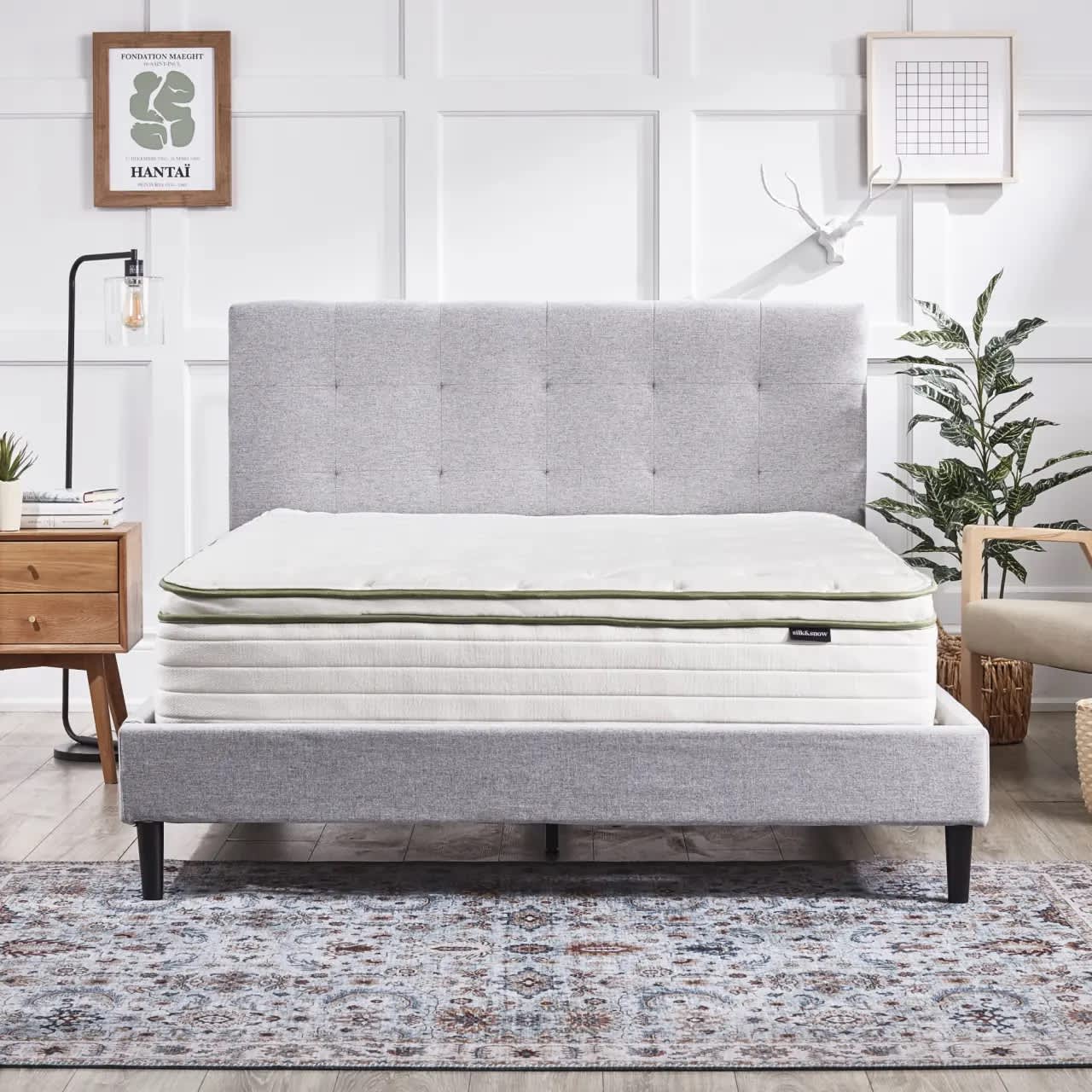
Premium materials at a reasonable price make the Silk & Snow Organic a great buy for value seekers. This bed’s natural comfort layers and medium firm (6) feel work well for side sleepers of all weights. A reinforced coil support core also adds breathability and easy movement.
Ideal forBack and Stomach Sleepers
FirmnessMedium Soft (4), Medium Firm (6), Firm (7)
FeelResponsive Latex
ValueGreat Value
Pros
Certified organic materials reduce exposure to harmful chemicals
Strong edge support makes getting in and out of bed easy
Zoned coil system provides targeted support to help with aches and pains
Cons
Different firmness options come at an added cost
Moderate pressure relief may lead to pressure buildup in the hips
Responsive latex and coil design leads to below-average motion isolation
Side Sleepers
Under 130 lbs
6.0/10
130-230 lbs
6.5/10
Above 230 lbs
6.5/10
Back Sleepers
Under 130 lbs
7.0/10
130-230 lbs
7.5/10
Above 230 lbs
8.0/10
Stomach Sleepers
Under 130 lbs
7.0/10
130-230 lbs
8.0/10
Above 230 lbs
8.0/10
Why We Like It
The Silk & Snow Organic is a medium firm (6), 12-inch hybrid mattress. The bed features largely natural materials, including an organic cotton cover, Joma wool, and organic Dunlop latex. The Silk & Snow Organic’s support core is made up of zoned, pocketed coils with a reinforced perimeter. Despite its extensive use of natural materials and sophisticated construction techniques, the Silk & Snow Organic carries a lower price tag than most similarly constructed models.
How Does It Feel?
Our testers found the Silk & Snow Organic’s moderate contouring and supportive coil core especially comfortable for back and side sleepers between 130 and 230 pounds. Notably, the mattress earned solid marks across weight groups for side sleeping, which is usually the recommended position during pregnancy.
The Silk & Snow Organic’s hybrid construction felt sturdy and responsive. The buoyant latex layer and springy coil system made it easy to move around on the surface. Thanks to zoned support in the center third of the mattress, most of our testers felt they were able to maintain neutral spinal alignment. The bed’s reinforced perimeter also did a very good job supporting our testers’ body weight at the edge of the bed.
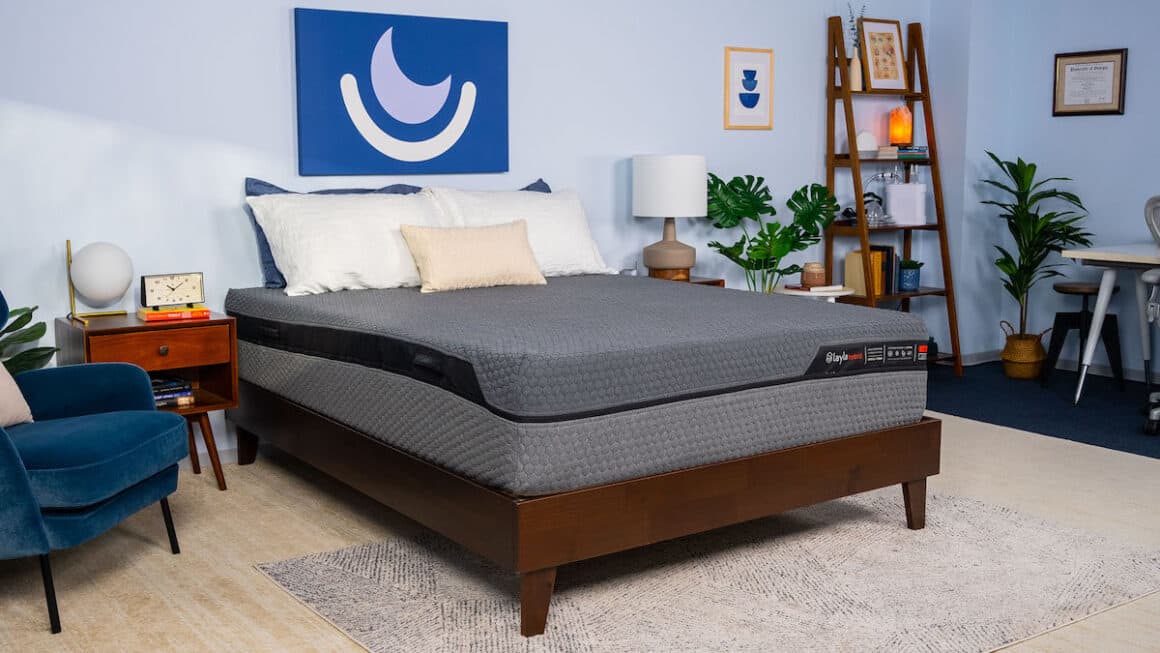
The Layla Hybrid is a flippable mattress with a medium soft (4) side and a firm (7) side that can accommodate a pregnant sleeper’s changing needs. A pocketed coil core with a reinforced perimeter facilitates movement while allowing sleepers to sit or sleep along the edge.
Ideal forSide Sleepers Of Any Weight
FirmnessReversible: Medium Soft (4), Firm (7)
FeelVersatile Pressure Relief
ValueGreat Value
Pros
Flippable design with two firmness levels that cater to changing needs
Strong edge support makes it easy to get out of bed
Thick foam layers on soft side provide hug-like pressure relief
Cons
The mattress is heavy, so pregnant people shouldn’t help flip it without their doctor’s approval
Firm side may not offer sufficient pressure relief for pregnant sleepers
May be harder to change positions on the plush side
Side Sleepers
Under 130 lbs
7.5/10
130-230 lbs
9.0/10
Above 230 lbs
7.5/10
Back Sleepers
Under 130 lbs
7.0/10
130-230 lbs
8.5/10
Above 230 lbs
7.0/10
Stomach Sleepers
Under 130 lbs
5.5/10
130-230 lbs
7.0/10
Above 230 lbs
5.5/10
Why We Like It
The Layla Hybrid is a 13-inch, flippable mattress with a medium soft (4) side and firm (7) side. With two distinct feels built in, the mattress can provide comfort for changing needs and preferences. Both sides incorporate memory foam for close-conforming pressure relief. A copper gel infusion is intended to combat heat retention.
The flippable design of the Layla Hybrid accommodates a wide range of sleepers. This is especially important during pregnancy when your sleep preferences and comfort needs may be in flux. The bed’s strong edge support also made it easier for our testers to get in and out of bed. An antimicrobial barrier is designed to resist bacteria and resulting odors, and the cover is also removable and washable for easy cleaning.
How Does It Feel?
Each of the Layla Hybrid’s sleep surfaces appealed to some of our sleep testers. Our team members who weigh under 130 pounds enjoyed the extra contouring and pressure relief of the medium soft side, especially when laying on their sides. The firm side earned higher marks from sleepers over 230 pounds, back sleepers, and stomach sleepers.
Overall, the hybrid design of the Layla Hybrid has noticeable edge support, and we expect the mattress to hold up well over time. Throughout our testing, we noticed that the firm side provided better airflow and ease of movement, while the softer side offered superior motion isolation and pressure relief.
The DreamCloud Premier Rest is a hybrid bed with a complex, luxury design. The bed’s four-layer comfort system offers impressive pressure relief for side sleepers while staying cool. This hybrid is also incredibly quiet and stifles motion for couples.
Ideal forBack Sleepers
FirmnessMedium Firm (6)
FeelSupoprtive & Pressure Relieving Hybrid
ValueGreat Value
Pros
Outstanding cushioning and support for pregnant side sleepers
Conforms closely without trapping much heat
Little to no noise and better-than-average motion isolation for a hybrid
Cons
Softer edges can be a challenge for mobility changes in late pregnancy
High-profile design requires deep pocket sheets
Complex construction comes with a higher price tag
Side Sleepers
Under 130 lbs
7.5/10
130-230 lbs
8.5/10
Above 230 lbs
/10
Back Sleepers
Under 130 lbs
8.0/10
130-230 lbs
7.5/10
Above 230 lbs
6.5/10
Stomach Sleepers
Under 130 lbs
7.0/10
130-230 lbs
6.0/10
Above 230 lbs
5.5/10
Why We Like It
The DreamCloud Premier Rest is a 16-inch, medium (5) hybrid bed with a luxurious design. It features a plush cashmere blend pillow-top, several layers of foam, and a pocketed coil core. The Premier Rest may be ideal for pregnant side sleepers seeking a high-profile model with significant pressure relief.
How Does It Feel?
Our sleep testers were impressed with the thick, four-layer foam comfort system of the DreamCloud Premier Rest. This design provided noticeable pressure relief and contouring. As a result, we found this bed worked best for side sleeping, the position doctors usually recommend during pregnancy. However, the bed’s ample foam layers and medium (5) feel allowed too much sinkage for some of our testers over 230 pounds.
Additionally, our testers were pleasantly surprised by the Premier Rest’s ability to stay cool despite its thick comfort system and close contouring. The DreamCloud Premier Rest was also very quiet when bearing weight and isolated motion to one side of the bed, making this an excellent option for couples or anyone sharing a bed with a sleep partner.
The WinkBed is a modern innerspring mattress. With four firmness levels to choose from, almost any sleeper can find a model that meets their needs. Zoned support helps bolster the lumbar area to reduce midsection sinkage that could otherwise contribute to back pain.
Ideal forSide Sleepers
FirmnessMedium Soft (4), Medium Firm (6), Firm (7), Firm (8)
FeelPlush, Supportive Surface
ValueGood Value
Pros
Four firmness options to accommodate different sleepers
Zoned pocketed coils support the lower back
Durable design with great edge support
Cons
Average pressure relief
Softer model could slightly impede movement
Firmer options may transfer some vibrations
Side Sleepers
Under 130 lbs
8.0/10
130-230 lbs
9.5/10
Above 230 lbs
8.0/10
Back Sleepers
Under 130 lbs
7.5/10
130-230 lbs
9.0/10
Above 230 lbs
7.5/10
Stomach Sleepers
Under 130 lbs
6.0/10
130-230 lbs
7.5/10
Above 230 lbs
6.0/10
Why We Like It
The WinkBed is a 13.5-inch innerspring mattress that comes in four firmness levels: Softer (4), Luxury Firm (6), Firmer (7), and Plus (8). Designs vary between the firmness options. The Softer, Luxury Firm, and Firmer each include a Euro-top quilted with gel-infused polyfoam to gently cushion the hips and shoulders. The Plus uses a comfort system of polyfoam and latex for extra support. All four designs use zoned pocketed coil cores to promote spinal alignment.
The WinkBed’s four firmness levels allow almost any type of sleeper to find a model that suits their needs and preferences. The bed’s firm models are supportive enough for many pregnant people with back pain, including those who weigh over 230 pounds. Overall, the modern innerspring design is durable and breathable, staying quiet when bearing weight.
How Does It Feel?
We found the WinkBed’s wide range of firmness levels offered excellent comfort for all of our sleep testers regardless of body weight and sleep style. In general, the Softer WinkBed was most comfortable for our sleep testers under 130 pounds, the Luxury Firm appealed to those between 130 and 230 pounds, and the Firmer and the Plus were popular with our team members over 230 pounds.
Our testers reported that the WinkBed’s zoned pocketed coils provided noticeable support for their lower backs, making this model a good option for sleepers with back pain. The comfort system subtly cushioned the surface, while the breathable design limited heat retention. Sturdy reinforced edges made it easy for our testers to sit along the perimeter.
The Birch Mattress is a hybrid bed made with premium, mostly natural materials. The surface stays noticeably cool thanks to breathable layers of wool, natural Talalay latex, and pocketed coils.
Ideal forPeople With Back Pain
FirmnessMedium Firm (6)
FeelBouncy Responsive Feel
ValueGood Value
Pros
Responsive layers facilitate movement
Organic layers of wool and latex combined with coil core sleep cool
Little to no off-gassing
Cons
Responsive layers transfer moderate movement
Minimal hug may not appeal to sleepers who like memory foam
May feel too firm for side sleepers under 130 pounds
Side Sleepers
Under 130 lbs
6.0/10
130-230 lbs
7.5/10
Above 230 lbs
7.5/10
Back Sleepers
Under 130 lbs
7.5/10
130-230 lbs
8.0/10
Above 230 lbs
7.5/10
Stomach Sleepers
Under 130 lbs
6.0/10
130-230 lbs
8.0/10
Above 230 lbs
7.0/10
Why We Like It
We like the Birch Mattress for its quality, natural materials, durable hybrid design, and medium firm (6) feel that meets the needs of many types of sleepers. This bed is also ideal for pregnancy due to its breathable layers and springy, easy-to-move-on surface.
How Does It Feel?
The Birch Mattress has a medium firm (6) feel that our testers found to be a good middle ground with enough support and pressure relief for most body types. The bed’s wool and Talalay latex comfort system contoured to our testers’ bodies without letting them sink in very deeply. While this combination helped redistribute their weight, it also made position changes easy. Additionally, the comfort system’s natural materials were noticeably cool.
Across weight groups and positions, the Birch Mattress earned high marks from our testers. It performed especially well for side sleepers over 130 pounds. However, we recorded moderate vibrations traveling across the surface when our testers changed positions.
As your body grows and transforms during pregnancy, so do your sleep needs and patterns.
Trimester
Common Symptoms
First
At the beginning of a pregnancy, you might find yourself overwhelmingly tired as your body works overtime. While some people sleep well in the first trimester, discomfort from nausea, tender breasts, headaches, heartburn, and frequent bathroom trips can make it harder to get a restful night.
Second
Just when you start to feel a bit more like yourself, finding a comfortable position becomes a nightly challenge. In the second trimester, back and leg pains may intrude on your sleep, alongside swollen ankles and fingers.
Third
The third trimester brings its own set of sleep disruptions: frequent bathroom visits, heartburn, laboredbreathing, and the physical challenge of finding a comfortable sleep position due to your growing baby bump. Anxiety about the upcoming arrival can also impact sleep quality.
What Should You Consider in a Mattress for Pregnancy?
Choosing the right mattress during pregnancy is about optimizing comfort and support. The right mattress should enhance your sleep quality, offering relief from the discomforts associated with pregnancy and accommodating your body’s changing needs.
Mobility
When pregnant, changing positions or getting in and out of bed can become a surprisingly challenging task. A mattress with good edge support and ease of movement can make a world of difference, especially in the later stages of pregnancy. If you share the bed with a partner or pet, consider a mattress that minimizes motion transfer so both you and your partner enjoy undisturbed sleep.
Pain Relief
A good mattress provides strong pressure relief to areas prone to pain when sleeping during pregnancy, especially the back, hips, and shoulders. Materials like memory foam and latex conform to the body’s shape, offering targeted relief where it’s needed most. It’s also important to find a supportive mattress to prevent back pain as your baby grows.
Breathability
Some people run warm during pregnancy, so a mattress that effectively regulates temperature can help you stay cool and comfortable through the night. Naturally breathable mattress types include hybrids and latex models, while other materials may be enhanced with cooling gels, phase change materials, or ventilated and open-cell designs.
Off-Gassing
Off-gassing refers to the release of volatile organic compounds (VOCs) from new foam mattresses. These compounds are created when a mattress is manufactured and can create an unpleasant smell when mattresses are initially unwrapped from their packaging. Many pregnant people find they are especially sensitive to smell, so opt for a mattress made with natural materials or one with low VOC emissions that is certified by organizations like CertiPUR-US.
Price, Sleep Trial, and Warranty
Pregnancy comes with its own set of expenses, but being thoughtful about price, trials, and warranties can help your money go further. A queen-sized mattress typically ranges from $1,100 to $2,200. Sleep trials allow you to test a mattress at home with the option to return it if it doesn’t meet your needs. Warranties protect your investment, covering defects for a specified period and providing added reassurance during a time of significant change.
What Is the Best Mattress Type for Pregnancy?
The material from which a mattress is constructed significantly influences its performance, affecting everything from support and comfort to temperature regulation. When selecting the best mattress type for pregnancy, consider how each material caters to the changing demands of your body.
Mattress Type
Pros
Cons
Foam
Foam mattresses shine in their ability to provide excellent pressure relief and motion isolation, both perks during pregnancy.
Close-conforming foams may retain heat, which could feel uncomfortable for some pregnant sleepers. Foam mattresses may lack support for people over 230 pounds.
Hybrid and Innerspring
Thanks to their coil core, hybrids and innersprings balance support and breathability. Their enhanced responsiveness is helpful for getting in and out of bed.
Many hybrids and innersprings don’t provide the plush comfort some expectant people desire, and motion transfer is higher in innerspring models.
Latex
Latex beds are highly responsive, durable, and breathable. Natural latex models are also eco-friendly and have a much lower potential for off-gassing compared with a synthetic foam mattress.
Many latex mattresses are luxury beds with corresponding price tags. This can be a barrier considering all of the purchases needed during a pregnancy.
Airbed
Airbeds allow you to adjust the mattress’ firmness as pregnancy progresses. Full-size and larger airbeds often allow sleeping partners to choose a different firmness on each side of the bed.
Like natural latex models, airbeds are generally expensive. Additionally, some pregnant people find it difficult to pinpoint the right firmness level, adding another source of frustration during restless nights.
Adjustable
Adjustable beds provide flexibility in your sleep positioning, reducing discomfort by allowing you to elevate parts of the mattress. This may be helpful for pregnant people experiencing swollen ankles or back pain.
In addition to a higher cost for the adjustable bed frame, not all mattresses are compatible.
Video: Breaking Down Common Mattress Types
Watch our video to learn more about the similarities and differences between some of the major types of mattresses available.
How to Choose the Right Mattress Firmness for Pregnancy
The best mattress firmness for pregnancy varies based on your sleeping position, body weight, and personal preferences. Our suggestions focus on side sleepers, as doctors recommend left side sleeping during pregnancy to promote optimal blood flow and minimize pressure on the internal organs.
Our testing team suggests that most pregnant side sleepers look for a medium to medium firm mattress to accommodate changes in body weight and shape. Our 10-point firmness scale, which assigns lower numbers to soft mattresses and higher numbers to firm mattresses, can help you find the level of support and comfort that’s tailored to your needs.
Under 130 lbs.
Between 130 and 230 lbs.
Over 230 lbs.
Side Sleepers
Soft (3) to Medium (5)
Medium Soft (4) to Medium (5)
Medium Firm (6) to Firm (7)
Back Sleepers
Soft (3) to Medium (5)
Medium (5) to Firm (7)
Firm (7-8) to Extra Firm (9)
Stomach Sleepers
Medium Soft (4) to Medium Firm (6)
Medium (5) to Firm (7)
Firm (7-8) to Extra Firm (9)
Tips for Sleeping More Comfortably During Pregnancy
Sleeping during pregnancy can be challenging. We’ll offer practical tips and accessories to help you sleep better while pregnant.
Bedding Accessories for Pregnancy
Body and pregnancy pillows, mattress toppers, and adjustable bed bases can all help make your bed more comfortable during pregnancy. Pillows support the stomach and fit between the knees or under the lower back to reduce back strain, while mattress toppers can adjust the bed’s firmness level. An adjustable bed base allows for easy changes in sleeping position, which may be particularly helpful as pregnancy progresses.
Practice Healthy Sleep Hygiene
Maintaining healthy sleep hygiene can help you improve sleep during pregnancy. Experts recommend establishing a consistent sleep schedule, taking brief naps during the day, and adjusting your nighttime eating habits to avoid heartburn. Incorporating light exercise and relaxation techniques can also promote better sleep.
Sleep on Your Left Side
Sleeping on your left side is strongly recommended during pregnancy. This position improves circulation and blood flow to your baby, kidneys, and uterus. Utilizing body pillows can make side sleeping more comfortable, providing support and reducing pressure on your back and hips.
As long as you have a supportive mattress and pillow you’re less likely to experience back and neck pain while sleeping on your side.
Talk With Your Doctor
If you experience persistent sleep challenges during pregnancy, it’s important to check in with your doctor. They can offer personalized advice and address any potential underlying conditions, ensuring both your and your baby’s health and well-being.
Discover More Mattress Solutions
Looking to fine-tune your choices? We have a wealth of mattress guides to help you find the best mattress for your individual sleep style.
Our team at Sleep Doctor brings years of expertise and dedication to helping you find the right mattress for your pregnancy. When considering pregnancy and sleep, we examined a wide range of mattresses with pregnant sleepers in mind, rigorously testing every model for performance factors like pressure relief, edge support, and temperature regulation.
Discover more about our meticulous process on our methodology page, where we detail our testing and commitment to helping you find your perfect mattress.
Frequently Asked Questions
What is the best mattress for pregnancy?
Most people agree that the best mattress for pregnancy offers a blend of pressure relief, support, ease of movement, and breathability. We recommend materials that provide gentle contouring and consistent support, like medium firm memory foam or hybrid mattresses.
Is a soft or firm mattress better for pregnancy?
Whether to choose a soft or firm mattress during pregnancy depends on your sleep position, body weight, and personal preferences. For most people, a medium to medium firm model can help support spinal alignment while also cushioning pressure points.
What is the best sleeping position for pregnancy?
Side sleeping, especially on your left side, is widely regarded as the best sleeping position during pregnancy. This position keeps the weight of the baby off a primary vein, in turn facilitating blood flow to the fetus and your major organs.
How can you get better sleep during pregnancy?
To improve your sleep during pregnancy, maintain a regular sleep schedule, reduce caffeine intake, and try not to have big meals before bed. Build a relaxing nighttime routine that includes calming activities, like reading, listening to soft music, or taking a warm bath. If you’re still having trouble sleeping well, talk to your doctor.
Alison is a health writer with ample experience reading and interpreting academic, peer-reviewed research. Based in San Diego, she is published in the journal PLOS Genetics and the Journal of Biological Chemistry and has been a copywriter for SmartBug media. With a master’s degree in biochemistry from the University of California, Davis, she has nearly a decade of academic research experience in life sciences. She enjoys helping people cut through the noise to understand the bigger picture about sleep and health. Alison likes to stay active with rock climbing, hiking, and walking her dog.