Allergy symptoms like nasal congestion and breathing difficulties can impair sleep, often leading to fatigue and diminished performance the next day. Sleepers with allergies may improve their rest by limiting potential triggers in their bedroom environment, including dust, pet dander, mold, and mildew. Finding a mattress that minimizes exposure to common allergens may also help keep allergy symptoms at bay.
We’ll explore some of the best mattresses for allergies. You can also find several allergy-friendly models in our guide to the best mattress of 2025. Sleepers who are sensitive to chemicals and other synthetic materials may want to check out our picks for the best organic mattresses.
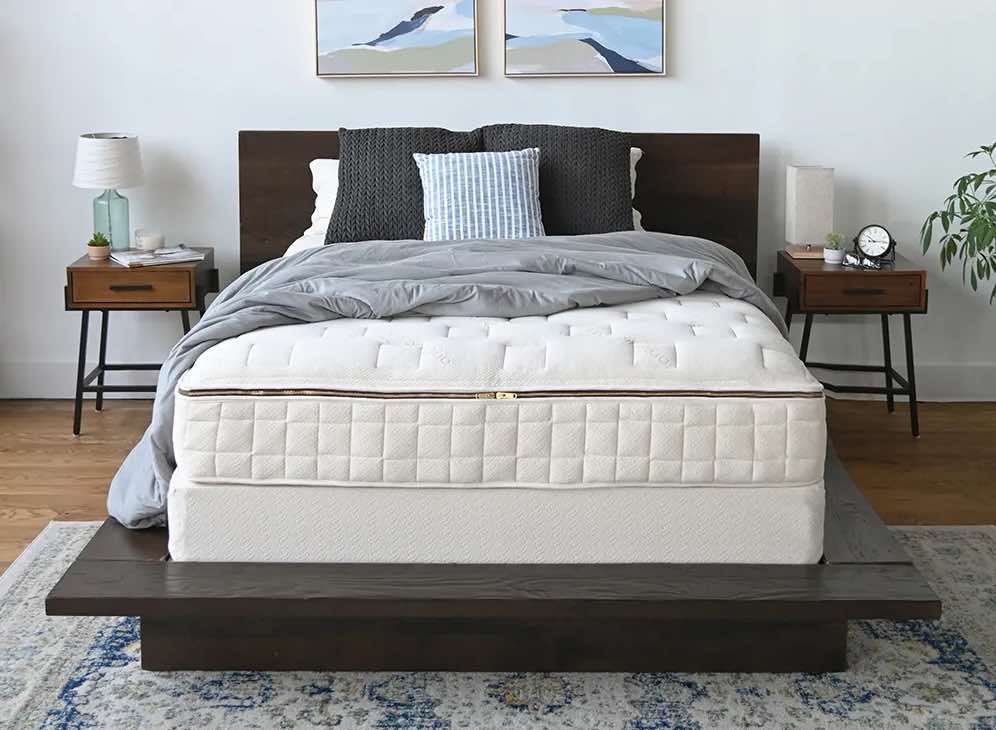
The Birch Mattress features a latex and coil design topped with cotton and wool layers to cushion your body. All the materials are known for their breathability, so we highly recommend this model for hot sleepers.
Ideal forPeople With Back Pain
FirmnessMedium Firm (6)
FeelBouncy Responsive Feel
ValueGood Value
Pros
Breathable construction limits heat buildup and moisture retention that could otherwise fuel microbial growth
Latex and wool excel at thermoregulation
Certifications from eco-INSTITUT and GREENGUARD Gold ensure low volatile organic compound (VOC) emissions
Cons
Not suitable for sleepers sensitive to latex or wool
Side sleepers under 130 pounds may benefit from a bed with more pressure relief
Side Sleepers
Under 130 lbs
6.0/10
130-230 lbs
7.5/10
Above 230 lbs
7.5/10
Back Sleepers
Under 130 lbs
7.5/10
130-230 lbs
8.0/10
Above 230 lbs
7.5/10
Stomach Sleepers
Under 130 lbs
6.0/10
130-230 lbs
8.0/10
Above 230 lbs
7.0/10
Why We Like It
Constructed from natural and organic materials, the Birch Mattress is ideal for eco-conscious shoppers with allergies who also tend to sleep hot. Our testers found that the layers of cotton, wool, and latex increased the mattress’ breathability while resisting allergen buildup. The hybrid model merges pocketed coils with Talalay latex for responsive support, and a medium firm (6) feel made the mattress suitable for all of our testers, regardless of weight.
A stretchy and breathable GOTS-certified organic cotton cover encases the mattress. A blend of organic wool and rayon below serves as a natural fire barrier, while an additional wool layer cushions sleepers. Our testing team liked that the layer of natural Talalay latex balanced contouring with responsiveness. The latex is certified by the eco-INSTITUT, indicating that it meets rigorous standards concerning chemical emissions.
How Does It Feel?
We noticed that the pocketed coil core gave the mattress bounce without generating significant motion transfer. The individually wrapped coils promote airflow, which our testers found helped the mattress stay cool. Sturdier coils reinforce the perimeter, providing robust edge support that allowed our testers to use more of the mattress’ surface. A wool-rayon blend layer completes the mattress, acting as an additional flame barrier.
With organic materials and a medium firm (6) feel, the Birch suits a wide range of sleepers looking for a sustainably made mattress designed to minimize allergens.
The Naturepedic EOS Classic is one of the most customizable hybrids we’ve ever tested. The latex and coil model is available in five firmness levels with the option to customize firmness for each side of the bed. We recommend this bed for co-sleepers who have different comfort preferences.
Ideal forCouples
FirmnessMedium Soft (4), Medium (5), Medium Firm (6), Firm (7), Firm (8)
FeelResponsive Buoyant Latex
ValueGreat Value
Pros
Interchangeable layers allow you to customize the feel
Comes in wool-free and latex-free versions
GOTS and GREENGUARD Gold certifications ensure organic sourcing and low chemical emissions
Cons
Wool and latex model is not suitable for sleepers allergic to either material
Above-average price-point
Side Sleepers
Under 130 lbs
7.0/10
130-230 lbs
8.5/10
Above 230 lbs
7.0/10
Back Sleepers
Under 130 lbs
7.5/10
130-230 lbs
9.0/10
Above 230 lbs
7.5/10
Stomach Sleepers
Under 130 lbs
6.0/10
130-230 lbs
7.5/10
Above 230 lbs
6.0/10
Why We Like It
The Naturepedic EOS Classic is a latex hybrid mattress with standout customizability features. You can configure the bed into five different firmness options and may also customize different configurations for each side of the bed.
The mattress contains a cotton cover quilted with wool batting and a plant-based PLA material, a 3-inch organic latex layer, an 8-inch layer of pocketed coils, and organic cotton batting. The latex and coil layers each come in different firmness levels and you can place these layers in whichever order feels most comfortable. Depending on which firmness layers you choose and how you order the layers, your firmness options are medium soft (4), medium (5), medium firm (6), firm (7), and firm (8).
How Does It Feel?
Thanks to the excellent customization options, the EOS Classic is suitable for a wide variety of sleep positions and body weights. During testing, stomach sleepers felt most comfortable on firmer configurations. Side sleepers preferred options with more cushioning to help relieve pressure in the shoulders and hips, and back sleepers were most satisfied with medium firm to firm options. Those over 230 pounds felt more comfortable on the firm configurations.
Our tests showed that the EOS Classic sleeps exceptionally cool. This is due in large part to the natural cooling properties of latex and strong ventilation through the coils. The mattress has GREENGUARD certification to ensure low chemical emissions and the latex and cotton are GOLS- and GOTS-certified, respectively, to show that the bed has organic sourcing.
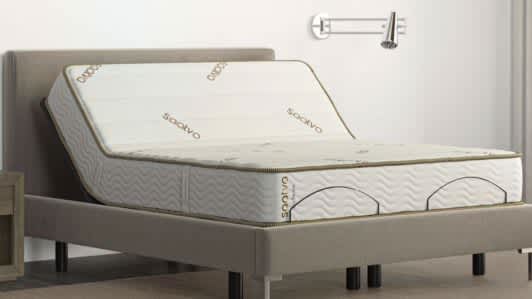
The Zenhaven is an all-latex model with a flippable design that provides a different firmness level on each side of the mattress. Most testers on our team found a side that suited their sleep position and personal preferences.
Ideal forHot Sleepers
FirmnessMedium Soft (4), Firm (7)
FeelLight and Responsive Bounce
ValueGood Value
Pros
Wool is GOTS-certified and latex is GOLS-certified to guarantee organic sourcing
Latex and wool provide natural cooling properties
Dual-sided design offers two firmness levels
Cons
Not ideal for sleepers with wool or latex allergies
Produces noticeable motion transfer
Side Sleepers
Under 130 lbs
7.0/10
130-230 lbs
8.5/10
Above 230 lbs
7.0/10
Back Sleepers
Under 130 lbs
7.5/10
130-230 lbs
9.0/10
Above 230 lbs
7.5/10
Stomach Sleepers
Under 130 lbs
6.0/10
130-230 lbs
7.5/10
Above 230 lbs
6.0/10
Why We Like It
Saatva’s Zenhaven is a natural latex mattress designed to repel everyday allergens like dust mites, mold, and dander. The latex undergoes a special process to remove proteins that typically trigger symptoms. The Zenhaven is also free of harsh chemicals and dyes.
Latex is known to be resilient, and our testing indicated the Zenhaven is a durable mattress. Additionally, our testers noticed the mattress had minimal off-gassing, meaning it doesn’t produce much of the smell commonly associated with memory foam mattresses right after unboxing.
The mattress also has Rainforest Alliance certification, showing that the latex used in its construction was sourced according to strict environmental and social standards.
How Does It Feel
The flippable design offers two different firmness levels: medium soft (4) and firm (7). A GOTS-certified organic cotton cover is designed to draw heat away from your body. The cover is treated with Saatva’s Guardin, a nontoxic treatment intended to reduce microbial growth. A 1-inch layer of organic wool on each side functions as a natural fire barrier.
Both sides use Dunlop latex with small perforations designed to promote airflow. The comfort layers are divided into five zones, which our testers noticed offered targeted support to their backs and midsections. The medium soft side offers deeper contouring, which suited most of our side-sleeping testers. An additional layer of firm Dunlop latex on the reverse side creates a sturdier feel that better suited our back and stomach sleepers.
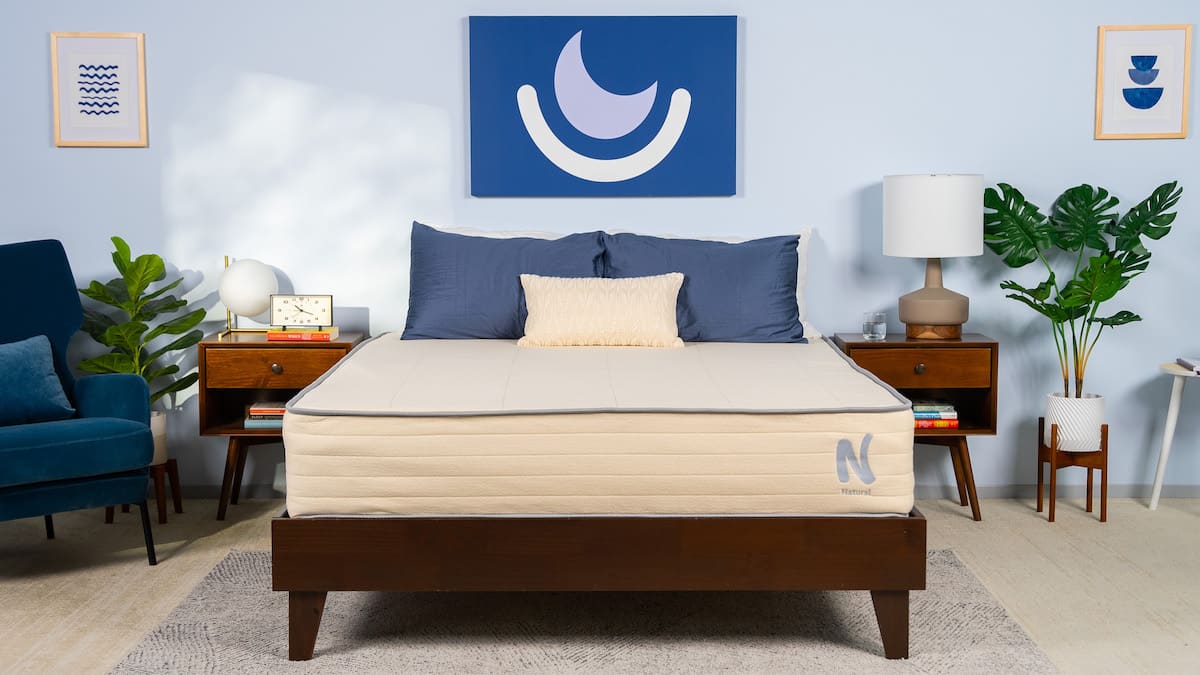
The Nolah Natural 11’s latex layers and coil core are well-suited to sleepers who need solid support with gentle cradling on the surface. Most testers on our team found this comfortable, regardless of their sleep position.
Ideal forSide Sleepers
FirmnessMedium Firm (6)
FeelBreathable and Bouncy Latex
ValueGood Value
Pros
Cotton and wool are certified organic
Latex and wool construction promotes breathability and temperature regulation
Certifications from GREENGUARD Gold and eco-INSTITUT verify that the mattress meets high standards for VOC emissions
Cons
Co-sleepers may feel movement when their partner changes positions
Side sleepers under 130 pounds with sharp pressure points may prefer a mattress with more give
Side Sleepers
Under 130 lbs
7.5/10
130-230 lbs
8.0/10
Above 230 lbs
7.0/10
Back Sleepers
Under 130 lbs
8.0/10
130-230 lbs
8.0/10
Above 230 lbs
6.5/10
Stomach Sleepers
Under 130 lbs
7.5/10
130-230 lbs
7.0/10
Above 230 lbs
6.0/10
Why We Like It
Blending responsive latex with a pocketed coil core, the Nolah Natural 11 addresses vulnerable pressure points on the spine, hips, and shoulders. The Talalay latex comfort system contours your body while still providing a responsive feel. With an 11-inch profile and a balanced medium firm (6) feel, the hybrid mattress performed well for all of our testers regardless of body size or sleep position.
The mattress is topped with breathable layers of GOTS-certified organic wool and cotton. This means that an official body has reviewed the supply chain to make sure the process is actually organic, according to professional standards. The mattress also has Rainforest Alliance certifications, indicating that it meets strict content and environmental guidelines.
How Does It Feel?
Our testers reported that the 2-inch layer of natural Talalay latex conformed to their bodies, providing standout pressure relief. A 1-inch layer of transitional Talalay latex supported spinal alignment, helping to prevent aches and pains.
Nolah’s HDMax Tri-Zone coiled core is zoned, which gave our testers targeted support and minimized sinkage. The coils are individually wrapped and lined with cotton and wool to increase breathability.
With excellent pressure-relieving abilities and a medium firm (6) feel, the Nolah Mattress suits a wide range of sleepers looking for a foam bed that contours to the body and sleeps cool. Its certified materials also make it less likely to collect allergens and exacerbate allergy symptoms.
The Brooklyn Bedding Aurora Luxe uses copper, cooling gel, and heat-dissipating phase change material to maintain a comfortable surface temperature at all times. As a result, the mattress outperforms many competing foam hybrids in terms of breathability and thermoregulation.
Ideal forHot Sleepers
FirmnessMedium Soft (4), Medium Firm (6), Firm (7)
FeelResponsive Hybrid Support
ValueGood Value
Pros
Cooling infusions prevent excessive overheating on the surface
Zoned coils with perimeter reinforcement provide excellent stability
Available in three firmness levels
Cons
Foam layers may hinder movement on the surface
Firmness exchanges not allowed during the sleep trial
Side Sleepers
Under 130 lbs
8.0/10
130-230 lbs
9.5/10
Above 230 lbs
8.0/10
Back Sleepers
Under 130 lbs
7.5/10
130-230 lbs
9.0/10
Above 230 lbs
7.5/10
Stomach Sleepers
Under 130 lbs
6.0/10
130-230 lbs
7.5/10
Above 230 lbs
6.0/10
Why We Like It
During our hands-on tests, we found that the medium soft (4) Aurora Luxe is a great match for side sleepers and back sleepers under 130 pounds. These sleepers often benefit from extra cushioning around the shoulders and hips. Those between 130 and 230 pounds may prefer the medium firm (6) for its gentler contour and stronger core support. If you weigh more than 230 pounds or sleep on your stomach, the firm (7) design should provide the reinforcement you need to sleep comfortably without sinking too deeply into the mattress.
Temperature control is one of the Aurora Luxe's defining strengths. A mix of copper, gel, and phase change material help the mattress minimize heat absorption on the surface, while the coils promote air circulation to help the interior maintain a cool temperature. Motion isolation is another performance area where the Aurora Luxe shines. This can be attributed to the thick foam layers. All three designs also excel at pressure relief, though choosing the right firmness for your body type and sleep position is key.
How Does It Feel?
With more than 4 inches of foam padding in its Euro-top comfort system, the Aurora Luxe feels invitingly plush when you get into bed. You'll feel the adaptive polyfoam and memory foam layers molding to your figure as your body settles, and this cradling effect can help promote even alignment and reduce pressure in sensitive areas along your spine. Cooling materials in these layers also reduce heat retention, so you shouldn't feel overly warm.
Dense transitional foam pushes back against your weight to form a buffer between your body and the support core. The pocketed coils are divided into three zones with thicker springs resting beneath your torso and hips – this ensures the heaviest parts of your body won't compress the mattress more than your head and legs.
If you frequently get allergic reactions from contaminants like mold and dust mites, I recommend keeping an eye out for beds made of latex or high-density foam. These materials help keep common allergens at bay.
Benefits of a Hypoallergenic Mattress
Sleeping with allergies is often a challenge. Common symptoms, such as nasal congestion, are associated with poor sleep quality, which may then impact your productivity and quality of life the following day. A hypoallergenic mattress can help limit allergens in the bedroom environment, potentially reducing symptoms for sleepers with allergies.
Even sleepers without allergies may prefer to reduce their exposure to dust mites, mold, mildew, pollen, and other contaminants. Individuals with sensitive skin, asthma, or other respiratory issues may benefit from a hypoallergenic sleep surface that limits exposure to these irritants. Additionally, some parents prefer a hypoallergenic mattress for their children in order to maintain a more hygienic sleeping area.
What Is the Best Mattress Type for Allergies?
Depending on the nature and severity of your allergy symptoms, any of the most common mattress types may be appropriate for you. While some mattresses tend to be better suited to sleepers with allergies than others, individual models vary significantly. We recommend paying attention to materials, construction, and overall quality to choose what’s best for you.
Mattress Type
Description
Considerations
Foam
Foam mattresses are made with polyfoam or memory foam that closely molds to the sleeper’s body. These models typically offer significant pressure relief and motion isolation.
Memory foam and high-density polyfoam may be less susceptible to dust mites and other allergens, but off-gassing odors could be a challenge for those with chemical sensitivities.
Latex
Latex mattresses contain layers of natural, synthetic, or blended latex, though most use natural latex. This type of mattress is known for its responsiveness, temperature control, and durability.
Latex is naturally hypoallergenic when it comes to allergens like mold, mildew, and dust mites, but some sleepers may be allergic to the latex itself. Also, the surface may feel too bouncy for those who share the bed with a restless sleeper.
Hybrid/Innerspring
An innerspring mattress consists primarily of a coil core with little padding on the surface, whereas a hybrid model pairs a thicker foam or latex comfort system with a coil core. These designs tend to be breathable and responsive.
Hypoallergenic comfort systems can limit allergen exposure, and some designs feature covers with antimicrobial treatments, but coil systems or fiber padding could potentially harbor allergens.
Airbed
Airbeds typically combine a foam or latex comfort system with an air chamber core. You can adjust the firmness by filling or emptying the air chambers.
The price-point is typically higher than other mattress types, but air chambers are luckily not conducive to allergens and the comfort systems are frequently made with hypoallergenic materials.
Video: Is a Latex Mattress Right for You?
Watch our video to learn more about whether a latex mattress is best for you and what to consider when shopping for one.
How to Make Your Bed Allergy-Friendly
Irritants or allergens in your bedding or mattress can contribute to uncomfortable allergy symptoms. Whether these symptoms are caused by dust mites, sleeping with a pet, or other allergens, making your bed more allergy-friendly could help you get a better night’s sleep.
Buy the Right Bedding
In addition to selecting a hypoallergenic mattress, try to find allergy-friendly bedding. Allergens can build up in your sheets, blankets, pillows, and other bedding materials, so look for options that are easy to clean and designed to resist allergens.
Sheets and Blankets: Smooth, tightly woven fabrics tend to be less prone to allergen buildup. Many sleepers with allergies prefer breathable, natural materials, such as cotton, wool, and silk. Air circulation can help reduce the risk of mold or mildew, while natural materials generally contain fewer chemicals and dyes that sleepers might be sensitive to.
Pillows: Memory foam and latex pillows are usually among the top options for sleepers with allergies. Down and feather options often trap moisture, potentially promoting allergy-inducing mold growth. Additionally, pillows with loose fiber fill may harbor dust mites.
Clean Your Bed Regularly
Cleaning your bed environment helps remove allergens from your sleep space. We suggest washing your sheets weekly to reduce the allergens you’re in contact with. You can also clean your mattress by stripping it and vacuuming the surface with an upholstery attachment. We generally recommend doing this every six months, though individuals with allergies may prefer to do it more often.
A mattress protector can also provide an extra barrier between you and your mattress. If allergens have already accumulated in your bed, a mattress protector could limit your exposure. If your mattress is new, a protector can help prevent allergen buildup that might otherwise shorten its lifespan.
Additional Tips for Sleeping Soundly With Allergies
In addition to buying the right mattress and bedding and keeping them clean, people with allergies can take other steps to get better rest.
Use an air purifier: A high-quality air filtration system helps remove airborne particles.
Avoid sleeping with pets: Pet dander can trigger allergy symptoms for some sleepers, so sleeping with pets in the bed might exacerbate allergies and may also track other allergens into your bedroom.
Shower before bed: Dust and pollen may linger on your skin and hair. Showering before you go to sleep reduces the amount of allergens you bring into your bed.
Clean your bedroom regularly: Vacuuming, dusting, and regularly cleaning any fabrics and surfaces in your bedroom can reduce allergen buildup.
Limit outdoor allergens: Leave your windows closed and keep any clothing that you’ve worn outdoors away from your bed.
Consult your doctor: Discuss your allergy symptoms with a medical professional to investigate the potential causes. Your doctor may recommend a course of action to help you get better sleep.
Discover More Mattress Solutions
If you’ve narrowed down the type of mattress you want but need more options, check out our testing team’s picks below.
We rely on extensive lab-based product testing to help you choose the right mattress. Our testers vary in body type and sleep position to ensure our mattress evaluations are inclusive of many different sleepers. Before choosing our picks for the best mattresses for allergies, we tested dozens of top contenders using our product testing methodology and assessed their materials and performance.
Frequently Asked Questions
What is the best mattress for allergies?
The best mattress for allergies typically contains hypoallergenic materials and resists mold, mildew, dust mites, and other allergens. Many sleepers with allergies also prefer natural materials to limit their exposure to chemicals that could cause irritation.
What is the best sleeping position for allergies?
Many sleepers with allergies prefer to lie on their side or on their back with their head propped up. Sleeping on your side can help keep your airway open, and elevating your upper body with extra pillows or a wedge pillow often helps alleviate congestion and postnasal drip.
How do you know if your bed is making your allergies worse?
If your allergy symptoms are more severe overnight or when you first wake up, your bed might be making your allergies worse. You can try laundering your bedding and cleaning your bedroom to see if your symptoms improve. If not, it may be time to consider a new mattress.
What is the best bedding for allergies?
The best bedding for allergies is made with breathable, hypoallergenic materials that are easy to clean. Tightly woven fabrics and natural materials, such as cotton, wool, linen, and silk, may be beneficial for sleepers who have allergies. Since regular laundering is critical for removing allergens, ease of care may be just as high of a priority.
How can you protect a mattress from allergens?
You can protect your mattress from allergens by selecting a model made with hypoallergenic materials, cleaning it periodically, washing your bedding regularly, maintaining a clean bedroom, and using a mattress protector. While some allergens may still accumulate on or in your mattress over time, regular care and maintenance can help reduce buildup and extend the mattress’ lifespan.
David is a Certified Sleep Science Coach with a lifelong passion for well-being and health optimization. His interest in sleep developed with the arrival of his son, when sleep suddenly became a precious commodity. Since then, David has researched everything from bedtime routines to mattress toppers in his quest for a great night’s sleep.