Feather pillows have long been prized for their softness and conforming. Although easily confused with down, feathers are a distinct material that provides a different sleep experience. With varying compositions, densities, feels, and constructions, feather pillows come in a wide range of options to suit diverse needs and preferences.
We rigorously tested dozens of feather pillow models to assess their performance. Based on our test results, we’ll share our top picks. To help you select the best option for your sleep needs, we’ll also discuss important factors to consider, such as loft, firmness, and sleep position. Finally, we will go over basic cleaning and maintenance tips.
Fill MaterialEuropean white down ~85%
Down/feather blend ~15%
FirmnessSoft, Medium, Firm
Price$129
Cover Materials100% sateen weave cotton
Pros
750 fill power European white down for supportive softness
Three firmness options satisfy virtually all preferences
Machine-washable for easy care
Cons
Sleepers of all weights and position preferences
Shoppers who prefer a generous warranty period
People who want an easy-to-clean down pillow
With three firmness options, the Parachute Down Pillow is designed for sleepers with varying position preferences.
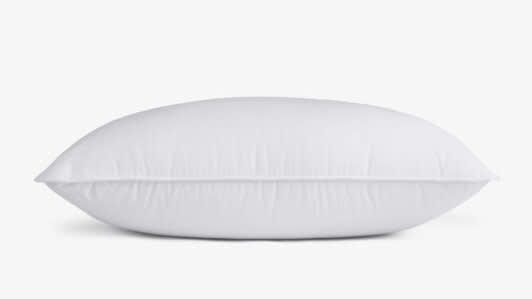
A smooth cotton sateen shell wraps around 750 fill power European white down. The fill includes 85% down and 15% down and feather blend. This combination creates a fluffy 7-inch loft. A double-stitched piping seam helps secure the edge for greater durability.
We tested each of the three density options to determine what positions they best accommodate. Our stomach sleepers found the soft option most comfortable. It allowed their heads to sink deeply enough for adequate alignment. However, the loft was a bit high for some testers. The medium density worked well for our combination sleepers. Its balance of comfort and support allowed testers to change positions easily. Our side and back sleepers preferred the consistent support of the firm option.
The Parachute Down Pillow comes in standard and king sizes and is machine-washable. Orders ship to all 50 states in the U.S. The pillow has a return window of 60 days and comes with a three-year warranty.
Thanks to its plush, supportive design and three firmness options, the Parachute Down Pillow is comfortable for most sleepers. Given its high loft, we especially recommend it for back, side, and combination sleepers.
Three-chamber design with feather blend core for extra support
Breathable cotton cambric cover
German piping and double stitching for improved durability
Cons
Sleepers who enjoy the plushness of down
Those who scrunch up their pillow
Shoppers who value a sleep trial
The Helix Down & Feather Pillow uses a distinct three-chamber construction intended to cushion the head and neck without going flat. For many side and back sleepers, this design provides exceptional comfort and support.
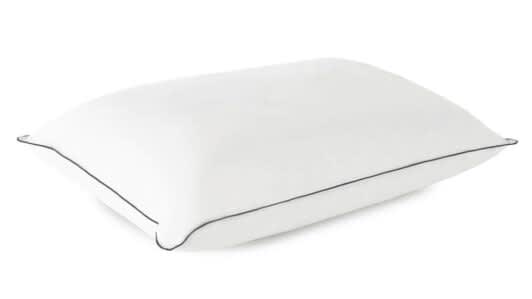
A breathable cover made of 100% cotton cambric felt smooth and cool to our testing team. Double stitching and German piping along the edges fortify the seam to enhance the pillow’s longevity. The inner core consists of a down and feather blend designed to resist clumping for consistent support. Two outer chambers contain 550 fill power white down for lofty fluffiness. Responsible Down Standard certification verifies that the materials come from farms that respect animal welfare.
During testing, this pillow was comfortable for most of our team members. The inner core helped maintain the pillow’s shape and loft, which encouraged good spinal alignment for our side and back sleepers. Our stomach sleepers under 130 pounds also enjoyed plush support.
Size options include standard and king. The Helix Down & Feather Pillow comes with free shipping to all 50 states. Customers also receive a 100-night sleep trial and a one-year limited warranty.
The Helix Down & Feather Pillow’s inner support and outer softness enhanced the sleep experience for our side and back sleepers. With its unique three-chamber design, this pillow is a good fit for sleepers looking to maintain their posture without sacrificing plushness.
People who prefer feather pillows but have allergies
Shoppers looking for value
The Pacific Coast Feather Best Pillow is plush and affordable with fewer potential allergens than many models. Given its budget-friendly price-point and quality construction, it is well suited to value seekers.
This model has a 230 thread count brushed cotton shell with an internal barrier designed to prevent feathers from poking through. The fill consists of fluffy Hyperclean Resilia feathers that have been washed approximately eight times to remove dirt, dust, and debris that could otherwise trigger allergy symptoms. The Feather Best Pillow comes with a 30-day allergy free warranty that allows shoppers to return the pillow if they experience allergy symptoms.
Because of its high loft, this pillow is best suited for side and back sleepers. Our team members enjoyed the plush but springy feel of the Resilia feathers, which made it easy for them to change positions without the pillow going flat. Sturdy stitching and piping around the edges prevent feather leakage and improve overall durability.
The Pacific Coast Feather Best Pillow is machine-washable, so it’s a good option for people concerned with pillow hygiene. Customers receive free shipping on orders over $99 in the contiguous U.S. In addition to the allergy free warranty, the pillow comes with a 30-night sleep trial and a three-year limited warranty.
We recommend the Pacific Coast Feather Best Pillow for budget-conscious side and back sleepers. It may particularly appeal to those with allergies who want a feather pillow.
Fill Material550 fill power white duck down, feather fill
FirmnessMedium
Price$120
Cover Materials100% cotton cambric
Pros
Balanced construction includes a pure down outer chamber and feather core
Shell composed of smooth, breathable cotton cambric
RDS certification indicates animals are treated humanely and ethically
Cons
Side and back sleepers
People who run hot in bed
Consumers who prefer to buy and use animal-friendly products
PlushBeds’ Hotel Chamber Down & Feather Pillow brings the elegance and luxury of hotel-style bedding to your own bedroom. The thoughtful design features an outer chamber stuffed with pure down and supportive feathers in the core compartment, resulting in a plush surface for your head and neck without too much compression. A breathable cotton cambric shell completes the sophisticated design.
During our hands-on tests, we found that the pillow is ideal for side and back sleepers. Plenty of loft ensures ample cushioning to fill the space between your head and neck — an important quality for side sleeping — and the feather core ensures your head won’t sink too much, so back sleepers are less susceptible to issues like neck aches and snoring. Stomach sleepers may need a slimmer pillow that flattens more and elevates the neck to a lesser extent.
Double-stitched seams with subtle piping add to the sophisticated style. PlushBeds advises against machine washing the pillow, as this can cause permanent damage. Instead, you may spot clean if stains or smudges occur and use a protector to shield the insert from contaminants. Standard and king sizes are available. The pillow has received certification from the Responsible Down Standard, one of the world’s leading authorities for humane and ethical animal conditions for down and feather products.
The Hotel Chamber Down & Feather Pillow is reasonably priced given its high-end design and standard shipping is free of charge within the contiguous U.S. PlushBeds does not permit returns after the pillow has been unboxed, but your purchase is covered under a two-year warranty against structural defects.
How We Test Pillows
We test pillows against the same set of strict standards that we use for other pillow types, but we pay close attention to several factors that set different pillows apart. In addition to firmness, conforming, and ease of cleaning, we also measure breathability. Many sleepers choose specific materials for their cool feel. To determine how well a pillow regulates temperature, we use thermal sensors that measure heat retention and we try them ourselves too, taking notes on how warm or cool we think a pillow feels after use.
What's the Difference Between Feather and Down Pillows?
Both down and feather pillows typically contain waterfowl feathers, but they vary in their feel, performance, and price-points.
Down is the fine, fluffy feathers underneath the outer feathers of waterfowl. It gives pillows a light, airy loft that compresses easily. However, down generally comes with a higher price tag. Feather pillows contain more of a bird’s sturdy outer feathers, leading to firmer support. That said, the quills may occasionally poke through the shell, and feather pillows require more fluffing to prevent flattening.
Feather vs. Down Pillows
Feather Pillows
Down Pillows
Description
Feather pillows contain the back and wing feathers of ducks and geese. They are often more supportive than down pillows. They frequently include some down for added comfort.
Down pillows use the soft, fine feather clusters from the underside of ducks and geese. Down is very light and fluffy, giving pillows an airy, plush loft that compresses easily.
Pros
Generally supportive when fluffed
Affordable compared to down
Typically relatively breathable
Plush and lofty
Highly insulating
Durable
Cons
Less contouring than down
Need frequent fluffing
Quills may poke out
Often expensive
May trap excessive heat
Support depends on fill power
Feather pillows have a similar feel to down but they’re usually more affordable. That said, you might want to spring for a model with a durable shell fabric to make sure the quills don’t poke out.
Pillow Height, Firmness, Support, and Keeping Your Spine Aligned
A pillow should not only feel comfortable, but it should also keep your head and neck in proper alignment to prevent tension and discomfort. Because of this, pillow height, firmness, and support needs vary depending on sleep position.
Know How Much Pillow Height (or Loft) You’ll Need
The loft of a pillow refers to its height or thickness. Your preferred sleep position dictates the necessary loft, but this may vary slightly depending on your head size, body weight, and mattress firmness. With feather and down pillows, a higher fill power usually indicates a higher loft.
Sleeping Position
What Pillow Loft Do You Need?
Side Sleepers
Side sleepers typically need a pillow with medium to high loft (5+ inches) to maintain proper spinal alignment. This should fill the space between the neck and shoulder.
Back Sleepers
A medium loft (3 to 5 inches) is most effective for back sleepers. The pillow should neither push the head forward nor let it tip back, either of which could create neck tension.
Stomach Sleepers
Due to the nature of the position, stomach sleepers generally prefer a pillow with a low loft (under 3 inches). Anything higher can tilt the head upward and strain the neck. Some stomach sleepers prefer sleeping without a pillow.
Combination Sleepers
Combination sleepers often use a medium loft pillow that provides comfort and support for multiple positions. They then mold the pillow to accommodate their current position of choice and support proper alignment.
As a combination sleeper, I like how moldable I can make a feather pillow. If I’m stomach sleeping I can kind of flatten the pillow out and then fluff it back up when I switch to my side.
How Firm Should Your Feather Pillow Be?
The ideal pillow firmness varies depending on the sleeper’s position preference. A pillow’s firmness relates to its level of support and overall feel. Firmness determines how much your head sinks into the pillow, which, by extension, affects spinal alignment. Although feather pillows are typically relatively soft, the density of the fill influences the firmness.
Sleeping Position
What Firmness Do You Need?
Side Sleepers
A moderately firm pillow balances the support and conforming side sleepers need. It allows the neck and shoulders to relax without letting the head sink too low.
Back Sleepers
Back sleepers usually need a medium firm pillow. A suitable model won’t prop the head forward nor flatten excessively under its weight.
Stomach Sleepers
For stomach sleepers, a soft to medium firm pillow is best for keeping the head and neck level. Anything firmer can tilt the head at an unhealthy angle.
Combination Sleepers
Combination sleepers do best with a moldable, medium firm pillow that can adapt to changes in position. Models that are very soft or firm generally aren’t suitable for multiple sleep styles.
Proper Support and Keeping Your Spine Aligned
Support from your mattress and pillow can affect your comfort, quality of sleep, and how you feel the next day. Ideally, your mattress and pillow should work together to promote proper spinal alignment and reduce muscle strain.
Because different positions require different levels of support, we recommend assessing your sleep style. You should also factor in your physical needs before making a purchase. Body shape and weight influence how deeply you sink into your mattress and pillow, so they affect your support needs. Some sleepers also have neck or back pain, which may play a role in their decisions. Others prefer a specific pillow size. No two people are alike, so finding optimal support is a matter of determining what works for you.
Are Feather Pillows Good for Neck Pain?
Since feather pillows tend to be soft and highly conforming, they are a good option for some people with neck pain. Quality models provide moldable support that sleepers can manipulate as needed to maintain their posture and relieve muscle tension. However, feathers tend to flatten over time, resulting in a loss of support.
Adjustable feather pillow models are also available. Owners can add or remove fill as needed to customize the loft and firmness. If you are unsure of what you need or if your needs may change, an adjustable feather pillow can give you greater flexibility.
Explore More Pillows
If you’re looking for a particular type of pillow, check out our other guides below.
Proper care extends the life of your feather pillow. Using a pillow protector and pillowcase are easy ways to help prevent bacteria, mold, and mildew from causing premature damage. Feather pillows can usually be spot cleaned and set in the sun to freshen up. Some need delicate care, so always check the manufacturer’s instructions.
Can You Wash Feather Pillows?
Many feather pillows can be washed by hand, some are machine-washable, and others are dry clean only. Be sure to check the manufacturer’s care instructions to avoid damaging your pillow.
If your pillow is machine-washable, use a front-loading washer or a top-loading model without a central agitator for best results. If you must use a machine with an agitator, place two pillows inside vertically for balance. This can help prevent them from wrapping around the agitator and sustaining damage.
How to Machine-Wash and Dry a Feather Pillow
If your feather pillow is machine-washable, we suggest using a spacious front-loading washer on the delicate setting with mild detergent and cool to warm water. An extra rinse and spin cycle help remove soap residue and excess water.
Feather pillows can also go in the dryer on low heat or no heat. Fluff between cycles to prevent clumps. Once dry, massage the pillow to remove any remaining clumps and check for lingering moisture that could lead to mold.
How Do You Keep a Feather Pillow From Poking You?
A quality pillow protector with a tight weave provides a sturdy barrier between you and the feather quills. Daily fluffing is also important for preventing the fill from building up in certain spots. Otherwise, the quill ends have ample opportunity to get stuck on the shell and work their way out. Finally, patch any ripped seams and handle your pillow with care to ward off new leaks.
Alison is a health writer with ample experience reading and interpreting academic, peer-reviewed research. Based in San Diego, she is published in the journal PLOS Genetics and the Journal of Biological Chemistry and has been a copywriter for SmartBug media. With a master’s degree in biochemistry from the University of California, Davis, she has nearly a decade of academic research experience in life sciences. She enjoys helping people cut through the noise to understand the bigger picture about sleep and health. Alison likes to stay active with rock climbing, hiking, and walking her dog.