Best Overall
Sweet Zzz Buckwheat Pillow
Pros
- Organic cotton covers
- OEKO-TEX Standard 100 certified for safety
- Contains 5 pounds of buckwheat hulls
Cons
- All sleeping positions
- Sleepers who want easy maintenance
- Those looking for a durable pillow
We test pillows against the same set of strict standards that we use for other pillow types, but we pay close attention to several factors that set different pillows apart. In addition to firmness, conforming, and ease of cleaning, we also measure breathability. Many sleepers choose specific materials for their cool feel. To determine how well a pillow regulates temperature, we use thermal sensors that measure heat retention and we try them ourselves too, taking notes on how warm or cool we think a pillow feels after use.
Also known as sobakawa pillows, buckwheat pillows originated in Japan more than 600 years ago. Since their origin, people have used buckwheat pillows to achieve zukansokunetsu, which means a cool head and warm feet.
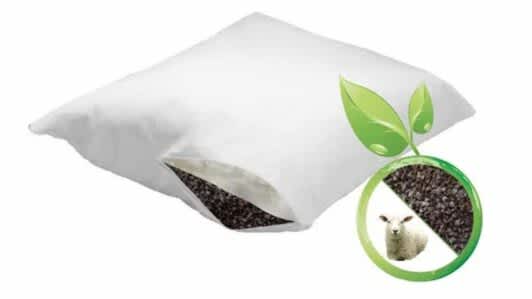
Buckwheat is a flowering plant that produces grain. When harvesters process buckwheat for consumption, the hard outer shells, known as hulls, are often left over. Many manufacturers use these hulls to design supportive pillows for hot sleepers.
Buckwheat pillows are known for their beanbag-like quality. The hulls easily move around inside the pillow, conforming to the sleeper’s upper body. This level of moldability is integral to alleviating neck and shoulder pain. Most buckwheat pillows allow for the level of fill to be adjusted so sleepers can add and remove hulls according to their needs.
We’ll dive deeper into the pros and cons of buckwheat pillows, who should choose a buckwheat pillow, and how to keep them clean.
If you’re a combination sleeper or you want a versatile pillow, buckwheat is a great option. Lots of models open up so that you can add or remove fill to get the perfect loft level.
Many buckwheat pillows contain organic hulls. Buckwheat hulls are plant products that are natural, compostable, and biodegradable. The growing and manufacturing processes are also eco-friendly in that buckwheat is often grown without fertilizers and pesticides and the hulls are cleaned and dried without additional chemicals.
Some pillow covers are made of organic materials such as certified organic cotton or wool, while others contain synthetic materials or blends.
Buckwheat pillows come in many sizes, which vary by brand and model. Common sizes include standard, queen, and king. Buckwheat pillows also come in the smaller Japanese/traditional sobakawa size. Many manufacturers also design specialty shapes and sizes, including neck and body pillows.
| Size | Average Dimensions |
| Japanese / Traditional Sobakawa | 14” x 20” |
| Standard | 20” x 26” |
| Queen | 20” x 30” |
| King | 20” x 36” |
Buckwheat pillows are naturally firm and have a unique feel. Those who favor firm pillows will find buckwheat pillows comfortable, while those who enjoy a soft, plush pillow may not like the hardness of the hulls or the lack of cushioning.
Sleepers who like buckwheat pillows often cite their moldability. These pillows seamlessly conform to the head, neck, and shoulders, promoting neutral spinal alignment for those who sleep on their side or back.
Consider the pros and cons of buckwheat pillows to determine if it’s the right pillow type for your sleeping position and preferences.
Even though buckwheat pillows can be on the pricier side, I think they’re really worth it if you’re looking for an option that’s going to last a long time. They’re super durable and you can replace the buckwheat hulls when you need a refresh.
If you’re looking for a particular type of pillow, check out our other guides below.
A variety of sleepers can benefit from choosing a buckwheat pillow. Those who sleep on their back or sides, prefer substantial firmness, or need strong support for their upper body tend to like buckwheat pillows.
Many buckwheat pillows have covers that are machine washable. Buckwheat hulls cannot be cleaned, so sleepers should remove the hulls and place them in a separate container prior to washing the cover.
Sleepers can refresh their pillow by replacing the buckwheat hulls around once every three years. You can purchase buckwheat hulls through Amazon, pillow manufacturers, or seed companies. Replacing the fill requires approximately 10 to 12 pounds of hulls, which can range in price but starts around $50. When choosing replacement hulls, you may want to consider several factors, including where the hulls are grown and whether or not they’re organic.
Buckwheat pillows do not attract bugs. Buckwheat food products, such as flour, contain insect-attracting sustenance. However, buckwheat pillows only contain empty outer shells, meaning they do not contain the substance that attracts insects.