On This Page
Do Nasal Strips Help With Snoring?

Our editorial process includes extensive measures to verify accuracy, provide clarity on complex topics, and present factual information. Read more
Key Takeaways
- Nasal strips work by opening the nasal passages, which may reduce snoring caused by nasal congestion or blockage.
- They're a simple, non-invasive option but may not be effective for snoring caused by throat or airway obstruction.
- Research on their effectiveness is limited, with mixed results depending on the cause of snoring.
- Nasal strips are best suited for mild snoring and may be more effective when combined with other treatments.
What Are Nasal Strips?
Nasal strips are a type of nasal dilator that works from the outside to pull the nostrils open, which allows more space for air to flow into. Different brands of nasal strips are available, but they all work the same way.
The nasal strips are small flexible bands of material that are worn on the outside surface of the nose. The underside of the nasal strips has an adhesive material that allows it to stick on the skin. One strip is placed in the center of the nose, so it sits above the flare of each nostril.
Nasal strips pull the sides of the nose to widen the nasal passage. The larger nasal passage improves airflow through the nose, and air turbulence decreases, resulting in reduced snoring.
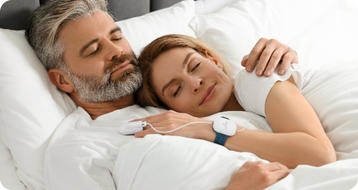
Don’t Just Test Your Sleep. Understand It.
Measure key sleep metrics and review your results with a licensed sleep-care provider. Discuss sleep issues and options to make restless nights a thing of the past.


What Causes Snoring?
Snoring affects both men and women of all ages. Even children can snore. But it's more common as we age and the muscles and tissues in the back of the throat relax. The exact percentage of people that snore isn't clear, as not everyone knows they do it. But research indicates that up to 45% of men and 25% of women report habitual snoring.
There are several risk factors for snoring, such as having a deviated septum or enlarged tonsils. Other structural abnormalities that may block airflow, such as nasal polyps, might also be a risk factor for snoring.
Snoring is also sometimes a symptom of sleep apnea, which caused brief pauses in breathing while you sleep. Even a cold or allergies, which block the nose can temporarily cause snoring.
Do Nasal Strips Help With Snoring?
The effectiveness of nasal strips may vary, depending on the cause and extent of the obstruction. While the strips may lift the side of the nose, they don't help in every instance. For example, it’s possible they may fall off in the middle of the night.
They also don't treat underlying sleep disorders in which snoring is a symptom, such as sleep apnea. But when they work, they're a simple and noninvasive way to reduce snoring.
One advantage of nasal strips is they are drug-free. They're also available without a prescription, which is convenient. Nasal strips usually have little to no side effects. Usually, the only side effect is possible skin irritation, and that's often mild. The adhesive on the underside of the strip has the potential to injure the skin when it's removed. But gently removing the strip may decrease the risk of irritation.
Studies appear to be mixed on the effectiveness of nasal strips. So, are they worth a try? Maybe. Although nasal strips won't treat sleep disorders, they may decrease snoring in some cases. Since they usually don't cause side effects and are relatively affordable, it might be worth a try.
What Are Other Ways to Stop Snoring?
If nasal strips don’t fully resolve your snoring, there are several other strategies that may help, depending on the underlying cause.
Lifestyle changes can make a big difference. Losing excess weight, avoiding alcohol before bed, and maintaining a regular sleep schedule may reduce snoring by improving airway stability. Sleeping on your side instead of your back can also help keep the airway open.
Addressing nasal congestion is another important step. Saline sprays, nasal decongestants, or allergy treatments may improve airflow through the nose, especially if congestion is contributing to snoring.
For some people, anti-snoring mouthguards fitted by a dentist can help. These devices gently reposition the jaw or hold the tongue forward to keep the airway open during sleep.
When Is Snoring Sleep Apnea?
Snoring is more likely to be linked to sleep apnea if it occurs alongside pauses in breathing, choking or gasping during sleep, morning headaches, or excessive daytime sleepiness. Bed partners may also notice irregular breathing patterns or loud, persistent snoring throughout the night.
Because snoring alone isn’t enough to diagnose sleep apnea, a sleep study is typically needed to confirm the condition and determine the best course of treatment, such as CPAP therapy or other medical interventions may be recommended.
Frequently Asked Questions
What’s the difference between nasal strips and internal dilators?
Nasal strips sit on the outside of your nose and use adhesive bands to gently pull the nostrils open. Internal nasal dilators are small devices worn inside the nostrils that physically hold the airway open. Both aim to improve airflow, but internal dilators may provide a stronger effect for some people.
Is it safe to use nasal strips every night?
Yes, nasal strips are generally safe to use nightly for most people. They’re non-invasive and drug-free, but frequent use may cause mild skin irritation in some cases. If you notice redness or discomfort, try switching brands or taking breaks between uses.
Do Breathe Right Strips work?
Breathe Right Strips can help reduce snoring caused by nasal congestion by improving airflow through the nose. They tend to work best for mild snoring and may be less effective if snoring is caused by throat or airway obstruction.
Do magnetic nasal strips work?
Magnetic nasal strips are marketed as an alternative to traditional strips, but there's limited scientific evidence supporting their effectiveness. Most experts recommend standard adhesive nasal strips or internal dilators for more reliable results.
References

The Sleep Doctor Forum
Real Experiences, Real Connections
Continue the discussion on the Sleep Doctor Forum. Connect with experts and fellow forum members on CPAP, sleep apnea, and all things sleep. A priceless resource that’s free to join.