On This Page
Melatonin-Rich Foods

Our editorial process includes extensive measures to verify accuracy, provide clarity on complex topics, and present factual information. Read more
Key Takeaways
- Certain foods naturally contain melatonin, including tart cherries, nuts, eggs, milk, and some types of fish.
- Eating melatonin-rich foods may help support healthy sleep by promoting the body’s natural sleep-wake cycle.
- A balanced diet that includes sleep-supporting nutrients like magnesium, tryptophan, and melatonin may contribute to better overall sleep quality.
10 Foods High in Melatonin
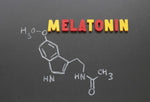
Melatonin is a hormone that helps regulate your sleep-wake cycle and signals to your body that it’s time to sleep. Often called the “sleep hormone,” melatonin production naturally rises in the evening as it gets dark and decreases in the morning when your body is exposed to light.
While your body produces melatonin on its own, some foods naturally contain melatonin and other nutrients that may support healthy sleep. Adding these foods to a balanced diet may help promote more restful sleep and support your natural circadian rhythm. Below are 10 melatonin-rich foods you may already have in your kitchen.
1. Milk
A glass of warm milk is a well-known sleep remedy. That's because milk is one of the best dietary sources of melatonin. It also contains the amino acid tryptophan, which increases concentrations of melatonin and serotonin and helps you drift off to sleep more easily.
Interestingly, milk from cows milked at night may contain more melatonin because cows naturally produce higher levels of the hormone in the evening. While it’s difficult to know when a cow was milked, milk is still considered a natural source of melatonin.
If you're lactose intolerant, you may want to skip the milk, but fortunately, there are plenty more choices for you.
2. Pistachios
Many nuts, including cashews and almonds, contain melatonin, but pistachios have a higher amount than the others. Pistachios are also high in vitamin B6, which helps convert tryptophan into melatonin.
Pistachios are also a great source of fiber; omega-3 fatty acids, which are linked to higher sleep quality; and antioxidants.
3. Tart Cherries
As their name states, tart cherries are more sour than other, sweeter cherries you can also find at the grocery store. But not only are they high in melatonin, but tart cherries (and tart cherry juice) are also rich in anti-inflammatory compounds that can help keep you healthy.
According to one study examining seniors with insomnia, drinking tart cherry juice increased participants’ sleep time and sleep efficiency. A compound in the juice, procyanidin, increased tryptophan availability in participants and also reduced inflammation in their bodies.
However, tart cherry juice can be high in sugar, so it’s important to drink it in moderation and choose unsweetened varieties when possible.
4. Fatty Fish
Fatty fish like salmon and tuna are not only melatonin-rich foods, but they’re also high in vitamin B6, omega-3 fatty acids, magnesium, and vitamin D — all of which are important to regulating serotonin, promoting healthy sleep, and promoting better function during the day.
One study found that participants who ate salmon three times a week slept better and showed improved daytime functioning compared to participants who did not.
5. Rice
Not all carbs are created equal. While some carbohydrates like chips or soda can potentially harm your sleep, rice notably does not. Its carbohydrate content is actually conducive to sleep. Plus, it contains melatonin and tryptophan.
What you eat with the carbs also matters. For example, eating rice with a tryptophan-containing protein, such as salmon, may encourage better sleep. More research is needed to determine the effect carbohydrates have on sleep, but you should always prioritize eating healthier, more complex carbs over refined ones.
6. Goji Berries
Goji berries are powerful sources of natural melatonin. Considered by many to be a superfood, these berries, originally native to China, are also rich in antioxidants, protein, and fiber.
Goji berries may also help improve depression or anxious behavior, which can also help sleep by calming your mind and allowing you to drift off more easily.
7. Oats
A bowl of oatmeal is a great way to start your day, and it can be a great way to help you sleep, too. Like rice, oats are a “good” carbohydrate that can help lead to better sleep. Whole oats are a great source of melatonin, as well as tryptophan. Oats are also high in fiber, B vitamins, and lots of minerals.
8. Mushrooms
Mushrooms are rich in melatonin and tryptophan. They’re also great sources of protein, fiber, and antioxidants.
Whether you like portabello mushrooms, button mushrooms, or their more exotic relatives, all kinds of mushrooms contain the same health and sleep benefits.
9. Corn
Whether you enjoy it off or on the cob, corn is another melatonin-rich food. Corn also contains tryptophan which is, of course, also conducive for sleep. And it's high in vitamin C, antioxidants, magnesium, and fiber.
10. Bananas
Bananas are another “good” carb that can not only help you sleep, but feel more alert during the day. This is because bananas contain complex carbohydrates, which can give you energy all day long.
Bananas also contain melatonin, tryptophan, vitamin B6, and magnesium, which are all great for producing serotonin and helping you sleep.
Bonus: If you boil a whole banana with the skin on, you can make banana tea. The skins contain significant magnesium, which is very supportive for sleep. While it may sound odd, banana tea can be delicious.
5 Foods to Avoid Before Bed
It might seem like a no-brainer to avoid certain foods before bed, such as caffeine and alcohol. But there are other foods that can ruin your sleep, and you may not even realize it. Try avoiding the following foods before you go to bed each night.
Spicy Food
Spicy foods can be very acidic and can lead to gastrointestinal discomfort, which you don’t want while you’re trying to sleep. They can also trigger acid reflux or IBS, so it’s best to steer clear of anything too spicy before bedtime.
Chocolate
Chocolate is delicious, but it's high in sugar and often contains caffeine, both of which can keep you up at night.
Even the relatively healthier dark chocolate can cause sleep problems. Dark chocolate tends to have a higher caffeine content than other types of chocolate, which, of course, can keep you awake longer.
Tomatoes
While tomatoes are a healthy fruit that contains many vitamins, minerals, and melatonin, they’re also highly acidic. This can be problematic to those who have acid reflux or a sensitive stomach.
To prevent any reflux or digestive issues at night, avoid tomatoes or tomato-based foods before bed.
Citrus Fruits
Citrus is very good for you as a whole, but you should avoid it before bed. This is because citrus is a natural diuretic, which means that consuming it too close to bedtime can cause you to wake up during the night to use the bathroom.
A Word About Melatonin Supplements
Melatonin supplements have become a popular alternative to prescription sleep aids, and when the correct dosage is taken at the right time, it may help you fall asleep more quickly. However, melatonin supplements aren't an instant fix for your sleep problems.
They also come with a few side effects, like daytime sleepiness, irritability, and mild headaches. These usually come from taking the wrong dosage amount or not timing your dosage correctly.
How much melatonin you should take also depends on why you’re taking it. Keep your dosage low when you first start out and increase it as needed.
- Melatonin pills: Take 1/2 mg to 1 1/2 mg 90 minutes before bedtime.
- Liquid melatonin: Take the same dosage but 30 minutes before bedtime.
You should always consult your doctor before taking a new supplement or making changes to your medication or supplement routine.
Remember, supplements aren’t the only way to boost your melatonin levels. You want to make sure you’re practicing good sleep hygiene, going to bed at the right time, and sleeping in an ideal sleep environment to really get the most out of your melatonin. When combined with proper sleep hygiene and a healthy diet, certain foods can help you sleep, too.
References

The Sleep Doctor Forum
Real Experiences, Real Connections
Continue the discussion on the Sleep Doctor Forum. Connect with experts and fellow forum members on CPAP, sleep apnea, and all things sleep. A priceless resource that’s free to join.