Back pain is common, affecting around 80% of people at some point in their lives. This condition involves aching, throbbing, or other unpleasant sensations in the muscles, bones, and other parts of the back. Back pain can range from mild to severe, potentially impacting daily activities as basic as walking and working. Even sleeping with back pain can be a challenge. Luckily, along with a supportive mattress, using the right pillow can help to alleviate back pain.
We’ll review our top picks for pillows for back pain and delve into how to choose the best one for your particular body type and sleep position. We’ll pay particular attention to loft and firmness, two key pillow characteristics for improving support and promoting spinal alignment. You’ll then be ready to choose a pillow that works with your unique sleep needs so you can manage back pain and get some rest.
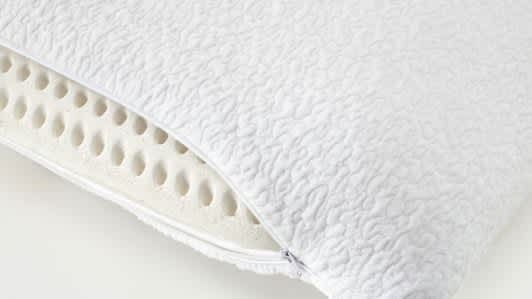
Sijo’s CloudSupport Pillow lives up to its name with a buoyant latex core that elevates your head and neck without causing strain. The latex provides some cushioning, but won’t conform like memory foam and maintains a full shape even when compression is applied. This level of shape retention means you’ll never need to fluff the pillow.
Fill MaterialVentilated Talalay latex
FirmnessMedium
Price$110
Cover MaterialsTencel lyocell fabric with Clima fiber fill
Pros
Solid latex core is supportive and responsive
Consistent breathability and temperature control
Excellent shape retention
Cons
Side and back sleepers
People who run hot in bed
Shoppers who want to invest in a long-lasting pillow
The latex in Sijo’s CloudSupport Pillow is also ventilated to promote air circulation and help the interior maintain a cool temperature, so heat retention shouldn’t be an issue. A cover made of moisture-wicking Tencel padded with breathable fiber fill adds to the pillow’s cooling properties. You can remove and machine-wash the cover as needed to keep the pillow clean.
At roughly 6 inches thick, the CloudSupport Pillow should provide ample cushioning for side sleepers. Back sleepers may also find the pillow comfortable, but it will probably be too thick for stomach sleepers.
Sleep Doctor provides free ground shipping for all orders in the contiguous U.S. Shoppers in Alaska, Hawaii, and U.S. territories pay additional delivery fees. You may return the pillow unopened and unused within 60 days of receipt.
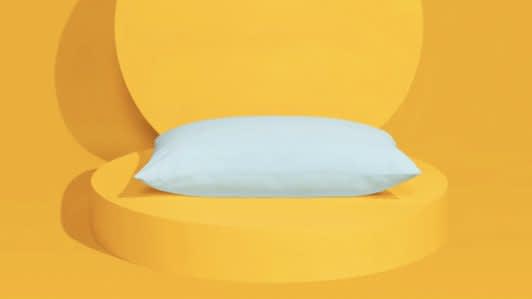
The Slumber Cloud UltraCool proves a pillow can deliver high-quality construction and solid performance while carrying an approachable sticker price.
Fill MaterialPolysilk down alternative fibers
FirmnessMedium Soft, Medium Firm
Price$69
Cover MaterialsOutlast fabric with phase change material
Pros
Outlast cover dissipates heat when it comes into contact with your skin
Available in two firmness levels, as well as an adjustable option
Plush down alternative fill provides deep cushioning
Cons
People who are allergic to real down
Hot sleepers
Shoppers with limited budgets
Featuring plush down alternative fibers encased in a cutting-edge cooling cover, the Slumber Cloud UltraCool pillow provides ample cushioning to soothe your sore spots and pressure points. You can choose from two fixed firmness levels or opt for a customizable option that lets you adjust the firmness and loft to your liking.
Outlast fabric was first created by NASA engineers, and has become one of Slumber Cloud’s signature materials for pillows and bedding. Phase change material woven into the fibers is meant to capture and release body heat on contact, maintaining a cool-to-the-touch feel at all times. The fiber fill also retains very little heat.
Our tests show side sleepers are the best candidates for the medium firm design, as it provides more loft and cushioning to fill the space between your head and shoulder. Back sleepers may feel more comfortable with the plusher, lower-profile medium soft pillow. If you aren’t sure which firmness will work best, we recommend spending a little more on the adjustable design.
If you reside in the contiguous U.S. and order from Sleep Doctor, your shipping is free of charge. The Slumber Cloud UltraCool Pillow is backed by a 60-night sleep trial and a 180-night manufacturer’s warranty.
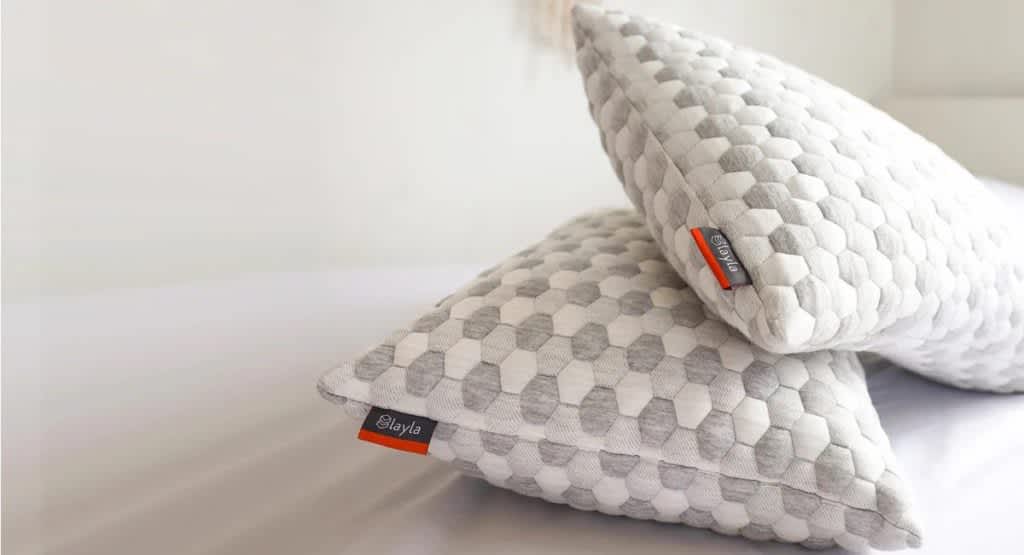
The Layla Kapok pillow features the fibers of the kapok seed, an alternative to down with a slightly plusher, more robust feel that’s similar to silk.
Fill MaterialShredded memory foam and kapok tree fiber blend
FirmnessAdjustable
Price$109
Cover MaterialsCopper-infused polyester and viscose blend
Pros
Kapok fibers are light and plush for a cloudlike feel
Shredded memory foam offers responsive support without retaining heat
Removable fill lets sleepers adjust the loft to their needs
Cons
Those who tend to sleep hot
Combination sleepers
People looking for an affordable, natural alternative to down
Paired with shredded memory foam under a breathable cover, light and airy kapok fibers in the Layla Kapok Pillow provide a trifecta of airflow, comfort, and support.
Made from a blend of copper-infused polyester and viscose, the Layla Kapok Pillow’s cover is designed to disperse heat and promote airflow. Inside, shredded memory foam offers responsive support without trapping body heat, and the open structure of the kapok fibers creates breathable loft. A zipper allows sleepers to add or remove the pillow’s fill according to their specific sleep needs.
The Layla Kapok Pillow’s above-average temperature neutrality already makes it a good choice, especially for those who tend to sleep hot. Its adjustable loft and superior moldability significantly expands its audience. It worked well for the majority of our testers across sleep positions and body types, performing especially well for side and back sleepers under 230 pounds.
Layla shoppers can expect free shipping within the contiguous United States, a 120-night sleep trial, and a generous five-year warranty.
Heat buildup can be a sleep deterrent, but the pillow you use may help mitigate this problem. Sijo’s FlexCool Memory Foam Pillow features a nylon-blend cover that promotes airflow and feels cool to the touch at all times.
Fill MaterialShredded memory foam
FirmnessMedium
Price$80
Cover Materials90% nylon, 10% spandex
Pros
Nylon-blend cover is exceptionally breathable and long-lasting
Shredded memory foam provides deep cushioning and alleviates pressure
Pillow can be adjusted by adding or removing the fill
Cons
People who frequently wake up with stiffness or soreness in their neck and shoulders
Combination sleepers who change positions during the night
Value seekers
Sijo’s FlexCool Memory Foam Pillow helps offset heat retention, so you can use the pillow year-round. The fill is a blend of shredded memory foam and down alternative fibers.
Since the pillow is adjustable, you can add or remove the fill as needed. This is especially handy for combination sleepers whose loft and firmness needs depend on which position they’re currently using. Our tests show side sleepers will probably prefer the pillow at maximum volume, whereas back and stomach sleepers may want to remove the fill for a lower loft – this helps prevent neck strain.
You can remove and machine-wash the cover as needed, but the fill should not come into contact with water. Sleep Doctor offers free ground shipping if you order two or more pillows, and reasonable flat-rate shipping if you just order one. Each purchase is backed by a 60-night sleep trial, during which you may return the pillow unopened and unused for a refund.
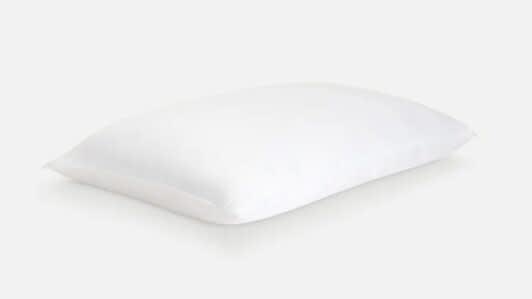
High-end materials in the Cozy Earth Silk Pillow balance exceptional softness with conforming comfort that lifts the head and neck for proper alignment. The combination makes the pillow an effective choice for back pain and creates an overall feel that’s satisfyingly luxe.
Fill MaterialLong-strand mulberry silk
FirmnessMedium Soft
Price$299
Cover MaterialsViscose from bamboo
Pros
Viscose cover has the look and feel of silk with the versatility of cotton
Long-strand mulberry silk fill is highly breathable, durable, and moldable
Transparent supply chain backed by socially responsible production techniques
Cons
Those seeking a high-end pillow that balances comfort with performance
Side sleepers under 230 pounds and back sleepers under 130 pounds
Sleepers that run hot
The fabric shell in the Cozy Earth Silk Pillow is made of smooth, breathable viscose from bamboo that efficiently wicks away moisture. The mulberry silk fill is similarly soft, with natural thermoregulating capabilities that help it sleep cool. The pillow’s medium-soft firmness and sculptable silk fibers make it an ideal pillow for molding to a sleeper’s exact needs.
Overall, our testers appreciated the sleekness of the viscose cover and the pliability of the silk fill. The pillow worked best for side sleepers under 230 pounds and back sleepers under 130 pounds. These testers found the pillow offered just-right loft and support for proper alignment. While side and back sleepers over 230 pounds gave the pillow slightly lower scores, the highly shapeable fill did somewhat counteract the softer feel.
The Cozy Earth Silk Pillow is available in either a standard or king size. It comes with a 10-year warranty and can be returned or exchanged for free within 100 days of purchase.
How We Test Pillows
We test pillows against the same set of strict standards that we use for other pillow types, but we pay close attention to several factors that set different pillows apart. In addition to firmness, conforming, and ease of cleaning, we also measure breathability. Many sleepers choose specific materials for their cool feel. To determine how well a pillow regulates temperature, we use thermal sensors that measure heat retention and we try them ourselves too, taking notes on how warm or cool we think a pillow feels after use.
What Is Back Pain?
Back pain is a broad term that refers to a number of sensations that cause discomfort in the muscles, bones, discs, ligaments, and tendons of the back. Pain may be sharp or dull in intensity, get worse with movement, or flare up in certain positions. Back pain can be acute or chronic, resulting from a variety of causes including age, weight gain, injury, poor posture, and under or overuse.
The structures of the back are needed for many basic activities like standing, walking, and turning. This means back pain can be disruptive to many aspects of daily life, including sleep, especially since it impacts over 80% of people at some point in their lives.
How Do Pillows Affect Back Pain?
Finding the right type of pillow can help to prevent or manage back pain. Matching your pillow’s firmness and height to your body type and preferred sleep position helps keep your head, neck, and spine in proper alignment. Proper spinal alignment is important to avoid the unhealthy postures that contribute to back pain.
One of the keys to combating back pain is making sure your neck isn’t bending to meet your pillow. Make sure you’ve got the right loft level — side sleepers need thicker pillows, stomach sleepers should use low-loft options, and back sleepers usually like something in between.
Choosing the Best Pillow to Help With Back Pain
Choosing a pillow with a loft and firmness that complements your sleep position can help manage back pain. The loft and firmness you need for healthy spinal alignment looks different depending on whether you’re a side, back, stomach, or combination sleeper.
Pillow Height (or Loft)
A pillow’s loft is how thick or tall it is. You may also hear it referred to as the pillow’s height or profile. Pillows typically have a loft of between 3 and 6 inches. Your sleep position plays a key role in choosing between a low, mid, or high loft pillow.
Sleeping Position
What Pillow Loft Do You Need?
Side Sleepers
Side sleepers need a higher loft pillow that can fill in the space between their neck and shoulders and lift the head away from the sleep surface.
Back Sleepers
A mid-loft pillow works best for back sleepers. This mid-range height keeps the head from resting too low or too high which can lead to pressure points in the neck and spine.
Stomach Sleepers
Low loft pillows are a good choice for stomach sleepers who require just enough height to maintain alignment and provide some cushioning.
Combination Sleepers
Mid-loft pillows generally work well for the shifting positions of a combination sleeper. Combination sleepers may want to choose a higher or lower loft depending on their most frequent sleep position.
How Firm Should Your Pillow Be?
Like loft, firmness is also an important factor when selecting a supportive pillow. Pillows generally range in firmness from soft to extra firm. The right firmness level takes into account your preferred sleep position and individual preferences.
Sleeping Position
What Firmness Do You Need?
Side Sleepers
Medium to firm, or even extra-firm, pillows work well for side sleepers who need a significant amount of support to ensure their head remains lifted up and away from their shoulders throughout the night.
Back Sleepers
Back sleepers benefit most from a medium to medium-firm pillow that supports the natural curves of the neck and head without creating pressure points.
Stomach Sleepers
Soft to extra soft pillows are a good choice for stomach sleepers. Firmer pillows can raise the head too high, shifting the spine out of alignment.
Combination Sleepers
Combination sleepers should stick with a mid-range firmness that accommodates various sleep positions, choosing a softer or firmer pillow if they tend to sleep in one position longer than others.
Support and Keeping Your Spine Aligned
In pillows, support is a function of both loft and firmness. When we talk about how supportive a pillow is, we’re referring to how well the pillow’s loft and firmness work together to align the spine. Finding a pillow with the right level of support for your personal needs is a key component of avoiding back pain.
The right level of support varies from sleeper to sleeper and depends on two factors: body type and sleep position. Lightweight stomach sleepers require a much different level of support than do heavier side sleepers. You’ll want to take both weight and size as well as sleep position into consideration when determining the level of support that works best for you.
Don’t forget about the option to use two pillows — one under your head and one in another spine-boosting spot. Knee, body, and wedge pillows can all take stress off your back while cushioning your joints.
What Type of Pillow Is Best for Back Pain?
There is no single pillow that works best for back pain as the right choice depends on an individual’s unique needs. In general, it’s best to match the loft and firmness of a pillow to a person’s body weight and sleep position. The best pillow is both comfortable and supportive, aligning the spine as it cushions the head and neck.
However, it’s worth noting that some types of pillows are usually more supportive than others. Those that use solid or shredded memory foam or latex typically have more of the responsive support that helps relieve pressure points and ease pain. Adjustable loft pillows can also be a good option as they allow for a more customized fit and can adapt to a sleeper’s needs over time.
Specialty Pillows to Alleviate Back Pain
Traditional rectangular pillows can work well for back pain, but there are other shapes and sizes that offer targeted support. Using these specialty pillows instead of, or in addition to, your regular pillow can be another way to alleviate back pain.
Specialty Pillow Type
Description
Lumbar Pillow
Lumbar pillows are shaped like long, thin rectangles. They’re designed to fill the concave space at the base of the spine where the additional support can allow the muscles of the lower back to relax.
Cervical Pillow
Similar to lumbar pillows, cervical pillows or rolls fill the concave space between the base of the neck and head for added support. They can either be stand-alone or incorporated into a more traditionally shaped pillow.
Curved/Shaped Pillow
Curved or shaped pillows usually have ergonomically designed notches, divots, or rolls meant to accommodate the shoulders or cradle the neck and head. Their special shapes help maintain alignment.
Wedge Pillow
These triangular pillows can be placed under the knees for pressure relief or behind the back or sides to maintain a desired sleeping position.
Body Pillow
Body pillows are usually several feet long and can be used both as large bolsters to prevent rolling or as a “huggable” pillow that runs between the knees and curves beneath the head.
Pregnancy/Maternity Pillow
U-shaped pregnancy pillows curve all the way around the body, offering both body pillow options at the same time: a bolster to promote side sleeping as well as a knee, neck, and head support system.
Tailoring your pillow selection and placement to your sleep position makes a difference in reducing pressure points that contribute to pain in your lower back, neck, shoulders, and hips. These small additions and modifications to your sleep environment can improve alignment and may reduce pain.
Side Sleepers
Besides ensuring that they have a pillow with enough loft and firmness to fill the gap between their shoulders and head, side sleepers should also consider placing a pillow between their knees. Lifting the upper knee away from the lower knee takes pressure off the lower back, allowing those muscles to relax.
Back Sleepers
Back sleepers typically need a pillow with mid-level firmness and support that keeps their heads and necks in a neutral position. They might add a wedge pillow or bolster below their knees for extra support. This can relieve tension in the lower back.
Stomach Sleepers
A softer pillow with a low profile helps keep the heads of stomach sleepers from tilting too far up, creating a pressure point at the base of the neck. Depending on their mattress, they may also want to place a pillow below their hips for added support.
Last Tips for Dealing With Back Pain
In addition to selecting a pillow that offers optimum levels of comfort and support, there are several other changes sleepers can make to find relief from back pain.
Find the Right Mattress: Just like with pillows, using a supportive mattress that works with your body type and sleep position to maintain spinal alignment can make a meaningful difference.
Overhaul Your Work Space: Spinal alignment shouldn’t stop at your pillow and mattress. If you work at a desk for most of the day, make sure your computer, chair, and worktop are ergonomically optimized.
See a Doctor: For acute or chronic back pain, it’s always best to see a doctor. They can look for the cause of back pain and recommend exercises and other therapies that can help alleviate pain and improve spinal health over the long term.
Explore More Pillows
If you’re looking for a particular type of pillow, check out our other guides below.
Garen is a health and lifestyle content creator. She realized the importance of sleep when her children made getting a good night's rest more challenging. Garen is always learning something new about the wide world of sleep and sleep products. Married with two girls, ages 7 and 11, she is a book nerd and a lover of pop music, travel, and the Pacific Northwest.