What Is Mouth Taping?
Mouth taping refers to the practice of sealing the lips shut with a removable adhesive strip. It’s most often used at night to discourage mouth breathing and encourage breathing through the nose instead.
What Are the Benefits of Mouth Taping?
Mouth taping has only gained popularity in the last several years, so research on its benefits is limited. It’s thought that by redirecting breathing through the nose and adjusting the shape of the airway, mouth taping during sleep may help improve symptoms related to breathing and dental health.
Helps Prevent Snoring
Mouth breathing during sleep allows tissues in the back of the throat to relax and close the airway. By taping the lips shut, the lower jaw is less likely to fall back, which, in theory, opens up the airway. Though more research is needed, a few small studies do support the idea that mouth taping can reduce snoring and mild obstructive sleep apnea symptoms, especially for back sleepers.
However, it’s important to note that mouth tape isn’t a treatment for moderate or severe obstructive sleep apnea and could actually be dangerous for people who have this condition. If you’re experiencing disrupted sleep, snoring, or other symptoms, it’s important to seek professional treatment to avoid the risk of long-term health problems.
Reduces CPAP Mask Leak
Continuous positive airway pressure (CPAP) therapy for obstructive sleep apnea keeps the airway open by blowing pressurized air into the nose and/or mouth. When using a nasal mask, there’s a risk of the air escaping through the mouth. The current recommendation is to wear a chin strap or try a full-face mask, but some people suggest mouth taping could also reduce mouth leaks, though more research is needed.
Promotes Nasal Breathing
Nasal breathing is considered better than mouth breathing because the nose humidifies and warms air as it passes through, while also filtering out allergens and other contaminants. But current research doesn’t support the claim that mouth taping during sleep has a significant effect on allergy or asthma symptoms.
May Improve Dental Health
Mouth breathing is linked to tooth and gum disease, and anecdotal reports suggest that mouth taping helps reduce dryness in the throat and mouth. However, the claims of mouth taping helping fight bad breath, cavities, and gum disease aren’t supported by science yet.
Other Purported Benefits
You may also see claims that mouth taping improves jaw definition, sleep quality, skin health, immune system, digestion, tooth grinding, mood, and mental clarity. Most of these claims haven’t been directly studied, and the purported benefits may be exaggerated or even false.
What to Consider When Choosing a Mouth Tape
Mouth tape is a pretty straightforward product, but a few small variations can make all the difference to your experience.
-
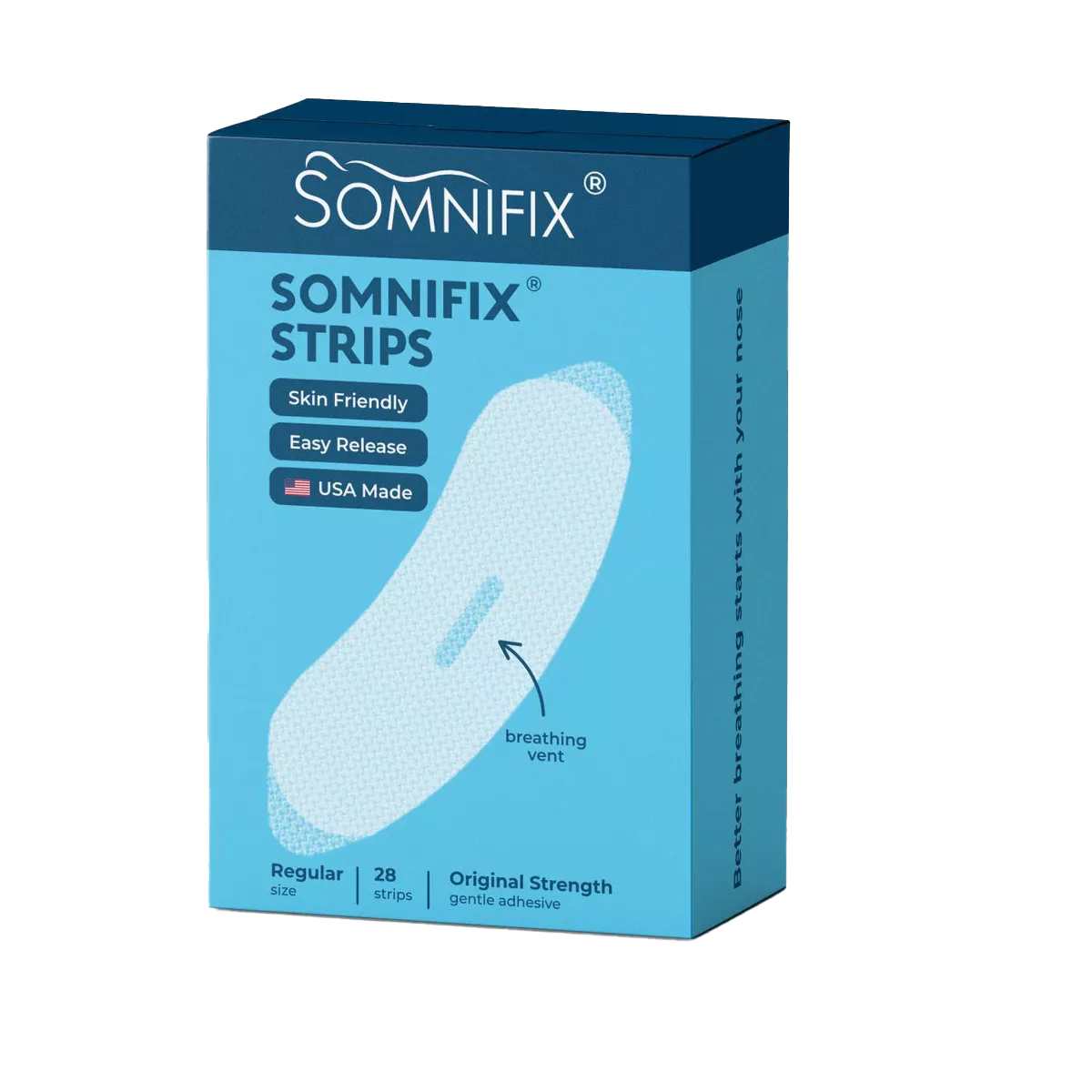
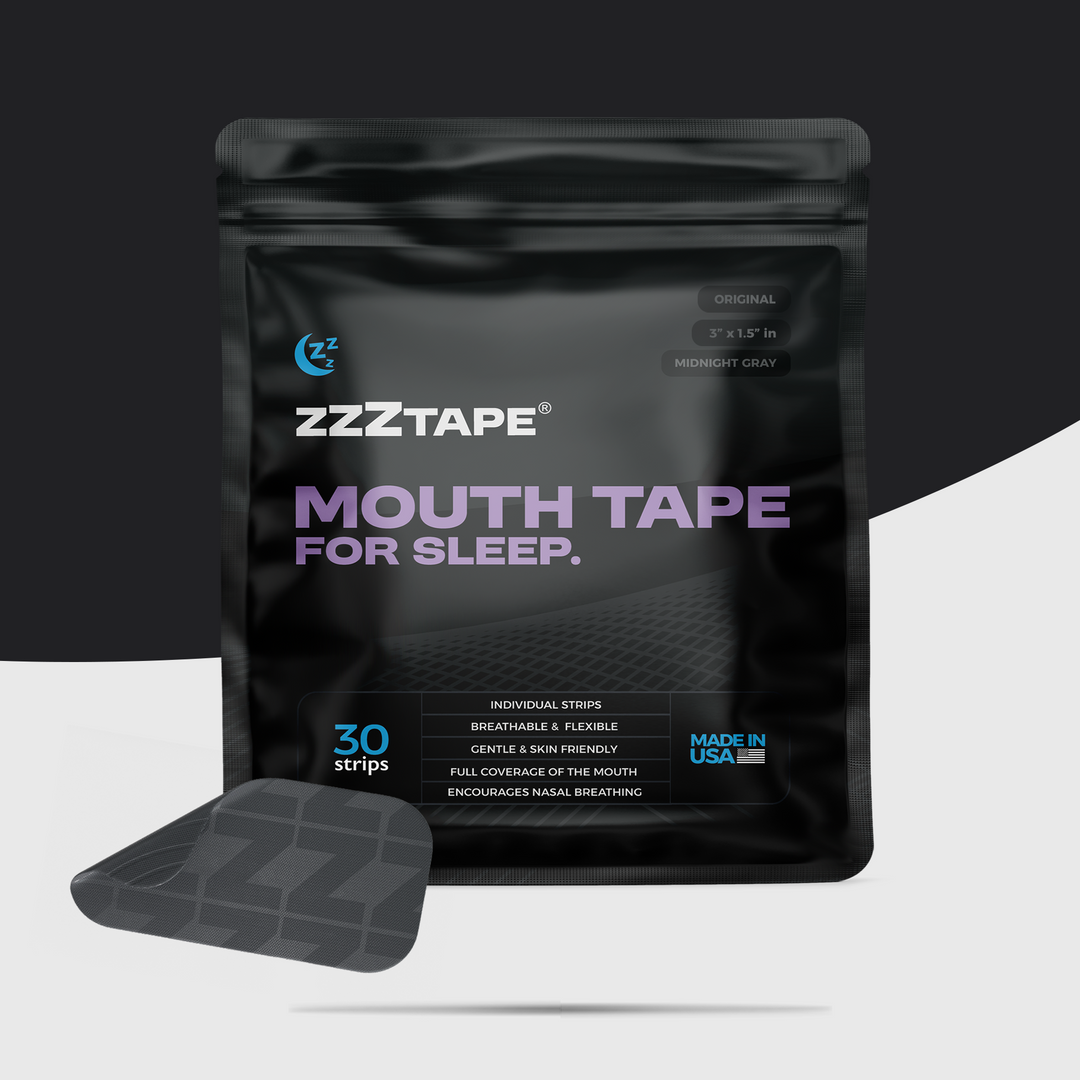
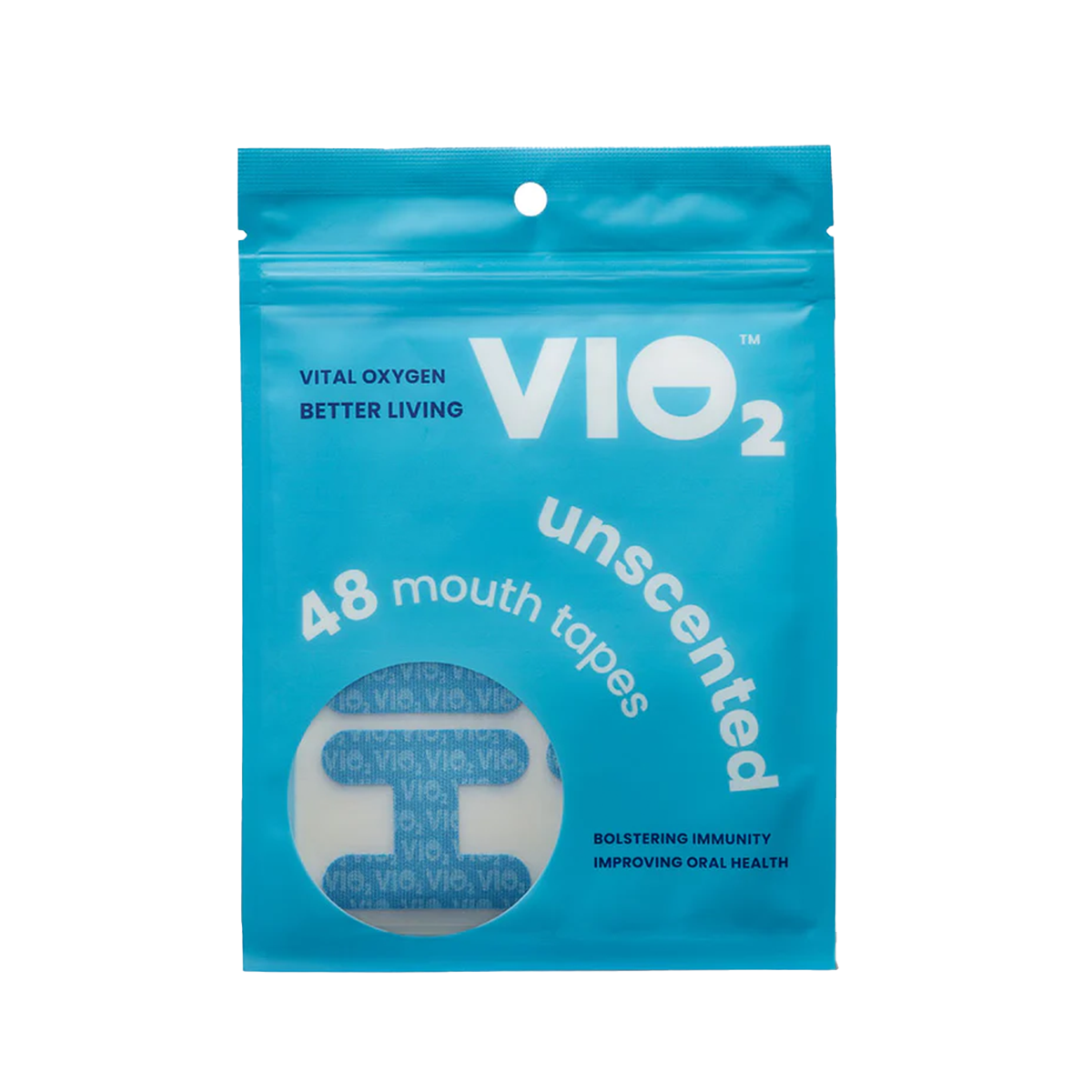
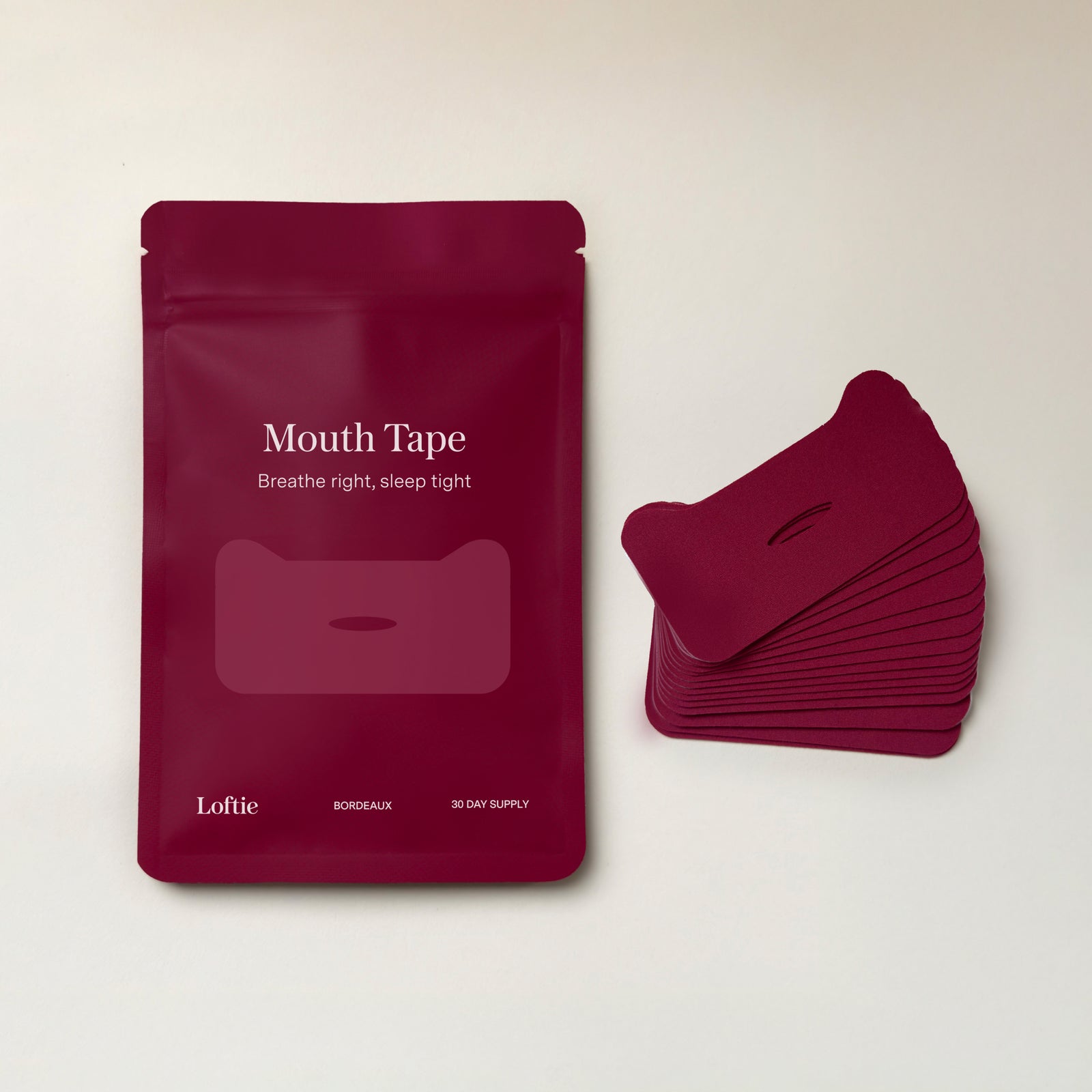
Size and Shape: A low-profile or transparent design can feel less claustrophobic and may work better with facial hair. Conversely, if you find the tape always falling off, you may prefer fuller coverage.
-
Ventilation: Mouth tape is generally designed to be a little breathable. Still, many people feel more comfortable having a small hole that allows mouth breathing if necessary.
-
Cost: The typical cost for single-use mouth tape runs to just under $1 per night, but subscription plans often offer a discount on the unit price.
-
Materials: Mouth tape is usually made with stretchy, medical-grade fabric. The adhesives vary from brand to brand, so try to find one that sticks well without leaving behind residue.
Alternatives to Mouth Tape
Depending on what you’re using it for, mouth tape is just one option among several.
-
Nasal Sprays, Strips, and Dilators: If you’re breathing through your mouth due to nasal blockage, treating this obstruction at the source is usually the place to start.
-
Chin Strap: A CPAP chin strap wraps under your jaw and holds your mouth closed. It’s currently one of the main recommendations for keeping your mouth closed if you’re experiencing mouth leaks with CPAP therapy.
-
Changing Sleep Positions: Snoring related to mouth breathing is often worse when lying on your back. Try using a special pillow or sewing a tennis ball into the back of your sleep shirt to discourage back sleeping.
-
Lifestyle Changes: Alcohol and smoking both contribute to snoring. Try cutting them out or at least reducing their use close to bedtime.
-
Oral Appliance: These anti-snoring mouthpieces change the position of your jaw or tongue to reduce symptoms of snoring and mild obstructive sleep apnea.
-
Continuous Positive Airway Pressure (CPAP) Therapy: This gold-standard treatment for obstructive sleep apnea prevents interruptions in breathing by blowing pressurized air through a mask into your nose or mouth.
-
Mouth Exercises: Mouth exercises are intended to improve breathing during sleep by working the muscles in the mouth and throat. More research is needed to know if these exercises are effective.
Frequently Asked Questions
Is mouth tape safe?
There isn’t a lot of research on the safety of mouth tape. It’s assumed to be generally safe to use by most adults who can breathe freely and easily through their nose, but there are potential risks, so you should talk to your doctor before using mouth tape for the first time.
Mouth tape is classed as a wellness device, so medical claims surrounding its use are not regulated by the Food and Drug Administration (FDA).
Who shouldn’t use mouth tape?
You shouldn’t use mouth tape if you aren’t able to breathe clearly through your nose, for example due to allergies, a cold or flu, a deviated septum, a sinus infection, acid reflux, or large tonsils. You should also avoid using mouth tape if:
- You have obesity.
- You have breathing or heart problems.
- You’ve recently had alcohol or sedatives.
- You suspect you may throw up.
- You’re a child.
- You’re unable to remove the tape on your own.
- You drool a lot in your sleep.
- You have sensitive skin or broken skin on your lips or around your mouth.
- You find it claustrophobic.
People with latex allergies should confirm the materials with the manufacturer before using mouth tape.
References
- https://pubmed.ncbi.nlm.nih.gov/39662104/
- https://pubmed.ncbi.nlm.nih.gov/40397877/
- https://www.uptodate.com/contents/obstructive-sleep-apnea-overview-of-management-in-adults
- https://pubmed.ncbi.nlm.nih.gov/36141367/
- https://pubmed.ncbi.nlm.nih.gov/38923508/
- https://emedicine.medscape.com/article/295807-treatment#d8
- https://pubmed.ncbi.nlm.nih.gov/31781315/
- https://pubmed.ncbi.nlm.nih.gov/36917254/
- https://pubmed.ncbi.nlm.nih.gov/34072444/
- https://pubmed.ncbi.nlm.nih.gov/33141943/
- https://pubmed.ncbi.nlm.nih.gov/37606313/
- https://pubmed.ncbi.nlm.nih.gov/39361293/
- https://pubmed.ncbi.nlm.nih.gov/37349419/
- https://pubmed.ncbi.nlm.nih.gov/35277783/