Originally developed for NASA in 1966, memory foam is a soft, heat-sensitive material that molds to your body’s shape. Now one of the most popular materials used in mattress construction, memory foam offers sleepers unparalleled contouring, pressure relief, and motion isolation.
Memory foam mattresses are slow to respond to changes in pressure, allowing for a unique cradling effect ideal for side sleepers and those seeking the material’s signature hug.
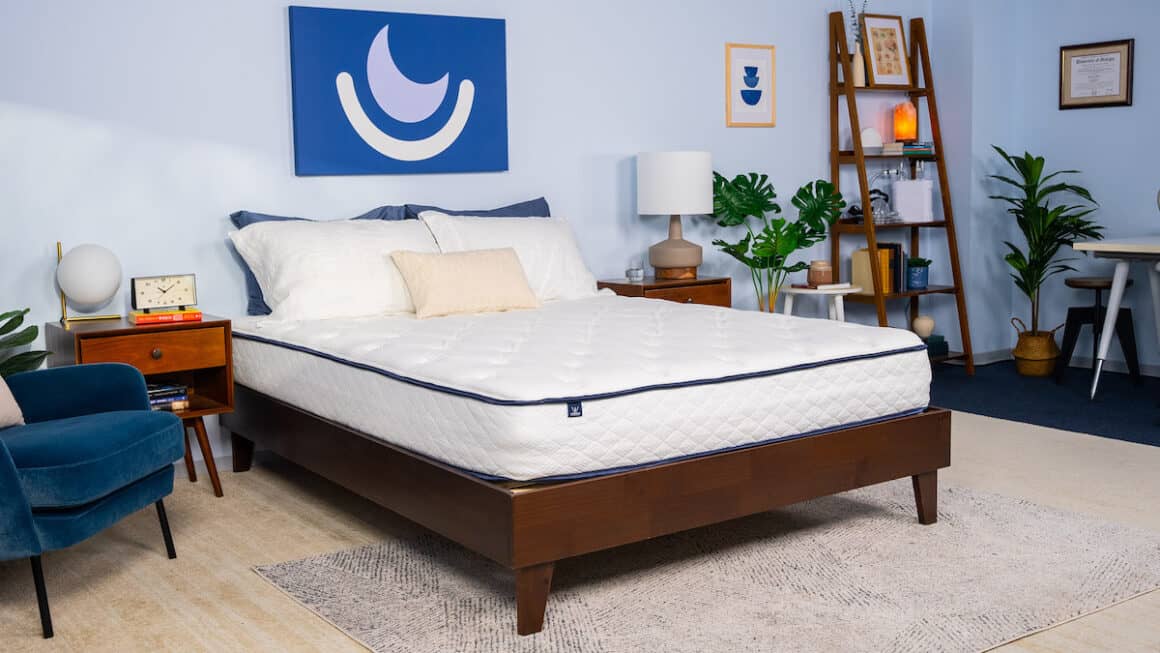
Available in three firmness levels, the WinkBeds GravityLux uses dense foam layers to contour evenly, distribute your weight, and promote even alignment. We found that this mattress isolates motion exceptionally well and alleviates pressure — especially for side and back sleepers.
Ideal forCombination Sleepers
FirmnessMedium Soft (4), Medium (5), Firm (7)
FeelDeep Pressure Relieving Foam
ValueGood Value
Pros
Tencel cover tufted with polyfoam gives the surface a plush feel
Zoned transition layer provides enhanced lumbar support
Available in three firmness options
Cons
Dense foams are prone to heat buildup
Above-average pricing for a memory foam mattress
Side Sleepers
Under 130 lbs
8.0/10
130-230 lbs
8.0/10
Above 230 lbs
6.0/10
Back Sleepers
Under 130 lbs
7.5/10
130-230 lbs
7.5/10
Above 230 lbs
7.0/10
Stomach Sleepers
Under 130 lbs
7.0/10
130-230 lbs
6.5/10
Above 230 lbs
6.0/10
The all-foam GravityLux comes in medium soft (4), medium (5), and firm (7). With three distinct feels to choose from, our testers had no trouble finding an option that was comfortable for their body type and preferred sleep position. Our team also conducted extensive evaluations on all three firmness levels to determine how their performance varies.
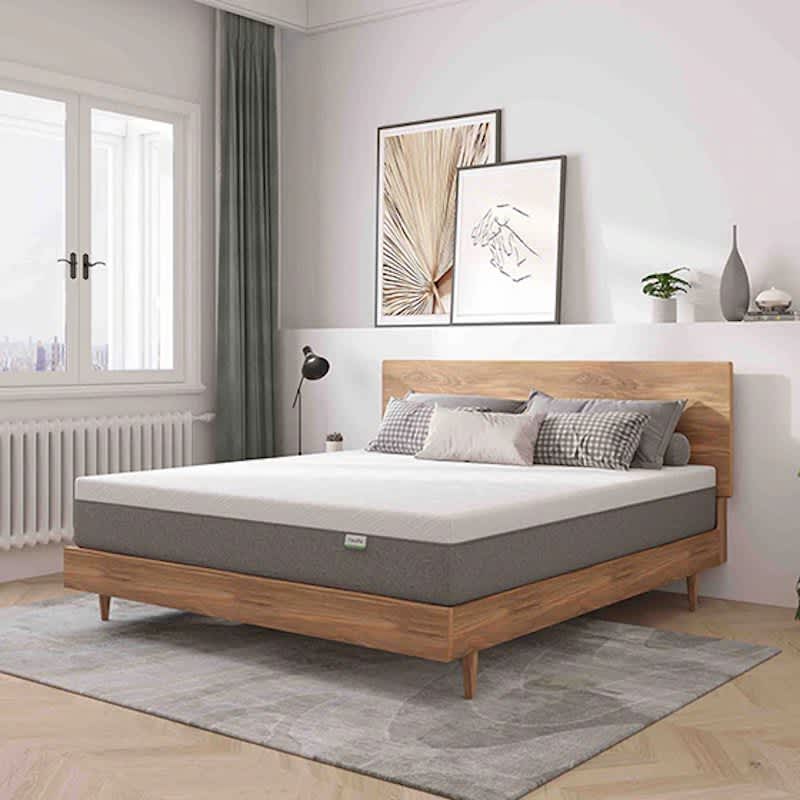
Deep foam layers and a medium (5) feel allow the Novilla Bliss – 12″ to contour deeply, cradling your entire body and alleviating pressure points in the process. Side sleepers up to 230 pounds on our team were particularly impressed with this affordably priced mattress.
Ideal forSide Sleepers
FirmnessMedium (5)
FeelClose-Conforming Foam
ValueGreat Value
Pros
Thick foam comfort system reduces pressure buildup
Breathable bamboo-derived rayon cover helps regulate surface temperature
Convoluted polyfoam offers targeted support
Cons
Foam layers are likely to sink and hinder movement
Minimal edge support can lead to instability along the perimeter
Side Sleepers
Under 130 lbs
9.0/10
130-230 lbs
6.0/10
Above 230 lbs
4.5/10
Back Sleepers
Under 130 lbs
9.0/10
130-230 lbs
6.0/10
Above 230 lbs
4.5/10
Stomach Sleepers
Under 130 lbs
6.0/10
130-230 lbs
4.5/10
Above 230 lbs
4.5/10
Memory foam mattresses tend to be lower in price than other mattress types, and the Novilla Bliss 12” is even more affordable than many of its competitors. Along with the lower sticker price, the Bliss’ mid-range feel appealed to many of our testers.
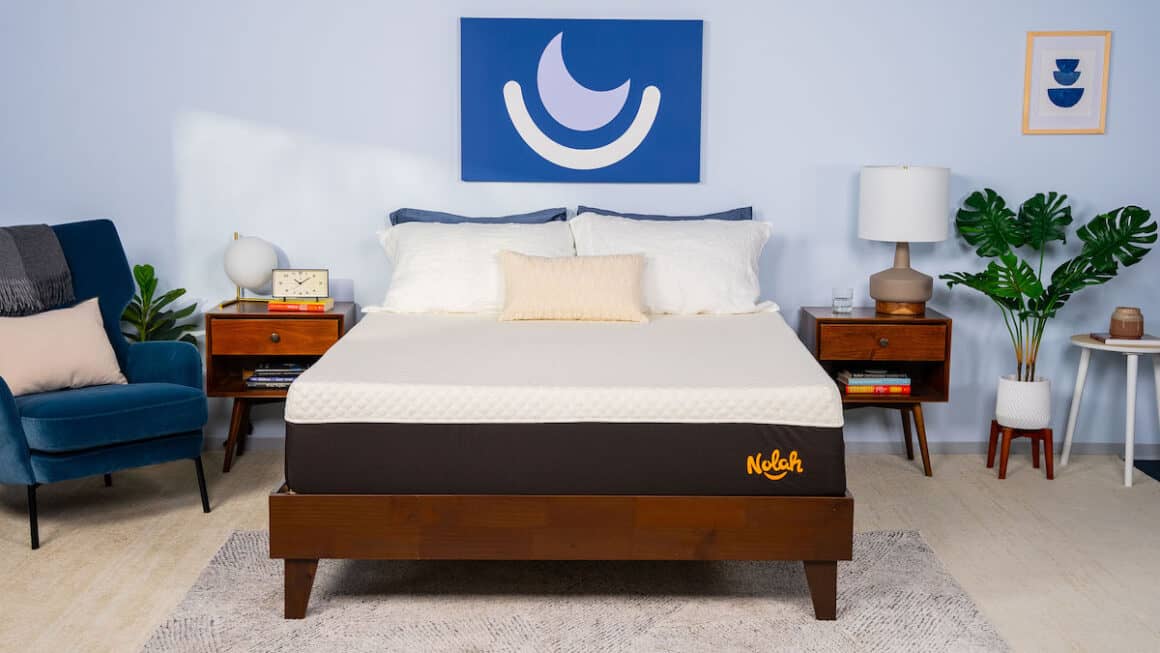
Unlike many of the foam beds we’ve come across, the Nolah Signature 12 is zoned to give you extra lumbar support — and it’s also designed to retain less heat than competing foam models. We give it high marks for side sleepers in particular.
Ideal forCouples
FirmnessMedium (5)
FeelClose-Conforming Pressure Relief
ValueGreat Value
Pros
Proprietary AirFoam cradles the body closely for pressure relief
All-foam construction with medium (5) feel excels at motion isolation
Zoned design enhances support for the lower back
Cons
Back and stomach sleepers over 130 pounds may prefer a firmer bed
$99 fee is incurred for returns
Side Sleepers
Under 130 lbs
8.5/10
130-230 lbs
8.0/10
Above 230 lbs
7.0/10
Back Sleepers
Under 130 lbs
7.5/10
130-230 lbs
7.0/10
Above 230 lbs
5.5/10
Stomach Sleepers
Under 130 lbs
6.5/10
130-230 lbs
6.0/10
Above 230 lbs
4.5/10
The Nolah Signature 12 stands out from our other picks due to a layer of specialized AirFoam polyfoam that mimics the adaptive feel of memory foam but is designed to run cooler. It’s a good choice for sleepers who enjoy strong cushioning but tend to overheat on traditional memory foam.
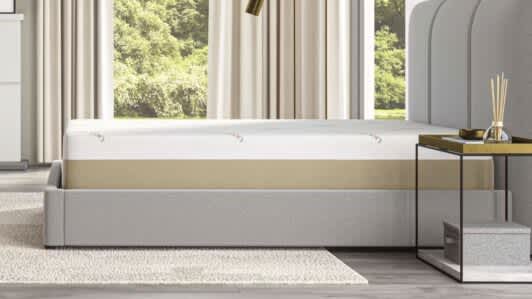
The luxe Contour5 uses five foam layers to create a plush, pressure-relieving sleep surface. Saatva sweetens the deal for shoppers with free White Glove delivery anywhere in the contiguous U.S. and a 365-night trial period for testing the mattress at home.
Ideal forCouples
FirmnessMedium Firm (6), Firm (8)
FeelResponsive Contouring Foam
ValueFair Value
Pros
Mixed-foam comfort layers provide a comfy balance of cushioning, support, and bounce
Excellent motion isolation and virtually no noise
All orders include free White Glove delivery and a yearlong sleep trial
Cons
Strong off-gassing for the first few nights after unboxing
Above-average pricing for a memory foam mattress
Side Sleepers
Under 130 lbs
7.0/10
130-230 lbs
9.0/10
Above 230 lbs
8.0/10
Back Sleepers
Under 130 lbs
8.0/10
130-230 lbs
6.5/10
Above 230 lbs
6.0/10
Stomach Sleepers
Under 130 lbs
8.0/10
130-230 lbs
6.5/10
Above 230 lbs
5.0/10
The sophisticated Saatva Contour5 checks all of the important boxes for people who enjoy memory foam mattresses. An adaptive surface with dense underlying support layers helps ensure ample cushioning for your sore spots without too much sinkage, ventilated foam and cooling gel infusions help the mattress stay cool, and you’ll notice little to no motion transfer when your partner moves in bed, and vice versa. You can also choose from two firmness levels, and Saatva offers free in-home setup and a 365-night sleep trial with each order.
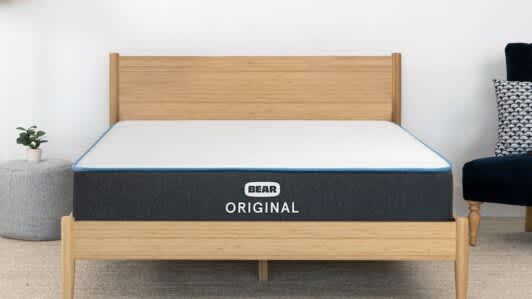
If you’ve found most foam beds are a touch too plush, the Bear Original could be just what you’re looking for. The above-average firmness is a great fit for sleepers who want the cushioning of foam without the extra deep hug that you’ll find in many memory foam models.
Foam is prone to off-gassing in the first few days
Stomach sleepers over 230 pounds may prefer a firmer bed
Side Sleepers
Under 130 lbs
6.5/10
130-230 lbs
8.0/10
Above 230 lbs
6.5/10
Back Sleepers
Under 130 lbs
6.5/10
130-230 lbs
8.0/10
Above 230 lbs
6.5/10
Stomach Sleepers
Under 130 lbs
5.0/10
130-230 lbs
6.5/10
Above 230 lbs
5.0/10
The Bear Original caters to sleepers who enjoy the hug of foam but need something a little firmer than the average foam bed. The firm (7) feel is suitable for a wide range of sleep positions and body types, making it a good option for those who switch positions throughout the night.
Brooklyn Bedding’s Dreamfoam CopperFlex Essential is a wallet-friendly memory foam mattress that’s great for rental properties, guest rooms, and RVs. Five firmness levels — each with a different profile — add to the versatility of this high-value pick.
Ideal forBudget Shoppers
FirmnessMedium Soft (4), Medium (5), Medium Firm (6), Firm (7), Firm (8)
FeelPlush, Supportive Surface
ValueGreat Value
Pros
All-foam design excels at motion isolation and pressure relief
Available in five firmness levels and nearly two dozen sizes
Below-average pricing is ideal for shoppers with limited budgets
Cons
Strong off-gassing odor for the first 72 hours
Firmness exchanges are not allowed during the trial period
Side Sleepers
Under 130 lbs
8.0/10
130-230 lbs
8.5/10
Above 230 lbs
7.5/10
Back Sleepers
Under 130 lbs
8.0/10
130-230 lbs
7.0/10
Above 230 lbs
6.0/10
Stomach Sleepers
Under 130 lbs
7.5/10
130-230 lbs
6.5/10
Above 230 lbs
5.5/10
Although the Dreamfoam CopperFlex Essential is comfortable in its own right, an approachable sticker price makes this memory foam mattress particularly well suited to vacation rentals and guest accommodations. The wide range of available sizes also includes 12 RV options if you’re looking for a mattress to take on the road.
Memory Foam Mattresses vs. Hybrid and Latex Mattresses – Video
In the video below, our product experts explore the differences between memory foam, hybrid, and latex beds by getting hands-on with each mattress type. Watch the video to get a close-up look at how memory foam differs from other popular mattress materials.
What Is a Memory Foam Mattress and Who Is It Best For?
Memory foam is made from a type of plastic called polyurethane. When mixed with other chemicals, the resulting foam has the unique ability to conform under pressure and heat, allowing it to mold to the shape of a person’s body and then slowly return to its original form when pressure is removed.
Memory foam mattresses offer a unique hugging sensation that reduces pressure on the hips, shoulders, and other areas of the body that tend to sink into a mattress. They excel at reducing motion transfer between co-sleepers and are excellent for side sleepers and people with joint pain. However, memory foam mattresses can retain heat and may not offer the bounce or firmness that some people prefer.
Pros
Excellent pressure relief
Reduces motion transfer
Virtually noiseless performance
Cons
Heat retention
Minimal bounce
May feel too soft for some sleepers
What Is the Difference Between Memory Foam and Latex?
Memory foam is made from a special type of plastic, while latex can be produced from the sap of rubber trees or from synthetic materials. Memory foam is softer, molds to your body, and absorbs movement. Latex is generally firmer and bouncier. Latex tends to sleep cooler but is often more expensive than memory foam.
Are Memory Foam Beds a Good Fit for You?
Watch our video below to help decide if memory foam is the right type of mattress for you. We’ll offer a close-up view of how a memory foam mattress performs when you lie on it, and we’ll offer hands-on guidance for determining your compatibility with memory foam beds.
What to Look For in a Memory Foam Mattress
When choosing a memory foam mattress, factors such as firmness, support, temperature control, and price are important to consider to find your perfect match.
Firmness
Firmness affects how deeply a memory foam mattress conforms under pressure. Your ideal firmness level depends on your sleep position and body weight. Side sleepers and lighter individuals often prefer softer foams, while back or stomach sleepers and people over 230 pounds typically need firmer models.
What I love about my memory foam mattress is that even when my wife and I have totally opposite sleep schedules, we don’t wake up when the other person gets into or out of bed. Memory foam does such a great job limiting motion transfer that we’re able to stay sound asleep.
Support
Support describes how well a mattress responds to a sleeper’s body weight to maintain healthy spinal alignment. Because memory foam naturally contours to the body’s curves, it’s able to adjust to different sleeping positions and prevent pressure from building up under heavier areas of the body. However, heavier individuals may find that they sink too deeply to maintain proper alignment.
Temperature Control
It’s important to consider temperature control when buying a memory foam mattress, because memory foam beds tend to retain more heat than other mattress types. Look for options with cooling technologies like gel infusions or perforated foam to enhance breathability and regulate temperature.
Price
Memory foam mattresses come at a range of price-points, from budget-friendly, all-foam models to premium hybrid options. Factors influencing cost include materials, brand, and whether it comes with premium features or cooling technology.
Discover More Mattress Solutions
If you’re in need of an additional mattress — or if you’ve decided a memory foam bed isn’t for you — check out our team’s curated picks for a variety of mattress types.
Our product reviews combine expertise and hands-on research to bring you the best memory foam mattresses on the market today. Our Seattle-based team uses a detailed product testing methodology to thoroughly test each mattress we recommend. We also make sure to include the perspectives of team members with different sleep positions and body types to ensure that our recommendations cater to a wide range of needs and preferences.
Frequently Asked Questions
How does it feel to sleep on a memory foam mattress?
Sleeping on a memory foam mattress feels like being gently cradled. The material contours to your body, providing a unique sensation of sinking softly, which helps to relieve pressure in key areas like the hips and shoulders. Memory foam also minimizes motion transfer, making it ideal if you share the bed and don’t want to feel your partner’s movements.
What is the difference between a memory foam and a hybrid mattress?
A memory foam mattress usually refers to an all-foam bed, meaning that it’s constructed of several distinct layers of foam, with softer memory foam on top of denser polyfoam. In contrast, a hybrid mattress combines top layers of foam or latex with a support core of coils. All-foam mattresses typically excel at deep contouring and motion isolation, while hybrids are more responsive and generally sleep cooler.
Is memory foam good for back pain?
Memory foam can be excellent for back pain depending on your body type and sleep position. It’s typically most beneficial for lighter individuals who sleep on their side or back due to its ability to conform to the body to evenly distribute body weight and ease pressure points often linked to back pain. By contrast, heavier people and those who sleep on their stomach may find that they sink too deeply into a memory foam mattress to maintain neutral spinal alignment.
How much does a memory foam mattress cost?
All-foam mattresses containing memory foam cost around $1,000 on average, while memory foam hybrids trend closer to $2,000. The cost of a memory foam mattress depends on factors like the foam’s quality, thickness, other layers used in the bed’s construction, and additional features like cooling technologies. Higher-density foams, the use of coils, and premium features usually result in a higher price.
How long does a memory foam mattress last?
An all-foam memory foam mattress generally lasts about six to seven years, while a memory foam hybrid typically lasts seven to eight years. Longevity also depends on the foam’s quality and density, with higher-density foams tending to last longer. Regular mattress rotation and proper care can also extend the life of a memory foam bed.
Are memory foam mattresses hot?
Traditional memory foam mattresses can retain heat due to their dense structure and how closely they conform to the body. However, many modern memory foam models incorporate cooling technologies like gel infusions, open-cell structures, or breathable covers to counteract heat retention and provide a cooler sleep surface.
David is a Certified Sleep Science Coach with a lifelong passion for well-being and health optimization. His interest in sleep developed with the arrival of his son, when sleep suddenly became a precious commodity. Since then, David has researched everything from bedtime routines to mattress toppers in his quest for a great night’s sleep.