Mattress toppers are popular bedding accessories that can improve sleep quality by changing the feel of a mattress. Placed on top of an existing mattress, toppers come in a wide range of materials, including memory foam, latex, and down.
Depending on the materials used, mattress toppers offer benefits like increased support, enhanced cushioning, reduced motion transfer, and greater pressure relief. Besides changing the feel of a bed, toppers may also elongate a mattress’ lifespan in a budget-friendly manner.
Following extensive research and testing, our team has curated a list of the best mattress toppers and the advantages they offer. We’ll discuss our picks and also dive deeper into the types and functions of mattress toppers and how they differ from mattress pads.
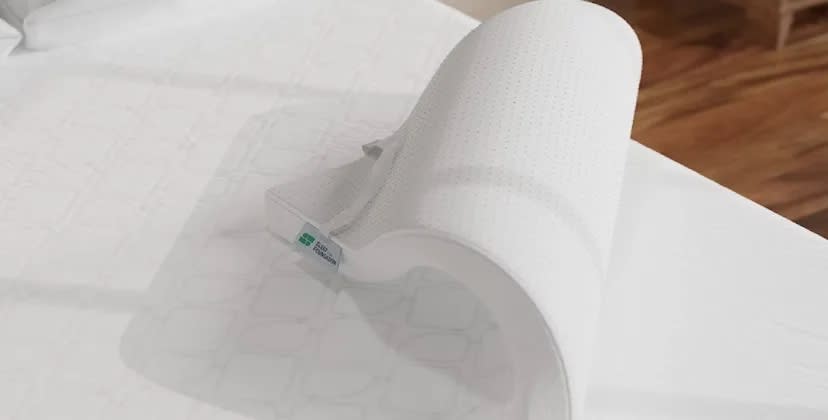
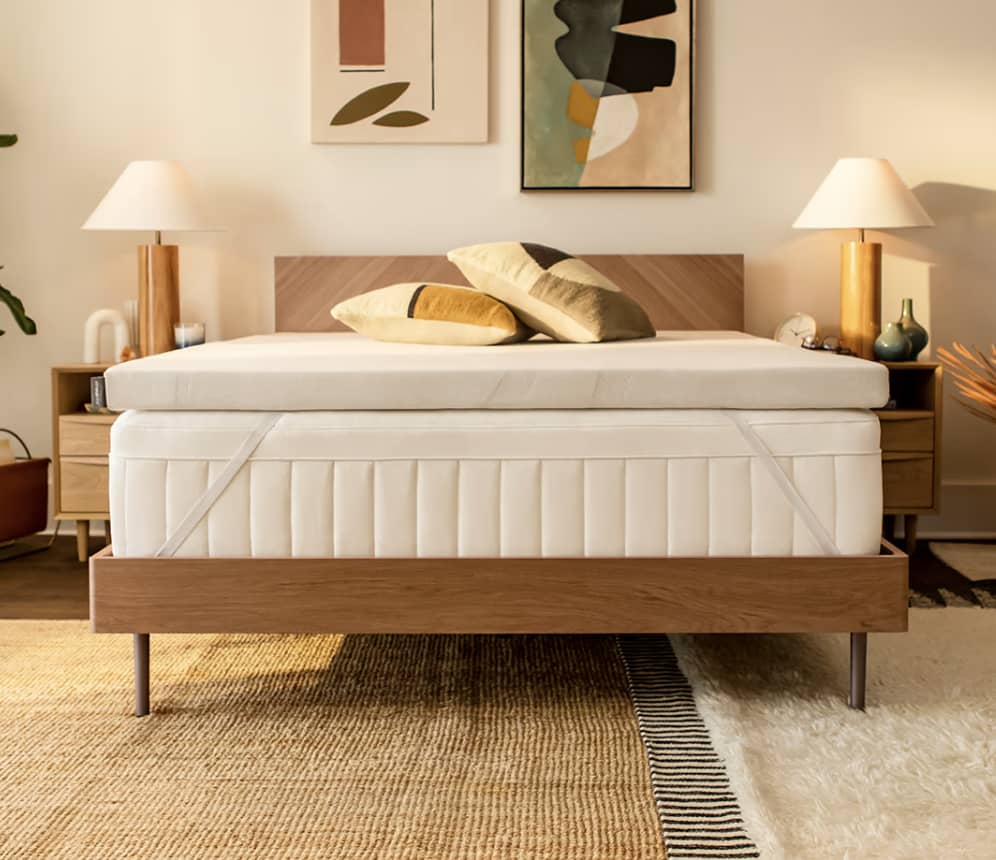
We really enjoyed the adaptive feel of the Sleep Is the Foundation Memory Foam Topper. It offered just enough hug to cushion joints, but still felt like we could move around the topper easily.
Material2″ memory foam
FirmnessMedium
Cover Material100% cotton (Top side of cover), 100% polyester (Underside of cover)
Price$219
Pros
Adaptive memory foam cradles the body
Two-inch profile is suitable for mattresses with moderate wear and tear
Corner straps help keep the topper from shifting
Cons
Memory foam can emit initial off-gassing odor for the first few nights
2-inch profile may not be effective for heavily indented mattresses
The Sleep is the Foundation Memory Foam Mattress Topper offers even contouring and excellent pressure relief for a wide range of sleepers. It’s a strong option if you’re looking to add more cushioning to a sleep surface that’s overly firm or worn out.
The topper is composed entirely of memory foam with a medium feel, which rates 5 on our 10-point firmness scale. The foam conforms closely to your body, offering a deep cradle for areas susceptible to pressure buildup. Our testers found the foam performed well during motion isolation tests, making it well suited to co-sleepers who wake each other up with nighttime stirring. All of our side-sleeping testers felt comfortable on the topper, as did back sleepers up to 230 pounds and stomach sleepers under 130 pounds.
With a 2-inch profile, this topper is thick enough to offer ample cushioning but not so thick that you’ll sink uncomfortably. If you’re seeking a drastic change to the feel of your sleep surface, you may prefer a thicker topper. Although foam is prone to heat retention, the perforated design in this model promotes ventilation. Corner straps help secure the topper to your mattress to prevent shifting.
Shipping is free in the contiguous U.S. for orders over $99 when you order through SleepDoctor.com. You may return unopened toppers within 60 nights to receive a full refund, minus return shipping charges. You may also return opened or used toppers with 60 nights for store credit.
Our team enjoyed the Brooklyn Bedding 4-Lb. Topper’s balanced feel thanks to the dense memory foam composition. You also can’t beat the multiple cover and profile options, as well as the competitive price-point.
Material2-3″ memory foam (4 PCF)
FirmnessMedium
Cover MaterialNo cover
Price$224
Pros
High-density memory foam cushions the body without sinking too much
Multiple profile and cover material options
30-night sleep trial
Cons
No corner straps
Topper is heavy and may be difficult to move
Brooklyn Bedding offers a handful of mattress toppers, all of which are fairly affordable, but the 4-Lb. Memory Foam Topper offers exceptional value at a budget-friendly sticker price. The foam used to construct this topper provides deep cushioning, but its dense composition preserves the shape over time and helps the material resist deep impressions. You can select a profile of 2 or 3 inches, depending on how uneven your mattress feels.
Brooklyn Bedding also offers two options for the topper’s cover. The organic cotton material is naturally breathable, while the slightly more expensive circular-knit Luxury Cooling fabric is designed to dissipate body heat. Both options are suitable for hot sleepers. The all-foam construction also makes the topper a good option if your mattress feels overly responsive and the bounciness causes sleep disturbances for you and your partner.
The 4-Lb. Memory Foam Topper is sold in the six standard mattress dimensions, as well as a short queen for RV owners and others who use this less common size. Brooklyn Bedding ships the topper free of charge to customers in the contiguous U.S., and all orders include a 30-night trial period.
The ViscoSoft High Density Mattress Topper’s mid-range feel and two profile options should appeal to many sleepers. Our team enjoyed the foam’s generous cushioning, especially those of us that sleep on our sides.
MaterialGel-Infused memory foam
FirmnessMedium
Cover MaterialRayon derived from bamboo
Price$200
Pros
Available in profiles of 3 or 4 inches
Corner straps and a skid-free base help stabilize the topper
90-night sleep trial
Cons
Topper may feel too soft for some sleepers
Strong initial off-gassing odor for the first few nights
ViscoSoft has earned a reputation for high-quality toppers that run the gamut of material and design options. One of the company’s best-selling models is the Select High Density Mattress Topper, which is formed from 3 to 4 inches of solid memory foam. The dense composition allows the foam to resist wear and tear, resulting in a decent lifespan, while a medium (5) feel ensures deep contouring from head to toe.
The thick profile options make this topper suitable for a mattress with moderate to severe wear, especially if the surface has lost its cushioning abilities over time. Each corner is equipped with a thick elastic strap to secure the topper to your mattress and minimize shifting when you change positions or toss and turn during the night. The bottom cover is designed to promote traction and prevent skidding for added stability.
The topper is available in seven different sizes, including the hard-to-find queen short. Prices are competitive for all sizes, and shipping is free for orders within the contiguous U.S. Each topper is backed by a 90-night trial period and a 5-year warranty against structural defects.
We enjoyed the Graphite Mattress Topper for its deep cushioning and cradling. As you get into bed, your body sinks a bit but not enough to feel stuck inside the foam — the base layer provides great pushback. There’s also less heat retention thanks to the graphite infusion.
Dual-layer construction features an adaptive, pressure-relieving surface and sturdy base
Graphite infusion helps offset heat retention and promote consistent cooling
Thick corner straps stabilize the topper to prevent shifting
Cons
Expensive sticker price may be a dealbreaker for budget shoppers
Initial off-gassing odor can linger for up to 72 hours
Saatva’s reputation for luxurious sleep products extends beyond the company’s mattress line. Take the Graphite Mattress Topper, which is composed of high-quality foams and uses a dual-layer design to ensure an excellent balance of cushioning and support. The topper has a medium soft (4) feel, so the top layer of memory foam contours closely, but a dense polyfoam base pushes back to prevent excessive sinkage.
The topper measures 3 inches thick and adjusts the feel of your sleep surface to a significant extent. If your mattress has become too firm or responsive over time, you should notice an improved comfort level. We also recommend the topper to couples who frequently wake each other up with movement in bed. The foam layers respond slowly when you change positions or get up during the night, and this reduces the amount of motion transfer that ripples across the surface to your partner’s side.
Graphite infused into the memory foam reduces heat retention to help you stay cool. An organic cotton cover adds to the topper’s above-average breathability. Each corner is equipped with a thick elastic strap you can tuck over your mattress. These straps minimize shifting, so the topper should remain in place throughout the night — even if you toss and turn.
Although the Graphite Mattress Topper is somewhat expensive, Saatva offers free shipping for all U.S. orders and you’ll receive a 180-night trial with your purchase. A 1-year warranty covers structural and material defects.
Couples with differing temperature preferences should strongly consider the Orion Sleep System, an advanced bedding accessory that offers custom heating and cooling on each side of the bed. Smart sensors embedded in the fabric track your body temperature levels and adjust the temperature if you feel too hot or cold, and also monitor biometric data you can track with a companion app.
MaterialSmart sensors, water microtubes, and waterproof barrier
FirmnessMedium Soft (4), Medium Firm (6)
Cover Material60% polyester, 40% rayon derived from bamboo
Price$1,965
Pros
Adjustable temperature controls can customize each side of the bed
Heating and cooling range of 50 to 115 degrees
Embedded sensors track and organize your sleep data
Cons
Only sold in queen, king, and California king sizes
Steep sticker price will be too expensive for some shoppers
The Orion Sleep System uses cutting-edge technology to let you customize the temperature of your side of the bed – and your partner can do the same. While this item is closer to a mattress pad than a traditional topper, it contains some padding material to make your sleep surface feel slightly cushier. You can choose from medium soft (4) and medium firm (6) designs based on how much plushness you want from your mattress.
The Sleep System's pad contains a network of microtubes and connects to a tower with a water reservoir. After you've adjusted the water temperature using the Orion companion app, the water is heated or cooled to your liking and funneled into the microtubes. Tiny sensors embedded in the fabric monitor the temperature of different areas of your body, and the Sleep System adjusts the temperature to ensure you never feel too hot or too cold. The pad also contains a thin waterproof barrier to prevent leaks.
A blend of polyester and rayon derived from bamboo makes the pad's shell feel soft, stretchy, and breathable. The pocket depth is 10 to 16 inches, so you can use the pad with just about any mainstream mattress sold today – though the only size options are queen, king, and California king. You cannot machine-wash the pad, so you'll need to spot clean the fabric if stains or smudges occur.
The Orion Sleep System's sticker price is pretty steep and you'll need to purchase an annual subscription on top of the pad's asking price, but standard shipping is free for all orders. Your purchase includes a 30-night sleep trial.
When you lie down on the TEMPUR-Adapt Topper, you can feel the foam contouring evenly around your body’s unique curves. This cradling effect is quite soothing. As someone who experiences sporadic back pain, I think this topper could be useful on nights when I need extra cushioning in bed.
Material3″ TEMPUR memory foam
FirmnessMedium
Cover MaterialPolyester Stretch Knit
Price$419
Pros
Proprietary TEMPUR memory foam is dense and long-lasting
Close contouring ensures deep pressure relief and excellent motion isolation
Elastic straps prevent shifting when you change positions
Cons
Only available in one firmness level
High price-point for a foam topper
The TEMPUR-Adapt Topper contains the same proprietary memory foam that has made Tempur-Pedic mattresses so popular with sleepers. Three inches of solid, high-density foam make up the core. Designed for a medium (5) feel, the topper conforms closely to distribute your weight, align the spine, and alleviate soreness in the upper and lower back. The high profile also helps ensure a significant comfort adjustment for your existing mattress.
Our tests show the TEMPUR-Adapt’s design is better suited to some sleepers than others. Side sleepers weighing 230 pounds or less should receive the deep cushioning they need to reduce pressure in the shoulders and hips. Back and stomach sleepers under 130 pounds may also find the topper comfortable, though people who use these positions and weigh more will likely sink too much.
Since the foam responds so slowly to movement, you and your partner should notice little to no motion transfer when the other person changes sleep positions or tosses and turns. Elastic corner straps also help stabilize the topper to prevent shifting when movement occurs. A knit cover encases the foam. You can remove and machine wash the cover to keep your topper hygienic. If you’re someone who normally sleeps hot, an upgraded version of the topper infused with cooling gel is also available.
Tempur-Pedic offers free ground shipping throughout the contiguous U.S. The company does not allow returns at any time, so all sales are considered final, but you’ll receive a generous 10-year manufacturer’s warranty with your purchase.
Side sleepers and people with sharp pressure points should enjoy the generous cushioning from the Layla Mattress Topper. Foam layers and a soft (3) feel closely contoured to our bodies to relieve pressure buildup.
Material2″ copper gel-infused memory foam
FirmnessSoft
Cover MaterialPolyester, Viscose, Poly/Lycra with a ThermoGEL Cooling Agent
Price$349
Pros
Highly adaptive for people with pain or pressure points
Cover is removable and machine-washable
120-night sleep trial
Cons
Too soft for most people over 230 pounds
Shorter profile may not provide enough of a comfort adjustment
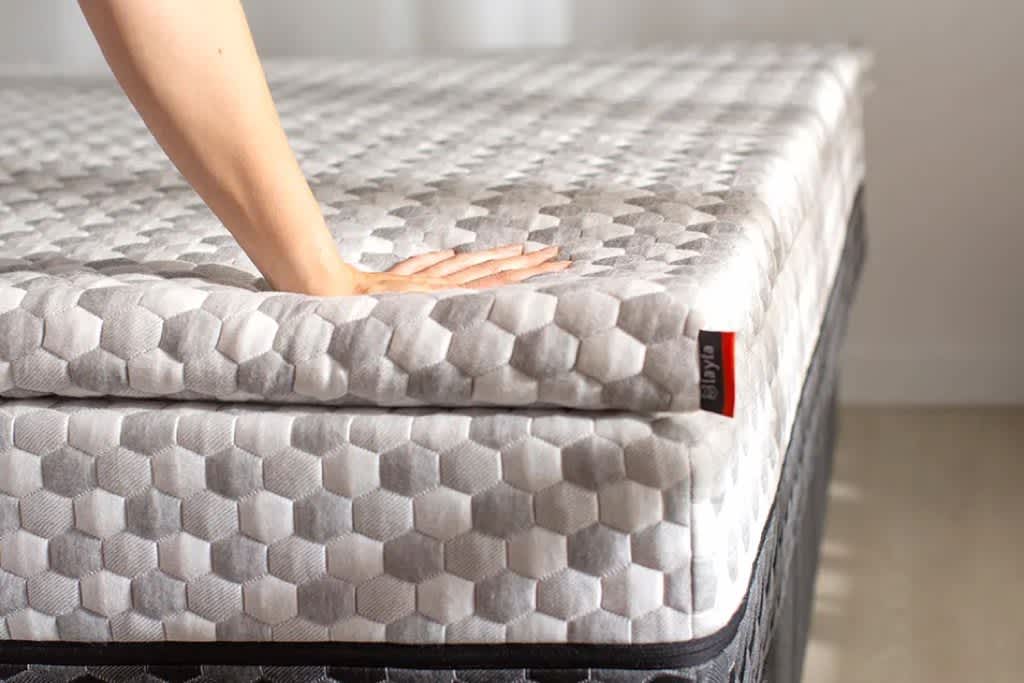
If you prefer plush sleep surfaces that contour deeply and your mattress has lost some of its conforming ability over time, the Layla Mattress Topper may be a good option for you. A 2-inch profile means the topper is not particularly thick, but its all-foam design and soft (3) feel ensure deep cushioning and targeted pressure relief while you sleep. For this topper, Layla uses the same memory foam that has made the brand’s mattress models so popular.
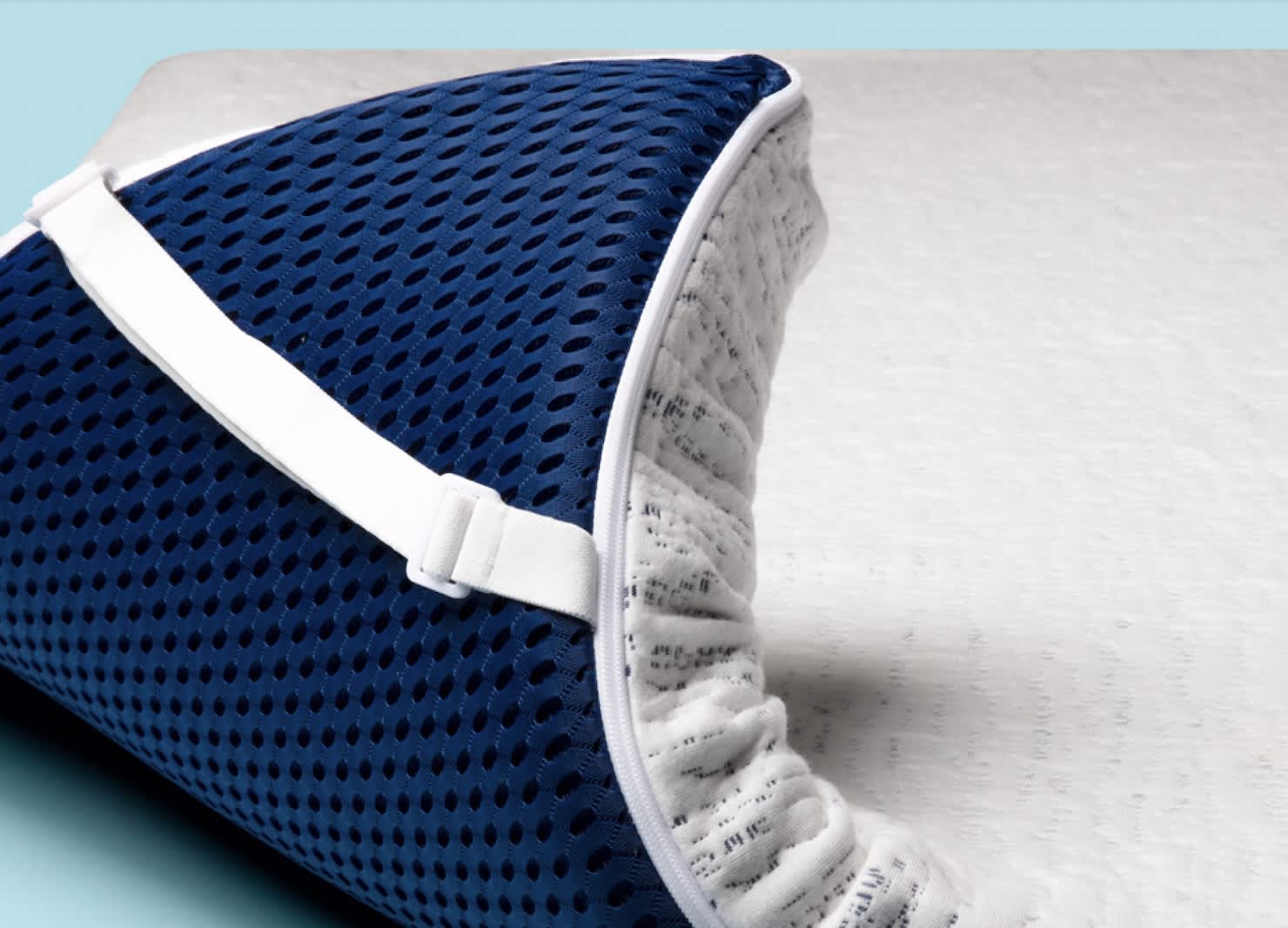
The cover encasing the foam is made from polyester, viscose from rayon, and ThermoGEL cooling agent with a touch of Lycra spandex. This soft and stretchy fabric blend is highly breathable and can offset some of the memory foam’s heat-trapping tendencies. The base cover is a skid-free material to keep the topper in place, even when sleepers change positions. You may unzip, remove, and machine wash the cover whenever it needs to be cleaned.
The topper comes with a 120-night sleep trial and 5-year warranty, both of which are longer than average. Layla offers free ground shipping within the contiguous U.S. While the topper is meant to complement the look and feel of Layla mattress models, it is compatible with any standard size mattress.
The Birch Organic Mattress Topper’s materials boast several certifications ensuring that they were sourced sustainably and produced in an ethical manner. Our testers enjoyed the naturally breathable construction, which kept the surface quite cool.
MaterialTalalay Latex
FirmnessMedium
Cover MaterialOrganic Cotton & Wool
Price$399
Pros
Eco-friendly construction includes organic and natural materials
Latex core provides gentle contouring and excellent breathability
100-night sleep trial
Cons
Limited contouring and cushioning
Lack of corner straps may lead to shifting and bunching
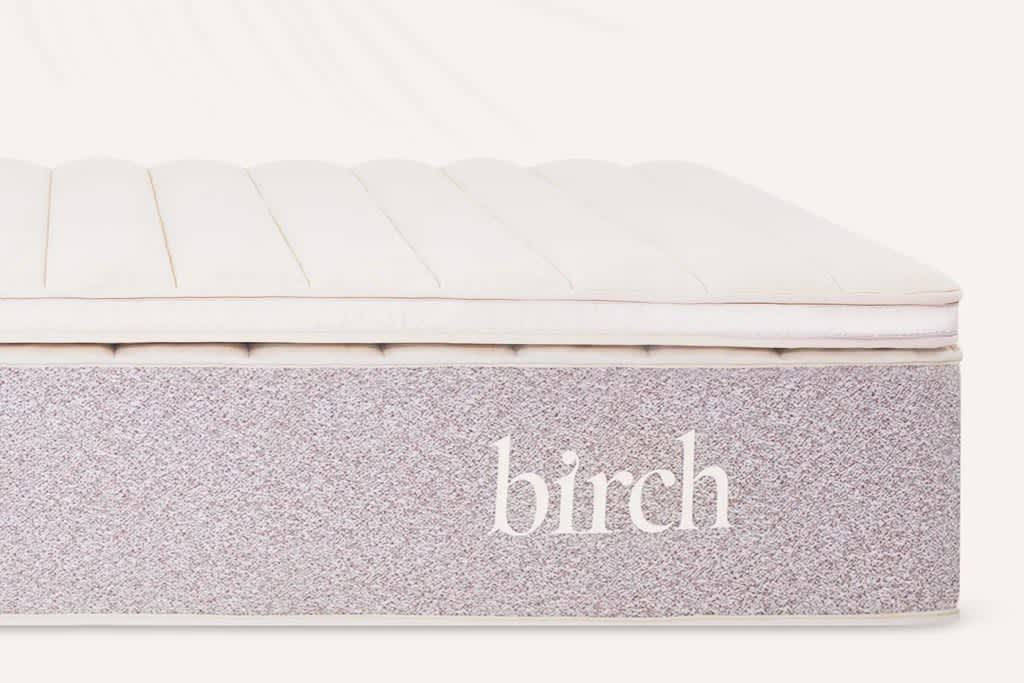
If your mattress is old and needs a firmness adjustment, but you prefer buying and using environmentally friendly products, the Birch Organic Mattress Topper may meet your needs. The topper contains 2 inches of natural Talalay latex, a material that delivers moderate contouring and noticeable responsiveness. Since its profile is on the lower side, this topper is best suited to mattresses with some wear and tear that may still have another year or two before a replacement is needed.
A quilted cover made of breathable organic cotton helps keep the surface cool, and two layers of organic wool add cushioning and wick away moisture from your body. Another temperature-regulating element is the latex itself, which is ventilated with small holes to circulate airflow. These characteristics can benefit hot sleepers and those prone to night sweats. The topper has earned Global Organic Textile Standard and Greenguard GOLD certifications, indicating sustainable material sourcing and a relatively low footprint during production.
Although the price-point is somewhat high, latex is a durable material and the expected lifespan for this topper is longer than average. Birch also backs each purchase with a 10-year warranty against structural and workmanship defects. The company ships free of charge to all 50 states.
How We Test
We put mattress toppers to the test using the same rigorous methods that we do for mattresses. During sleep lab testing, we measure every topper’s temperature regulation, motion isolation, pressure relief, and ease of movement among other factors. These trials use a combination of objective tests that give us hard data and subjective tests that measure our testers’ comfort and support.
Our testing team includes side, back, and stomach sleepers with a wide range of body weights. This variety of needs and body types helps us discover exactly who is best suited to a particular mattress topper. We also consider verified customer reviews to discover how toppers hold up in real-world scenarios.
What Is a Mattress Topper?
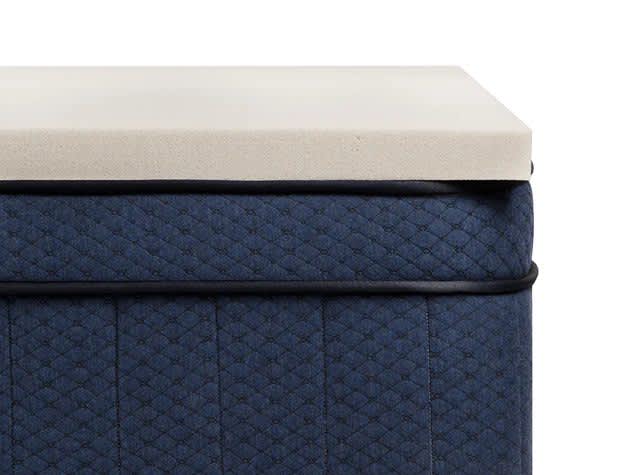
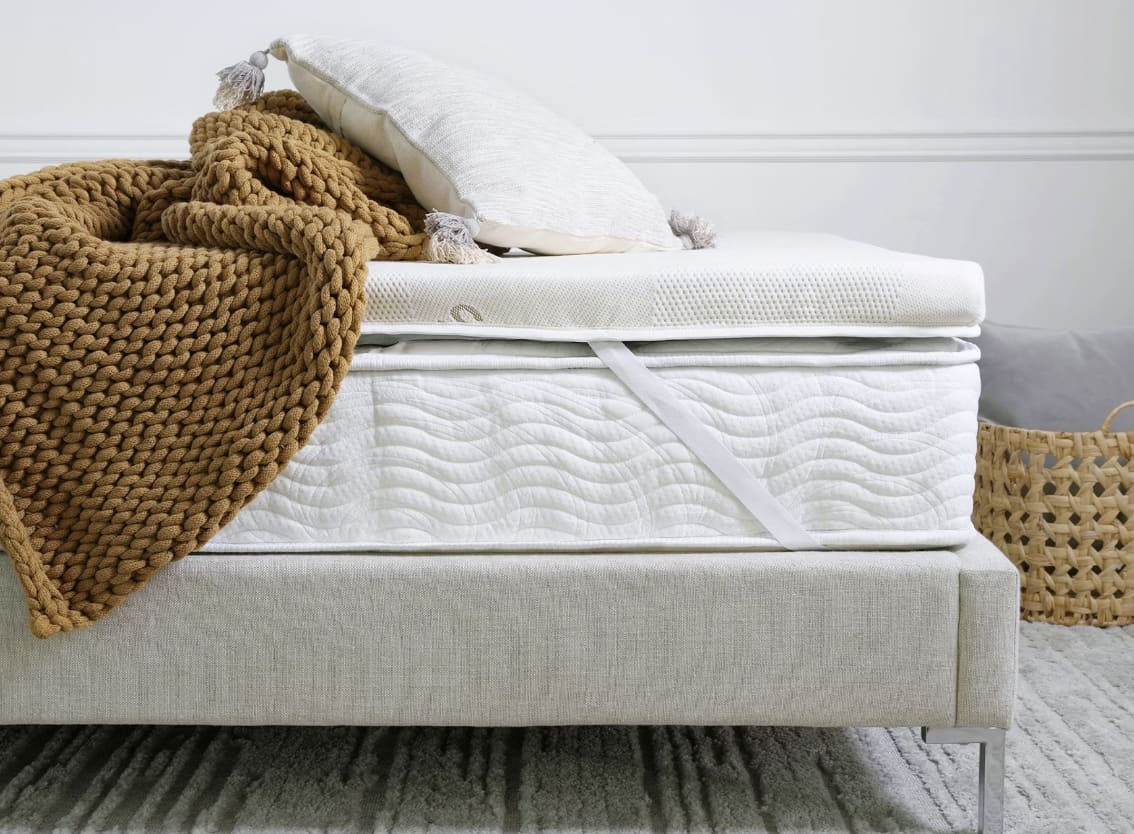
A mattress topper is a thin piece of material that’s placed on top of an existing mattress. It typically sits 1 to 4 inches high and may consist of a range of materials, such as memory foam or latex.
Toppers can change the feel of a mattress, provide additional support, and add cooling properties. Some sleepers like to use mattress toppers to protect a mattress from wear and tear and potentially extend its lifespan.
Why Should You Use a Mattress Topper?
From strengthening support to providing pressure relief, mattress toppers can adjust your mattress’ feel, thus changing the way you sleep. When deciding if a mattress topper is right for you, consider its performance characteristics and how they fit with your sleep needs.
Enhanced comfort: A mattress topper can adjust your current mattress’ comfort level by providing additional firmness or softness.
Improved support: If your current mattress doesn’t promote healthy spinal alignment, you may experience back pain. A mattress topper with stronger support or increased contouring can improve sleep posture, depending on your size and sleeping position.
Increased mattress longevity: As your mattress ages, you may sink deeper into the surface or stains may appear. By providing an extra layer of protection, a topper can protect a mattress from stains and act as a buffer by absorbing the pressure exerted by sleepers’ bodies.
Cooling properties: People who overheat during sleep may want to invest in a mattress topper with cooling properties. Some toppers made with gel-infused memory foam are designed to absorb and disperse heat to aid with temperature regulation.
Reduced motion transfer: If you sleep with a partner or pets and often feel their movements during the night, you may benefit from a conforming mattress topper. Foam-based models often contour closely to sleepers’ bodies and absorb and isolate movements.
Temporary mattress adjustments: Sleepers going through temporary experiences, such as an injury, a health condition, or pregnancy, may need to adjust their mattress to accommodate their current needs. A mattress topper allows sleepers to temporarily change the feel of their mattress without buying a new one.
Budget-friendly mattress solution: While a new mattress can be a significant investment, high-quality toppers are available for a fraction of the cost of replacing a mattress entirely.
If your mattress is on its way out but you’re not ready to buy a new one yet, a mattress topper can be a great solution. They’re an affordable way to boost support, enhance your bed’s feel, and extend your mattress’ lifespan.
Are Mattress Toppers and Mattress Pads the Same?
Although mattress toppers and mattress pads are both placed on top of a mattress, they differ in function. Typically about 1 to 2 inches in height, mattress pads are generally thinner than toppers and do not significantly change the feel of a mattress. Mattress pads are mainly used to protect against dirt and stains while providing light contouring.
Types of Mattress Toppers
Since toppers provide an extra layer atop a bed’s comfort system, it’s important to consider how the type of mattress topper will impact the overall feel of your bed.
Memory Foam
Memory foam mattress toppers are known for their ability to conform to the body and relieve pressure. Since they contour closely, memory foam toppers also tend to isolate motion and reduce noise from sleepers’ movements. However, memory foam generally retains more heat than other types of foam, though some companies use gel or other infusions designed to offset this tendency.
Polyfoam
Polyfoam is less dense and generally less conforming than memory foam. Polyfoam mattress toppers are usually less expensive than memory foam models, though they also tend to be less durable. Convoluted polyfoam, which resembles the undulating design of an egg crate, typically promotes greater airflow and may be a good choice for people on a budget who sleep hot.
Latex
Though synthetic latex options exist, natural latex mattress toppers contain a type of foam made from the sap of rubber trees. Latex toppers generally balance responsive support with light contouring. While Talalay latex toppers are typically bouncier, those with Dunlop latex tend to be denser and more supportive. Most latex mattress toppers are fairly expensive but durable.
Wool
While wool has a reputation for being warm and cozy, it also excels at temperature regulation, making wool mattress toppers an appealing choice for sleepers seeking a plush option for year-round use. Although they are not vegan-friendly, wool mattress toppers are hypoallergenic and antimicrobial. They are also quite durable, which may make up for their higher price-point.
Down and Feather
Down refers to the insulating inner layer of feathers found beneath the quilled exterior feathers of ducks and geese. Down toppers are typically softer and more moldable, while feather models tend to be more breathable. Though down options are typically pricier, more affordable options that blend the two fills are available.
Down Alternative
Down alternative toppers mimic the feel of down with materials not derived from animals. Common down alternatives include polyester, microfibers, and PrimaLoft, which is a patented blend of polyester microfibers and other synthetic materials. Down alternative mattress toppers are typically less expensive, more breathable, and more resistant to allergens than natural down models, though they also tend to be less durable.
Picking the Right Mattress Topper for You
Choosing the right mattress topper is a similar process to finding the best mattress for your needs. Factors to consider include your sleeping position, body type, and if you sleep hot or cold — and how those considerations are impacted by the product’s support, firmness level, contouring ability, and other qualities.
Since I run hot, it’s important that any mattress topper I use doesn’t make my bed warmer than it already was. I like latex, wool, and open cell foam best because they’ve all got strong airflow.
Firmness: We rate mattress topper firmness on a scale of 1 to 10, from softest to firmest. Sleepers tend to add a mattress topper to increase or reduce a bed’s firmness depending on their sleep position, body size, and preferences.
Support: Support varies based on sleeping position and body weight. For instance, side sleepers who weigh less than 130 pounds may find softer mattress toppers supportive, while those over 130 pounds might not. People who sleep on their back or stomach generally require a more supportive sleep surface, particularly if they weigh more than 230 pounds.
Conforming: Highly conforming mattress toppers closely cradle the body. Memory foam is most commonly associated with conforming, though polyfoam and latex offer varying degrees of contouring based on their formulations and densities.
Each sleep position requires different levels of firmness and support to maintain neutral spinal alignment and comfort. Those who sleep on their side, for example, typically require a mattress topper that cradles their hips and shoulders.
Body type also plays a role in the amount of firmness and support required. Lighter individuals put less pressure on a topper and often prefer softer models with more give.
Recommended Firmness Levels
Under 130 lbs.
130-230 lbs.
Over 230 lbs.
Side Sleepers
Soft (2-3) to Medium Soft (4)
Medium Soft (4) to Medium (5)
Medium Firm (6) to Firm (7-8)
Back Sleepers
Medium Soft (4)
Medium (5) to Firm (7-8)
Firm (7-8)
Stomach Sleepers
Medium Soft (4)
Medium (5) to Firm (7-8)
Firm (7-8)
Factors to Consider in a Mattress Topper
In addition to a mattress topper’s support, firmness, and conforming abilities, shoppers may want to consider several other factors before making a purchase.
Material type: Mattress toppers are available in a wide range of materials, including memory foam, polyfoam, latex, wool, down, feather, and down alternative, each with its own unique performance characteristics.
Thickness: Mattress toppers are typically 1 to 4 inches thick. Toppers with greater height tend to provide additional support. It’s important to note that the thickness of the topper impacts the overall height of your mattress, which may necessitate buying a fitted sheet with deeper pockets.
Pressure relief: Those experiencing pain at pressure points may want to consider a mattress topper that cradles the body and relieves pressure. Pressure-relieving mattress toppers are often made from foam.
Temperature regulation: Hot sleepers should consider a mattress topper’s ability to regulate temperature. Some topper materials, like wool and down, are naturally breathable, while some foam-based toppers contain gel infusions or other cooling technologies designed to disperse heat.
Motion isolation: Those sleeping with a partner or pets may want a mattress topper that isolates motion, reducing the chance they feel movements on the other side of the mattress. Foam-based mattress toppers usually excel at motion isolation, particularly models containing memory foam.
Quality and durability: To determine a mattress topper’s quality and durability, consider its design, construction, material type, and firmness. For example, latex and memory foam tend to be more durable than polyfoam, while natural down generally outlasts down alternatives.
Cleaning and care: The process for cleaning a mattress topper depends on its material type. Although most toppers are not machine-washable and must be spot-cleaned, some have removable covers that can be laundered in a washing machine and dryer.
Cost: More expensive than a typical mattress pad, the average queen size mattress topper costs between $150 and $400. Prices depend on several factors, including brand, design, construction, and material type.
Last Things to Know About Mattress Toppers
There are several additional things to know about mattress toppers before deciding if one is right for you. We’ll explore answers to the most popular questions sleepers have about mattress toppers.
How Do You Keep a Mattress Topper From Sliding?
The easiest way to discourage a mattress topper from sliding is using a topper size that matches your mattress size along with a fitted sheet that tightly covers both. If you still find that the topper shifts during the night, try using sheet straps or a Velcro system to secure the topper.
Other effective methods include safety pins or a non-slip mat. The latter features a textured rubber surface that grips the topper from beneath.
Can You Use a Mattress Protector With a Mattress Topper?
You can use a mattress protector with a mattress topper to provide an additional layer of protection for your mattress. Sleepers should place the mattress topper on the mattress and the mattress protector above the topper. Adding a topper and protector increases the mattress’ total height and may affect the size of the sheets you need.
Do You Need a Mattress Topper or a New Mattress?
Although many people use a mattress topper to increase the lifespan of their mattress, toppers are temporary, inexpensive fixes for aging mattresses. The average mattress lasts approximately six to eight years. Signs it’s time to replace a mattress include sagging, lack of edge support, and waking up with aches and pains.
David is a Certified Sleep Science Coach with a lifelong passion for well-being and health optimization. His interest in sleep developed with the arrival of his son, when sleep suddenly became a precious commodity. Since then, David has researched everything from bedtime routines to mattress toppers in his quest for a great night’s sleep.