How We Test
In our Seattle-based sleep lab, we test mattress protectors to see how well they safeguard against spills, wear and tear, and allergens. We look carefully at fabric characteristics including materials, weaves, and protectants.
Our testing team learns about a model’s protection potential by stretching the material, using abrasives on the fabric, and intentionally spilling liquids to see if they leak through to the mattress. We also look at verified customer reviews to see whether current owners think their mattress protector is worth it.
What Is a Mattress Protector?
Mattress protectors are designed to keep spills, sweat, dust mites, bodily fluids, and other contaminants off of your mattress. They can also protect you from molds and bacteria that may already be in the mattress.
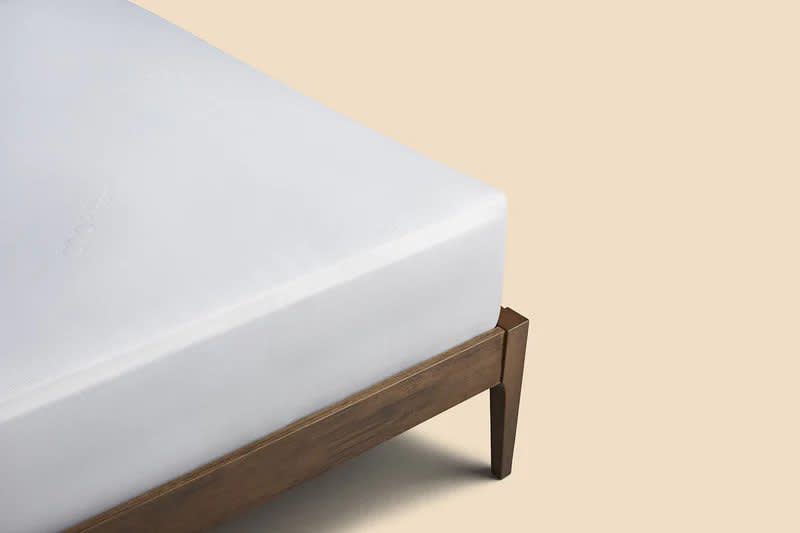
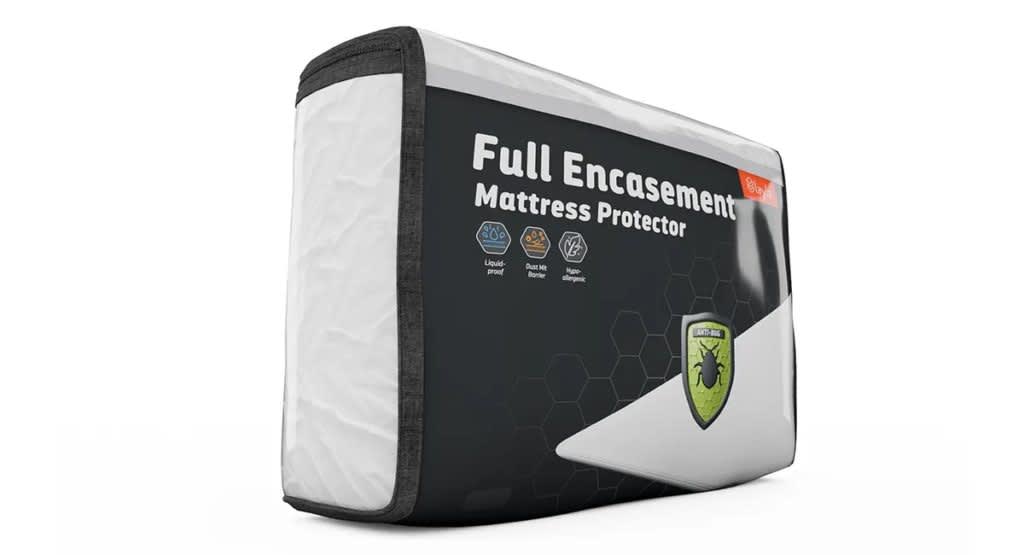
Mattress protectors usually come in one of two types: fitted or encasement. A fitted mattress protector has elasticized pockets similar to a fitted sheet. These slip around the corners of the bed, protecting the mattress on five sides. An encasement slips over the entire mattress for six-sided protection.
The covers of mattress protectors can be cotton, polyester, Tencel, rayon from bamboo, or a blend. Waterproofing comes from a layer of polyurethane or another thin, flexible plastic.
While sometimes confused with mattress pads or toppers, mattress protectors are mainly meant to act as a barrier and do not typically have the same comfort or support features included in pads and toppers.
Do You Need a Mattress Protector?
Mattress protectors are usually considered an accessory. However, even if they aren’t essential, protectors can be a valuable, inexpensive addition that safeguards the investment you made in your mattress. By keeping your mattress free of dirt, germs, and liquids, you can potentially extend the life of your mattress.
It’s also worth noting that some mattress companies may require the use of a mattress protector in order for the mattress to be eligible for returns during the sleep trial period.
As a parent, I want a mattress protector that’s washable, waterproof, and good at keeping allergens at bay. I find that full-encasement options are better for what I want than fitted protectors.
Benefits of Mattress Protectors
There are several benefits to using a mattress protector, including keeping your mattress clean and protecting against allergens. They can also extend the life of your mattress, keep you cool, and prevent bed bug infestations.
Choosing the Best Mattress Protector
When choosing the best mattress protector for your sleep needs, it’s important to consider its design, its waterproof and cooling properties, and what materials it’s made from. You’ll also want to make sure that the protector’s pocket depth or height is compatible with your mattress’ profile. Availability and length of sleep trials and warranties can also impact your decision, as can cost. What customers have chosen as the best-selling mattress protectors is a good starting point.
Fitted vs. Encasement
Mattress protectors come in either a fitted or an encasement style. The performance characteristics of each design make them more or less suitable depending on what kind of protection you’re looking for.
-
Fitted-Style Protector: With a design similar to a fitted sheet, fitted-style protectors are easy to put on the bed and to remove when it’s time to clean them. They work best for sleepers who anticipate frequent washing.
-
Encasement-Style Protector: These protectors fully enclose the mattress on all six sides, including the bottom. Sleepers may find that putting on and taking off encasement-style protectors is more of a hassle, but they work well at locking out bed bugs and other pests.
Waterproof
Mattress protectors typically incorporate a thin, flexible layer of plastic to provide waterproof protection. This can also prevent stains, odors, mold, and mildew.
Those sleepers who share their bed with children or pets can particularly benefit from using a mattress protector. However, any sleeper may find a mattress protector useful for keeping their mattress free of dirt, dead skin cells, sweat, and other bodily fluids.
Cooling Properties
Some sleepers may worry that the plastic used to waterproof a mattress protector could make the mattress too hot. For these sleepers, it’s important to look for high-quality mattress protectors that use breathable fabric and incorporate lightweight plastic. Many mattress protectors also have built-in cooling technology designed to wick away body heat from the sleep surface.
If you sleep hot, make sure you get a protector that’s got a breathable fabric. Cotton, bamboo, and Tencel Lyocell fabrics are great at promoting airflow – you shouldn’t experience much heat retention with these materials.
Materials
Waterproof mattress protectors typically have an upper layer of lightweight fabric and a plastic layer underneath. Sometimes there is a second layer of fabric below the plastic. These layers can be made out of a variety of materials.
-
Cotton: Soft and breathable, cotton promotes airflow, wicks away liquids, and is easy to wash.
-
Polyester: Although not as breathable as cotton, the ultrafine synthetic fibers of polyester form a tight weave that’s thin, durable, and water resistant.
-
Bamboo: The fabrics derived from bamboo fibers include rayon, lyocell, and modal. They look and perform similarly to cotton.
-
Tencel Lyocell: Made from wood pulp, Tencel Lyocell fabric is known for its durability, moisture-wicking capability, and silky feel.
-
Vinyl: Vinyl is a synthetic, waterproof material used in some mattress protectors. Although these protectors may have a lower cost, vinyl is often thicker and more rigid. It may also contain harmful chemicals.
-
Polyurethane: Polyurethane is a plastic that can be formed into thin, flexible, waterproof material. It’s phthalate free and is often used in protectors that are OEKO-TEX Standard 100 certified free of harmful chemicals.
Sleep Trials and Warranty
Sleep trials and warranties take away some of the risk of purchasing a mattress protector.
Sleep trials allow shoppers to try a mattress protector in their homes for a period typically ranging from 30 to 100 nights. During the sleep trial, shoppers can return the mattress protector for the purchase price. Many companies also include the cost of return shipping.
Companies that offer warranties on their mattress protectors cover any manufacturing defects. These warranties often last from one to five years. Shoppers can expect a full refund or replacement of the mattress protector.
Fit and Pocket Depth
Mattress protectors usually come in six standard sizes: twin, twin XL, full, queen, king, and California King. Fitted mattress protectors have elasticized pockets with depths that vary depending on the manufacturer. Full encasement protectors also have a maximum height. When shopping for a protector, it’s important to select one with pockets or an overall height that can accomodate your mattress.
Ease of Care
Most mattress protectors are machine-washable and can often be tumble dried on low. Fitted mattress protectors are generally easier to remove and wash than full encasement options.
Price
Compared to the cost of a mattress, mattress protectors are relatively inexpensive. They can be a worthwhile investment, particularly if you have a new or more costly type of mattress that you want to protect.
How Often Should You Wash a Mattress Protector?
One of the main benefits of mattress protectors is how easy they are to clean. Most protectors can be machine-washed in cold or warm water on the gentle cycle and then tumble dried on low. Use gentle detergent and avoid fabric softeners. Some tough stains like blood or wine may need an enzyme-based stain treatment before washing. Always double check the manufacturer’s care instructions before washing.
With normal wear, mattress protectors should be washed every one to two months. More frequent washing may be called for if you have allergies or sleep with your pets. Of course, if the mattress protector gets soiled, you’ll need to wash it as soon as possible.