Sleep apnea is a disorder involving repeated breathing disruptions during sleep. Your breathing can be affected by your body position, which is why finding the right mattress has the potential to help address sleep apnea.
Because sleep apnea can affect your health, it is important to consult with a doctor about the most appropriate treatment. A mattress alone generally can’t resolve the condition, but it may reduce symptoms while enhancing your comfort and support. Our testing team tried out more than 1,000 beds to pick out the best mattresses for sleep apnea.
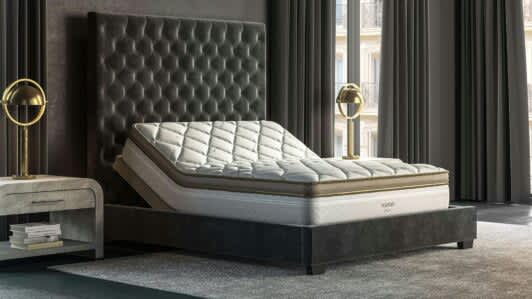
The Solaire Mattress offers the utmost in firmness flexibility, letting you dial in your comfort and support in any sleeping position. It’s made with high-quality materials, including organic cotton and natural latex, and it’s also backed by a 365-night sleep trial and a lifetime warranty.
Ideal forCouples
FirmnessAdjustable - Soft (3) to Firm (8)
FeelConforming Foam and Responsive Latex
ValueGood Value
Pros
Firmness can be adjusted in the moment to match your body’s needs
Organic cotton cover and natural latex certified by the Rainforest Alliance
Multiple components designed to help you sleep cool
Cons
Returns are assessed a $99 processing fee
Springy latex layer can cause some motion transfer across the mattress surface
Side Sleepers
Under 130 lbs
7.5/10
130-230 lbs
8.0/10
Above 230 lbs
8.0/10
Back Sleepers
Under 130 lbs
8.0/10
130-230 lbs
8.5/10
Above 230 lbs
8.0/10
Stomach Sleepers
Under 130 lbs
8.0/10
130-230 lbs
8.0/10
Above 230 lbs
8.0/10
“I breathe most freely when on my side, but I sometimes struggle to get enough support in that position. With the Solaire, I could dial in the firmness to the absolute most comfortable level.” – David Rubin, Director of Product Testing
Why We Like It
The Solaire Mattress is an airbed, which means that you can modify the firmness level with the touch of a button. If you are trying to sleep on your side to reduce sleep apnea, the Solaire lets you adjust the firmness until you feel most comfortable. Larger sizes feature independent air chambers, allowing each person to set their preferred feel.
A five-zone design in the latex layer is engineered to support the lumbar spine and relieve pressure points when sleeping on your side. Each layer is made with durable materials that contribute to impressive performance now and years into the future. Saatva also offers free White Glove delivery and old mattress removal.
How Does It Feel?
We found that the combination of bouncy Talalay latex and conforming memory foam gave the Solaire a balanced feel. The adjustable firmness puts you in control, allowing you to make ongoing adjustments to find the comfort level that works best for you.
Our tests showed that the Solaire resists heat buildup, giving it an added benefit for people with sleep apnea who tend to sleep hot.
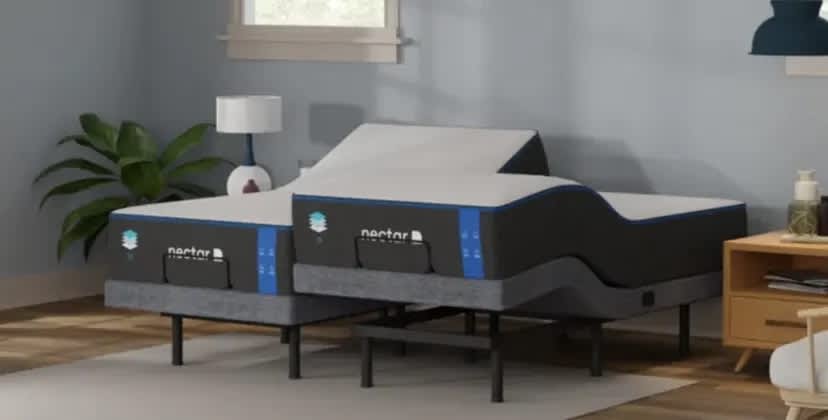
The Nectar Adjustable Bundle gives back sleepers everything they need to elevate their upper body during sleep, which may reduce symptoms of sleep apnea. With both a basic bundle and options to upgrade, this set of products can fit the budget and sleep needs of a wide range of shoppers.
Ideal forCouples
FirmnessMedium Firm (6)
FeelVaries
ValueGreat Value
Pros
Create-your-own bundle with choice of six mattresses and two adjustable bases
Preset anti-snore setting
Firmness level and contouring work well for people trying out side sleeping to combat sleep apnea
Cons
Nectar Memory Foam Mattress may not feel firm enough for stomach sleepers
Conforming foams in the comfort layers can reduce edge support
Side Sleepers
Under 130 lbs
7.5/10
130-230 lbs
9.0/10
Above 230 lbs
7.5/10
Back Sleepers
Under 130 lbs
7.0/10
130-230 lbs
8.5/10
Above 230 lbs
7.0/10
Stomach Sleepers
Under 130 lbs
5.5/10
130-230 lbs
7.0/10
Above 230 lbs
5.5/10
“With this bundle, the adjustable bed frame let me elevate my upper body so that I didn’t snore or gasp as much during the night. The mattress itself also had some really comfortable cushioning.” – Garen Glazier, Product Testing Team Member
Why We Like It
If you want to try an adjustable bed, the Nectar Adjustable Bundle is a one-click solution offering convenience, competitive pricing, and multiple product options.
You can choose from six different Nectar mattresses to suit your personal needs. You can also choose between the Classic frame and the feature-rich Premier frame. Both options make it simple to elevate your upper body, which may help reduce shallow breathing when you’re sleeping on your back.
How Does It Feel?
Our testing team found the Nectar adjustable frame easy to operate and helpful for finding a comfortable position with the top of the bed elevated. With the Nectar Memory Foam Mattress, our testers noted above-average motion isolation. Side sleepers on our team appreciated the cushioning around their hips and shoulders.
The Plank Firm Luxe is a reversible mattress that is firm (7) on one side and extra firm (9) on the other. With a coil support core for added bounce, the Plank Firm Luxe is a match for many back and stomach sleepers and people who want plenty of pushback from their mattress.
Ideal forHeavy Sleepers
FirmnessFirm (7), Extra Firm (9)
FeelDense Supportive Foam
ValueGreat Value
Pros
Reversible design with firm (7) and extra firm (9) sides
Impressive support for sleepers over 230 pounds
Minimal heat retention reduces risk of waking up in a sweat
Cons
Feels too firm for many sleepers, especially side sleepers under 130 pounds
Limited motion isolation can lead to sleep disruptions from a bed partner’s movement
Side Sleepers
Under 130 lbs
4.5/10
130-230 lbs
6.5/10
Above 230 lbs
8.0/10
Back Sleepers
Under 130 lbs
4.5/10
130-230 lbs
6.5/10
Above 230 lbs
8.0/10
Stomach Sleepers
Under 130 lbs
5.0/10
130-230 lbs
7.0/10
Above 230 lbs
8.5/10
“I appreciated the choice of two firm surfaces with this reversible design. The firmness kept my body in an even plane, and I never started sagging into the mattress. I also really valued the reliable edge support and temperature regulation of the Plank Firm Luxe.” – Garen Glazier, Product Testing Team Member
Why We Like It
The Plank Firm Luxe’s dual-sided design gives you more options for finding the right level of comfort and support. Among our testing team, back and stomach sleepers generally gave the highest ratings to this mattress and its ability to properly support the midsection without sagging or sinkage.
We also appreciated that the Plank Firm Luxe resisted heat buildup, making it more comfortable for hot sleepers. Moving around on the mattress is easy, and strong edge support creates stability across the mattress surface.
How Does It Feel?
There’s no denying that this mattress feels firmer than many others on the market, especially on its extra firm (9) side. However, it has a thin layer of quilting and high-density polyfoam that add a touch of cushioning for comfort.
Our testers liked that the Plank Firm Luxe has a springy feel from the coils that helps ensure that you never feel stuck in place on the mattress.
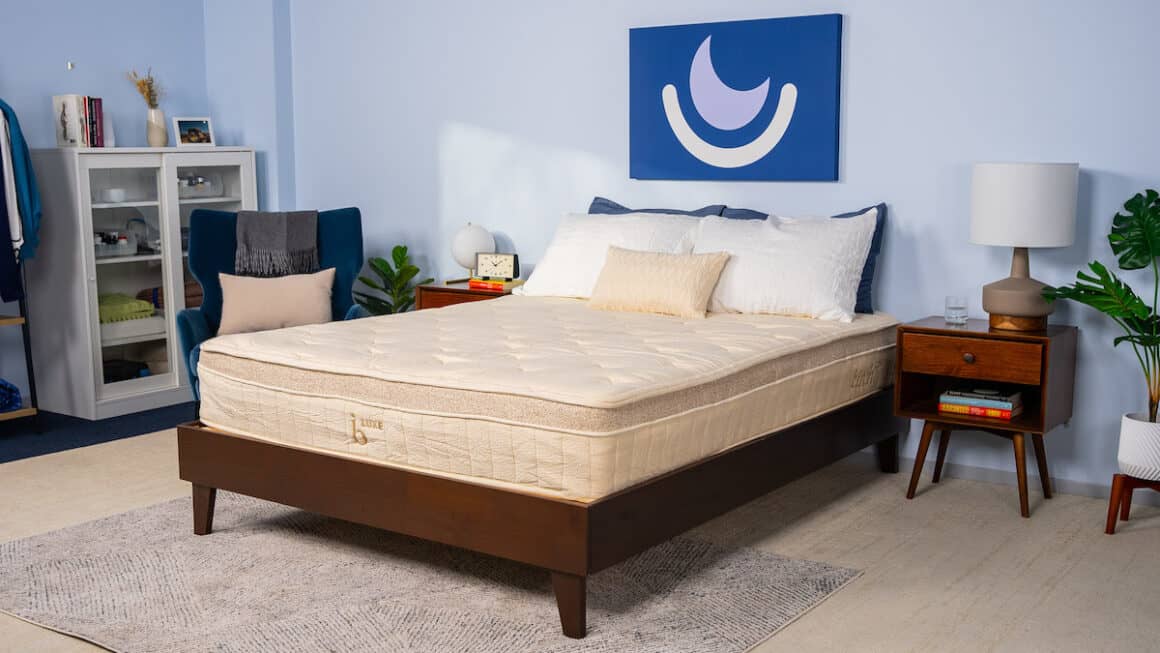
The Birch Luxe is a hybrid mattress featuring eco-friendly latex, wool, and cotton along with a sturdy support core of pocketed coils. Our team found that it offers a comfortable blend of bounce, pressure relief, and spinal support that meets the needs of the majority of sleepers.
Ideal forHot Sleepers
FirmnessMedium Firm (6)
FeelResponsive Latex
ValueGood Value
Pros
Made with sustainable and durable materials
Hybrid design delivers strong performance for back, side, and stomach sleepers
Temperature-regulating materials help the mattress sleep cool
Cons
Bounciness can lead to motion transfer across the mattress
Sleepers under 130 pounds may experience pressure points
Side Sleepers
Under 130 lbs
6.0/10
130-230 lbs
8.0/10
Above 230 lbs
8.0/10
Back Sleepers
Under 130 lbs
6.5/10
130-230 lbs
8.5/10
Above 230 lbs
8.5/10
Stomach Sleepers
Under 130 lbs
6.5/10
130-230 lbs
8.5/10
Above 230 lbs
8.5/10
“The Birch Luxe was comfortable for side sleeping, offering the cushioning I need for my hips and shoulders without any bothersome sinkage. The organic and natural materials were an added bonus for me.” – David Rubin, Director of Product Testing
Why We Like It
Our team was impressed by the design, materials, and performance of the Birch Luxe Mattress. With a combination of zoned natural latex and pocketed coils with a reinforced perimeter, this hybrid mattress offers a blend of pressure relief and spinal support. Organic cotton and wool add breathability and a touch of extra cushioning.
Members of our testing team weighing 130 pounds or more experienced quality support from this mattress, regardless of their sleep position. Thanks to the responsive materials, our sleepers also found it easy to move around during the night.
How Does It Feel?
The Birch Luxe has a medium firm (6) feel with noticeable bounce and robust edge support. The mattress has light cushioning to relieve pressure without significant hug or sink. Our testing team loved how easy it was to change positions on the mattress and how well it resisted heat buildup.
Choosing the right mattress may help with sleep apnea even if it can’t eliminate the condition. Sometimes sleep apnea emerges as a consequence of your sleep posture, and a better mattress can help modify your sleep position.
For example, an adjustable base allows you to raise your upper body during the night. Someresearch has shown that this can prevent your airway from narrowing, which is what leads to breathing disruptions in obstructive sleep apnea.
That said, sleep apnea is a serious condition and requires carefully chosen treatments. Your first step should always be consulting with your doctor about what will help the most given your particular profile.
Tips for Sleeping Better With Sleep Apnea
Some practical tips may help if you’re trying to get a better night’s sleep despite sleep apnea. But remember that this isn’t meant to be taken as medical advice, and you should never alter your prescribed treatment without talking to your doctor first.
Talk to Your Doctor About Treatment
Working with your doctor or a sleep specialist can go a long way toward improving sleep apnea. Your doctor can review different treatments and, if one doesn’t work, direct you to another option.
Your doctor can also help you get the most comfort and effectiveness out of your existing treatment. For instance, if you have a continuous positive airway pressure (CPAP) machine, your doctor can help you troubleshoot some of the most common CPAP side effects.
Try Sleeping on Your Side
Sleeping on your back can lead to or exacerbate obstructive sleep apnea for some people, so most experts recommend sleeping on your side instead. When lying on your back, gravity pulls tissue into your airway, which makes breathing disruptions more likely.
Switching your sleeping position can be a challenge, but a few tips and tricks may help:
Using extra pillows to bolster or prop yourself into a comfortable side-sleeping position
Buying a commercial device that you wear on your neck that vibrates if you start sleeping on your back
Sewing a tennis ball into the back of a shirt that you wear during sleep
Sleep With Your Head Elevated
Sleeping with your upper body elevated changes the positioning of the tissue around your airway, and this may help address obstructive sleep apnea. Some ways to prop up your upper body include:
An adjustable bed frame
Multiple high-loft pillows underneath your head, neck, and upper torso
A firm wedge pillow that slides under your torso
Wood blocks or other products that go under the two legs at the top of your bed
Consider an Adjustable Bed
One of the easiest ways to elevate your upper body is with an adjustable bed frame. With the touch of a button, you can raise the top part of your bed to a comfortable incline that helps mitigate breathing disruptions when lying on your back.
If you’re considering an adjustable bed, make sure that you also have a compatible mattress that won’t be damaged by the movement of the frame.
What Is the Best Mattress Firmness for Sleep Apnea?
There’s no single firmness level that is best for everyone with sleep apnea. What feels most comfortable is subjective, and it’s important for every person with sleep apnea to find a mattress that feels right.
For some people with positional sleep apnea, switching from back sleeping to side sleeping can reduce breathing disruptions. To keep the spine aligned when side sleeping, a soft (3) to firm (7) mattress is usually best.
Optimal firmness means your mattress provides enough cushioning for pressure points without excess sagging. Finding this balance requires accounting for sleeping position and body weight. In general, side sleepers and people under 130 pounds need less firmness than back sleepers, stomach sleepers, and people who weigh over 130 pounds.
Weight
Side Sleepers
Back Sleepers
Stomach Sleepers
Less than 130 lbs.
Soft (3) to Medium (5)
Soft (3) to Medium (5)
Medium Soft (4) to Medium Firm (6)
130 to 230 lbs.
Medium Soft (4) to Medium (5)
Medium (5) to Firm (7)
Medium (5) to Firm (7)
More than 230 lbs.
Medium Firm (6) to Firm (7)
Medium (5) to Firm (7)
Firm (7-8) to Extra Firm (9)
How Sleeping Position Affects Sleep Apnea
Back sleeping is the worst position for obstructive sleep apnea, and side sleeping is regarded as the best. As soft tissues in the throat naturally slacken during sleep, they are more likely to block the airway if you are lying flat on your back.
In some people, back sleeping can be a driving factor of obstructive sleep apnea symptoms. For that reason, doctors and sleep specialists often suggest that back sleepers try to switch to side sleeping. However, changing sleep positions alone may not fully resolve sleep apnea.
Video: Best Alternatives to CPAP Therapy
There are a few alternatives to using a CPAP machine that you might find helpful, though it’s important that you talk with your doctor before ditching a CPAP machine altogether. Join our sleep expert as he explores some of the alternative methods for reducing the symptoms of sleep apnea.
Discover More Mattress Solutions
If you want to find out about other top mattresses in a range of key categories, check out our mattress buying guides.
We follow a detailed methodology to pick the best mattresses in every category, including the best ones for sleep apnea. Testing is carried out by our team members who have extensive experience with sleep products and a range of comfort preferences, body shapes, and sleep positions.
Along with feedback from our team, we take objective measurements that help us know how well a mattress relieves pressure, absorbs motion, and dissipates heat. We take all of this information into account when deciding which mattresses stand out.
Frequently Asked Questions
Can your mattress affect your sleep apnea?
Because it impacts your sleep posture, a mattress can affect sleep apnea. When sleeping on your back, it’s easier for the airway at the back of your throat to be obstructed, which may cause more pauses in breathing for someone with obstructive sleep apnea. Choosing a mattress that enables side sleeping or using an adjustable bed frame may help prevent these airway obstructions.
What is the best mattress for sleep apnea?
The best mattress for obstructive sleep apnea is one that supports your body when side sleeping. If it isn’t possible to stop sleeping on your back, a good option is a mattress that is compatible with an adjustable frame that lets you easily elevate your upper body.
The best mattress for you should also contribute to your spinal alignment and overall comfort.
Is it better to sleep flat or elevated with sleep apnea?
Studies suggest that it’s better for back sleepers with obstructive sleep apnea to keep their upper body elevated. When lying flat, it’s more likely that the airway will collapse and cause apneas, which are temporary pauses in breathing.
Which sleeping position is best for sleep apnea?
Side sleeping is generally regarded as the best position for sleep apnea, because of how it maintains the alignment of the tissue around the airway. Stomach sleeping is also considered more favorable than back sleeping. For many people with sleep apnea, switching away from back sleeping can significantly reduce breathing disruptions during the night.
David is a Certified Sleep Science Coach with a lifelong passion for well-being and health optimization. His interest in sleep developed with the arrival of his son, when sleep suddenly became a precious commodity. Since then, David has researched everything from bedtime routines to mattress toppers in his quest for a great night’s sleep.