Scoliosis is a medical condition in which the spine develops an overly pronounced curve. Scoliosis can cause uneven hips and shoulders, back pain, and sometimes difficulty breathing. Pain, discomfort, and anxiety related to scoliosis may disrupt sleep. We’ve gathered a list of mattresses that deliver the pressure relief and support needed to ease scoliosis symptoms. We’ve also compiled a list of factors to look for when selecting the best mattress for scoliosis.
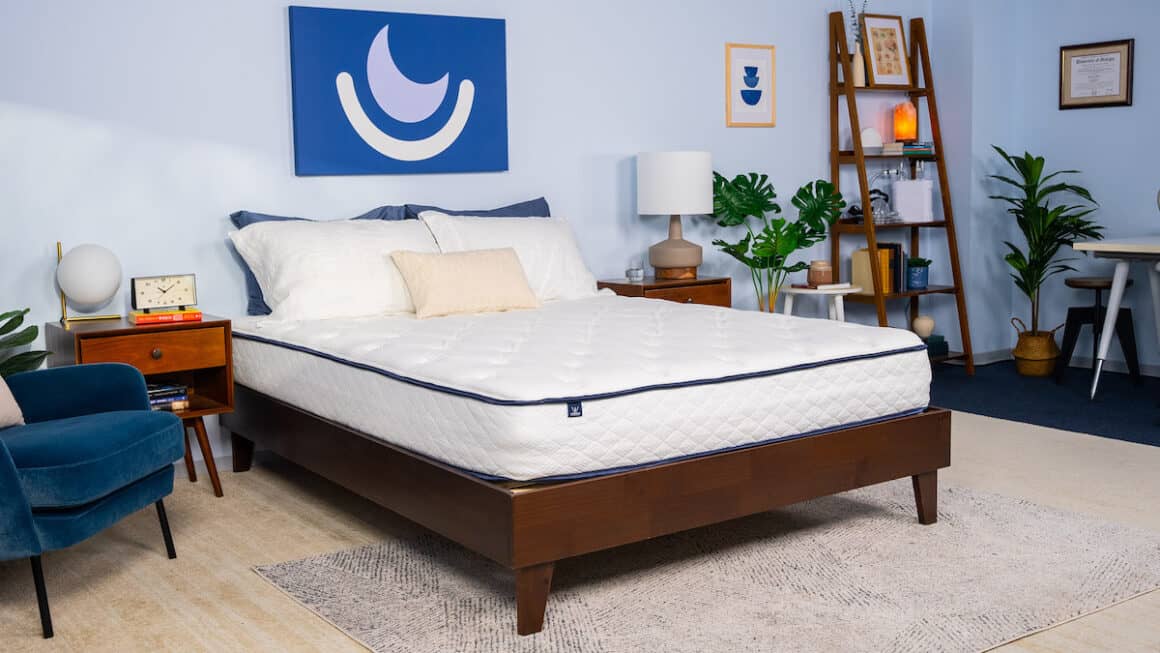
The WinkBeds GravityLux is a comfortable all-foam mattress that works particularly well for sleepers needing additional back support. Available in three firmness levels, the GravityLux promotes spinal alignment and provides the conforming pressure relief of foam while still maintaining a cool temperature at night.
Ideal forCombination Sleepers
FirmnessMedium Soft (4), Medium (5), Firm (7)
FeelDeep Pressure Relieving Foam
ValueGood Value
Pros
Zoned transitional layer supports hips and lower back
Three firmness options: medium soft (4), medium (5), and firm (7)
Foam core isolates motion
Cons
Stomach sleepers over 230 pounds may need more support
Below-average edge support
More expensive than competing foam models
Side Sleepers
Under 130 lbs
8.0/10
130-230 lbs
8.0/10
Above 230 lbs
6.0/10
Back Sleepers
Under 130 lbs
7.5/10
130-230 lbs
7.5/10
Above 230 lbs
7.0/10
Stomach Sleepers
Under 130 lbs
7.0/10
130-230 lbs
6.5/10
Above 230 lbs
6.0/10
Why We Like It
The WinkBeds GravityLux stood out to us because of its ability to support good spinal alignment and pressure relief while still staying cool throughout the night. Additionally, the combination of memory foam and polyfoam absorbs a high degree of motion, making this mattress a well-rounded option for couples as well. And because there are three firmness options, it’s likely to appeal to many different kinds of sleepers. We also found that the mattress isolates motion well, which could make it a good option for couples.
How Does It Feel?
The WinkBeds GravityLux Mattress comes in three firmness levels: medium soft (4), medium (5), and firm (7). Its unique AirCell memory foam is designed to support healthy spinal alignment without retaining too much body heat.
Nearly all of our testers felt that they got a good balance of comfort and support from at least one version of the WinkBeds GravityLux. The medium soft option was most popular among side sleepers under 130 pounds. The medium model had wider appeal, with side and back sleepers under 230 pounds and stomach sleepers under 130 pounds giving it good to excellent marks. The firm option worked particularly well for our testers over 130 pounds.
Best Value Mattress
Nectar Mattress
8.8/10
Save up to 50% on mattresses + up to 66% off bundles
With its reasonable price-point and solid pressure relief, the Nectar Mattress provides great value for sleepers with scoliosis. Its all-foam construction is a good option for sleepers who want good back support without having to compromise on the conforming “hug” of a memory foam mattress.
Ideal forSide Sleepers
FirmnessMedium Firm (6)
FeelClose-Conforming Foam
ValueGreat Value
Pros
Memory foam contours to relieve pressure points
Strong motion isolation
Affordable price-point with a year-long sleep trial
Cons
Offers less support for sleepers over 230 pounds
Edges may sink somewhat under pressure
Close-conforming foam inhibits movement
Side Sleepers
Under 130 lbs
8.0/10
130-230 lbs
10.0/10
Above 230 lbs
6.0/10
Back Sleepers
Under 130 lbs
8.0/10
130-230 lbs
8.0/10
Above 230 lbs
6.0/10
Stomach Sleepers
Under 130 lbs
8.0/10
130-230 lbs
6.0/10
Above 230 lbs
6.0/10
Why We Like It
The Nectar Mattress is a great option for value seekers who want good back support along with the conforming feel of memory foam. The all-foam design contours the body, providing excellent pressure relief around the shoulders, back, and hips, which can be problem areas for those with scoliosis. We also found that this mattress absorbs motion well, making it ideal for couples who are sensitive to movement.
How Does It Feel?
The Nectar Mattress has a top layer of gel-infused memory foam, followed by a layer of polyfoam, to provide pressure relief and minimize motion transfer. Our testers who sleep on their side found that this all-foam design did a particularly good job of relieving pressure around the shoulders and hips. Our back and stomach sleepers also generally felt comfortable on the Nectar, although stomach sleepers over 230 pounds felt they sank into the mattress too deeply.
The Helix Midnight is a good fit for sleepers who want a mattress that reinforces healthy spinal alignment and pressure relief without losing its springy feel. The mattress offers a comfortable balance between contouring and support that should be particularly appealing to sleepers with scoliosis.
Ideal forCombination Sleepers
FirmnessMedium Firm (6)
FeelMedium-Firm Balanced Support
ValueGood Value
Pros
Memory foam alleviates pressure buildup
Reinforced edges provide stability along the perimeter
Quieter than most coil mattresses
Cons
Insufficient support for sleepers over 230 pounds
May sleep warm
Some motion transfer is possible
Side Sleepers
Under 130 lbs
8.0/10
130-230 lbs
9.5/10
Above 230 lbs
8.0/10
Back Sleepers
Under 130 lbs
7.5/10
130-230 lbs
9.0/10
Above 230 lbs
7.5/10
Stomach Sleepers
Under 130 lbs
6.0/10
130-230 lbs
7.5/10
Above 230 lbs
6.0/10
Why We Like It
The Helix Midnight does a good job of accommodating sleepers who need a strong balance of comfort and support, such as those with scoliosis. It’s competitively priced but still promotes spinal alignment thanks to its transitional polyfoam layer. The support core includes a reinforced perimeter, which allows for good edge support, making the Helix Midnight a good option for couples or sleepers who want to use more of the mattress’ surface.
How Does It Feel?
The Helix Midnight is a medium firm (6) hybrid mattress. Its construction includes a mix of memory foam, polyfoam, and pocketed coils, which provides back support along with light contouring. The Helix Midnight was designed for side sleepers, but it may also be a good option for some back and stomach sleepers.
The two layers of foam work together to provide contouring without sacrificing support along the spine. Our side sleepers weighing between 130 and 230 pounds reported the best balance of support and pressure relief around the shoulders and hips. Back and stomach sleepers under 130 pounds also felt that the mattress provided them with good pressure relief.
The Loom & Leaf is a high-quality luxury mattress that suits a wide range of sleeper types looking for a combination of support, comfort, and cooling. Its multilayer, gel-infused foam construction is designed to prevent sinking around the midsection for healthy spinal alignment, making it a particularly good fit for sleepers with scoliosis.
Ideal forSide Sleepers
FirmnessMedium Firm (6), Firm (8)
FeelPlush, Supportive Surface
ValueGood Value
Pros
Pressure-relieving memory foam with targeted lumbar support
Available in medium firm (6) or firm (8) options
Free White Glove delivery
Cons
Side and stomach sleepers under 130 pounds may experience pressure points
Medium firm model may lack responsiveness and edge support
Expensive sticker price and $99 return fee
Side Sleepers
Under 130 lbs
7.0/10
130-230 lbs
8.5/10
Above 230 lbs
7.0/10
Back Sleepers
Under 130 lbs
7.0/10
130-230 lbs
8.5/10
Above 230 lbs
7.0/10
Stomach Sleepers
Under 130 lbs
5.5/10
130-230 lbs
7.0/10
Above 230 lbs
5.5/10
Why We Like It
The Loom & Leaf has a unique design made up of multiple layers of foam that provide a balance of cushioning and support. The quilted cover creates a plush feel, while the internal layers of memory foam are infused with gel designed to sleep cool. The dense polyfoam base allows for good support and spinal alignment without compromising on comfort, and the two firmness options make this mattress a good choice for a wide range of sleeper types.
How Does It Feel?
The Loom & Leaf Mattress is available in medium firm (6) and firm (8) options. Its price-point is on the higher end, but this reflects the high quality of the materials used in its construction. We found that both firmness levels of this five-layer mattress provide very good pressure relief.Our side sleepers under 230 pounds preferred the medium firm option, which provided good spinal alignment and a more contouring feel. Side sleepers weighing more than 230 pounds preferred the firm option, which offered them better support. Back and stomach sleepers on our testing team also generally liked the Loom & Leaf, with all preferring the firm version except those under 130 pounds.
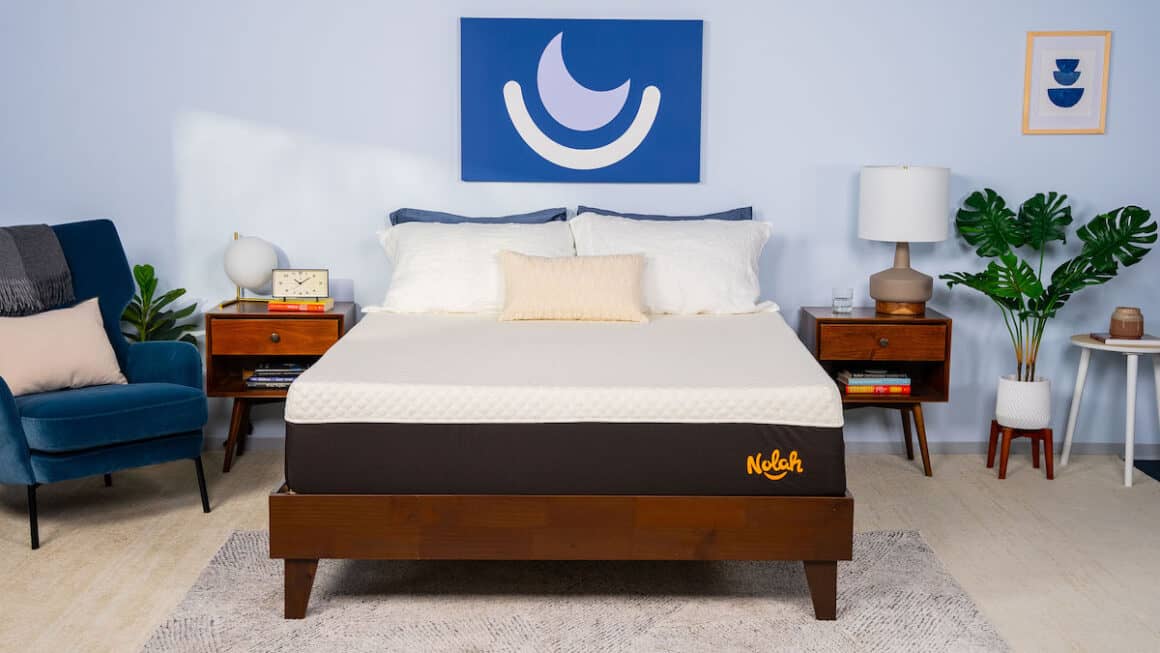
The Nolah Signature 12 is a great choice for side sleepers needing a little extra back support and pressure relief. Nolah’s proprietary polyfoam in the comfort layers strikes a good balance between support, comfort, and temperature regulation, particularly for side sleepers under 130 pounds.
Ideal forCouples
FirmnessMedium (5)
FeelClose-Conforming Pressure Relief
ValueGreat Value
Pros
Zoned foam features designed to support side sleepers
Very good motion isolation
Sleeps cooler than some competing foam mattresses
Cons
Too soft for back and stomach sleepers over 130 pounds
Edges compress significantly under pressure
People with limited mobility may feel stuck in the bed
Side Sleepers
Under 130 lbs
8.5/10
130-230 lbs
8.0/10
Above 230 lbs
7.0/10
Back Sleepers
Under 130 lbs
7.5/10
130-230 lbs
7.0/10
Above 230 lbs
5.5/10
Stomach Sleepers
Under 130 lbs
6.5/10
130-230 lbs
6.0/10
Above 230 lbs
4.5/10
Why We Like It
The Nolah Signature 12 is an all-foam mattress with a medium (5) firmness level. It has multiple foam layers that closely contour the body without compromising on back support, making it a good option for side sleepers who need both solid support and pressure relief.
Side sleepers tend to put more pressure on their shoulders and hips, which means they need strong pressure relief in those areas. The Nolah Signature 12 has thick polyfoam layers that provide extra pressure relief, prevent excessive sinkage, and keep the spine aligned. We also appreciated that the open-cell structure of the AirFoam in the Signature 12 allows for more cooling airflow.
How Does It Feel?
Our side sleepers in all weight classes reported that the mid-range firmness of this mattress provided good pressure relief around the hips and shoulders while still supporting the back. Back and stomach sleepers under 130 pounds also appreciated the tension-reducing properties of the Signature 12’s AirFoam layers, though testers above that weight level felt they sank too far into the mattress.
While no mattress is going to solve back pain, the right one can alleviate some symptoms of back pain throughout the night. Join our sleep experts as they describe what you should look for in a mattress if you suffer from back pain.
Best Mattress Types for Scoliosis
Mattresses fall into one of several different categories depending on the materials used. Knowing the mattress type can give you an idea of how the mattress performs and whether it’s a good fit for your sleeping style and scoliosis symptoms.
What’s Important to Consider in a Mattress for Scoliosis?
Along with practical considerations such as shipping and warranty terms, it’s important to think about how a mattress interacts with your body when choosing a mattress. Your sleeping position, the mattress’ firmness, and other factors may affect your spinal alignment if you have scoliosis.
Sleeping Position
Since scoliosis often causes one side of the body to sit higher than the other, you may experience discomfort in the shoulders and hips that makes it difficult to get comfortable at night. Your sleeping position influences the way weight is distributed when lying down, so different sleeping positions can have advantages or drawbacks depending on the curve of your spine.
Back sleeping: Back sleeping is often touted as the best position for spinal alignment, and if you wear a brace for scoliosis, this position may be the easiest to accommodate. To keep the spine on an even plane, try to choose a sufficiently firm mattress that keeps your hips in line with the rest of your body without exacerbating lumbar pain.
Side sleeping: It may be difficult to sleep on your side with scoliosis. However, with a supportive pillow and a relatively plush mattress, it is possible to keep your spine fairly straight. If your scoliosis interferes with your breathing, you may find it easier to lie on the concave side of your spinal curve.
Stomach sleeping: Most people find it necessary to turn their head to one side while stomach sleeping, which isn’t ideal if you’re trying to keep your spine straight or if you have scoliosis-related neck pain. If you’re a committed stomach sleeper, choose a flat pillow and a firm mattress to minimize sinkage in the weight-bearing middle section.
Firmness
General research on the best mattress for back pain has revealed that a medium firm mattress often works best to preserve healthy spinal alignment. However, mattress firmness is highly personal, as it depends on your sleeping position, body type, and personal preference.
Usually, stomach sleepers and individuals over 230 pounds prefer a firm, supportive mattress, while side sleepers and those under 130 pounds favor a softer surface with more pressure relief. Back sleepers and people between 130 and 230 pounds may go for a medium firmness.
When considering mattress firmness for scoliosis, think about whether your brace is likely to cause pressure points, or if you need a firmer surface to preserve spinal alignment. If in doubt, ask your doctor for tailored advice.
Zoned Support
A mattress with zoned support typically uses tighter coils or targeted cutouts in the foam to alter the feel in different areas of the mattress. Most often, manufacturers firm up the middle third of the mattress to prevent the hips from sinking in too far, while contouring materials reduce pressure buildup around the shoulders and knees.
Depending on your symptoms and preferred sleeping position, you may find a zoned mattress ideal for supporting healthy spinal alignment as part of your scoliosis treatment. Zoned support can be especially relevant for side sleepers, as it allows the wider shoulder area to sink in slightly, so the spine can stay on an even plane.
Performance
If you have scoliosis, the most important performance factors revolve around how the mattress physically interacts with your body. Pressure relief, ease of movement, and edge support are key attributes to look for.
Pressure Relief: The more closely a material conforms to your body, the less likely it is to cause painful pressure buildup at contact points, particularly if you wear a brace to sleep.
Ease of Movement: Materials like latex and coils are quick to regain their original shape when pressure is lifted. By contrast, memory foam may be slower to react, causing a “stuck in the bed” feeling that can be unpleasant if you have stiffness or limited mobility.
Edge Support: Strong edges allow you to use the full surface of the bed without falling off and provide a convenient surface to lean on when getting in and out of bed. Hybrid and innerspring mattresses tend to perform best at edge support, thanks to their coil cores.
Mattress Setup
If you have limited mobility, you may benefit from White Glove delivery and old mattress removal. Usually charged at an extra fee, these services involve a delivery team setting up the mattress in the room of your choice and taking away your old mattress.
Sleep Trial and Warranty
A warranty guarantees that a product will be free of manufacturing defects for a specified time after purchase. Within the warranty period, if the bed develops cracks in the foam, permanent indentations, or other specific defects, the company may repair or replace the mattress at its discretion.
To make up for not being able to test out the mattress in a store, most online mattress sellers also offer a sleep trial. Sleep trials may last a few months to a year, during which time you can return the mattress for a refund if it’s not a good fit for your scoliosis symptoms.
Tips for Sleeping With Scoliosis
While your healthcare team is the best equipped to recommend ways to manage your scoliosis symptoms, there are some tips that may help you sleep more comfortably if you live with this condition. These recommendations are not intended as a substitute for professional medical advice.
Practice Healthy Sleep Posture
Lying down takes much of the weight off your spine and may provide a break from scoliosis-related pain. However, it’s important to choose a sleep position that keeps your spine as straight as possible, so you avoid waking up with back pain. Most people with scoliosis are most comfortable back sleeping, but side sleeping is also a good option provided you support yourself with the right pillow.
Add a Cushioning Mattress Topper
If your mattress is too firm or your brace is causing pressure points, a cushioning mattress topper made of polyfoam, memory foam, or soft latex can help distribute your body weight more evenly. Note that a mattress topper isn’t designed to provide spinal support, so if your mattress is showing signs of sagging or significant indentations, it may be time to buy a new one.
Use Pillows for Added Support
Depending on the shape of your spine, you may find it helps to use a full body pillow or small pillows to support different areas.
Placing a thin pillow under the lumbar area or under the knees can relieve lower back pain when back sleeping, while a pillow between the knees can improve spinal alignment when side sleeping. Stomach sleepers can support the midsection with a thin pillow under the hips. A U-shaped cervical pillow can keep your head in line with your body when lying on your back.
Discover More Mattress Solutions
We offer specialized guides to choosing a mattress for an array of health conditions, sleeping positions, and body types.
To find the best mattress for scoliosis, we applied our extensive mattress testing process, with a special focus on pressure relief and spinal support. Experts on our sleep team also performed a series of different movements and adopted different sleeping positions to test out how each mattress feels in real life.
Frequently Asked Questions
What type of mattress is best if you have scoliosis?
While mattress choice is personal, many people with scoliosis gravitate toward a hybrid mattress, which offers balanced pressure relief and support. You may also find a zoned mattress offers advantages for spinal alignment, particularly if you experience lumbarpain. If you’re willing to pay a little more, an adjustable bed or airbed can be a good option.
What is the best mattress firmness for scoliosis?
A medium firm mattress provides a mix of support and pressure relief that works well for back pain. But, keep in mind that mattress firmness is subjective. If you weigh more than 230 pounds, you may find you sink further into the mattress and prefer a firmer model. If you weigh less than 130 pounds, a softer bed can relieve pressure.
Which sleeping position is best for scoliosis?
Back sleeping encourages your spine to lie fairly straight and easily accommodates a brace. Side sleeping can also be appropriate, provided you don’t experience breathing issues and are careful to support yourself with pillows, if needed. Stomach sleeping requires turning your head and is not usually recommended if you live with scoliosis.
How does a mattress affect scoliosis?
Although your mattress doesn’t directly cause scoliosis, the wrong mattress may exacerbate symptoms by allowing your spine to lie in an unhealthy posture for long stretches of time. You can set yourself up for better scoliosis treatment by choosing a mattress that supports your spine and allows you to wear your brace overnight.
How do you sleep comfortably with scoliosis?
In addition to crafting a comfortable sleep setup, practicing proper sleep hygiene and relaxation techniques may also help improve your sleep. Your doctor is the best person to ask about sleeping comfortably with scoliosis, since they know your symptoms and your personal history.
Katherine is a freelance writer based in Chicago. She has doctorate and bachelor’s degrees in nursing and is published in the journal Administration and Policy in Mental Health and Mental Health Services Research and the journal JMIR Mental Health. She has also worked as a policy fellow at Northwestern University Feinberg School of Medicine. With a background in academia, Katherine has always been interested in making healthcare research more accessible to the public. When not writing, Katherine is an actor and loves doing theater at night.