Like other sleepers, people under 130 pounds need a mattress that supports the spine and provides cushioning to prevent pressure point buildup. Understanding how your body weight influences the feel of a mattress can help you narrow down your search.
Our team tried over 1,000 mattresses and chose the best models after reviewing data from the lightweight sleepers on our team. We’ll explain why each model made the cut and what makes it a worthy choice for lightweight sleepers. You’ll also learn what to look for when mattress shopping on your own.
Our choices for the best mattresses of 2025 also include models appropriate for lightweight sleepers. Sleepers who are looking for targeted pain relief should consider our picks for the best mattresses for back pain.
The Helix Midnight Luxe offers a plush, adaptive surface and zoned support to meet the needs of lightweight sleepers across different position groups. Upgrades are available to make the mattress plusher and more breathable.
Ideal forCombination Sleepers
FirmnessMedium Firm (6)
FeelClose-Conforming Foam
ValueGood Value
Pros
Cushy Euro-top surface with plush foam layers
Zoned coils provide targeted support for the torso and hips
Three cooling cover options
Cons
Foam may hinder movement on the surface
On the expensive side for a foam hybrid
Side Sleepers
Under 130 lbs
8.5/10
130-230 lbs
10.0/10
Above 230 lbs
8.5/10
Back Sleepers
Under 130 lbs
8.0/10
130-230 lbs
9.5/10
Above 230 lbs
8.0/10
Stomach Sleepers
Under 130 lbs
6.5/10
130-230 lbs
8.0/10
Above 230 lbs
6.5/10
While the Helix Midnight Luxe is medium firm (6), its surface is plush enough to cradle lightweight sleepers and alleviate pressure buildup in their most sensitive areas. Memory foam and polyfoam comfort layers contour closely, while zoned coils provide pushback around the midsection to promote even alignment and keep your body on an even plane.
How Does It Feel?
The Midnight Luxe's comfort system begins with two memory foam comfort layers, so the surface molds to your figure as you settle into the mattress. Many lightweight sleepers enjoy this deep cushioning because they won't sink too much as the foam soothes their pressure points and sore spots. Transitional polyfoam provides a buffer between your body and the support core, while the zoned pocketed coils feel extra robust beneath your torso and hips.
Standard-issue Midnight Luxe covers are made of Tencel, a eucalyptus-based fabric known for its excellent breathability and moisture-wicking properties. You can upgrade to a cover made of GlacioTex fabric, which is engineered to dissipate heat on contact and feel cool to the touch at all times.
The Nolah Original 10 excels at relieving pressure and providing the right level of support for sleepers who weigh under 130 pounds. The multiple layers of plush foam also isolate motion well for couples sharing a bed.
Ideal forCouples
FirmnessMedium (5)
FeelClose-Conforming Foam
ValueGood Value
Pros
Ample pressure relief for back and side sleepers under 130 pounds
Relatively good edge support for an all-foam mattress
All-foam construction isolates motion well
Cons
Prone to off-gassing after unboxing
Doesn’t offer enough support for co-sleepers over 230 pounds
Side Sleepers
Under 130 lbs
8.5/10
130-230 lbs
8.0/10
Above 230 lbs
7.0/10
Back Sleepers
Under 130 lbs
7.0/10
130-230 lbs
7.5/10
Above 230 lbs
7.0/10
Stomach Sleepers
Under 130 lbs
/10
130-230 lbs
6.0/10
Above 230 lbs
4.5/10
All-foam beds like the Nolah Original are excellent choices for lightweight sleepers. Nolah’s unique foam formulations offer a great mix of contouring, responsiveness, and support for sleepers with a smaller frame.
How Does It Feel?
The Nolah Original 10 is a 10-inch all-foam mattress with a medium (5) feel that’s ideal for most lightweight sleepers. This bed features a 2-inch top layer of Nolah’s proprietary polyfoam that’s designed to evenly distribute your weight and prevent the build up of body heat. An additional layer of responsive polyfoam and a thick core of high-density foam add support and stability.
The Nolah Original’s layers offer plenty of contouring and pressure relief for lighter people prone to pressure points, especially side sleepers. However, we found it’s also supportive enough for back and stomach sleepers under 130 pounds. The overall construction is relatively cool compared to many all-foam beds.
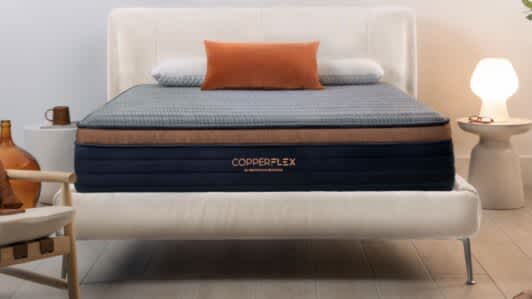
Lightweight sleepers should feel quite comfortable on the Brooklyn Bedding CopperFlex Memory Foam, which conforms closely to cradle the body and alleviate pain and pressure points. A zoned transitional layer also makes the mattress suitable for many people in the range of 130 to 230 pounds.
Ideal forSide and Back Sleepers
FirmnessMedium Firm (6)
FeelPlush, Supportive Surface
ValueGreat Value
Pros
Six-layer foam construction excels at pressure relief and motion isolation
Zoned transitional foam provides extra support beneath your midsection
Approachable pricing compared to the average memory foam mattress
Cons
Initial off-gassing odor can linger for a few days
Lacking in support for most back and stomach sleepers over 230 pounds
Side Sleepers
Under 130 lbs
6.0/10
130-230 lbs
9.0/10
Above 230 lbs
7.5/10
Back Sleepers
Under 130 lbs
8.0/10
130-230 lbs
7.0/10
Above 230 lbs
6.0/10
Stomach Sleepers
Under 130 lbs
8.0/10
130-230 lbs
6.5/10
Above 230 lbs
6.0/10
The CopperFlex delivers solid construction and performance compared to many competing beds in the same price range. A combination of plush comfort layers and supportive base materials creates a nice balance of cushioning and pushback. Cooling materials also help reduce heat buildup, so you shouldn’t sleep too warm on the CopperFlex.
How Does It Feel?
Our team rated the CopperFlex as medium firm (6). The top three foam layers create a close, cradling contour for your body’s unique curves. Transitional foam divided into three firmness zones creates extra reinforcement for your torso and hips while gently cushioning the lighter areas of your body. Two high-density foam layers make up the support system.
A cover made of specialty GlacioTex fabric encases the mattress. This material is designed to dissipate body heat as soon as it comes into contact with your skin and feel cool to the touch at all times. For added thermoregulation, copper fibers intended to minimize heat retention are infused into the top memory later.
The Bear Elite Hybrid alleviates shoulder, lower back, and hip pain with an adaptive surface and multi-zone support system. You can choose from three firmness levels, and our testing shows that the best design for you depends on which sleep position you prefer.
Ideal forPeople With Back Pain
FirmnessMedium (5), Medium Firm (6), Firm (8)
FeelPlush, Supportive Surface
ValueGood Value
Pros
Adaptive memory foam provides deep cushioning
Zoned support system keeps your body on an even plane
Three firmness options
Cons
Surface may sink when you move on the mattress
Strong off-gassing odor can persist for a few nights after unboxing
Side Sleepers
Under 130 lbs
7.5/10
130-230 lbs
9.0/10
Above 230 lbs
7.5/10
Back Sleepers
Under 130 lbs
7.0/10
130-230 lbs
8.5/10
Above 230 lbs
7.0/10
Stomach Sleepers
Under 130 lbs
5.5/10
130-230 lbs
7.0/10
Above 230 lbs
5.5/10
With three firmness options to choose from, the Bear Elite Hybrid is a versatile option for lightweight sleepers. Our hands-on tests suggest most side sleepers under 130 pounds will prefer the medium (5) feel because it contours closely to cushion the shoulders and hips, alleviating pressure in these areas. Back and stomach sleepers in this weight range may need something slightly more supportive, so we recommend the medium firm (6) – it provides a fair amount of cushioning without dipping too much around the midsection. There's also a firm (8) design if you're a lightweight sleeper who prefers little to no contouring.
How Does It Feel?
The Elite Hybrid's top memory foam layer is quite cushy – regardless of the firmness you choose, you'll notice the surface adapting to your figure as you settle into the mattress. Transitional foam divided into five zones pushes back against the weight of your midsection to keep your torso and hips in line with the rest of your spine, so excessive sinkage shouldn't be an issue for most sleepers.
The pocketed coils are also zoned for midsection support and reinforced along the perimeter to minimize compression when you lie close to the edges of your mattress or get in and out of bed. A quilted cover encases the mattress. For an additional fee, you can upgrade to a cover made of Celliant fabric with phase change material, which is designed to release body heat from the surface.and keep you cool at all times.
The Layla Memory Foam Mattress’ plush, deeply contouring memory foam offers very good pressure relief for lightweight side sleepers. The clever, flippable design with two firmness levels also makes this a versatile choice for sleepers who want more options or who may need to adjust the firmness level in the future.
Ideal forPeople With Sharp Pressure Points
FirmnessMedium Soft (4), Firm (7)
FeelSlow Responding Memory Foam
ValueGreat Value
Pros
Flippable design with two sleep surfaces: medium soft (4) and firm (7)
Softer side has deep pressure relief that works well for side sleepers
Zoned transitional layer on soft side offers targeted support
Cons
Flipping between sides may require more than one person to move the bed
Edges sink considerably under weight
The soft side’s deep contouring can make it more difficult to change positions
Side Sleepers
Under 130 lbs
7.5/10
130-230 lbs
9.0/10
Above 230 lbs
7.5/10
Back Sleepers
Under 130 lbs
7.0/10
130-230 lbs
8.5/10
Above 230 lbs
7.0/10
Stomach Sleepers
Under 130 lbs
5.5/10
130-230 lbs
7.0/10
Above 230 lbs
5.5/10
The Layla Memory Foam Mattress is plush and cushiony yet supportive for lightweight people who sleep on their side. The memory foam comfort layer eases tension while the polyfoam adds support and ensures the bed stays relatively cool throughout the night. The flippable design makes this bed one of the more versatile options on the market.
How Does It Feel?
The Layla Memory Foam Mattress is a flippable memory foam bed that offers two firmness options in one. Simply flip the mattress to choose between a medium soft (4) side and a firm (7) side. The bed features copper- and gel-infused memory foam on each side. The softer side also includes a layer of polyfoam.
The softer side’s deeply contouring feel is one of the most comfortable beds for lighter side sleepers that we’ve tested. Layla’s memory foam hugs the body, providing considerable pressure relief for the hips and shoulders. This construction also significantly reduces motion transfer for couples sharing a bed.
The Brooklyn Bedding Signature Hybrid offers versatile comfort for lightweight sleepers. With three firmness options, this bed is comfortable for back, side, and stomach sleepers alike. The hybrid design has substantial pressure relief without sacrificing ease of movement, and the bed’s pocketed coils impart a slight bounce and plenty of support.
Ideal forCouples
FirmnessMedium Soft (4), Medium Firm (6), Firm (8)
FeelVaries by Firmness
ValueGreat Value
Pros
Medium soft (4) and medium firm (6) models provide top-notch support for people under 130 pounds
Quilted top and foam comfort system cushion pressure points
Coil system strengthens the edges and helps keep a neutral sleep temperature
Cons
Performance varies significantly between firmness levels
Firm option does have enough cushioning for lighter individuals
Sensitive sleepers may wake to their partner’s movements
Side Sleepers
Under 130 lbs
7.5/10
130-230 lbs
9.0/10
Above 230 lbs
7.5/10
Back Sleepers
Under 130 lbs
7.0/10
130-230 lbs
8.5/10
Above 230 lbs
7.0/10
Stomach Sleepers
Under 130 lbs
5.5/10
130-230 lbs
7.0/10
Above 230 lbs
5.5/10
The Brooklyn Bedding Signature Hybrid combines foam layers with a pocketed coil support core. This hybrid design offers an impressive mix of pressure relief and excellent support with a slight bounce. As a result, the soft and medium firm models of the Brooklyn Bedding Signature Hybrid have the contouring needed for sleepers with smaller builds.
How Does It Feel?
The Brooklyn Bedding Signature Hybrid comes in three firmness options: medium soft (4), medium firm (6), and firm (8). The bed features a cotton cover with a quilted polyfoam layer for added plushness. Each version has a two-layer comfort system with different foam formulations to achieve the varying firmnesses. All models have an 8-inch support core of pocketed coils and a high-density polyfoam base layer for added stability.
The medium soft version of the Brooklyn Bedding Signature Hybrid offered the best pressure relief for our side sleepers under 130 pounds, who said they need extra cushioning for their hips and shoulders. Our lightweight back sleepers also enjoyed the contouring of the softer option. The medium firm version had the best level of support for lighter stomach sleepers.
Through our research and testing, we’ve found that sleepers under 130 pounds generally prefer softer mattresses. A large part of this is connected to a person’s build – the more a person weighs, the more they press into a mattress, and the softer the mattress will feel to them. Your personal preferences will factor in somewhat, but we recommend that sleepers under 130 pounds look for mattresses in the soft (3) to medium firm (6) range, at the firmest.
Weight disclaimer
Please note: For the purposes of this page, we are referring to individuals who weigh 130 pounds or less. Although we use the terms “light” or “lightweight” for brevity and convenience, we do not use weight categories such as “average” or “overweight,” as they can be misleading and dependent on the individual.
We use weight categories as a practical standard of size when discussing how mattresses interact with sleepers’ bodies. We have found that individuals who weigh under than 130 pounds generally have similar needs for a mattress in terms of firmness, thickness, and other factors, with small indivi.dual variations
What Is the Best Mattress Firmness for Lightweight Sleepers?
We measure firmness using a scale that goes from 1 to 10. Softer mattresses are assigned lower numbers, while firmer models get higher numbers. Your favorite sleeping position, weight, and preferences all play a role in what kind of firmness level is most supportive and comfortable, whether that’s firm vs. soft.
Sleepers under 130 pounds typically prefer softer mattresses than people who weigh more, because they don’t compress the mattress as deeply. Firm mattresses can cause lightweight sleepers to develop pressure points.
However, it’s not as simple as choosing the softest mattress available. Sleeping position is a critical factor. Stomach, back, and side sleepers each prefer distinct firmness levels because their weight spreads out differently across the mattress.
When sleeping on your side, the mattress should flex to allow your hips and shoulders to sink in slightly, while supporting the natural curve of the lower back. For back sleepers, a slightly firmer surface is needed to keep the spine on an even plane, but you still want some contouring in the lumbar area.
Although people under 130 pounds tend to stay mostly on top of the mattress as opposed to sinking in, we still recommend a firmer bed for stomach sleepers to prevent excessive sinkage in the midsection that can pull the spine into an unnatural curve.
Sleeping Position
Recommended Firmness for Lightweight Sleepers
Side Sleepers
Soft (3) to Medium (5)
Back Sleepers
Medium Soft (4) to Medium Firm (6)
Stomach Sleepers
Medium Soft (4) to Medium Firm (6)
Combination Sleepers
Medium Soft (4) to Medium Firm (6)
How to Choose a Mattress for Lightweight Sleepers
Firmness is only one of the factors you should consider when choosing the best mattress. Knowing the mattress type and how it rates on various performance metrics can also give you an idea of how it will feel.
Mattress Type
Most mattresses are classified as one of five types: foam, latex, hybrid, innerspring, or airbed. Each mattress type has its own pros and cons.
Foam: Foam mattresses have a comfort system and a support core made entirely from polyfoam, memory foam, or both. They usually relieve pressure points well, which lightweight sleepers often appreciate.
Hybrid: Hybrid mattresses have a support core made from pocketed coils, which lend bounce and airflow. The comfort system can contain foam, latex, micro-coils, or other materials.
Latex: Latex is a naturally resilient material that’s breathable and easy to move on. However, while softer models exist, latex doesn’t tend to offer the close-conforming hug of memory foam.
Airbed: An airbed has adjustable firmness levels, thanks to its air-filled support core. You can change the feel instantly using a remote or app. Despite their high price tag, airbeds may be worthwhile for lightweight people who sleep with a larger partner, as each person can control their own side of the bed.
Many mattresses come in split options like split king or split queen, which can be helpful for those under 130 pounds if they share a bed with someone above that weight range. Choosing a split bed allows both partners to enjoy their ideal firmness level.
Spinal Alignment
Ideally, your mattress should keep your spine on an even plane from your neck to your lower back. Firmness level, mattress structure, contouring, body weight, and sleeping position all impact how supported your spine feels while you sleep.
While lightweight sleepers generally don’t require as much structure, it’s still important to have enough support to prevent the spine from curving. For example, stomach sleepers who use a mattress that’s too soft can sink in around the weight-bearing midsection, so it’s important to have a supportive core that pushes back. On the other hand, side and back sleepers may require more contouring to accommodate the shape of the spine.
Responsiveness
A responsive mattress is quick to regain its original shape when pressure is lifted,giving you the feeling that you’re sleeping “on” instead of “in” your bed. If you want to be able to switch sleeping positions easily or if you have limited mobility, you may prefer a responsive mattress over a closer-conforming model. Hybrid, innerspring, and latex beds tend to be more responsive than foam mattresses.
Motion Isolation
Motion-isolating mattresses prevent movement from transferring from one side of the bed to the other. People who easily wake from their partner’s shifting may appreciate sleeping on a mattress that isolates motion well. All-foam mattresses generally score highly during our motion isolation tests.
Breathability
Airflow is important to consider when choosing a mattress, especially if you’re a hot sleeper. Materials like dense memory foam don’t allow air to flow well, which can translate to a warm sleep surface. If you like the feel of memory foam but run hot, look for a mattress with cooling technology like open-cell foam, phase change material, or gel infusions.
Innerspring, hybrid, and latex mattresses usually regulate temperature effectively because air flows through their materials instead of getting trapped within them.
Video: How to Choose the Best Bed for You
Watch our video as our sleep experts walk through everything you need to know to choose the perfect mattress for your needs.
Discover More Mattress Solutions
Our team has developed dozens of guides to help you pick the perfect mattress, no matter your needs.
Our testing team has nearly a decade of experience with over 1,000 mattresses tested. Our sleep lab methodology is thorough and unbiased. We test every mattress for critical features like pressure relief, support, and motion isolation – three factors that are often important to people under 130 pounds.
To find the best mattresses for lightweight sleepers, we chose mattresses that scored highly with the lightweight sleepers on our team and made sure to include rankings from stomach, back, and side sleepers.
Frequently Asked Questions
What mattress is best for lightweight sleepers?
The best mattress for lightweight sleepers is one that supports the spine while cushioning potential pressure points. While lightweight sleepers can find suitable models in all mattress types, conforming materials like memory foam and latex are popular for this weight group as they help cushion joints and sore spots.
Is a soft mattress better for lightweight sleepers?
Because they don’t compress their mattress as deeply as people with more weight, lightweight sleepers often prefer softer mattresses than people who weigh over 130 pounds. Depending on their preferred sleep position, lightweight sleepers typically favor mattresses with firmness levels between soft (3) and medium firm (6) because models in this range promote spinal alignment without feeling uncomfortably hard.
What is the best mattress type for lightweight sleepers?
There is no one-size-fits-all best mattress type for lightweight sleepers. Foam, latex, hybrid, innerspring, and airbed mattresses can all be suitable options for people under 130 pounds. Foam is better for those who want motion isolation and pressure relief, while hybrids, latex, and innerspring beds are ideal choices for hot sleepers and people who like a responsive feel. If you’re looking for adjustable firmness and have a large budget, you may be interested in an airbed.
What is the best mattress for lightweight sleepers that share a bed with a heavier partner?
Lightweight sleepers who share a bed with a heavier partner may find a split king mattress or airbed beneficial. Split kings and split queens allow each partner to choose a firmness level that suits their individual needs. With an airbed, you and your partner can each adjust your respective side of the bed to the right feel and firmness. Alternatively, using a mattress topper on your side of the bed is a cost-effective way to get a customized feel.
Alison is a health writer with ample experience reading and interpreting academic, peer-reviewed research. Based in San Diego, she is published in the journal PLOS Genetics and the Journal of Biological Chemistry and has been a copywriter for SmartBug media. With a master’s degree in biochemistry from the University of California, Davis, she has nearly a decade of academic research experience in life sciences. She enjoys helping people cut through the noise to understand the bigger picture about sleep and health. Alison likes to stay active with rock climbing, hiking, and walking her dog.