If you have fibromyalgia, you probably know the importance of a good night’s sleep — and that quality sleep can be hard to come by.
Fibromyalgia contributes to fragmented, nonrestorative sleep and causes aches and pains that make it difficult to get comfortable. While a mattress can’t cure fibromyalgia, the right bed can soothe painful muscles and joints to help you get the rest you need.
We’ll examine the best mattresses for fibromyalgia, discuss what to look for in a mattress, and provide tips for sleeping better.
The Midnight Luxe is one of Helix Sleep’s most popular mattresses, and it’s easy to see why — adaptive foam over robust coils creates an appealing balance of cushioning, support, bounce, and temperature control. People with fibromyalgia who primarily sleep on their side or back should receive the relief they need from this mattress.
Ideal forCombination Sleepers
FirmnessMedium Firm (6)
FeelClose-Conforming Foam
ValueGood Value
Pros
Cushy foam layers contour evenly and soothe sore spots
Reinforced perimeter coils protect the edges from excessive sinkage
Two cooling cover options
Cons
Back and stomach sleepers over 230 pounds may not receive enough support
Initial off-gassing odor is fairly strong
Side Sleepers
Under 130 lbs
8.5/10
130-230 lbs
10.0/10
Above 230 lbs
8.5/10
Back Sleepers
Under 130 lbs
8.0/10
130-230 lbs
9.5/10
Above 230 lbs
8.0/10
Stomach Sleepers
Under 130 lbs
6.5/10
130-230 lbs
8.0/10
Above 230 lbs
6.5/10
Helix Sleep specializes in mattresses designed for specific people based on their body type and primary sleep position. The Helix Midnight Luxe — one of the brand’s best selling models — is a foam hybrid created for side sleepers between 130 and 230 pounds, but our tests show the mattress is a comfortable option for most side and back sleepers across different weight groups. Cushy comfort layers, sturdy coils, and a soft knit cover add to the appeal of this popular mattress.
Why We Like It
During our tests, side sleepers on our team weighing up to 230 pounds awarded stellar ratings to the Midnight Luxe. Back and stomach sleepers in this weight range also felt comfortable and sufficiently supported on the mattress. If you weigh more than 230 pounds, a firmer Helix model like the Dawn Luxe or Twilight Luxe.
As a medium firm mattress with thick foam layers, the Midnight Luxe excelled in testing areas like pressure relief and motion isolation — categories where hybrids often underperform. Our team also gave the mattress high marks for edge support, which we attributed to the reinforced perimeter coils. Cooling is another strength, due in large part to the moisture-wicking Tencel cover, though people who are exceptionally hot sleepers should consider upgrading to the GlacioTex phase change cover.
How Does It Feel?
The Midnight Luxe contains two layers of memory foam, followed by dense transitional polyfoam. You’ll notice some plushness when you get into bed as the memory foam adapts to your figure, but the polyfoam is fairly dense and responsive to push back against your weight and keep your body on an even plane.
Pocketed coils and high-density base foam make up the support core. The perimeter coils are thicker to reduce compression when you sit or sleep along the edges of the mattress. A moisture-wicking Tencel cover encases the Midnight Luxe. This material is somewhat breathable, but you can upgrade your order to include a cover made of GlacioTex, a phase change fabric engineered to dissipate body heat on contact.
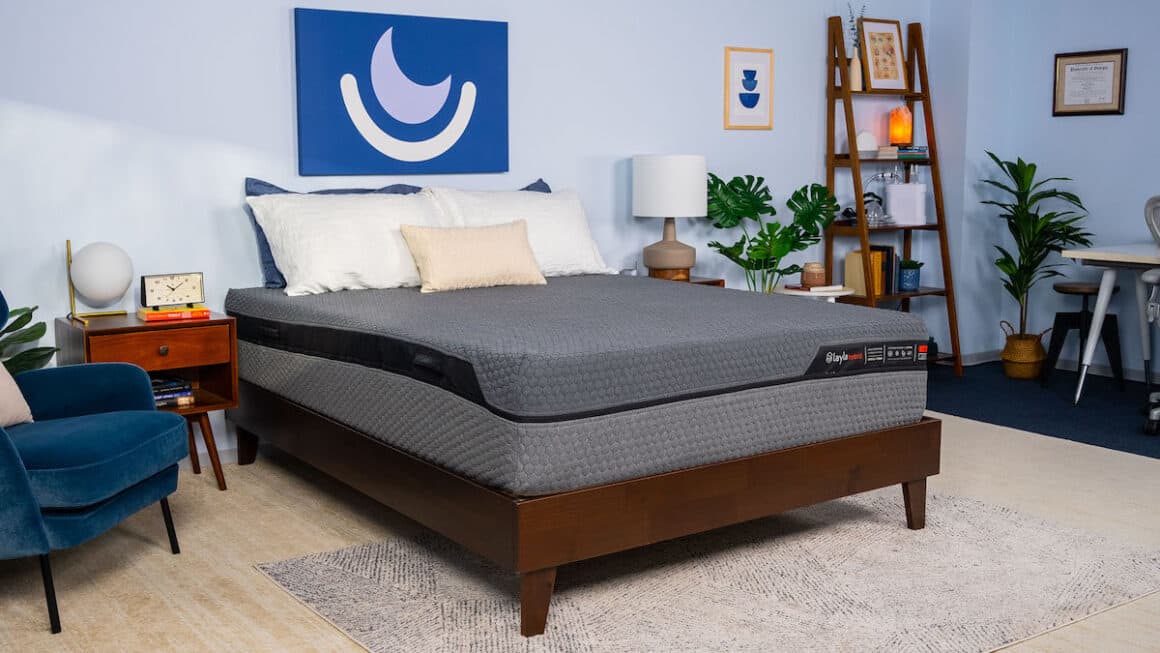
The flippable Layla Hybrid’s versatile design makes the mattress a great choice for anyone with fibromyalgia-related pain, whether they prefer a plush or firm surface. Memory foam comfort layers deliver deep, even cushioning for sore spots while the robust pocketed coils ensure an even surface with minimal sinkage.
Ideal forSide Sleepers Of Any Weight
FirmnessReversible: Medium Soft (4), Firm (7)
FeelVersatile Pressure Relief
ValueGreat Value
Pros
Double-sided design offers two firmness options in one bed
Reinforced perimeter enhances stability on the edge of the bed
Cons
Double-sided design offers two firmness options in one bed
Reinforced perimeter enhances stability on the edge of the bed
Side Sleepers
Under 130 lbs
7.5/10
130-230 lbs
9.0/10
Above 230 lbs
7.5/10
Back Sleepers
Under 130 lbs
7.0/10
130-230 lbs
8.5/10
Above 230 lbs
7.0/10
Stomach Sleepers
Under 130 lbs
5.5/10
130-230 lbs
7.0/10
Above 230 lbs
5.5/10
The Layla Hybrid is a flippable mattress with different firmness options on each side. One side is medium soft (4), while the other is firm (7). Multiple surfaces allow the mattress to meet the needs of a wide range of sleepers with different body sizes and sleep preferences. The mattress’ firmness options also make it a great option for people whose sleep preferences change based on physical symptoms.
Why We Like It
The Layla Hybrid is a high-quality mattress that caters to a wide range of sleep needs, making it a good option for those who sleep hot, have symptoms that change often, and want to minimize disturbances for their partner.
How Does It Feel?
Both sides include copper-infused memory foam and breathable polyfoam designed to draw heat away from the sleeper. The softer side includes 2.5 inches of memory foam and 2 inches of polyfoam, while the firm side includes a 1-inch layer of memory foam and a 1.5-inch layer of polyfoam. The mattress’ support core contains 6 inches of pocketed coils with a reinforced perimeter, which increases the usable surface and makes it easier for sleepers to get in and out of bed. A cover made of polyester, rayon, viscose, and poly-lycra encases the mattress.
Our testing team found the softer side of the mattress performed well for most sleepers under 130 pounds. The firm side is well suited for sleepers over 230 pounds and back and stomach sleepers over 130 pounds. Our testers found that the medium soft (4) side provided enhanced pressure relief and motion isolation, while the firm side offered good temperature regulation and was easy to shift positions on. Both sides offer increased edge support, and the mattress produces minimal off-gassing.
If you need a deep hug to sleep comfortably, the Nectar Premier should meet your needs. Thick foam layers form a cradle around your body’s unique contours to promote proper alignment and reduce soreness in the shoulders, back, and hips.
Ideal forCouples
FirmnessMedium Firm (6)
FeelClose Conforming Pressure Relief
ValueGreat Value
Pros
Medium firm feel suits most sleeper types
Foam layers help absorb motion and prevent pressure buildup
365-night sleep trial and lifetime limited warranty
Cons
Limited support around the perimeter may cause feelings of instability
Slow response to pressure may make it difficult to switch sleeping positions
Side Sleepers
Under 130 lbs
8.0/10
130-230 lbs
9.5/10
Above 230 lbs
8.0/10
Back Sleepers
Under 130 lbs
7.5/10
130-230 lbs
9.0/10
Above 230 lbs
7.5/10
Stomach Sleepers
Under 130 lbs
6.0/10
130-230 lbs
7.5/10
Above 230 lbs
6.0/10
The Nectar Premier balances pressure relief with motion isolation for a contouring feel. The medium firm (6) construction combines responsiveness and plushness, making it an ideal mattress for those seeking to limit sleep disturbances when they move on the mattress.
Why We Like It
The mattress contains several layers of foam. The comfort layer includes 3 inches of gel-infused memory foam followed by 1 inch of polyfoam. Seven inches of polyfoam make up the support core. The bed’s cover is made of a blend of polyester and nylon. The Nectar Premier is a great option for sleepers who typically wake up with sore muscles or joints. The all-foam construction relieves pressure points and minimizes disturbances, making it ideal for those who share a bed.
How Does It Feel?
We found that the mattress excelled in relieving pressure points and absorbing vibrations thanks to its all-foam construction. The support core provides a sturdy base, while the comfort layer cradles areas prone to aches and pains. Those who sleep with a partner may appreciate how well the Premier isolates motion, making it easier to sleep undisturbed if you or your partner shift positions frequently. Our testing team found the Nectar Premier performed well for sleepers of all weight categories and sleep styles. In particular, it is well suited for side sleepers over 130 pounds and back sleepers under 130 pounds.
The Ziwi ZiPP Zenergy is an all-foam mattress designed to provide a balance of adaptive surface-level cushioning and targeted midsection support. Its medium firm (6) construction is particularly well-suited for combination sleepers who require a responsive surface that promotes sink-free movements and position changes throughout the night.
Ideal forCombination Sleepers
FirmnessMedium Firm (6)
FeelPlush and Responsive
ValueFair Value
Pros
Exceptional motion isolation to minimize sleep disturbances for couples
Specialized interlocking pillars form a robust support system to reinforce the torso and hips
Cover can be removed and machine-washed for quick, convenient cleaning
Cons
Strong off-gassing smells can linger up to 72 hours after the mattress is unboxed
Back and stomach sleepers who weigh more than 230 pounds may find the mattress too soft
Side Sleepers
Under 130 lbs
8.0/10
130-230 lbs
8.5/10
Above 230 lbs
7.5/10
Back Sleepers
Under 130 lbs
8.5/10
130-230 lbs
7.5/10
Above 230 lbs
6.5/10
Stomach Sleepers
Under 130 lbs
7.5/10
130-230 lbs
6.5/10
Above 230 lbs
6.0/10
The Ziwi ZiPP Zenergy distinguishes itself from traditional all-foam models by providing the pressure-relieving benefits of foam without the restrictive, "stuck" sensation often associated with memory foam. By utilizing a unique internal pillar system, the mattress remains responsive to movement and allows for effortless transitions between different sleep positions. This design effectively keeps the body on an even plane while simultaneously cushioning sensitive joints and providing a stable foundation for people who weigh up to 230 pounds.
Why We Like It
During our hands-on evaluations, the Zenergy performed exceptionally well for side and back sleepers within the range of 130 to 230 pounds. The adaptive polyfoam comfort layer creates a gentle surface cradle that redistributes weight and helps minimize pressure buildup in the shoulders and hips. We were also impressed by how the foam layers dampen vibrations, ensuring that you and your sleep partner won't be disturbed when the other person shifts positions or gets up during the night.
Temperature regulation is another area where the Zenergy stands out among its all-foam competitors. Gaps between the support pillars act as natural ventilation channels, promoting steady airflow to help the mattress maintain a comfortable interior temperature. We also observed that the perimeter provides better stability than many standard foam designs, offering a secure feel when sitting or sleeping near the edge. The combination of targeted lumbar support and a subtle surface bounce makes this an excellent environment for individuals seeking relief from chronic back pain.
How Does It Feel?
The 12-inch Zenergy contains a comfort layer of adaptive polyfoam that provides a soft, cradling feel and reacts to movement with a gentle bounce. Unlike traditional memory foam, this material offers a lighter cradle that supports the body without a deep, heat-trapping hug. This top layer works in tandem with the breathable cover to ensure the surface remains cool and comfortable to the touch.
The foundation of the mattress features the patented ZiPP Support Core, which consists of interlocking foam columns in alternating soft and firm formulations. These pillars are engineered to compress where needed while providing firm pushback beneath the midsection to keep the spine aligned. This construction ensures a stable responsive base that adapts to various sleeping positions and body shapes.
A gentle surface and zoned support layers make the Saatva Latex Hybrid a great option if you’re seeking a balance of cushioning and targeted reinforcement. The surface is both adaptive and responsive, but extra pushback for the midsection means you’re less likely to sink into the mattress.
Ideal forHot Sleepers
FirmnessMedium Firm (6)
FeelBuoyant, Responsive Support
ValueGood Value
Pros
Durable natural materials are breathable and responsive
Free White Glove delivery and a 365-night sleep trial
Cons
Durable natural materials are breathable and responsive
Free White Glove delivery and a 365-night sleep trial
Side Sleepers
Under 130 lbs
7.0/10
130-230 lbs
7.5/10
Above 230 lbs
8.0/10
Back Sleepers
Under 130 lbs
8.0/10
130-230 lbs
8.0/10
Above 230 lbs
7.5/10
Stomach Sleepers
Under 130 lbs
7.5/10
130-230 lbs
7.5/10
Above 230 lbs
7.0/10
The Talalay latex comfort layer and zoned pocketed coils make the Saatva Latex Hybrid a good option for sleepers who need a balance of comfort and support. Latex offers moderate contouring to the body while also providing a responsive feel, which helps to reduce pressure points and make changing positions easier. Zoned pocketed coils cater to individual sleep needs and are reinforced around the bed’s perimeter. This makes the Saatva Latex Hybrid an excellent choice for sleepers who need extra support getting in and out of bed.
Why We Like It
The mattress cover is made from antimicrobial organic cotton designed to repel dust and bacteria. The first layer consists of wool that is certified organic by the Global Organic Textile Standard (GOTS). This layer is breathable, which keeps the mattress cool to the touch. It also acts as a natural fire barrier. The wool layer is followed by 3 inches of Talalay latex, 8 inches of pocketed coils, and a support pad for extra reinforcement. The mattress has a medium firm (6) feel, which caters to a wide range of sleeper types. With multiple cooling features, high-quality materials, and a reinforced perimeter, we found the Saatva Latex Hybrid cushioned pressure points and kept sleepers cool. Sleepers who shift positions frequently or sleep hot should find the mattress makes it easier to sleep through the night.
How Does It Feel?
During testing, the Latex Hybrid performed well in edge support, ease of movement, and temperature control. The reinforced perimeter helps the mattress resist sinking at the edges, allowing sleepers to use the entire sleep surface. Because of its sturdy construction, our testers found it easy to move on the mattress and change positions. The breathable fabrics in the top layers help keep sleepers cool. Additionally, latex prevents uncomfortable heat buildup, and pocketed coils help circulate air throughout the mattress. Our testing team found the Saatva Latex Hybrid performed best for back sleepers under 230 pounds and stomach sleepers between 130 and 230 pounds.
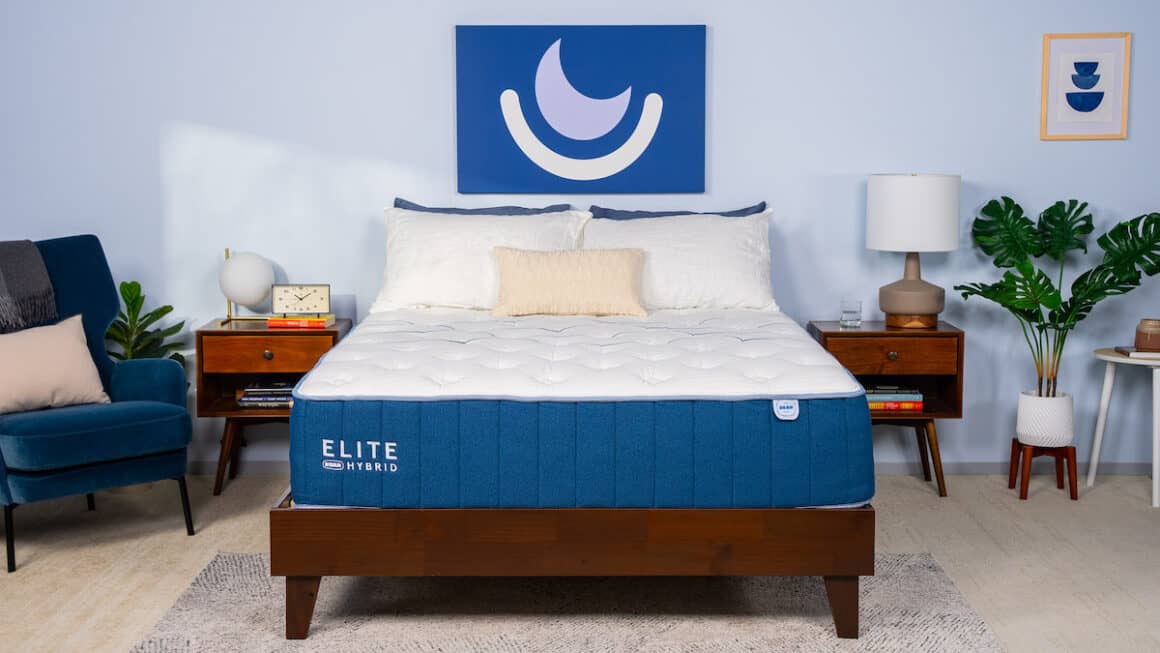
With a contouring memory foam surface, zoned support layers, and three firmness options, the Bear Elite Hybrid seems tailor-made for side sleeping. The extra reinforcement beneath the torso and hips can be a game-changer if you experience pain or pressure points with this sleep position.
Ideal forPeople With Back Pain
FirmnessMedium (5), Medium Firm (6), Firm (8)
FeelPlush, Supportive Surface
ValueGood Value
Pros
Zoned transitional and support layers provide extra reinforcement for the midsection
Three available firmness levels to accommodate different types of sleepers
Cooling cover captures and releases body heat
Cons
Sleepers may notice some motion transfer when their partner moves in bed
Strong off-gassing smells for the first few nights
Pricing is a bit above average
Side Sleepers
Under 130 lbs
7.5/10
130-230 lbs
9.0/10
Above 230 lbs
7.5/10
Back Sleepers
Under 130 lbs
7.0/10
130-230 lbs
8.5/10
Above 230 lbs
7.0/10
Stomach Sleepers
Under 130 lbs
5.5/10
130-230 lbs
7.0/10
Above 230 lbs
5.5/10
If you live with fibromyalgia and back pain, you should invest in a mattress that helps alleviate symptoms of both conditions. The Bear Elite Hybrid is designed with two multi-zone layers, ensuring your chest, stomach, and hips won’t sink too deeply into the mattress — this helps reduce soreness and promote even alignment. You can also choose from three firmness levels based on which sleep position you prefer and how much you weigh.
Why We Like It
Our team tested all three of the Elite Hybrid’s firmness options. The medium (5) model was well received by side and back sleepers on our team weighing up to 230 pounds — these testers appreciated the close contouring and cloud-like cradling, and didn’t sink too much into the mattress. Those seeking maximum support should consider the firm (8) design, which received stellar ratings from our back sleepers weighing at least 130 pounds and stomach sleepers between 130 and 230 pounds. The medium firm (6) design is the most balanced option. This model earned favorable marks from most of our team across different body types and sleep positions.
If motion isolation and pressure relief are your top priorities, the medium model excelled in these performance categories during our tests. The medium firm and firm designs fared better with edge support and ease of movement. All three performed well for temperature control — we’ve attributed this to various cooling materials in the comfort system, support core, and cover.
How Does It Feel?
The Elite Hybrid’s feel depends on which firmness you select. The medium conforms closely to create a deep cradle, the medium firm contours to a lesser extent but still provides noticeable cushioning, and the firm barely sinks at all beneath your weight. Don’t worry if you aren’t happy with how soft or firm the mattress feels — Bear lets you exchange your first choice for a different model at no extra cost during the 120-night sleep trial.
The mattress contains a top layer of memory foam, followed by transitional foam divided into seven zones. This construction ensures extra support for your midsection and gentler cradling for lighter areas of your body. The coils are also zoned in this manner for additional reinforcement, and thicker springs line the perimeter to cut down on sinkage when you lie along the edges or get in and out of bed. A cover woven with cooling Celliant fibers encases the mattress.
The Nolah Natural 11 pairs responsive latex with zoned pocketed coils to create a mattress that’s highly resistant to sinking and sagging. Targeted support for the torso and hips helps ensure even alignment and less pressure in pain-sensitive areas along the spine.
Ideal forSide Sleepers
FirmnessMedium Firm (6)
FeelBreathable and Bouncy Latex
ValueGood Value
Pros
Strong performance for a variety of sleeping positions and body types
Natural latex and coil design boosts ease of movement and edge support
Excellent temperature regulation
Cons
Bouncy materials may transfer motion across the bed
May not appeal to sleepers who prefer the deeper hug of memory foam
Side Sleepers
Under 130 lbs
7.5/10
130-230 lbs
8.0/10
Above 230 lbs
7.0/10
Back Sleepers
Under 130 lbs
8.0/10
130-230 lbs
8.0/10
Above 230 lbs
6.5/10
Stomach Sleepers
Under 130 lbs
7.5/10
130-230 lbs
7.0/10
Above 230 lbs
6.0/10
With a medium firm (6) feel and supportive latex and coil construction, the Nolah Natural 11 is well suited to a wide range of sleepers.
We Why Like It
The mattress includes an organic cotton cover followed by a layer of organic wool. Both materials are GOTS-certified. The comfort layer consists of 2 inches of Talalay latex followed by a 1-inch Talalay latex transition layer. The support core features 8 inches of zoned pocketed coils to provide additional support to the lumbar area and promote healthy spinal alignment. A breathable cover keeps the surface cool to the touch, and a wool layer helps wick heat away from the sleeper. The latex and coil layers also help air circulate throughout the mattress, making it a good option for hot sleepers. The zoned coils give the mattress a sturdy edge, which can be helpful when sitting or lying on the bed’s perimeter. This makes it easier for sleepers to switch positions or get into and out of bed.
How Does It Feel?
During testing, the Nolah Natural 11 performed especially well for side sleepers over 130 pounds, back sleepers under 230 pounds, and stomach sleepers under 130 pounds. Our testers found that it provided enhanced temperature control, edge support, and ease of movement, making it a good option for sleepers who frequently change positions.
The Happsy Organic Mattress strikes a comfy balance between cushioning and support with responsive latex over a bed of springy pocketed coils. You can choose from two firmness levels based on your body type and preferred sleep position, or upgrade your order to include a topper with 2 additional inches of padding material.
Ideal forHot Sleepers
FirmnessMedium Soft (4), Medium Firm (6)
FeelBouncy, Supportive
ValueGreat Value
Pros
Latex hybrid design is breathable, responsive, and long-lasting
Two firmness options to suit different sleeper profiles
GOLS and GOTS certifications ensure materials are sustainably sourced
Cons
Stomach sleepers over 230 pounds may not receive enough support from either design
Mattress is heavy and difficult to move, especially in larger sizes
Side Sleepers
Under 130 lbs
7.5/10
130-230 lbs
8.5/10
Above 230 lbs
7.0/10
Back Sleepers
Under 130 lbs
8.5/10
130-230 lbs
7.5/10
Above 230 lbs
6.5/10
Stomach Sleepers
Under 130 lbs
7.0/10
130-230 lbs
6.0/10
Above 230 lbs
5.5/10
The Happsy Organic Mattress features a sturdy latex-over-coil hybrid design that contours lightly and responds to movement with a gentle, yet noticeable, bounce. Two firmness options are available, catering to different body types and sleep positions, and both excel at temperature control to keep you cool and comfortable.
Why We Like It
The Happsy Organic Mattress showcases the winning combination of adaptive comfort latex and pocketed steel coils. You'll feel more contouring on this model than you would with other latex hybrids, especially if you choose the medium soft (4) design. Our hands-on tests indicate the mattress sleeps cool, isolates a decent amount of motion, and alleviates pressure with light cushioning along the spine.
How Does It Feel?
The Happsy Organic Mattress begins with a latex of GOTS-certified organic wool, which serves as the bed's fire barrier but also helps regulate the surface temperature and wick moisture away from your body. A 2-inch layer of GOLS-certified organic latex provides cushioning without the hug of memory foam, and this layer is ventilated to promote cooling airflow near the surface.
A support core of pocketed coils stabilizes the mattress. You'll feel extra pushback from the coils both in the interior of the bed and along the perimeter. A breathable organic cotton cover encases the mattress. If you want a bit more cushioning for your sleep surface, you can add a latex topper to your order that increases the mattress profile by 2 inches and can be removed at any time.
Sleep disturbances are one of the primary symptoms of fibromyalgia. People with fibromyalgia often have trouble sleeping deeply, wake up throughout the night, and feel unrefreshed in the morning.
Generalized pain, stiffness, and specific pressure points may exacerbate sleep difficulties by making it difficult to find a comfortable sleeping position. Fibromyalgia can affect many parts of the body, including the arms and legs, the chest and abdomen, and the head and back. Pain and stiffness are often worse at night.
Many people with fibromyalgia have coexisting sleep disorders, such as restless legs syndrome or periodic limb movement disorder. It is also associated with depression and anxiety, bladder and gastrointestinal issues, and gastroesophageal reflux disease (GERD), all of which can affect sleep.
How Sleeping Position Affects Fibromyalgia
Your sleeping position determines how your body weight is distributed, and you may find certain positions more comfortable than others depending on where your fibromyalgia symptoms tend to be the strongest.
Side sleeping places more pressure on the hips and shoulders, while stomach sleeping may exacerbate fibromyalgia symptoms in the head and neck. Back sleeping may be most comfortable, as this position spreads pressure evenly along the body. However, depending on the mattress, you may experience lower back pain in this position.
What Type of Mattress Is Best for Fibromyalgia?
The best type of mattress for fibromyalgia depends on your individual symptoms, as well as your body type and typical sleeping position.
Mattress Type
Why You Should Consider It
Foam
Foam mattresses, particularly those with memory foam, often conform closely to provide standout pressure relief. This mattress type may be a good fit if you sleep on your side or if hard surfaces exacerbate your fibromyalgia symptoms.
Hybrid
Hybrid mattresses generally offer strong spinal support, which can be important to help distribute weight evenly and take pressure off the spine. These mattresses also tend to have sturdy edges and a responsive surface that facilitates movement.
Latex
Latex is a highly responsive material that supplies a balance of pressure relief and support while facilitating ease of movement.
Airbed
The inflatable air chambers in an airbed can be adjusted in small increments until you find the exact firmness that suits you. If your fibromyalgia symptoms change from day to day, this ability to adjust the feel of your mattress can be invaluable.
Adjustable
Adjustable beds allow users to raise and lower the head and foot of the bed using a smartphone app or remote control. Many models have a zero-gravity function or other settings that may provide relief from fibromyalgia symptoms. Adjustable bed bases can usually be paired with a hybrid, latex, or foam mattress.
What to Consider in a Mattress When You Have Fibromyalgia
Because fibromyalgia involves multiple painful or tender points distributed around the body, a mattress can play a critical role in either relieving symptoms or making them worse.
Firmness
A mattress that’s too firm may aggravate fibromyalgia-related pressure points, while a mattress that’s too soft may fail to support the spine. Many sleepers find that a medium firm mattress offers a good balance of support and pressure relief.
Side sleepers and people who weigh less than 130 pounds may prefer a softer mattress, as these sleepers are more susceptible to pressure points. Stomach sleepers and people weighing more than 230 pounds may require a firmer mattress to prevent weight-bearing areas from sinking too far into the mattress and throwing off spinal alignment.
Cushioning and Pressure Relief
Fibromyalgia causes tender and stiff muscles and joints that feel more painful when pressure is applied. Soft or contouring materials such as memory foam or cotton batting can help protect against pressure points where your body touches the mattress.
To provide strong pressure relief, a mattress must also offer a certain degree of spinal support. If a mattress is too soft, the hips may sink in too far and cause pressure buildup in the lower back.
Mobility
Fibromyalgia causes muscle stiffness that can make it difficult to switch positions or get in and out of bed. When choosing a mattress for fibromyalgia, there are several mobility-related factors to consider.
Motion Isolation: Motion isolation can be an important factor if you sleep with a partner, particularly if you’re sensitive to movement. All-foam mattresses tend to do the best job at isolating motion.
Ease of Movement: Latex and coils are responsive, meaning they quickly regain their shape after pressure is lifted. Mattresses made with responsive materials make it easier to switch sleeping positions or climb in and out of bed. By contrast, mattresses with low responsiveness may cause you to feel as if you’re trapped in the mattress.
Edge Support: Sturdy edges offer helpful support when climbing in and out of bed. Edge support is also important if you tend to sleep near the edge of the bed, as poor perimeter stability can cause feelings of roll-off. Hybrid mattresses often feature the best edge support, particularly if they’re reinforced with stronger coils or a foam encasement around the perimeter.
Sleep Trial and Warranty
Online mattresses are typically sold with a sleep trial lasting anywhere from 30 to 365 nights. During the trial period, you can sleep on the mattress and return it for a refund if you find it’s not right for you. Since many mattresses soften somewhat during the first few months, the sleep trial is a good way to see how your symptoms respond as you break in the mattress.
Mattresses are also protected by a warranty, usually lasting at least 10 years. Most warranties guarantee that the company will replace or repair the mattress if it develops deep permanent indentations, providing some assurance that you won’t experience a serious drop in the bed’s pressure-relieving or supportive capabilities.
Video: What to Look For in a Mattress
Our sleep experts will walk you through everything you need to know to choose the perfect mattress for you. From foam to hybrid, we’ll explain the pros and cons of each type of mattress, as well as important features like firmness, support, and more.
How to Get Better Sleep With Fibromyalgia
Sleep is an important part of managing fibromyalgia symptoms, yet many people with fibromyalgia struggle to sleep soundly. In addition to maintaining a healthy lifestyle with good sleep hygiene practices, be sure to consult with your doctor on how to manage sleep problems if you have fibromyalgia.
Practice Healthy Sleep Hygiene
Sleep hygiene encompasses all the actions you take during the day and night that can help improve your sleep. Good sleep hygiene habits include:
Maintaining a regular sleep schedule
Keeping the bedroom cool, dark, and quiet
Putting away electronic devices with bright screens well before bedtime
Avoiding caffeine, alcohol, and heavy meals before bed
Getting regular exercise, within the limits of your fibromyalgia symptoms
Invest in Proper Bedding
Along with your mattress, choosing the right bedding can help you sleep more comfortably if you have fibromyalgia. Look for breathable sheets, a duvet or comforter if you live in a cold climate, and a pillow that supports your head and neck. If your mattress is too firm but you’re not ready to invest in a new one, consider adjusting the feel with a mattress topper.
Find the Right Temperature
It’s common for fibromyalgia symptoms to worsen in response to cold temperatures. If your symptoms are triggered by the cold, try to avoid mattresses with phase change material or other cooling features.
If you’re also sensitive to heat, look for a mattress made with breathable materials that naturally maintain a neutral temperature. You can use other accessories such as bedding, heating pads, fans, or heaters to create an optimal bedroom climate.
In addition to improving sleep, regular exercise is an important component of managing fibromyalgia symptoms. Low-impact activities like swimming, fast walking, and cycling have been shown to improve symptoms. It’s also important to do daily stretching exercises. Ask your doctor to help you develop a personalized exercise plan.
Discover More Mattress Solutions
Similar to this guide, our team has put together curated lists of the best mattresses for a variety of conditions that can impact sleep quality.
Every mattress that we recommend has been vetted by our sleep testing team, which carries out extensive tests in our Seattle lab using our detailed product testing methodology. To find the best mattresses for fibromyalgia, we prioritized factors like pressure relief, edge support, and ease of movement.
Frequently Asked Questions
What is the best mattress for fibromyalgia?
There’s no single best mattress for fibromyalgia, as the right mattress for each person depends on their body type, preferred sleeping position, and individual symptoms. Memory foam is a popular choice for people with fibromyalgia, as this material generally provides outstanding pressure relief. But hybrid, foam, latex, and airbed mattresses are all good options provided you choose a model that’s appropriate for your body type and sleeping style.
What kind of mattress should you avoid if you have fibromyalgia?
We recommend against choosing a traditional innerspring mattress if you have fibromyalgia, as this antiquated mattress style offers little to no pressure relief. Mattresses with intense cooling or heating features may also be uncomfortable if you have cold or heat intolerance. Beyond these general precautions, be sure to consider your specific needs when selecting a mattress.
Is a soft or firm bed better for fibromyalgia?
While individual needs vary, the best mattress for fibromyalgia is typically neither soft nor firm, but somewhere in the middle. Ideally, the mattress should be soft enough to cushion tender areas, yet firm enough to keep your spine on an even plane. Keep in mind that ideal mattress firmness is subjective and depends on your body type and sleeping position.
What is the best sleeping position for fibromyalgia?
Fibromyalgia symptoms vary, so the best sleeping position depends on where you typically experience pain. If your hips or shoulders are tender, you should avoid sleeping on your side. If your neck is sore, you may want to avoid stomach sleeping. If your back hurts, you may find back sleeping painful.
Try a few different positions to see what works for you, and consider using pillows to support different areas and take pressure off the spinal column.
How can you sleep better when you have fibromyalgia?
Investing in a good mattress and managing your symptoms with lifestyle changes may help you sleep better if you have fibromyalgia. Experts recommend regular aerobic exercise, daily stretching, and applying gentle heat to tender areas to soothe pain from fibromyalgia.
It’s also important to manage stress and treat any coexisting conditions, such as sleep disorders. Your doctor can advise you on the best way to improve your sleep and prescribe pain or sleep medication as necessary.
Katie is a writer, editor, and researcher based in Englewood, Colorado. With a doctorate in English from the University of Louisiana at Lafayette, she has written and edited for Peterson’s and Innerbody Research as well as been a writing professor. Katie is passionate about helping consumers make more informed choices.