Research suggests the average person spends about a third of the time sleeping on their back. Back sleeping keeps the spine evenly aligned and tends to cause fewer pressure points compared with side sleeping. That being said, with the wrong setup, back sleeping can contribute to back pain.
Do you prefer to sleep on your back? It’s important to choose a supportive mattress. We’ll share our recommendations for the best mattresses for back sleepers and explore some factors to keep in mind while shopping.
If you’re interested in mattresses that work for all sleeping positions, check out our guide to the best mattresses of 2025. If you’re looking for a bed that helps relieve back pain, see our guide to the best mattresses for back pain.
The Helix Dusk is a hybrid model made with specialized foam that’s more responsive than traditional foam. Our testers describe the mattress as sturdy and supportive while still offering ample cushioning for pressure points along the spine.
Ideal forCouples
FirmnessMedium Firm (6)
FeelPlush, Supportive Surface
ValueGood Value
Pros
Memory foam offers contouring pressure relief
Individually wrapped coils provide sturdy back support
Thick foam comfort system helps minimize motion transfer
Cons
May not be supportive enough for sleepers over 230 pounds
Sleeps hotter than some other hybrids
Foam layers may limit movement
Side Sleepers
Under 130 lbs
8.0/10
130-230 lbs
9.5/10
Above 230 lbs
8.0/10
Back Sleepers
Under 130 lbs
7.5/10
130-230 lbs
9.0/10
Above 230 lbs
7.5/10
Stomach Sleepers
Under 130 lbs
6.0/10
130-230 lbs
7.5/10
Above 230 lbs
6.0/10
The Helix Dusk is a hybrid model with a medium firm (6) feel. The foam and coil layers carefully balance contouring and support, making this a strong choice for anyone who sleeps on their back.
Why We Like It
Most back and side sleepers on our team received plenty of support for the lumbar region, thanks to the sturdiness and pushback from the coil base. Meanwhile the foam layers gently cushioned our shoulders, hips, and spine to minimize painful pressure buildup in these areas. The mattress was most comfortable for sleepers up to 230 pounds. If you weigh more, you may prefer a firmer bed with more support.
The Helix Dusk excels at absorbing motion and noise, so this bed is well suited to co-sleepers who wake each other up with movement at night. Hot sleepers should find the bed fairly cool thanks to the airflow through the coils. For an additional fee, you can also opt for a GlacioTex Cooling cover, which is engineered to regulate temperature on the surface.
How Does It Feel?
The mattress begins with a layer of Helix Dynamic Foam, which conforms closely to the body but also has a responsive feel to prevent uncomfortable sinkage. Beneath is a memory foam layer that enhances contouring and cushions your body from the pocketed coils beneath. The coil layer is 8 inches thick and provides sturdy support. Two sides of the bed are also reinforced to bolster support along the edges.
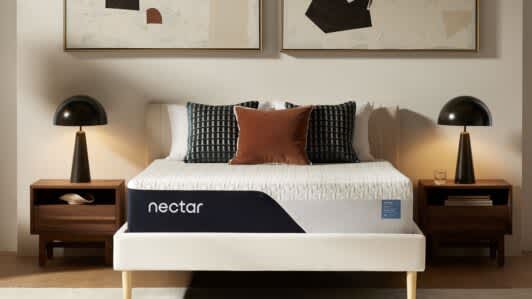
The Nectar Mattress is a quintessential all-foam mattress that offers deep cushioning for the spine and moderate pushback from denser foam layers. The side and back sleepers on our team gave the bed high marks for its well-balanced design.
Ideal forSide Sleepers
FirmnessMedium Firm (6)
FeelClose-Conforming Foam
ValueGreat Value
Pros
Thick comfort system delivers above-average pressure relief
All-foam construction ensures strong motion isolation
365-night sleep trial and lifetime limited warranty
Cons
Limited bounce may impede ease of movement
Foam design traps more heat than hybrid models
Perimeter may compress noticeably under body weight
Side Sleepers
Under 130 lbs
8.0/10
130-230 lbs
10.0/10
Above 230 lbs
6.0/10
Back Sleepers
Under 130 lbs
8.0/10
130-230 lbs
8.0/10
Above 230 lbs
6.0/10
Stomach Sleepers
Under 130 lbs
8.0/10
130-230 lbs
6.0/10
Above 230 lbs
6.0/10
Nectar’s flagship product is a budget-friendly all-foam model with a medium firm (6) feel that’s suitable for many types of back sleepers.
Why We Like It
The mattress earned high marks from our testers under 230 pounds who sleep on their back. Since the mattress can also accommodate side and stomach sleepers in this weight range, it may be ideal for combination sleepers and couples with different position preferences.
Our testing team found the Nectar Mattress offered a contouring surface with good temperature regulation and solid support at an affordable price-point, making it a good option for back sleepers on a budget.
How Does It Feel?
The Nectar Mattress includes three layers. The top comfort layer consists of 2 inches of memory foam designed to cushion and contour the body. This layer is infused with gel designed to transfer heat away from the body. Our testers found that the 3-inch transitional layer of polyfoam added support and prevented them from sinking too far into the bed. The support core uses 7 inches of polyfoam to stabilize the mattress.
The cover is a blend of polyester, nylon, and polyethylene crafted to feel soft, smooth, and cool to the touch while wicking away moisture. Partners sharing a sleep surface should appreciate the Nectar’s exceptional motion isolation.
The WinkBed has a Euro-top design that offers excellent cushioning on the surface combined with sturdy support from the coil base. With four firmness options to pick from, the back sleepers on our team all found the bed comfortable regardless of their body type.
Ideal forSide Sleepers
FirmnessMedium Soft (4), Medium Firm (6), Firm (7), Firm (8)
FeelPlush, Supportive Surface
ValueGood Value
Pros
Available in four firmness options, including one for sleepers over 250 pounds
Reinforced edges and enhanced lumbar support
Hybrid design offers good ease of movement and temperature neutrality
Cons
Slightly higher sticker price than competing hybrids
Less pressure relief than similarly built models
Sensitive sleepers may notice their partner’s movements, particularly on firmer models
Side Sleepers
Under 130 lbs
8.0/10
130-230 lbs
9.5/10
Above 230 lbs
8.0/10
Back Sleepers
Under 130 lbs
7.5/10
130-230 lbs
9.0/10
Above 230 lbs
7.5/10
Stomach Sleepers
Under 130 lbs
6.0/10
130-230 lbs
7.5/10
Above 230 lbs
6.0/10
For optimal support and comfort, back sleepers need a mattress with the right firmness level. The WinkBed is an innerspring model that comes in four distinct firmness levels to accommodate a wide array of sleepers.
Why We Like It
Each firmness option varies slightly in construction. The Softer, Luxury Firm, and Firmer versions use a quilted Euro-top with gel-infused polyfoam designed to cushion the surface while regulating the temperature. The Luxury Firm and Firmer versions use two layers of polyfoam, and the Softer uses three for extra conforming. Meanwhile, the Plus uses a comfort system of polyfoam and zoned latex for extra support.
Each firmness option contains a pocketed coil core that enhances the bounce and breathability while limiting motion transfer. Zoning in this layer helps support the sleeper’s back, and a reinforced edge makes more of the surface usable. In the Plus, the coils are banded together to further reinforce the surface for heavier individuals. A Tencel cover encases the WinkBed. This material is designed to wick away moisture while staying cool to the touch.
With four firmness options, a surface designed to keep sleepers cool, and zoned support, back sleepers should find the WinkBed provides an appealing balance of support and contouring.
How Does It Feel?
The Softer model is medium soft (4), which many of our team’s back sleepers under 130 pounds found comfortable. As a medium firm (6) mattress, the Luxury Firm model is appropriate for most back sleepers, especially those under 230 pounds. The Firmer is truly firm (7), so we found it was generally supportive enough for back sleepers over 130 pounds. Our testing team noticed that back sleepers over 230 pounds benefited from the extra support of the Plus, a firm (8) option designed for larger individuals.
The Saatva Classic has a thoughtful dual-coil design that ensures plenty of support for back sleepers. With three firmness options available, you can pick the amount of cushioning that suits you best.
Ideal forBack Sleepers
FirmnessSoft (3), Medium Firm (6), Firm (8)
FeelBouncy, Supportive Surface
ValueFair Value
Pros
Three firmness levels and two height options
Enhanced support in the lumbar area helps relieve lower back discomfort
365-night sleep trial and complimentary White Glove delivery with old mattress removal
Cons
Coils produce some motion transfer
Expensive price-point
Customer is responsible for return fees
Side Sleepers
Under 130 lbs
7.0/10
130-230 lbs
9.0/10
Above 230 lbs
9.0/10
Back Sleepers
Under 130 lbs
7.0/10
130-230 lbs
9.0/10
Above 230 lbs
9.0/10
Stomach Sleepers
Under 130 lbs
6.5/10
130-230 lbs
8.5/10
Above 230 lbs
8.5/10
The Saatva Classic is a luxury innerspring model with enough options to suit nearly any back sleeper. It comes in two profiles: 11.5 inches and 14.5 inches. Shoppers can also select between three firmness options: soft (3), medium firm (6), and firm (8). Depending on their weight, most back sleepers prefer the medium firm or firm option. However, some of our testers under 130 pounds liked the soft version.
Why We Like It
Thanks to its breathable design, the Saatva was especially popular with our testers who sleep hot. The combination of cushioning and bounce also makes it appropriate for those who want a balance between pressure relief and ease of movement.
The Saatva Classic features three firmness options, a conforming Euro-top, and a dual-coil design that prevents heat buildup. This makes it suitable for a variety of back sleepers — particularly those who prefer a slightly responsive surface.
How Does It Feel?
A 3-inch Euro-top with polyfoam cushions the surface, while a memory foam lumbar pad reinforces the center of the bed for enhanced back support. We found that the 4 inches of pocketed microcoils contoured to our bodies and relieved pressure. The support core consists of sturdier Bonnell coils for sag-resistant support. A firm, high-density polyfoam layer wraps around the outer edge, which our testers noticed reinforced the perimeter. A cotton cover lets air circulate through the mattress.
The Ziwi ZiPP Contour's unique all-foam formulation helps ensure a comfy balance of deep cushioning and responsive support. This model is plush and adaptive enough to alleviate pressure for most side and back sleepers.
Ideal forSide and Back Sleepers
FirmnessMedium (5)
FeelPlush and Adaptive
ValueFair Value
Pros
Foam layers help alleviate pressure and soreness for side and back sleepers
Excellent motion isolation for couples
Removable and machine-washable cover
Cons
Too soft to support the midsections of most stomach sleepers
Initial off-gassing odors can be strong for the first few nights
Side Sleepers
Under 130 lbs
8.5/10
130-230 lbs
8.0/10
Above 230 lbs
7.5/10
Back Sleepers
Under 130 lbs
8.0/10
130-230 lbs
7.0/10
Above 230 lbs
6.0/10
Stomach Sleepers
Under 130 lbs
7.0/10
130-230 lbs
6.0/10
Above 230 lbs
5.5/10
The Ziwi ZiPP Contour is a standout all-foam mattress that successfully strikes a balance between deep cradling and reliable structural integrity. This mattress uses a proprietary pillar-based support system to maintain a flat sleep plane and encourage breathability. It is especially effective for individuals with chronic back or joint pain who want a surface that molds to their body without sinking too much or hindering movement on the surface.
Why We Like It
Our testing team found that the ZiPP Contour provides excellent motion isolation, making it a great choice for couples or co-sleepers who are easily awakened by their partner’s movements. The foam layers and interlocking support core effectively absorb vibrations, ensuring that position changes do not create movements that ripple across the surface. Pressure relief is another defining strength for this model, particularly for side sleepers who prefer deep cushioning beneath their shoulders and hips. The mattress excels at redistributing body weight to help to soothe tension and prevent sharp pressure points from building while you sleep.
The ZiPP Contour performs better than many competing all-foam models in terms of cooling and breathability. Gaps between the interlocking foam pillars promote steady airflow through the interior of the mattress, reducing the heat buildup that frequently occurs with traditional memory foam designs. While edge support is limited due to the all-foam construction, the support core provides a subtle bounce that allows sleepers to change positions easily without feeling stuck. We also found the durability to be promising for an all-foam bed, provided the sleepers stay within the recommended weight ranges.
How Does It Feel?
The ZiPP Contour has a plush, medium (5) feel that balances softness with a responsive bounce. The top layer is composed of memory foam that conforms closely to the sleeper's figure, providing a cradling sensation that many find inviting and comfortable for sensitive joints. The breathable polyester cover is removable and machine-washable for easy cleaning.
The base layer of the mattress contains the patented ZiPP Support Core, which features interlocking foam pillars in alternating firm and soft formulations. This design allows the mattress to sink just enough beneath the heaviest parts of the body while providing gentle pushback elsewhere for healthy sleep posture. This balanced construction ensures a comfortable sleep experience for most side and back sleepers up to 230 pounds.
The Plank Firm Luxe is a dual-sided mattress that offers a different feel on each surface — both with above-average firmness for a hybrid model. Our testers recommend this model for sleepers who need extra-firm support to help with back pain.
Ideal forHeavy Sleepers
FirmnessFirm (7), Extra Firm (9)
FeelDense Supportive Foam
ValueGreat Value
Pros
Flippable design with two firmness options
Supportive layers work particularly well for sleepers over 230 pounds
Affordable price-point and special sizes available
Cons
Not for sleepers who need a cushy “hugging” feel
Too firm for most sleepers under 130 pounds
Little to no motion isolation
Side Sleepers
Under 130 lbs
4.5/10
130-230 lbs
6.5/10
Above 230 lbs
8.0/10
Back Sleepers
Under 130 lbs
4.5/10
130-230 lbs
6.5/10
Above 230 lbs
8.0/10
Stomach Sleepers
Under 130 lbs
5.0/10
130-230 lbs
7.0/10
Above 230 lbs
8.5/10
Sleepers who live with back pain should invest in a mattress that provides even support and doesn’t sink excessively beneath their weight. The Plank Firm Luxe is a reversible mattress with firm (7) and extra firm (9) sides. The former is ideal for sleepers who need strong support and a bit of cushioning for their body, while the latter contours to a very minimal extent and provides excellent reinforcement from head to toe.
Why We Like It
The shared support core consists of pocketed coils. Air circulates freely throughout the coil system and both sides of the mattress retain very little heat, so the mattress should sleep cool for most people. If you’re an exceptionally hot sleeper, you can also add a panel of phase change material (PCM) to the top of each side of the mattress for an extra fee. PCM is designed to capture and release heat on contact, keeping the surface at a comfortable temperature even on hot or humid nights.
Our testing indicates the firm side of the Plank Firm Luxe is best suited to back and stomach sleepers who weigh at least 130 pounds. People who use these positions and weigh more than 230 pounds may also feel comfortable on the extra firm side. The mattress weighs between 60 and 105 pounds depending on its size, so flipping it over may require assistance from a lifting partner.
The Plank Firm Luxe’s flippable design and extra firm option should appeal to back sleepers looking for a mattress with minimal contouring, particularly those who sleep hot.
How Does It Feel?
The firm surface features a layer of quilted padding material, followed by a TitanFlex foam comfort layer and a polyfoam transitional layer. TitanFlex is a proprietary material that combines the cushioning of foam with the responsiveness of latex, so this side felt somewhat bouncy when our testers moved across the surface. The extra firm side omits the TitanFlex to maintain its ultra-supportive feel.
The quilted cover and double foam layers make the Silk & Snow Hybrid an excellent choice for back sleepers who need cradling to relieve pressure off their spine. The bed was most popular among our back-sleeping testers between 130 and 230 pounds.
Ideal forPeople with Back Pain
FirmnessMedium Soft (4), Medium Firm (6)
FeelSurface Cradling and Sturdy Overall Support
ValueGreat Value
Pros
Polyfoam lumbar pad and zoned coils help ease pressure buildup
Foam encasement minimizes sinkage around the edge of the bed
Competitively priced
Cons
Limited motion isolation
Surface can hinder movements and position changes
Side Sleepers
Under 130 lbs
7.0/10
130-230 lbs
8.5/10
Above 230 lbs
7.0/10
Back Sleepers
Under 130 lbs
7.5/10
130-230 lbs
8.0/10
Above 230 lbs
6.0/10
Stomach Sleepers
Under 130 lbs
6.5/10
130-230 lbs
6.0/10
Above 230 lbs
5.0/10
The Silk & Snow Hybrid balances conforming and support at a competitive price-point. Thanks to its relatively even weight distribution, our testers noted less pressure buildup when lying on their back.
Why We Like It
A pocketed coil core adds support, airflow, and bounce. The coils are zoned, giving the center of the bed a sturdier feel to support the lumbar region while relieving pressure around the shoulders. A layer of firm foam wraps around the perimeter to stabilize the edges.
The Silk & Snow Hybrid earned high marks from the back sleepers on our testing team weighing less than 230 pounds. Its breathable design is ideal for many hot sleepers, and couples should appreciate its stable edges and responsive feel.
For back sleepers looking for pressure relief, the Silk & Snow Hybrid offers support with a conforming surface. Zoned coils and a cover designed to dissipate heat help keep sleepers cool and comfortable at an affordable price-point.
How Does It Feel?
This model’s polyester and spandex cover is infused with silver, which is intended to protect against bacterial growth. A 1-inch layer of polyfoam is quilted into the cover for plush cushioning. Next, 2 inches of memory foam gently cradle the curves of the spine to promote good posture while relieving pressure. Both the polyfoam and memory foam layers are infused with gel, which is designed to transfer heat away from the body for a cooling effect.
Two firmness options are available. Those seeking a mattress that contours closely should opt for the medium soft (4) design, whereas the medium firm (6) model offers stronger support for back and stomach sleepers.
My rule of thumb for back sleepers is to find a mattress that’s not too soft and not too firm. Unlike other sleep positions, where people tend to need extra cushioning or support, back sleepers often get the most benefit from a nice even mix of both.
Video: How to Pick a Mattress for Back Sleepers
What do back sleepers need from a mattress in order to sleep comfortably? In the video below, our sleep experts get hands-on with mattresses to show you exactly what to look for when shopping for beds for back sleepers.
What Do Back Sleepers Need From Their Mattress?
Back sleepers typically prefer a mattress with a balanced feel. They need enough support to prevent sinkage in the lower back with moderate cushioning to cradle the spine. Back sleepers aren’t prone to pressure buildup that side sleepers often experience in the hips and shoulders, nor do they need the extra firm support required by stomach sleepers.
Spinal Alignment
Sleeping on an unsupportive bed can lead to aches and pains when weight-bearing areas sink in too far and pull the spine into a curved shape. Although back sleeping is beneficial for spinal alignment compared to other sleep positions, it’s not uncommon for back sleepers to experience pressure buildup in the lumbar area. Some mattresses include extra materials in the middle third to help support the lower back and hips.
Firmness
Ideal firmness is largely a matter of personal preference, but your body type and preferred sleeping position also play a role. The right mattress for back sleepers needs to be firm enough to support the spine, but it should also offer a certain amount of contouring to prevent pressure buildup.
Most back sleepers sleep well on a medium firm bed, falling at a 6 on our 10-point scale with 10 being the firmest. Sleepers under 130 pounds put less pressure on the bed and usually prefer a slightly softer mattress, while those over 230 pounds need more support and often prefer a firmer bed.
Under 130 lbs.
Between 130 and 230 lbs.
More than 230 lbs.
Medium Soft (4) or Medium (5)
Medium Firm (6) or Firm (7)
Firm (7) or Firm (8)
What Else to Consider in a Mattress for Back Sleepers
When choosing a mattress, it’s helpful to understand the pros and cons of different mattress types, as well as the ins and outs of sleep trials and warranties. If you have specific pain points, you should also consider how the mattress can help.
Mattress Type
Mattresses generally fall into several main categories of mattress type: foam, hybrid, latex, airbed, and innerspring. While individual models differ in performance and construction, beds in the same family of mattress type typically share some similar characteristics. Hybrid, foam, and latex mattresses tend to offer the best balance of support and pressure relief for back sleepers.
Hybrid mattresses include a notable comfort system with contouring materials to help relieve painful pressure buildup, combined with a pocketed coil support core to maintain spinal alignment. Foam mattresses often deliver excellent pressure relief and their high-density cores offer sturdy support for most sleepers. Latex mattresses are supportive with moderate contouring and a more responsive feel.
Body Pain
Although back sleeping doesn’t usually lead to pain points at the hips or shoulders, mattresses that are too firm may cause painful pressure buildup in the lower back. You can minimize some of the pressure by slipping a thin pillow under the knees or lower back.
Back sleeping can trigger symptoms for people with gastroesophageal reflux disease (GERD) and obstructive sleep apnea (OSA). Raising the head of the bed can help reduce heartburn symptoms, while switching to side sleeping can open the airway and reduce sleep apnea symptoms. Talk to your doctor for other options to treat these conditions.
Durability
Mattresses can start to sag or develop permanent body indentations as they age, compromising their ability to provide pressure relief and support. When you notice permanent body impressions, noticeably soft foams, or other indications of sagging, it’s time to replace your mattress. You should also consider replacing your mattress if you’re waking up with unexplained aches and pains.
The average expected lifespan of a mattress is between 7 and 10 years, although this can vary depending on the type of mattress and the quality of the materials and construction. While price isn’t always indicative of durability, it may pay off to invest in a better-quality mattress if it means you won’t have to replace it as quickly.
Sleep Trial and Warranty
It’s common for a new mattress to soften over the first few months as you break in the foams. To help you get a feel for the mattress and see if it works for your sleeping style, many companies offer a sleep trial. During a period lasting anywhere between 30 and 365 nights, you can sleep on the bed in your own home and return it for a refund if you don’t like it.
Mattresses also typically come with a warranty, which is a guarantee from the manufacturer against defects in materials or craftsmanship. Warranties don’t cover damage from accidents or regular wear and tear, but they can help protect your investment if you find a defect such as split foams or faulty zippers.
Helpful Mattress Accessories for Back Sleepers
Mattress toppers and pillows can help promote healthy spinal alignment and prevent aches and pains when back sleeping.
Change the bed’s feel with a mattress topper: A mattress topper is a layer of material that you place on top of your bed. While it won’t entirely replace support in a mattress with excessive sagging, a topper can make the bed feel firmer or softer without the need to immediately invest in a new mattress.
Use a pillow with a lower loft: A pillow that’s too thick can strain the neck, placing stress on the cervical area. If you’re waking up with upper back and neck pain, try using a thinner pillow.
Try an ergonomic pillow: A cervical or chiropractic pillow has a wavy design that fills the gap below the neck when lying on your back. This design can help relieve pressure by keeping the head supported.
Tuck a pillow under your knees: Experts recommend tucking a pillow under the knees or the lower back to relieve lumbar strain when back sleeping. The goal is to encourage the spine to fall into its natural alignment. These additional pillows may be especially helpful when using a firmer mattress that doesn’t offer as much contouring.
Discover More Mattress Solutions
Check out our other mattress buying guides to ensure you find the bed that best meets your specific needs.
Our testing team is made up of people with different body types and sleep position preferences. We put each mattress through a comprehensive set of tests to see how it performs in areas such as temperature regulation, ease of movement, and motion isolation. When testing the best mattresses for back sleepers, we paid special attention to support and pressure relief.
Frequently Asked Questions
What is the best mattress for back sleepers?
The best mattress for back sleepers ultimately depends on your body type and personal preferences. However, we typically find that a medium firm foam or hybrid mattress performs well for back sleepers, as these beds offer pressure relief and fairly sturdy support. Latex mattresses also offer strong support and a moderate degree of contouring that back sleepers find comfortable.
Do back sleepers need a firm or soft mattress?
Back sleepers tend to do best with a medium firm mattress. Mattresses that are too soft may not provide enough spinal support, leading to aches and pains. Conversely, mattresses that are too firm may not offer enough contouring for the spine, which can lead to pressure buildup.
What is the best sleeping position for back pain?
Though the best sleeping position for back pain varies from person to person, most experts agree that side sleeping places the least stress on the spine. Experts recommend adding a pillow between the knees to keep the hips aligned. You can also sleep on your back with a thin pillow below the knees, but you should try to avoid stomach sleeping if you have back pain.
Is back sleeping worse for sleep apnea?
For some people with obstructive sleep apnea, symptoms worsen when lying on the back. If this is the case for you, your doctor may recommend side sleeping as one way of managing your sleep apnea. Back sleeping is less likely to be a significant factor for people with severe obstructive sleep apnea, or those with other risk factors such as increased body weight or age.
What is the right pillow loft for back sleepers?
Your pillow should be thick enough to support the head and neck while keeping them in a neutral position. A pillow that’s too thin can strain the neck, while a pillow that’s too thick can crank the head upwards and put stress on the neck and upper back. Back sleepers typically do best with a medium-loft pillow, or a chiropractic pillow made to follow the curves of the head and neck.
David is a Certified Sleep Science Coach with a lifelong passion for well-being and health optimization. His interest in sleep developed with the arrival of his son, when sleep suddenly became a precious commodity. Since then, David has researched everything from bedtime routines to mattress toppers in his quest for a great night’s sleep.