The right mattress can make the difference between a restless night and a restful one, especially for people who experience back pain. Given that an unsupportive mattress can aggravate back pain, it’s crucial for sleepers to find a bed that supports neutral spinal alignment and cushions tender pressure points.
WinkBeds’ EcoCloud delivers a balanced latex hybrid design that cushions the body with zoned support and alleviates sore spots along the spine. Other highlights include excellent temperature control, a sturdy perimeter, and easy movement across the surface — all at a reasonable price-point.
Ideal forHot Sleepers
FirmnessMedium (5)
FeelStrong and Bouncy Support
ValueGood Value
Pros
Latex comfort system provides softer cushioning for the hips and shoulders, with firmer support for the lower back and midsection
Zoned pocketed coils in the support core aid spinal alignment
Firmer coils around the bed’s perimeter enhance edge support
Cons
May be too soft for sleepers over 230 pounds
Sleep partners may feel each other’s movements on the other side of the bed
Side Sleepers
Under 130 lbs
9.0/10
130-230 lbs
9.5/10
Above 230 lbs
7.5/10
Back Sleepers
Under 130 lbs
8.5/10
130-230 lbs
9.0/10
Above 230 lbs
7.0/10
Stomach Sleepers
Under 130 lbs
7.5/10
130-230 lbs
8.0/10
Above 230 lbs
6.0/10
“For both back support and overall comfort, I loved the EcoCloud. It is built to have extra stability under the lower back, and that made a big difference for me.” –David Rubin, Head of Product Testing
During hands-on tests, the EcoCloud earned its most favorable ratings from side and back sleepers weighing up to 230 pounds. Extra cushioning beneath the shoulders and hips helps ensure even alignment and less pressure for side sleepers, while the mattress is firm and supportive enough to maintain an even surface for back sleepers. Most of our stomach sleepers and testers over 230 pounds found the EcoCloud a bit too soft.
Why We Like It
If you struggle with back pain, you should consider a zoned mattress that provides extra support beneath your torso and hips. The WinkBeds EcoCloud features a latex comfort layer and pocketed coil base, both of which are zoned to keep your entire body on an even plane. A medium (5) feel ensures plenty of cushioning to reduce pain and pressure in your upper and lower back, but the mattress is robust and responsive enough to prevent excessive sinkage.
Standout Feature
We awarded high marks for ease of movement and edge support. Since the Talalay latex is light and responsive, none of us felt stuck when scooting across the surface, and most noted little to no sinkage when sitting along the perimeter to mimic getting in and out of bed. Our temperature control tests also indicate the mattress sleeps very cool even by latex hybrid standards.
The Brooklyn Bedding CopperFlex Memory Foam Mattress offers dependable back support at an affordable price. Its medium firm (6) feel, cushioning memory foam layers, and sturdy base give it a comfortable and balanced feel that’s great for most side and back sleepers.
Ideal forSide and Back Sleepers
FirmnessMedium Firm (6)
FeelPlush, Supportive Surface
ValueGreat Value
Pros
Targeted lumbar support for people with back pain
Excellent motion isolation
Affordable price-point
Cons
Foam layers can give off an initial “new mattress smell”
$99 fee for return shipping
Side Sleepers
Under 130 lbs
6.0/10
130-230 lbs
9.0/10
Above 230 lbs
7.5/10
Back Sleepers
Under 130 lbs
8.0/10
130-230 lbs
7.0/10
Above 230 lbs
6.0/10
Stomach Sleepers
Under 130 lbs
8.0/10
130-230 lbs
6.5/10
Above 230 lbs
6.0/10
“The design of this mattress accounts for the fact that not every part of our body needs the same amount of cushioning. That design translates to better back support, which meant that I felt less strain when lying down on the mattress.” –Garen Glazier, Product Testing Team Member
The CopperFlex Memory Foam takes advantage of multiple types of foam, including memory foam, to relieve pressure and enhance spinal alignment. Our testing team found that it provided plenty of cushioning without excessive sinkage or sagging.
Why We Like It
Switching to the CopperFlex may help address back pain being caused by a worn-down or unsupportive mattress. The right mix of firmness, cushioning, and support can reduce strain on the spine. High-end motion isolation also makes this a good fit for people who share a bed.
Standout Feature
The CopperFlex’s transitional foam layer is divided into three firmness zones with extra support and pushback around your midsection. This prevents excessive sinkage beneath your torso and hips without making the rest of the mattress feel too stiff.
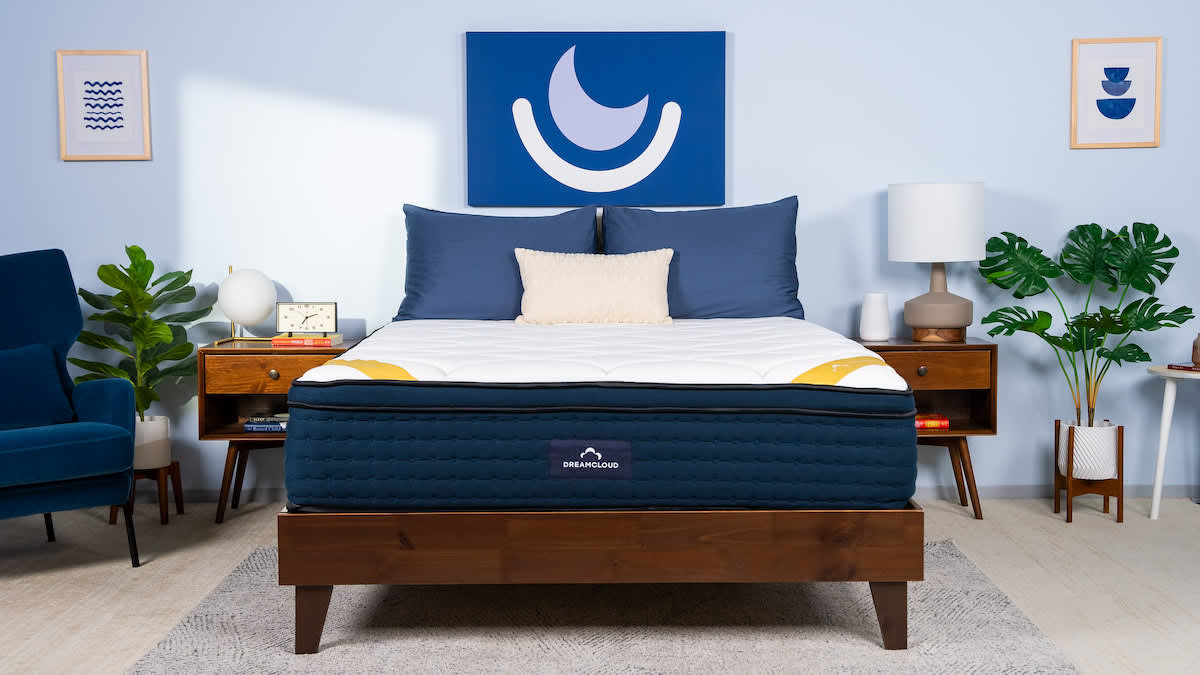
The DreamCloud Premier Memory Foam Mattress offers excellent contouring, with a medium firm (6) feel that makes it a touch firmer than some of the other all-foam beds we’ve tested. It’s a good fit for people who need the best of both worlds when it comes to cushioning and sturdiness.
Ideal forCouples
FirmnessMedium Firm (6)
FeelDeeply Contouring Memory Foam
ValueGreat Value
Pros
Strong motion isolation is ideal for couples
365-night sleep trial
Cons
Foam is prone to heat retention
Some sleepers may notice slight off-gassing smell at first
Side Sleepers
Under 130 lbs
8.0/10
130-230 lbs
7.5/10
Above 230 lbs
6.0/10
Back Sleepers
Under 130 lbs
/10
130-230 lbs
6.5/10
Above 230 lbs
6.0/10
Stomach Sleepers
Under 130 lbs
7.0/10
130-230 lbs
6.0/10
Above 230 lbs
5.0/10
“The DreamCloud Premier has a plush initial feel, but it’s actually a bit firmer than some of my other top picks. Overall, it felt really balanced and stable without causing any painful impact with my joints.” –Garen Glazier, Product Testing Team Member
The DreamCloud Premier Memory Foam Mattress has a soft and breathable cashmere blend cover quilted with polyfoam and memory foam layers, creating a plush feel on the surface. Underneath is a layer of memory foam that softens and conforms closely to your body, followed by a firmer polyfoam layer that prevents too much sinkage. A thick support core made of high-density polyfoam stabilizes the entire bed. Note that the mattress also comes in a hybrid version if you prefer the enhanced support of coils.
Why We Like It
The DreamCloud Premier Memory Foam Mattress is an all-foam model that delivers strong cushioning without sacrificing support. It’s an optimal choice for sleepers who enjoy deep cradling for sensitive joints but find competing foam beds too soft.
Standout Feature
A standout feature of this medium firm (6) mattress is the strong pressure relief, which we credit to the cushioned, quilted surface.
The Saatva Rx is one of the only mainstream mattresses specifically designed for people with chronic or frequent back pain. Plush foam layers cradle your body to alleviate aches and soreness in the lumbar region, while sturdy coils create a stable base layer without making the mattress feel overly stiff.
Ideal forLightweight Side Sleepers
FirmnessMedium Soft (4)
FeelClose-Conforming Foam
ValueFair Value
Pros
Dense lumbar pad alleviates pain and pressure in the lower back
Foam-tipped coils minimize motion transfer to prevent sleep disturbances for couples
All orders include a 365-night trial and free White Glove delivery
Cons
Most back and stomach sleepers will find the mattress too soft
Sticker price is much more expensive than average
Side Sleepers
Under 130 lbs
8.5/10
130-230 lbs
8.0/10
Above 230 lbs
8.5/10
Back Sleepers
Under 130 lbs
7.5/10
130-230 lbs
7.0/10
Above 230 lbs
7.5/10
Stomach Sleepers
Under 130 lbs
7.5/10
130-230 lbs
7.0/10
Above 230 lbs
7.5/10
“I often deal with pain around my lumbar area, and that wasn’t an issue on the Saatva Rx. It has extra lumbar cushioning, and its materials adapt to your body to keep excess tension from building up in your spine while you sleep.” –David Rubin, Director of Product Testing
The Rx’s comfort system begins with a dense memory foam pad located beneath your lumbar region to cushion your lower back. A thick polyfoam layer and microcoil transitional layer add to the plush surface feel. You’ll notice deep cradling as your body settles into the mattress and these materials adapt to your unique curves.
Why We Like It
The Saatva Rx is one of the plushest, most adaptive hybrids on the market today. A medium soft (4) feel and thick foam layers ensure a deep cradle for your body, while a memory foam lumbar pad and multi-zone coils provide gentle pushback in areas prone to sharp pressure points. The price-point is somewhat high for a hybrid, but if you’re losing sleep due to upper or lower back pain, this may be worth the investment.
Standout Feature
Since the Rx is so soft, it earned high marks for motion isolation and pressure relief – two testing categories where hybrids often underperform. At the same time, edge support is somewhat lacking and the surface may sink when you move on the mattress. Our team didn’t notice excessive heat retention, but the mattress sleeps warmer than most competing hybrids despite steady airflow through both coil layers.
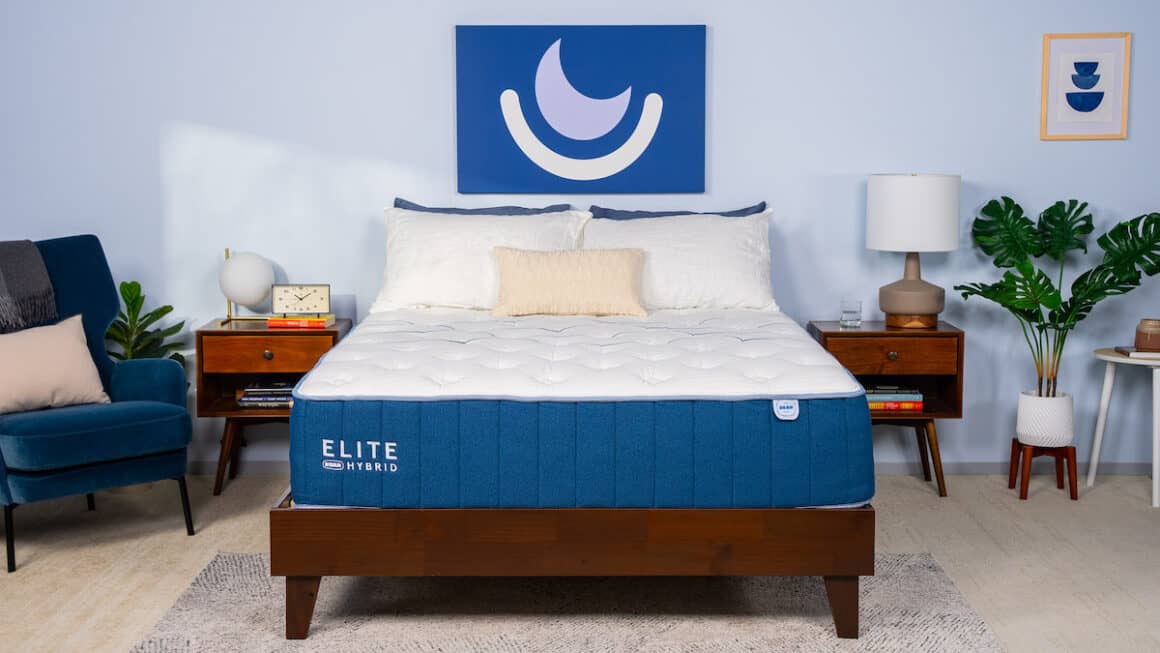
The Bear Elite Hybrid combines adaptive memory foam with multi-zone support layers, making it a solid choice for side sleepers who need extra cushioning for their shoulders and hips without too much hug. Three firmness levels allow you to choose the best option based on your body type.
Ideal forPeople With Back Pain
FirmnessMedium (5), Medium Firm (6), Firm (8)
FeelPlush, Supportive Surface
ValueGood Value
Pros
Zoned support layers push back against heavier areas of the body
Three firmness options to accommodate different types of sleepers
Cooling materials help the surface maintain a comfortable temperature
Cons
Strong off-gassing for the first few nights
Limited options for people seeking an exceptionally soft mattress
Side Sleepers
Under 130 lbs
7.5/10
130-230 lbs
9.0/10
Above 230 lbs
7.5/10
Back Sleepers
Under 130 lbs
7.0/10
130-230 lbs
8.5/10
Above 230 lbs
7.0/10
Stomach Sleepers
Under 130 lbs
5.5/10
130-230 lbs
7.0/10
Above 230 lbs
5.5/10
“I find it really comfortable to be lightly hugged by my mattress, but I don’t want to feel like it’s sagging underneath me. Thankfully, the Bear Elite Hybrid struck a near-perfect balance between cushioning and pushback.” –Garen Glazier, Product Testing Team Member
Despite their similar designs, you’ll notice a distinct balance of cushioning and pushback on all three of the Bear Elite Hybrid’s firmness levels. The medium design provides close contouring, the firm feels quite robust, and the medium firm is a nice compromise between the other two. Since the transitional polyfoam and pocketed coil layers feel firmer around the midsection, people with extra weight in their torsos and hips should feel comfortable and properly supported on the medium firm or firm designs.
Why We Like It
As many side sleepers know, this position leaves them vulnerable to back pain — and the wrong mattress can make this issue even worse. Bear’s Elite Hybrid offers a design that’s both adaptive and sturdy, with a surface layer that contours evenly and zoned construction in the transitional foam and pocketed coils. You can choose from medium (5), medium firm (6), and firm (8) designs based on how much you weigh and your preferred cushioning level.
Standout Feature
We found that the Elite Hybrid excels at temperature control. This can be attributed to a phase change cover that dissipates heat on contact, breathable foams in the comfort system, and steady airflow throughout the coil system. Couples seeking a mattress that isolates motion well should opt for the medium model, whereas the medium firm and firm mattresses performed better in categories like edge support and ease of movement.
The high-profile Nolah Evolution 15 is built with thick foam layers over multi-zone coils, ensuring a comfy balance of cushioning, support, and pushback for your entire body. Three firmness options allow you to further tailor the mattress to your body type, sleep position, and personal preferences.
Ideal forMost Sleepers
FirmnessMedium (5), Medium Firm (6), Firm (8)
FeelPlush, Supportive
ValueGood Value
Pros
Thick foam layers conform to the body without sinking too deeply
Zoned coils provide extra bounce and reinforcement around the midsection
Available in three firmness levels to accommodate different sleeper types
Cons
Returns incur a $99 fee
Thick profile requires a fitted sheet with deep elastic pockets
Side Sleepers
Under 130 lbs
8.0/10
130-230 lbs
9.5/10
Above 230 lbs
8.0/10
Back Sleepers
Under 130 lbs
7.5/10
130-230 lbs
9.0/10
Above 230 lbs
7.5/10
Stomach Sleepers
Under 130 lbs
6.0/10
130-230 lbs
7.5/10
Above 230 lbs
6.0/10
"The Nolah Evolution doesn't hug you as closely as a mattress with memory foam – for many of us on the testing team, that's a good thing. You'll feel a gentle contour around areas that exert more weight on the sleep surface, but sinkage shouldn't be a problem as long as you choose the best firmness for you." –David Rubin, Director of Product Testing
Proper alignment and pressure relief go hand in hand, so a mattress that keeps your head, neck, shoulders, and lower back aligned is your best bet for alleviating aches and soreness in your most sensitive areas. With the Nolah Evolution 15, you can choose from three firmness levels. All of these options feature dense foam layers and zoned coils to ensure you feel properly cushioned and supported from head to toe.
Why We Like It
Temperature control is a major strength of the Nolah Evolution 15. All foam layers share the same breathable, open-cell composition, and air flows freely through the coil system to maintain a comfortable interior temperature. We also enjoyed the gentle contour of this mattress. The foam layers mold to your body to align your spine and soothe sore spots, but you should never feel like you're sinking too deeply into the mattress – especially if you choose a firmness that aligns with your personal needs.
Standout Feature
The Evolution 15 is available in medium (5), medium firm (6), and firm (8) designs. All three feature comfort systems with four layers of adaptive polyfoam. Each layer is progressively denser from top to bottom, so you'll feel some plushness on the surface when you get into bed and gentle pushback as your body settles. Multi-zone pocketed coils make up the support core, ensuring extra reinforcement for your shoulders, lower back, and hips.
Brooklyn Bedding’s Plank Firm is a flippable all-foam mattress with firm (7) and extra firm (9) sides. Both surfaces provide excellent support, especially for people who weigh more than 230 pounds and tend to sink too much on softer foam mattresses.
Ideal forHot Sleepers
FirmnessFirm (7), Extra Firm (9)
FeelSupportive Foam
ValueGreat Value
Pros
Exceptionally firm and supportive on each side
Provides sturdy pushback for back and stomach sleepers over 230 pounds
Both sides sleep quite cool
Cons
Neither side is soft enough for most side sleepers and people under 130 pounds
Subpar motion isolation due to the highly responsive surface
Side Sleepers
Under 130 lbs
4.5/10
130-230 lbs
6.5/10
Above 230 lbs
8.0/10
Back Sleepers
Under 130 lbs
4.5/10
130-230 lbs
6.5/10
Above 230 lbs
8.0/10
Stomach Sleepers
Under 130 lbs
5.0/10
130-230 lbs
7.0/10
Above 230 lbs
8.5/10
“If you’re looking for firmness, the Plank Firm is just the ticket. It’s reversible, so you can use either side. For me, the firm side felt good, but the extra firm side was much too hard. But the beauty of this mattress is that you can choose whichever side feels best for your back on any given night.” –Garen Glazier, Product Testing Team Member
Back and stomach sleepers who weigh more than 230 pounds need extra reinforcement from their mattress compared with other sleeper types. The Plank Firm by Brooklyn Bedding is one of the firmest mattresses we’ve tested in our lab.
Why We Like It
This flippable all-foam model features two sleep surfaces: one that’s firm (7) and another that’s extra firm (9). A layer of high-density polyfoam sandwiched between the comfort systems acts as a support core for both sides.
Standout Feature
Since very little sinkage occurs on either side, the budget-friendly Plank Firm sleeps quite cool and earned high marks during our temperature control tests. Exceptionally hot sleepers can also order a panel of phase change material (PCM) to be sewn onto both sides of the mattress.
The Bryte Balance Signature is a smart airbed with adjustable firmness and data-tracking capabilities — but at the end of the day, it's also a comfy, pressure-relieving option for people with back pain. Individual air chambers become softer or firmer when pressure is detected, allowing you to sleep in any position without feeling any aches and pains in your most sensitive areas.
Ideal forCouples
FirmnessAdjustable: Soft (3) to Firm (8)
FeelClose-Conforming Foam
ValueFair Value
Pros
Customizable firmness with 100 individual settings
Built-in smart sensors adjust the feel to accommodate your movements and position changes
All orders include free White Glove delivery
Cons
Expensive sticker price will be a dealbreaker for some shoppers
Not sold in smaller sizes
Side Sleepers
Under 130 lbs
9.0/10
130-230 lbs
8.5/10
Above 230 lbs
8.0/10
Back Sleepers
Under 130 lbs
9.5/10
130-230 lbs
8.0/10
Above 230 lbs
7.0/10
Stomach Sleepers
Under 130 lbs
8.5/10
130-230 lbs
7.5/10
Above 230 lbs
6.5/10
"The Bryte Balance Signature is a really impressive showcase of modern sleep technology. There might be some sticker shock, but if you're having a tough time getting the sleep you need due to back pain, this smart bed equipped for automatic firmness adjustment could be worth the long-term investment." –David Rubin, Head of Product Testing
If you struggle with pain in specific areas of the upper or lower back, a standard mattress may not provide the targeted support and relief you need. The Bryte Balance Signature is a smart airbed engineered to automatically adjust its firmness based on the sleep position you're in, so you get cushioning when lying on your side and stronger pushback on your back and stomach. You can also program customized settings if you've nailed down a configuration that works for your entire body night after night.
Why We Like It
One of the most sophisticated mattresses on the market today, the Balance Signature is a step up from the average airbed thanks to its smart-driven automatic firmness adjustments. Each air chamber can be set to 100 different firmness levels, allowing you to pinpoint exactly how much cushioning you need for each area of your body in any sleep position. The Balance Signature's sensors also track sleep data and provide daily reports based on what you're doing right and measures you can take to improve your sleep even further.
Standout Feature
We've discussed the Balance Signature's smart capabilities at length, but the mattress itself boasts a solid design with two comfort layers of adaptive polyfoam. These materials conform to your figure, but not to the same "hugging" extent as memory foam, and you control how much contouring the mattress provides. Another notable feature is the relaxation mode, which consists of head-to-toe vibrations paired with a soothing audio program. This allows you to wind down and relieve tension after a hard day without leaving your bedroom.
What Should Someone With Back Pain Consider in a Mattress?
For people with back pain, the ideal mattress keeps the spine in even alignment from the head to the pelvis. To find the right mattress, consider your body type and sleeping position, as well as several performance factors that affect a mattress’ ability to ease pain.
Sleeping Position, Body Weight, and Mattress Firmness
Your sleeping position significantly influences the mattress features necessary to promote spinal alignment. Side sleepers typically need a softer surface that lets the shoulder and hip areas sink into the bed’s surface, while back and stomach sleepers usually benefit from firmer support to prevent arching in the lower back.
At the same time, body weight plays a major role in determining suitable mattress firmness. People under 130 pounds often prefer a softer mattress, those over 230 pounds typically benefit from firmer beds, and sleepers in between those weight ranges often find comfort in a mattress with a mid-range feel.
Mattress Material
A mattress’ construction and materials affect its ability to relieve pressure and ease pain. Common mattress types include foam, innerspring, hybrid, latex, and airbed.
Foam: Contours to the body; good for pressure relief
Innerspring: Old-school responsiveness with a thin comfort layer
Latex: Gently responsive and lightly contouring; often favored by back and stomach sleepers
Hybrid: Balances contouring with support; versatile for all positions
Airbed: Adjustable firmness for tailored back support
For back pain, we often recommend mattresses that strike a balance between contouring and support, such as one of the best hybrid mattresses featuring zoned support.
Zoned Support
Zoned support refers to mattresses that are constructed to provide varied firmness levels to different parts of the body. This feature can offer major benefits to sleepers with back pain, as it provides enhanced support to heavier areas like the midsection while allowing lighter areas to sink into the bed’s surface. Together, these zones can promote better spinal alignment and reduce stress on the back.
Pressure Relief
Pressure relief in mattresses involves the cushioning of pressure-prone areas to prevent discomfort and pain, particularly in the hips, shoulders, and lower back. Typically essential for those with back pain, effective pressure relief ensures a more comfortable sleep by minimizing stress on sensitive areas and promoting proper spinal alignment.
Is Your Mattress Making Your Back Pain Worse?
Your mattress may be causing or exacerbating back pain if it lacks the features needed to support your body weight and sleeping position. We’ve identified several signs that your mattress may be contributing to back pain:
You frequently wake up with back pain: If your back pain starts when you get out of bed or gets worse in the morning, it may be a signal that your mattress is to blame.
You no longer feel comfortable on your mattress: Another common sign of an unsupportive mattress is if you find yourself tossing and turning at night and have trouble finding a comfortable and pain-free position.
Your mattress has reached the end of its lifespan: If your mattress is over 7 to 10 years old, it may have reached the end of its lifespan. Old mattresses often sag in the middle and no longer support healthy spinal alignment.
How to Prevent Back Pain While Sleeping
Finding relief from nighttime back pain can take some experimenting, so you may want to start by creating a back-friendly evening routine. Make time for relaxation, spend up to 15 minutes before bedtime with a heating pad on low, and bring several extra pillows or rolled up blankets into bed for targeted support.
Try Sleeping in a Different Position
Finding a comfortable sleeping position can help reduce strain on the back. Experts often recommend sleeping on your back with a pillow under your knees or in the fetal position with a pillow between your knees. Avoid stomach sleeping if possible, which can increase pressure on the spine and may lead to back strain.
Boost Your Mattress’ Feel with a Topper
A mattress topper is a quick and easy way to change the feel of your bed. Depending on your needs, you can opt for a topper that adds cushioning to relieve pressure points or one that increases firmness for better spinal alignment.
Use a Pillow that Aligns Your Neck and Spine
Selecting the best pillow for back pain with the right loft can help maintain alignment between your neck and spine, thus improving sleep posture and potentially reducing pain. Side sleepers generally benefit from a thicker pillow, back sleepers often prefer a medium loft, and stomach sleepers usually need a pillow with minimal loft to avoid straining the neck and arching the spine.
Consider Speaking With Your Doctor
If back pain persists or consistently disrupts your sleep, consult a health care professional. They can offer personalized advice and treatment options tailored to the cause of your back pain.
Discover More Mattress Solutions
In addition to this curated guide to the best mattresses for back pain, our product testers selected beds that we think will help alleviate other issues that can interfere with quality sleep.
At the heart of our recommendations is a thorough, real-world testing methodology that we use to assess each mattress we review. We’ve honed our expertise over many years in the sleep product industry, learning everything we can along the way to help you find a mattress that feels comfortable and promotes healthy spinal alignment.
In testing mattresses for people with back pain, we paid close attention to factors like each bed’s construction and how well it balances support and pressure relief. Members of our testing team, who span a range of body types and sleep styles, helped us narrow down our picks to those that are best suited to different types of sleepers with back pain. We also consider what customers have chosen as the best-selling mattresses for back pain to confirm what works in the lab works at home.
Frequently Asked Questions
How does back pain affect sleep?
Back pain can disrupt sleep by making it difficult to find the right position, fall asleep, and sleep consistently through the night. For people with chronic back pain, trouble sleeping can make back pain worse, leading to a cycle where poor sleep exacerbates pain, which in turn further disrupts sleep.
How can you tell if your mattress is causing back pain?
Your mattress may be causing back pain if you toss and turn and can’t find a comfortable position, if you consistently wake up with soreness, or if your mattress is past its expected lifespan of 7 to 10 years.
Is a soft or firm mattress better for back pain?
The ideal mattress firmness for back pain depends on your sleeping position and body weight. In general, the less a person weighs, the more likely they are to benefit from a soft mattress, with firmness preferences increasing as body weight increases.
At the same time, side sleepers are more likely to receive the pressure relief they need from softer beds, while back sleepers typically require firmer pushback to keep the back and spine on an even plane. Stomach sleepers usually trend toward the firm end of the spectrum, since beds that are too soft can result in uncomfortable arching of the spine.
What is the best mattress type for back pain?
The best mattress type varies based on your individual needs and preferences. While several mattress types offer a good mix of cushioning and support, we’ve found that hybrids are often the best for back pain, as they combine the supportive properties of coils with the pressure relief of foam or latex layers.
What is the best sleeping position for back pain?
The best sleeping position for back pain is typically on your back or side, as both allow for proper spinal alignment in the right circumstances. Try sleeping on your back with a blanket rolled up under your knees or sleeping on your side with a pillow between your knees. Stomach sleeping is generally not recommended as it can trigger or exacerbate back pain.
David is a Certified Sleep Science Coach with a lifelong passion for well-being and health optimization. His interest in sleep developed with the arrival of his son, when sleep suddenly became a precious commodity. Since then, David has researched everything from bedtime routines to mattress toppers in his quest for a great night’s sleep.