Recovery is a critical component of any athlete’s training regimen, and the right bed can make a huge difference in sleep quality. We’ll explain what characteristics athletes should look for in a mattress and highlight which models performed well during testing in our sleep lab. We’ll also discuss which kinds of mattresses are best for athletes and what to look for when shopping.
Athletes with back issues may want to consider one of the best mattresses for back pain, which includes models that excel at easing discomfort. Our team also picked the overall best mattresses of 2025 and included options we think athletes will appreciate.
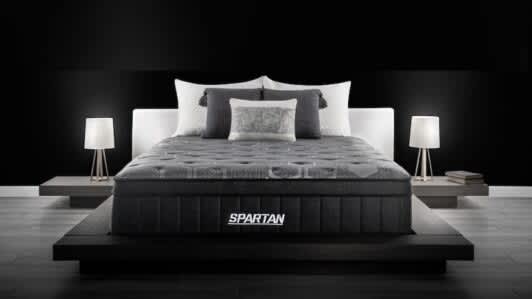
The Brooklyn Bedding Spartan Hybrid Essential is a thick hybrid mattress that offers an excellent balance of pressure relief and support. We found the construction caters to athletes by easing pressure off achy joints while maintaining strong spinal alignment.
Ideal forCombination Sleepers
FirmnessMedium (5)
FeelPlush, Supportive Surface
ValueGreat Value
Pros
Hybrid design and cooling technology help keep sleepers from overheating
Strong edge support makes it easier to get in and out of bed
Zoned support system relieves pressure while keeping the spine aligned
Cons
Foam comfort system doesn’t completely isolate motion
13-inch profile may require deep pocket sheets
Side Sleepers
Under 130 lbs
/10
130-230 lbs
/10
Above 230 lbs
/10
Back Sleepers
Under 130 lbs
/10
130-230 lbs
/10
Above 230 lbs
/10
Stomach Sleepers
Under 130 lbs
/10
130-230 lbs
/10
Above 230 lbs
/10
Why We Like It
The Brooklyn Bedding Spartan Hybrid Luxe consists of six layers, each designed for a comfortable, restorative sleep.
The Spartan Hybrid has a 13-inch profile and comes in three firmness levels. All three firmness options feature the same cover and upper comfort layer. The Smart Fabric Performance Cover integrates far infrared technology into its fibers, which is designed to transform body heat into recovery-aiding energy. The upper comfort layer consists of a 1.5-inch layer of proprietary CopperFlex, a highly responsive latex alternative foam infused with antimicrobial copper and a water-based TitanCool surface treatment — each of which are engineered to draw away heat from the sleeper.
In the Luxe Soft, the softest firmness option, the CopperFlex layer is followed by a 2-inch layer of soft TitanFlex, a proprietary latex alternative foam designed for responsive contouring. The model has a medium soft (4) feel, while the Luxe Medium has a medium firm (6) feel. Both models feature a 1-inch layer of cooling gel-swirl memory foam, which our testing team noticed provided very good pressure relief.
The Luxe Firm uses 1.5 inches of TitanFlex foam and replaces the gel-swirl memory foam with 1.5 inches of VariFlex transition foam for more support, giving it a firm (7) feel.
How Does It Feel?
All three versions of the Spartan Hybrid feature a support core consisting of individually wrapped coils. The 8-inch coils are zoned, delivering more support to the middle third of the mattress where most sleepers tend to carry the most weight. A .75-inch base of polyfoam creates a solid foundation.
We found the Spartan Hybrid Luxe excelled in several performance categories, including pressure point relief, temperature control, and durability. The Luxe Medium was a particular stand out in these categories, with the Luxe Soft surpassing it only in motion isolation.
The Luxe Firm rated well in ease of movement. Our back and stomach sleepers, particularly those over 130 pounds, favored this model. The Luxe Medium earned high marks from side sleepers weighing between 130 and 230 pounds as well as lighter back and stomach sleepers. Our side-sleeping testers under 130 pounds preferred the Luxe Soft.
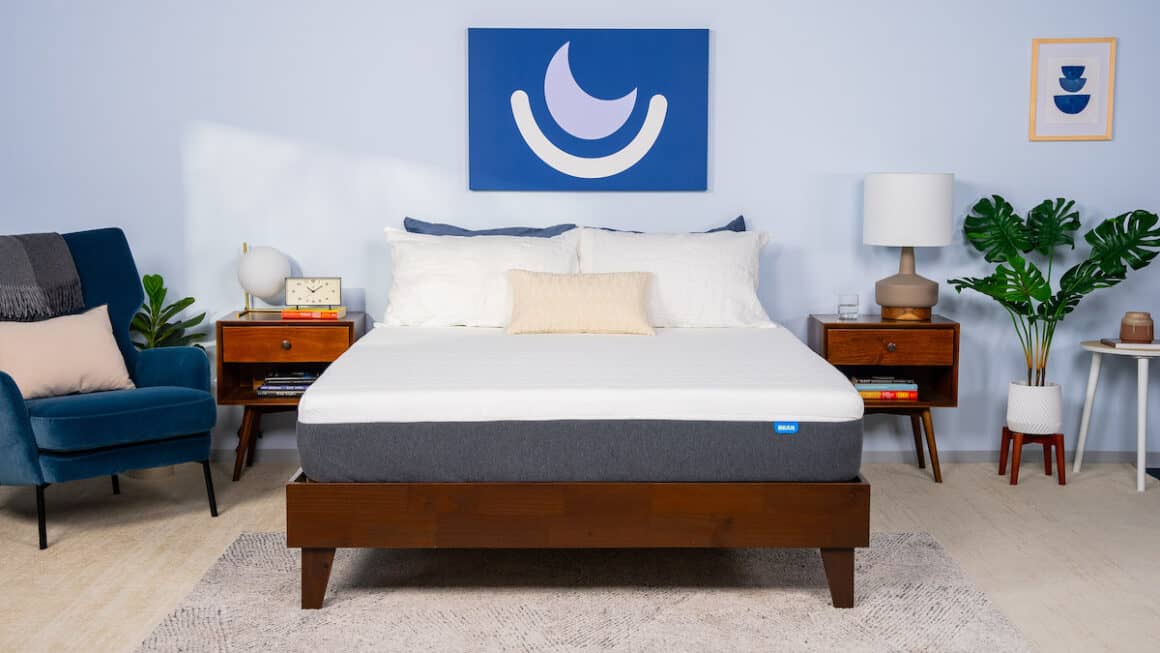
The Bear Original offers excellent contouring and pressure relief for sleepers with active lifestyles, but it stands apart from other all-foam models with a noticeably firmer feel. The price-point is also lower than average, which we think will appeal to shoppers on a budget.
Ideal forSide and Back Sleepers
FirmnessFirm (7)
FeelFirm pressure relief
ValueGreat Value
Pros
Excellent option for those who want a firm bed that also relieves pressure
Foam construction prevents motion transfer
Very competitive price-point
Cons
Edges compress significantly with weight
Doesn’t sleep particularly cool
Side Sleepers
Under 130 lbs
6.5/10
130-230 lbs
8.0/10
Above 230 lbs
6.5/10
Back Sleepers
Under 130 lbs
6.5/10
130-230 lbs
8.0/10
Above 230 lbs
6.5/10
Stomach Sleepers
Under 130 lbs
5.0/10
130-230 lbs
6.5/10
Above 230 lbs
5.0/10
Why We Like It
The Bear Original Mattress features three layers of open-cell, pressure-relieving foam as well as a cover designed to boost recovery for active individuals.
A layer of graphite gel memory foam gently contours the body and draws heat away from the sleeper. Our testers found the transitional layer of polyfoam provided responsive support while maintaining enough pushback to prevent sinkage. The mattress’ support core consists of high-density polyfoam, creating a durable foundation. Together, the layers give the mattress a firm (7) feel.
How Does It Feel?
Sleepers seeking added cooling properties in a mattress benefit from the cover’s Celliant technology. Natural minerals woven into the polyester-blend fibers absorb the body’s energy and reflect it back as infrared light. This process is engineered to boost tissue oxygenation, helping sleepers wake up with more energy.
During testing, our side sleepers weighing over 230 pounds found the Bear Original balanced the foam’s conforming capability with support, providing pressure relief while still keeping them on top of the mattress. Back sleepers over 130 pounds and stomach sleepers under 130 pounds also noticed the mattress maintained spinal alignment without sacrificing comfort.
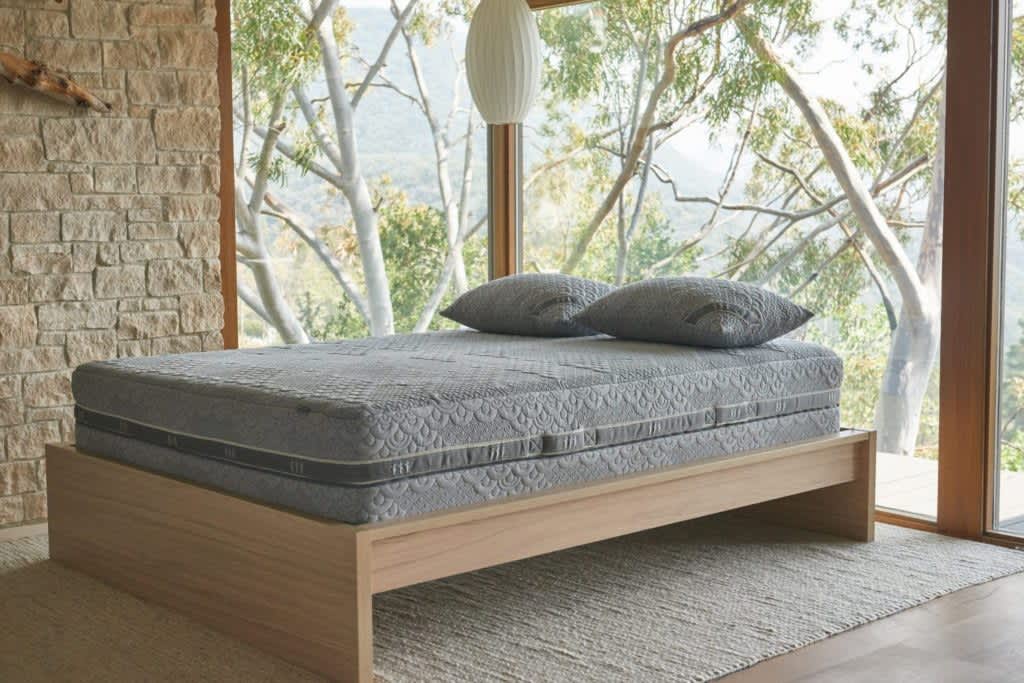
The Brentwood Home Crystal Cove is a hybrid mattress with a flippable design offering a different firmness level on each side. We found the unique construction makes this bed comfortable for an impressive range of sleepers across all body types and sleep positions.
Ideal forPeople With Back Pain
FirmnessMedium Soft (4), Medium Firm (6)
FeelPlush, Supportive Surface
ValueGood Value
Pros
Flippable design lets sleepers swap between medium soft and medium firm feels
Robust edge support gives sleepers plenty of space to sprawl out
Excellent ease of movement on the firmer side
Cons
Sleep surface is too conforming for stomach sleepers over 130 pounds
Neither side has enough support for people over 230 pounds
Side Sleepers
Under 130 lbs
6.5/10
130-230 lbs
7.5/10
Above 230 lbs
7.0/10
Back Sleepers
Under 130 lbs
6.0/10
130-230 lbs
7.0/10
Above 230 lbs
6.5/10
Stomach Sleepers
Under 130 lbs
6.5/10
130-230 lbs
7.5/10
Above 230 lbs
7.0/10
Why We Like It
Sleepers can select their preferred sleep surface with the Brentwood Home Crystal Cove Mattress’ flippable hybrid design. The mattress’ thoughtful construction and high-quality materials prioritize comfort and a restorative sleep for a wide range of sleeper types.
The medium soft (4) side of the mattress has an 1-inch upper layer of plush Flow Foam for deep contouring. This is followed by 2 inches of activated charcoal-infused memory foam designed to absorb toxins and provide responsive pressure point relief. The firmer side uses 2 inches of organic Dunlop latex in place of memory foam to achieve a medium firm (6) feel. Known for its responsiveness, latex reacts quickly to movement for lightly conforming support.
Our testers found the recycled 8-inch pocketed steel coils provided a strong core for both sides of the mattress. Zoned support through the middle third creates targeted pushback in the hips and torso regions. Reinforced coils along the perimeter of the mattress strengthened the edge, which we noticed offered support for testers across the entire surface.
How Does It Feel?
Our testing confirmed the Crystal Cove’s excellent edge support, especially on the firm side. The soft side excelled in pressure point relief, with the significant contour of the foam working best for lightweight side sleepers. Side and back sleepers in the average weight category preferred the lighter conforming of the firmer side, which also suited our stomach-sleeping testers under 230 pounds.
With two firmness options, charcoal-infused memory foam, and recycled steel coils, we found the Crystal Cove Mattress suited a wide range of sleepers looking for the balance of comfort and support hybrids provide.
The Loom & Leaf is an all-foam model with a more sophisticated design than other foam beds we’ve tested. The foam is zoned to enhance lumbar support, plus you can choose between a medium firm (6) or firm (8) transitional layer. It’s perfect for sleepers who enjoy firmer foam.
Ideal forSide Sleepers
FirmnessMedium Firm (6), Firm (8)
FeelPlush, Supportive Surface
ValueGood Value
Pros
Dedicated lumbar support system
Available in medium firm and firm feels
Memory foam closely conforms to the body’s shape to absorb impact and relieve pressure
Cons
Strong chemical-like smell when unboxed
Limited edge support
Side Sleepers
Under 130 lbs
7.0/10
130-230 lbs
8.5/10
Above 230 lbs
7.0/10
Back Sleepers
Under 130 lbs
7.0/10
130-230 lbs
8.5/10
Above 230 lbs
7.0/10
Stomach Sleepers
Under 130 lbs
5.5/10
130-230 lbs
7.0/10
Above 230 lbs
5.5/10
Why We Like It
With a 12-inch profile, the Loom & Leaf Mattress has six all-foam layers that combine plush comfort and excellent support.
A breathable organic cotton cover with Lumbar Zone Quilting combines two layers of foam in the middle third of the mattress for added spinal support. Our testing team found the gel-infused memory foam lumbar pad wicked away heat and provided additional contouring for the lower back and hips. An additional 2 inches of gel memory foam with microperforations creates pressure point relief while helping sleepers stay cool.
The final comfort layer is made up of 2.5 inches of high-density memory foam that provides deep contouring. A 2-inch transitional loft pad comes in two firmness options, allowing sleepers to choose between a medium firm (6) or firm (8) feel. A 5.5-inch polyfoam layer makes up the support core of the mattress, which our testers noticed added durability and prevented sinkage.
How Does It Feel?
Our side sleepers weighing between 130 and 230 pounds were particularly impressed with the medium firm version, noting its very good pressure point relief and motion isolation. Heavier side and back sleepers as well as stomach sleepers over 130 pounds preferred the firm version. Our testers liked that the mattress provided deep contouring while promoting spinal alignment.
We found the comfort layers provided support for an effective mix of contouring with responsive pushback, making the Loom & Leaf a good option for sleepers seeking a high-end mattress with multiple firmness options and a foam feel.
The all-foam design of the Nectar Mattress is perfect for cushioning your shoulders, hips, and other areas prone to painful pressure buildup. The above-average firmness helps support your lumbar region better than other foam models we’ve tested.
Ideal forSide Sleepers
FirmnessMedium Firm (6)
FeelClose-Conforming Foam
ValueGreat Value
Pros
Top-notch motion isolation thanks to thick foam layers
Competitive price-point
Blend of pressure relief and spinal support that excels for side and back sleepers under 230 pounds
Cons
Not ideal for sleepers who dislike a deeply contouring feel
Stomach sleepers over 230 pounds may need more support
Side Sleepers
Under 130 lbs
8.0/10
130-230 lbs
10.0/10
Above 230 lbs
6.0/10
Back Sleepers
Under 130 lbs
8.0/10
130-230 lbs
8.0/10
Above 230 lbs
6.0/10
Stomach Sleepers
Under 130 lbs
8.0/10
130-230 lbs
6.0/10
Above 230 lbs
6.0/10
Why We Like It
The Nectar Mattress’ medium firm (6) feel and all-foam construction offer pressure point relief and support that work especially well for side sleepers.
A quilted polyester-blend fabric in the cover incorporates cooling technology, which is designed to keep sleepers cool. Our testers noticed the 3-inch comfort layer of gel memory foam helped wick away heat and regulate temperature. Additionally, a 2-inch layer of polyfoam provides enough pushback to prevent sleepers from sinking too low into the mattress.
How Does It Feel?
Seven inches of polyfoam form the support core, creating a stable foundation for the upper layers. The lower cover is shift-resistant to keep your mattress in place.
Moderate contouring combined with slight pushback makes the Nectar a good option for a wide range of sleepers. In particular, our side-sleeping testers benefited from the mid-range comfort and support. They also cited the mattress’ noticeable pressure point relief, which provided some give around the shoulders, back, and hips.
With a balance of contouring and support, we found the Nectar’s foam layers offered excellent pressure point relief and temperature regulation, making it a particularly good fit for side sleepers who sleep hot.
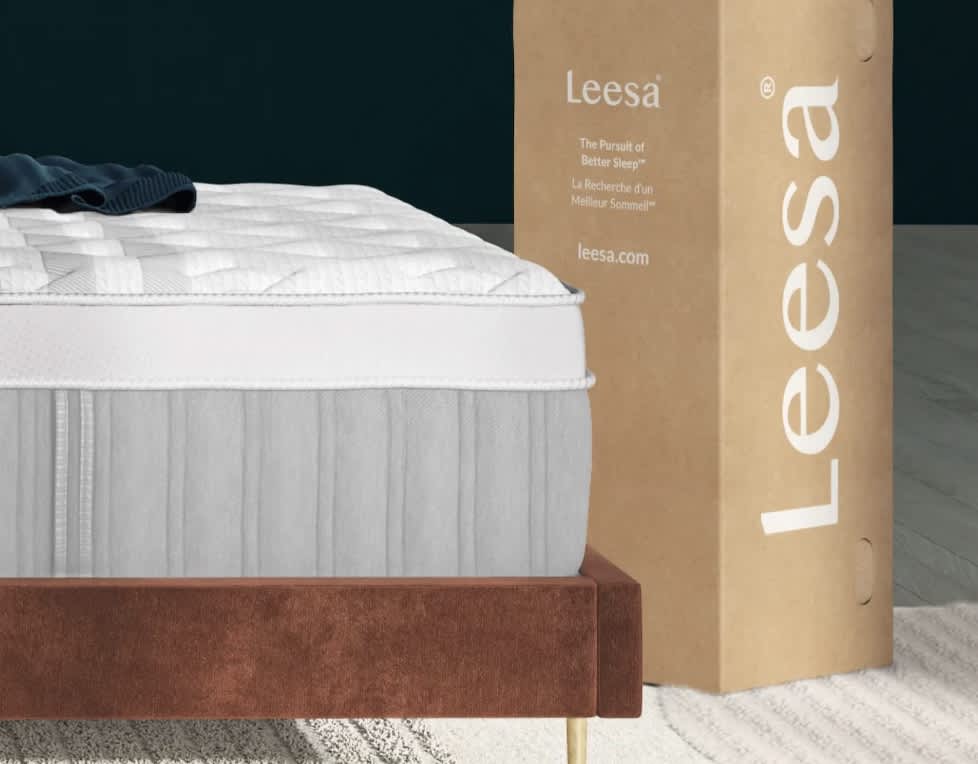
Thanks to its excellent cooling and temperature control, the Leesa Sapira Chill stands out from many other foam hybrids. Open-cell foams resist heat buildup to maintain a comfortable surface, while the coils promote plenty of airflow throughout the interior.
Ideal forCouples
FirmnessMedium (5), Medium Firm (6), Firm (7)
FeelCool, Plush Support
ValueGood Value
Pros
Deep cushioning with four individual foam layers
Zoned coils provide extra midsection support
Three firmness options
Cons
High-profile requires a deep-pocket fitted sheet
Strong initial off-gassing for up to 72 hours after delivery date
Side Sleepers
Under 130 lbs
8.0/10
130-230 lbs
9.5/10
Above 230 lbs
8.0/10
Back Sleepers
Under 130 lbs
7.5/10
130-230 lbs
9.0/10
Above 230 lbs
7.5/10
Stomach Sleepers
Under 130 lbs
6.0/10
130-230 lbs
7.5/10
Above 230 lbs
6.0/10
Why We Like It
The Leesa Sapira Chill Hybrid is available in three firmness levels. After testing all three, our team has determined the medium (5) design is a strong match for side sleepers up to 230 pounds. These sleepers can benefit from extra cushioning around the shoulders and hips. Side sleepers over 230 pounds and back and stomach sleepers up to 230 pounds should consider the firm (7) model for its ultra-supportive build. Anyone seeking a balance of contouring and reinforcement will probably prefer the medium firm (6), which earned the highest ratings across different team members.
Since the Sapira Chill contains more than 5 inches of foam padding, it isolates motion and alleviates pressure better than many of the other hybrids we've tested – and does so without sacrificing temperature control. We were also impressed with how supportive the mattress felt, especially beneath our midsections and along the perimeter coils.
How Does It Feel?
The combination of adaptive polyfoam and memory foam creates a nice balance of cushioning and responsiveness in the comfort system. Regardless of which firmness you choose, the Leesa Sapira Chill Hybrid feels very balanced and well-rounded. The comfort layers soothe your sore spots and pressure points, while dense transitional foam and three-zone pocketed coils push back against your weight and deliver targeted support for your torso and hips.
The foam layers all have an open-cell composition, meaning they won't trap heat to the same extent as traditional memory foam. This helps to ensure a cool, comfortable night's rest. One thing to keep in mind is that the Sapira Chill measures 14 inches thick, meaning you'll need to use a fitted sheet with deep elastic pockets – this may involve an extra purchase on your part.
Many athletes tend to gravitate towards mattress models designed with recovery in mind. Features like cooling technology to prevent heat retention and memory foam comfort layers to relieve pressure buildup are especially appreciated by athletes looking to get quality rest so they can perform their best.
What to Consider in a Mattress for Athletes
Mattress shopping for an athlete starts with narrowing your search down to essential needs and then expanding into qualities you may want. We suggest focusing first on construction type, firmness level, size, and overall feel.
Mattress Type
Mattress components and configurations vary widely. However, most models fall within one of the five most popular mattress types.
Foam: Foam mattresses can be excellent for athletes who experience pressure points or joint pain. They can include polyfoam, memory foam, or both, and they typically provide deep cushioning and a hugging sensation.
Innerspring/Hybrid: Innerspring and hybrid mattresses both have responsive support cores made from coils. They generally have significant pushback, plenty of structure, and often sleep cool. While traditional innerspring models have just a thin layer of padding atop the coils, hybrids generally have thicker comfort layers made from foam, latex, microcoils, or other cushioning materials.
Latex: Made from rubber tree sap, natural latex has a buoyant feel. It’s an excellent pressure reliever and is one of the most durable mattress materials. Athletes who weigh more than 230 pounds and those needing pressure relief without significant compression may enjoy a latex mattress.
Airbed: An airbed has an air chamber support core that lets you change the bed’s firmness level with a remote control or app. While expensive, airbeds are highly versatile and worthwhile for athletes who want to adjust their bed’s feel to match their training and recovery needs.
Pressure Relief
Pressure-relieving mattresses adapt to the sleeper’s unique shape. Materials like memory foam, polyfoam, and latex absorb impact and help distribute weight, which minimizes how much pressure builds up beneath heavier areas like the hips, shoulders, and midsection. A pressure-relieving mattress may help alleviate athletes’ sore muscles and joints while encouraging recovery.
Cooling Technology
If you’ve already generated heat through a workout, going to sleep on a hot mattress can be uncomfortable. Athletes can avoid this by seeking out temperature-regulating mattresses and materials that promote cooling.
Hybrid, innerspring, and latex mattresses generally sleep cooler than all-foam models. However, some foams use materials designed to combat this issue.
Certain cooling features like Celliant fiber and phase change material are engineered to absorb and disperse the body’s heat. Gel and copper foam infusions are also designed to decrease heat retention.
How to Choose the Right Firmness Level for Athletes
Although some mattress manufacturers may want you to think otherwise, there is no one perfect firmness level that works for everyone. Body weight and sleeping position affect how much structure you need to keep your spine properly supported.
Side sleepers tend to prefer softer mattresses that cushion their hips and shoulders. Stomach sleepers generally need firmer support to keep the midsection on an even plane, while back sleepers often like a mid-range feel.
Body weight is also important to consider because weight affects how deeply you compress a mattress. For athletes, it’s especially critical to get a mattress that matches their weight and sleeper type. One that’s too soft can allow the spine to become misaligned, placing strain on the lower back and neck. A model that’s too firm won’t provide enough cushioning to prevent pressure points from developing.
We use a 10-point scale to measure mattress firmness. The lower the number, the softer a mattress feels. While your individual needs may vary, we’ve found that the following comfort preferences tend to be popular.
Improving your sleep quality takes attention and dedication. Even small, incremental steps toward better sleep can make a significant difference.
Practice Good Sleep Hygiene
Creating good bedtime habits can improve your sleep hygiene and may result in longer and better sleep. Best practices include:
Sticking to a consistent schedule and regular bedtime routine
Avoiding electronic devices before bed
Not drinking caffeine late in the day
Abstaining from alcohol before bed
Winding down by doing yoga, reading, or listening to calming music
Upgrade Your Bedding
Swapping out your existing bedding for a more comfortable and cozy setup is an easy fix if you want a more inviting sleep environment. Hot sleepers can opt for sheets and blankets made from breathable materials like cotton, linen, or bamboo-derived fabrics. Investing in sheets with a different weave is also an easy way to change your bed’s feel.
Invest in a Supportive Topper
If you want to adjust the feel of your sleep surface but aren’t ready to buy a new mattress, you can try a mattress topper. Toppers can be quite affordable and come in a range of materials, including foam, latex, and wool.
Athletes looking to change their mattress’ firmness level can use a topper that’s firmer or softer than their current bed. Toppers with zoned comfort systems may promote spinal alignment and alleviate pressure points, which are often important factors for athletes.
Use Pillows for Added Support
Athletes may find increased support and comfort by using pillows strategically and according to their sleep position and body type. A long body pillow is an excellent option for side sleepers who want to take pressure off their hips and knees, while a thin pillow under the midsection can prevent a stomach sleeper’s spine from curving.
Video: How Sleep Affects Performance
Watch as the Sleep Doctor explores what it means to sleep well and the physical and mental upsides of sleep.
Discover More Mattress Solutions
In this guide, we aimed for a broad selection of top mattress picks geared toward athletes with varying sleep needs. If you’ve decided which style of mattress you want but need more options, check out our testing team’s picks organized by mattress type.
Our team has testers representing every weight group and sleeper type. In addition to trying each mattress in person to get our testers’ subjective takes, we also put them through the same series of tests to see how they compare.
To choose the best mattresses for athletes, we paid special attention to performance factors like the ability to effectively relieve pressure, regulate temperature, and support the spine.
Frequently Asked Questions
Are memory foam mattresses good for athletes?
A memory foam mattress may be a good choice for an athlete seeking deep cushioning and pressure point prevention. Memory foam hugs the body and molds to its unique shape, which helps to absorb impact on joints and muscles. A heavier athlete may prefer a bed with a firmer feel and coil-based support, such as one of the best hybrid mattresses.
Are firm mattresses better for athletes?
For athletes who weigh over 230 pounds, a firm mattress is typically a better choice than a soft model, though this isn’t a hard and fast rule. How much you weigh, your favorite sleeping position, and your personal preferences all affect which firmness level you should choose.
How much sleep do athletes need?
Experts recommend that adults should get at least seven hours of sleepper night. Certain athletes may need more sleep, though. A study involving elite athletes across a variety of physically demanding sports — including basketball, soccer, swimming, and cycling — showed that the athletes required an average of eight to nine hours of sleep to feel rested.
What is the best mattress size for athletes?
The best mattress size for an athlete depends on their height, weight, and bedroom size. Space permitting, taller athletes may prefer a California king mattress, which is 4 inches longer than a queen or a king. Athletes over 230 pounds may like a mattress that’s at least 10 inches thick so that they don’t sink through the comfort layers and feel the underlying support core.
Garen is a health and lifestyle content creator. She realized the importance of sleep when her children made getting a good night's rest more challenging. Garen is always learning something new about the wide world of sleep and sleep products. Married with two girls, ages 7 and 11, she is a book nerd and a lover of pop music, travel, and the Pacific Northwest.