If you breathe through your mouth while you sleep, your CPAP mask choice can have a big impact on your therapy's effectiveness and your overall sleep quality. Masks that aren’t designed for mouth breathing can lead to air leaks, mouth dryness, and disrupted therapy, while the right option can help deliver consistent pressure and improve overall CPAP success.
Below, we’ll share our recommendations for the best CPAP masks for mouth breathing and discuss what to look for when choosing a CPAP mask, from device compatibility to comfort, special features, and personal preference.
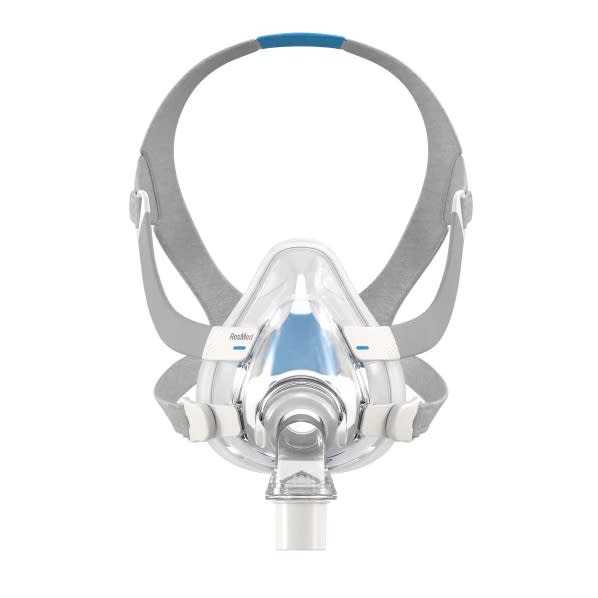
The ResMed AirFit F20 Full Face CPAP Mask is designed to fit a wide variety of face sizes and shapes.
Price$155
Cushion materialSilicone
SizeStandard (small, medium, and large) and For Her (small and medium)
Pros
InfinitySeal cushions engineered to provide a better seal around the nose
Quiet airflow
Ergonomic design with space for glasses and a ponytail
Cons
For Her version only available in small or medium sizes
Magnets may cause unsafe interactions with pacemakers and implanted medical devices
The ResMed AirFit F20 Full Face CPAP Mask's standard version comes in small, medium, and large sizes, while the “For Her” line has lavender-colored accents instead of blue and is available in small or medium sizes.
The AirFit F20 is a full-face mask with sturdy headgear that’s designed to keep the mask securely in place. It also features ResMed’s QuietAir vent technology that’s engineered to reduce noise from exhaled air.
Added touches in the AirFit F20 improve usability. For example, the padded frame rests below the eyeline so it doesn’t interfere with vision, and it’s made to be flexible to accommodate different profiles. The air vent is constructed to temper airflow and noise.
The frame system includes a cushion, soft sleeves, and a quick-release elbow attachment. The accompanying headgear is well suited to those with longer hair, as it leaves a gap in the back for a ponytail. The silicone cushions are designed for a snug seal, and the system incorporates magnetic clips to help attach the frame to the headgear.
Disclaimer: In November 2023, ResMed issued a safety notice cautioning that the magnetic clips on this model and other ResMed masks should be kept at least 6 inches away from any implanted medical device that may be affected by magnets, including pacemakers and insulin pumps. The company also warns that other metallic implants such as valves, stents, and certain dental implants may be impacted by the magnetic clips.
Best for Active Sleepers
Fisher & Paykel Vitera Full Face CPAP Mask with Headgear
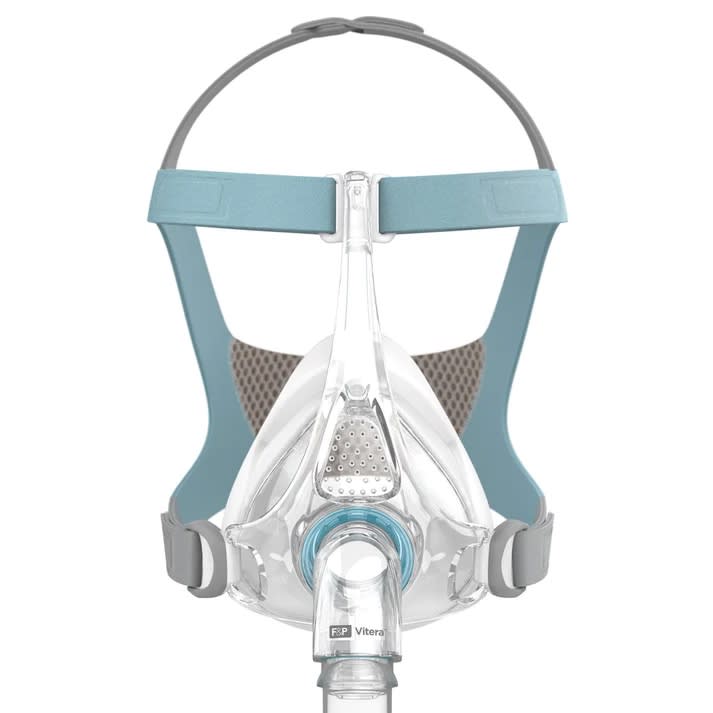
The Fisher & Paykel Vitera Full Face Mask includes a stability bar that runs from the forehead to the mouth, adding extra contact points to prevent unintentional mask leaks.
Price$149
Cushion materialSilicone
SizeSmall, medium, and large
Pros
Stability bar and adaptable nasal bridge designed to reduce air leaks
Breathable mesh headgear cover
F&P myMask App helps guide mask setup and cleaning
Cons
Stability bar may feel restrictive
Elbow cannot be removed from frame
The Fisher & Paykel Vitera Full Face Mask includes a stability bar that runs from the forehead to the mouth, adding extra contact points to prevent unintentional mask leaks. Along with the adaptable nasal bridge, this design helps maintain a secure seal over the mouth and nose even when switching sleeping positions.
The Fisher & Paykel Vitera Full Face Mask is suitable for use with operating pressures between 4 and 30 centimeters of water pressure (cm H2O).The mask has a companion smartphone app to help you set up your mask and provide cleaning and maintenance directions.
The shape of the seal is engineered to reduce uncomfortable air leakage toward the eyes. The Vitera is also magnet-free, making it suitable for people with pacemakers or other implanted devices.
A breathable mesh material covers the headgear, reducing heat and perspiration buildup for a more comfortable sleep. The headgear can be adjusted for your face shape and features a removable forehead clip and blue color cues for ease of use.
Best Memory Foam
ResMed AirTouch F20 Full Face CPAP Mask with Headgear
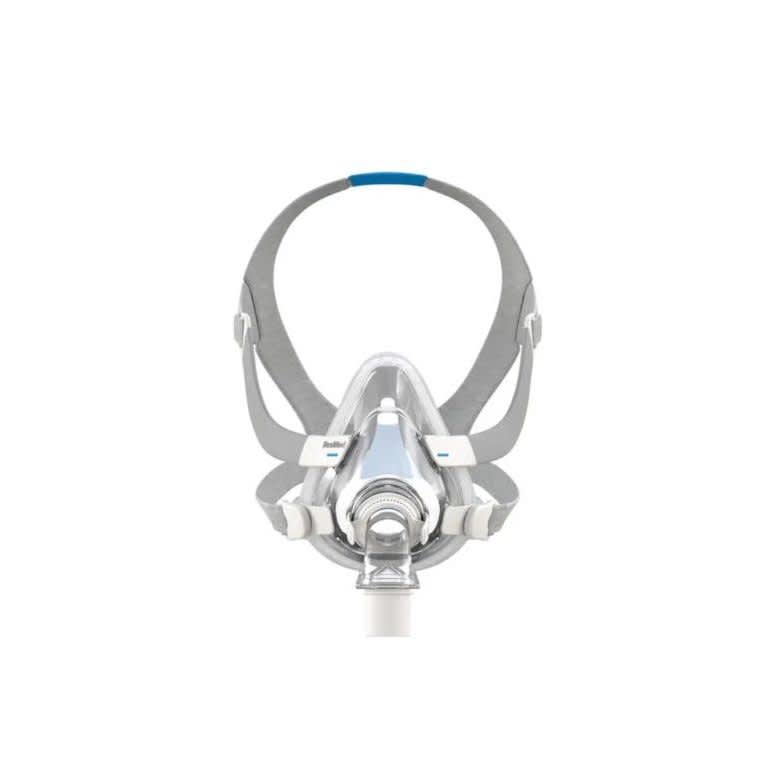
Made with contouring memory foam and featuring a quick-release elbow as well as magnetic clips, the ResMed AirTouch F20 Full Face CPAP Mask is designed for comfort and ease of use.
Price$159
Cushion MaterialMemory foam
SizeStandard (small, medium, and large) and For Her (small and medium)
Pros
Sleek and unobtrusive profile covers the mouth and nose
Quick-release elbow allows mobility without taking off the mask
Memory foam adapts its shape to individual users
Cons
Mask cushions can’t get wet and need replacing monthly
Mask contains magnets, which may not be compatible with implanted devices such as pacemakers
Made with contouring memory foam and featuring a quick-release elbow as well as magnetic clips, the ResMed AirTouch F20 Full Face CPAP Mask is designed for comfort and ease of use.
The AirTouch F20 Full Face Mask can be used with a variety of therapy pressures. In addition to leaving ample clearance for the eyes and forehead, the frame is modular, so you can tweak the cushions to optimize comfort.
The magnetic clips lock easily into place, and thanks to the quick-release elbow you can quickly disconnect from your CPAP tubing without needing to take off the mask itself during nighttime bathroom trips.
Memory foam is known for its moldability, and it’s included in this mask with the aim of making it more comfortable, improving the seal, and reducing mask marks. People with facial hair or sensitive skin may find memory foam more comfortable than silicone, and it doesn’t need washing and only needs to be wiped clean in the morning.
ResMed offers this mask in two colors: blue or lavender. The blue mask is available in small, medium, or large sizes, while the lavender mask comes in small or medium sizes.
Disclaimer: In November 2023, ResMed issued a safety notice cautioning that the magnetic clips on this model and other ResMed masks should be kept at least 6 inches away from any implanted medical device that may be affected by magnets, including pacemakers and insulin pumps. The company also warns that other metallic implants such as valves, stents, and certain dental implants may be impacted by the magnetic clips.
How We Make Our Picks
When we review CPAP machines and accessories, we use our team’s decades of medical and sleep health experience. The best CPAP masks for mouth breathers are models that we’ve vetted for compatibility, effectiveness, and comfort. We use real verified reviews, peer-reviewed data, and health professionals’ recommendations to determine whether or not to promote a model to our readers. For this review, we relied specifically on user data from people who breathe through their mouths, considering what they thought of a model during practical use.
The Best Type of CPAP Mask for Mouth Breathing
If you breathe through your mouth while sleeping, you’ll probably find that a full-face CPAP mask works best. With a nasal mask, the air delivered by the CPAP machine can escape through your mouth instead of working to keep your airway open. A full-face mask is typically better at preventing air leaks when mouth breathing.
Experts recommend giving nasal masks a try, as research shows they’re generally more effective and many people naturally transition to nose breathing after starting CPAP therapy.
A chin strap can reduce air leaks from mouth breathing while using a nasal mask. If nasal congestion makes it difficult to breathe through your nose, ask your doctor about nasal sprays, nasal strips and dilators, antihistamines, or a humidifier.
Mask Type
Description
Benefits
Drawbacks
Full-Face Mask
A full-face mask covers the mouth and nose. This design minimizes air leaks from the mouth and ensures that the CPAP airflow reaches the airway.
Reduces the chance of air leaks from the mouth
Can be used by people with nasal congestion
More restrictive
May not seal properly over facial hair
May need a higher pressure or be less effective
Nasal Mask
Most nasal masks run from the bridge of the nose to just above the mouth, though some nasal cradle models rest beneath the nose and seal against the nostrils.
Often more comfortable for side sleepers
Considered by experts to be the most effective design for CPAP therapy
May be less effective if you breathe through your mouth, unless you add a chin strap
Not as streamlined as a nasal pillow mask
Nasal Pillow Mask
Nasal pillow masks are more minimalist than nasal masks, with soft inserts that seal just inside the nostrils.
More streamlined and better suited for people with facial hair
Less likely to become dislodged when switching positions
May require a chin strap if you breathe through your mouth
Direct airflow into the nostrils may feel uncomfortable, especially at higher pressures
We often recommend full-face masks to people who breathe through their mouths because they’re less likely to leak. Some people find their large size uncomfortable, but memory foam cushions and mask liners can help.
How to Choose a CPAP Mask if You Breathe Through Your Mouth
When choosing a CPAP mask for mouth breathing, look for one that fits comfortably and is compatible with your CPAP machine. You should also consider personal factors like sleeping position, budget, and whether you feel comfortable wearing a chin strap.
Size and Fit
A comfortable, well-fitting CPAP mask reduces unintentional air leaks and helps ensure you’re getting the most effective CPAP treatment. Each model has a slightly different design, so finding the right fit may involve some trial and error.
Chin Strap
A CPAP chin strap can help keep your mouth closed and prevent unwanted mouth leaks. You may need to switch to a full-face mask if you have significant nasal congestion, if air leaks continue after adding a chin strap, or if you find the chin strap uncomfortable.
Sleeping Position
Full-face masks work best for mouth breathing. However, these masks may cause unintentional mask leak for side and stomach sleepers. Some companies offer lower-profile full-face masks that are less restrictive. If you can’t sleep on your back, another alternative is to buy a nasal mask and add a chin strap.
Device Compatibility
CPAP mask manufacturers generally provide information about device compatibility. Depending on the manufacturer, you may need to purchase a mask from the same company that makes your CPAP machine. Check the specifications to confirm the mask works with your required pressure settings.
Price
Masks are a separate purchase on top of the cost of a CPAP machine, although they’re often covered by insurance. Full-face CPAP masks generally cost between $60 and $200, nasal masks between $50 and $175, and nasal pillow masks between $70 and $120. Replacement mask cushions typically run between $20 and $60.
Your sleeping position factors into what kind of mask you should get. Full-face masks can shift if you sleep on your side, so if that’s your preferred sleeping position and you breathe through your mouth, you may want to think about a nasal pillow and chin strap combination.
How to Buy a CPAP Mask
Buying a CPAP mask involves a few practical considerations beyond choosing the right design. Depending on where you shop and how you plan to pay, you may need a prescription, insurance approval, or specific documentation before you can make a purchase.
Is a Prescription Required for a CPAP Mask?
Although CPAP masks are purchased separately from the CPAP machine, you need a prescription to purchase the mask as well. Retailers usually ask for a copy of the prescription before selling the mask. Mask replacement parts, including cushions and headgear, are available without a prescription.
If you complete a home sleep test through Sleep Doctor, our team can help determine whether you need a prescription and guide you through next steps.
Does Health Insurance Cover the Cost of a CPAP Mask?
As part of CPAP therapy, the cost of purchasing a CPAP mask is at least partially covered by Medicare, Medicaid, and many private insurance plans. Note that many insurers have specific CPAP compliance requirements. For example, to remain eligible for Medicare coverage, you must demonstrate that the CPAP machine is helping you and that you use the device at least four hours per night on 70% of nights.
Where Can You Buy a CPAP Mask for Mouth Breathing?
CPAP masks are sold online and in physical stores. You may also be able to purchase a mask through your doctor or sleep specialist.
Sleep Doctor offers a curated selection of CPAP masks from leading manufacturers, with detailed product information to help you choose an option that works for mouth breathing. Shopping online through Sleep Doctor allows you to compare mask styles, check compatibility, and have your mask delivered directly to your home.
Frequently Asked Questions
Can you use a nasal CPAP mask if you breathe through your mouth?
While it’s possible to use a nasal CPAP mask if you breathe through your mouth, most people find full-face models to be the best CPAP mask type for mouth breathing. Nasal masks may be more susceptible to air leaks in this situation, particularly if you have a blocked or stuffy nose.
How do you keep your mouth closed when using a CPAP mask?
A chin strap can help anchor your mouth shut when using a nasal CPAP mask. Nasal strips or sprays can also clear up congestion, making the nose easier to breathe through. Taping your mouth shut is another option, but talk to your doctor first. If you’re using a full-face mask, it’s not necessary to keep your mouth closed.
Garen is a health and lifestyle content creator. She realized the importance of sleep when her children made getting a good night's rest more challenging. Garen is always learning something new about the wide world of sleep and sleep products. Married with two girls, ages 7 and 11, she is a book nerd and a lover of pop music, travel, and the Pacific Northwest.