Pillows play an important role in sleep quality. The right pillow helps maintain healthy spinal alignment, and different sleeper types require different types of pillows. Pillows come in a variety of styles and sizes and offer a range of features to suit a variety of sleeper types.
Cooling pillows are designed to reduce heat buildup by improving a pillow’s airflow and temperature neutrality. These pillows can be made from materials such as gel-infused memory foam, breathable fabrics, or phase change materials that trap and dissipate body heat. Cooling pillows can be especially helpful for sleepers who tend to overheat or experience night sweats.
We’ll explore the best cooling pillows in a variety of categories, including our top picks for comfort, luxury, side sleepers, neck pain, and pressure relief. We’ll also cover how cooling pillows work, the best pillows to relieve night sweats, and other tips for a comfortable night’s rest.
Cover MaterialsOutlast fabric with phase change material
Pros
Two firmness options provide choices for any sleep position
Cooling fabric designed to regulate temperature
OEKO-TEX 100 certification ensures pillow is free from harmful substances
Cons
Side and back sleepers
People looking for the feel of down without the heat retention
Sleepers who want easy maintenance
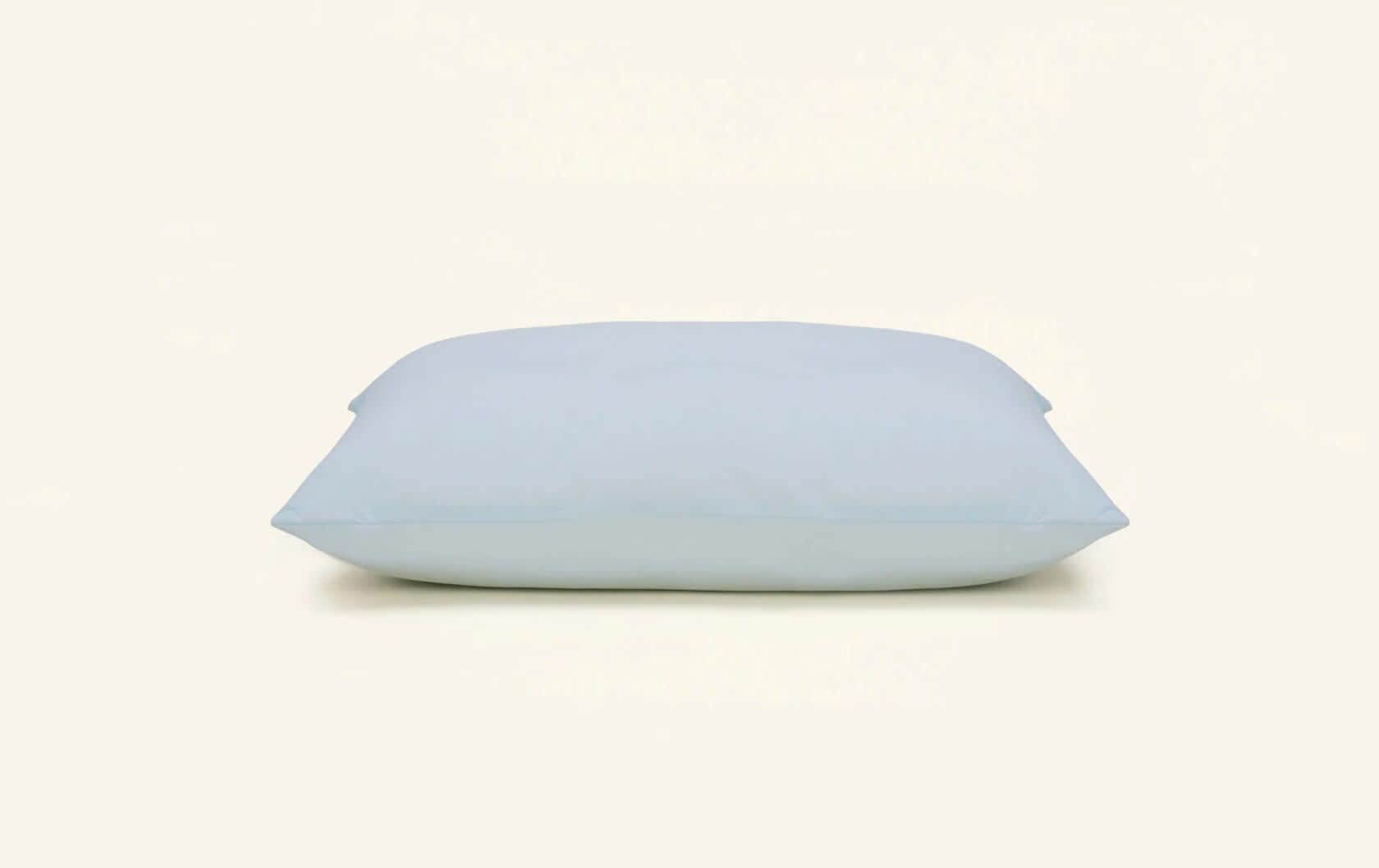
Slumber Cloud achieves an exceptional cool-to-the-touch pillow by combining their proprietary Outlast fabric and down alternative fiber fill. This pillow performed well across categories, earning high marks in moldability, temperature regulation, and ease of cleaning.
The Slumber Cloud UltraCool Pillow staves off heat from the inside out. The pillow contains polysilk down alternative fibers that imitate the feel of down without down’s tendency to trap heat. On the outside, the pillow boasts Slumber Cloud’s trademark Outlast fabric. The pillow is also OEKO-TEX Standard 100 certified, meaning it’s been tested for and does not contain a wide range of harmful substances.
The pillow is available in two firmness levels: medium soft and medium firm. The medium soft option is better suited for stomach sleepers who prefer a plush feel, while side and back sleepers benefit from the extra support from the medium firm model.
The Slumber Cloud UltraCool Pillow is available in standard and king sizes and is designed for easy cleaning. Slumber Cloud recommends washing the pillow using a mild detergent and cool water, then drying it on a delicate spin cycle with low heat. The purchase comes with free shipping and a 60-night trial.
Down alternative fill mimics the softness of real down
Available in two loft/firmness levels
Cover composed of smooth, moisture-wicking Tencel fabric
Cons
People with down allergies
Those who prefer to buy products that don't use animal-based materials
Budget shoppers
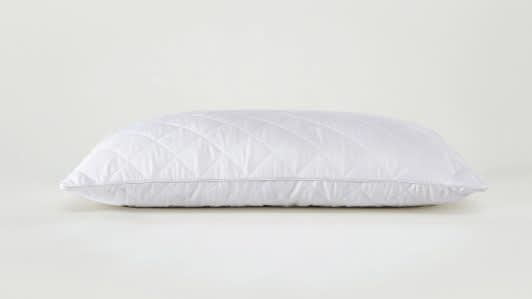
Sijo's FluffBase Eucalyptus Pillow offers excellent long-term value. Plush down alternative fibers encased in a breathable Tencel cover provide an excellent balance of cushioning and cooling, but the sticker price falls well below average compared to the competition. You can also choose from two density levels depending on whether you prefer sleeping on your side or your back.
The fill mimics real down in terms of softness and loftiness, but the fibers are 100% vegan and won't trigger allergy symptoms. They also absorb less heat than real down. You'll need to fluff somewhat frequently to maintain a full shape, but by the same token, the pillow is exceptionally moldable and can be reshaped to meet your needs.
The medium firm design is thicker and more supportive, making it best suited to side sleeping. If you're a back sleeper, we recommend the lower-profile medium soft pillow instead – it provides adequate support without elevating your neck too much and causing strain. Both designs excel at temperature control thanks in large part to the cover. Tencel is a eucalyptus-derived material prized for its breathability and moisture control.
Sleep Doctor offers reasonable flat-rate shipping fees for customers in the contiguous U.S. You may return the pillow unopened and unused within 60 days of the delivery date for a refund.
High-end materials offer a luxurious sleeping experience
Moisture-wicking fabric pulls sweat away from the body
Durable weave reduces pilling
Cons
Side sleepers
Sleepers interested in a soft yet durable luxury pillow
People shopping for a long-lasting pillow
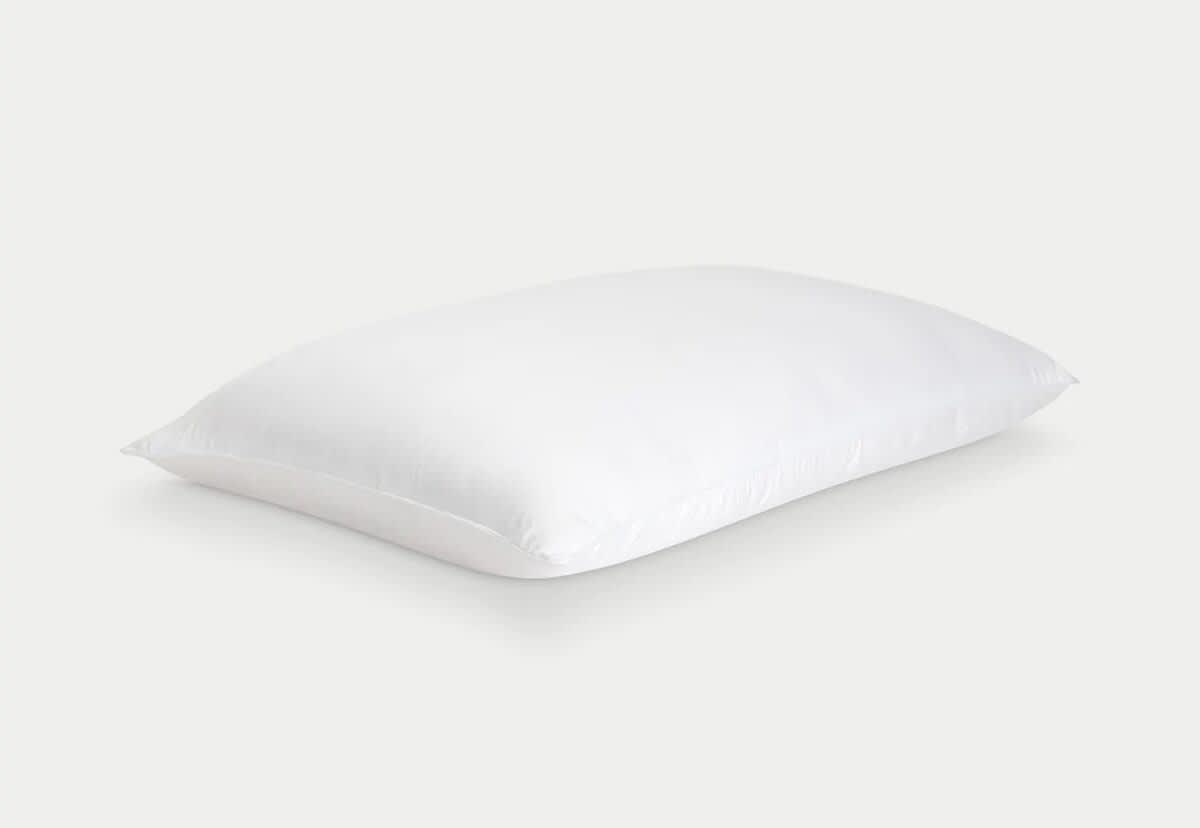
Cozy Earth’s luxurious combination of silk and bamboo viscose results in a plush and durable pillow that maintains its coolness throughout the night.
The Cozy Earth Silk Pillow is filled with long-strand mulberry silk, known for its plushness, longevity, and breathability. The pillow’s cover is composed of bamboo-derived viscose fabric, enabling the pillow to wick moisture and draw sweat away from the body. It also utilizes Cozy Earth’s enhanced weave to reduce pilling and increase the pillow’s lifespan.
During testing our team found that the Cozy Earth Silk Pillow’s medium soft feel was a good choice for any type of sleeper. However, we noticed it was especially comfortable for side sleepers who weigh less than 230 pounds and back sleepers less than 130 pounds. We also found that the pillow holds its shape exceptionally well and doesn’t flatten with use.
The Cozy Earth Silk Pillow includes free shipping and returns in the U.S. and is available in standard and king sizes. Cozy Earth offers a 100-night trial to test the pillow and a 10-year limited warranty.
Fill MaterialShredded, gel-infused memory foam and microfiber
FirmnessAdjustable
Price$109
Cover Materials60% polyester, 40% rayon from bamboo
Pros
Adjustable design lets you add/remove fill and change the loft
Three shape options to suit different sleep positions
Fully machine-washable for easy care
Cons
Strong off-gassing odors may be unpleasant for the first few nights
Pillow can be heavy and difficult to reposition if all of the fill is used
If you're in the market for a cooling pillow with adjustable loft and firmness levels, the Coop Sleep Goods Eden should check your various boxes. An upgraded version of Coop's Original Pillow, the Eden features a thick side gusset to maintain a thicker profile with extra cushioning for your head and neck. The fill is composed of shredded memory foam blended with down alternative fibers for a surface that contours closely and also feels supremely soft.
A breathable quilted cover encases the fill pouch. You can unzip the cover to access the pouch and add or remove the fill, which changes how soft or firm the pillow feels and also makes it thicker or thinner. This adjustability is key if you're a combination sleeper who needs a firmer feel and less loft for one position, and a softer feel with more loft for another.
Three shapes are available for the Eden. In addition to a standard rectangular design, you can also choose a crescent-shaped ergonomic option intended to provide optimal support for both side and back sleepers, and a specialized cutout shape meant specifically for side sleepers. There is a slight price difference between the shapes. You can also choose from queen and king sizes.
The entire pillow is machine-washable for easy cleaning. A reasonable sticker price also makes the Eden a solid pick for budget shoppers. Coop Sleep Goods offers free ground shipping for all orders within the contiguous U.S., and each purchase is backed by a generous 100-night sleep trial.
Fill MaterialShredded memory foam and kapok tree fiber blend
FirmnessAdjustable
Price$109
Cover MaterialsCopper-infused polyester and viscose blend
Pros
Kapok tree fibers give pillow a soft and silky feel
Shredded memory foam promotes contouring
Adjustable fill allows for custom height and firmness
Cons
Side and back sleepers
People who want a supportive pillow with a high-end look
Those interested in natural and durable materials
Layla seamlessly blends the contouring benefits of shredded memory foam with the plushness and durability of kapok tree fibers. Our testing team found this created a soft yet supportive pillow that was ideal for side sleepers.
The Layla Kapok Pillow’s cover is made of a blend of polyester, viscose, and poly/lycra. The fill consists of a blend of kapok tree fibers and shredded memory foam. Kapok tree fibers provide moisture-wicking properties and are lighter than cotton and down. The pillow also contains an upscale hexagon stitching designed to enhance breathability.
Our testing team found the Kapok Pillow was highly moldable and temperature neutral. It was also easy to adjust the pillow’s loft and firmness using the zipper to add or remove filling as needed. While most of our testers found the pillow comfortable, the highest ratings came from our side sleepers under 230 pounds.
The Layla Kapok Pillow is available in queen and king sizes. It comes with a 120-night trial and a five-year limited warranty. Shipping is free to the contiguous U.S.
Adjustable for firmness and loft to accommodate different sleep positions
Plush fill blend consists of shredded memory foam and down alternative fibers
Nylon-blend cover is breathable and long-lasting
Cons
Those who want a pillow they can customize to meet their needs
Hot sleepers and people prone to night sweats
Shoppers seeking a pillow that's easy to keep clean
If you tend to sleep hot and struggle with frequent neck pain, the Sijo FlexCool Memory Foam Pillow should satisfy both needs – and the sticker price is very reasonable given its high-quality construction. A lush fill blend of shredded memory foam and down alternative clusters make the pillow feel both soft and adaptive, creating a close cradle for your head and neck. To adjust the pillow, simply unzip the cotton inner shell and add or remove as much fill as you need to sleep comfortably.
The cover is made from stretch-nylon fabric that feels silky-smooth and holds up well over time. You can remove and machine-wash the cover as needed, but the fill should only be spot-cleaned – overexposure to water can permanently damage the foam.
Our tests show side sleepers prefer to use most – if not all – of the fill to ensure adequate cushioning for the space between their head and downward-facing shoulder. Back sleepers may not need as much loft, but the pillow should provide enough elevation to keep their head and neck aligned with their spine. If you're a stomach sleeper, chances are you'll need to remove most of the fill to make the pillow flat enough – otherwise you may notice neck strain.
Sleep Doctor offers reasonable shipping rates for shoppers in the contiguous U.S. Those who reside in Alaska, Hawaii, and U.S. territories pay additional delivery charges. You may return the pillow unopened and unused for a refund within 60 days of receipt.
How We Test Pillows
We test pillows against the same set of strict standards that we use for other pillow types, but we pay close attention to several factors that set different pillows apart. In addition to firmness, conforming, and ease of cleaning, we also measure breathability. Many sleepers choose specific materials for their cool feel. To determine how well a pillow regulates temperature, we use thermal sensors that measure heat retention and we try them ourselves too, taking notes on how warm or cool we think a pillow feels after use.
How Do Cooling Pillows Work?
Cooling pillows are designed to regulate a sleeper’s temperature by promoting airflow and reducing heat buildup in the head and neck. Manufacturers use various materials and design features to create cooling pillows. Common materials include gel-infused foams, latex, kapok, and down alternatives.
Cooling pillows often feature design elements like air channels or a higher loft. Air channels can increase airflow, while a higher loft can reduce heat buildup by preventing a sleeper’s head from sinking too deeply into the pillow. Some manufacturers may also incorporate cooling technology into the pillow cover, such as a phase change material that draws heat away from the body or moisture-wicking fabrics like cotton or bamboo.
Sleepers looking for the best pillow should consider their own sleeping preferences and habits, as well as the materials and features that will best suit their needs.
What Are Cooling Pillows Made of?
There are two major types of temperature-regulating fills used in cooling pillows. Natural fills, including materials like buckwheat, silk, kapok, or cotton, are derived from plants or animals. These fills are often breathable, eco-friendly, and have a longer lifespan. Synthetic fills, such as shredded memory foam, gel memory foam, or foams infused with copper, typically come at a lower price-point and are designed to be allergy-resistant and enhance certain characteristics of the pillow.
Natural vs. Synthetic Cooling Pillows
Natural Cooling Pillows
Synthetic Cooling Pillows
Description
Natural cooling pillows contain naturally made materials, such as silk, kapok, cotton, or buckwheat
Synthetic cooling pillows consist of man-made fills, such as shredded memory foam, infused foams, or cooling gels
Pros
Soft and breathable feel
Biodegradable and environmentally friendly
Durable and long-lasting
Lower price
Many fills are hypoallergenic
Resistant to clumping
Cons
Higher price
Some fills require regular fluffing or refilling to maintain shape
Not all fills are vegan-friendly
Less breathable
Not as eco-friendly as some natural fills
Not biodegradable
If you sleep hot, make sure you think about both fill and cover materials. It doesn’t do any good if you get a breathable latex fill that has a heat-trapping cover. Natural materials like linen, cotton, and bamboo-derived rayon usually have solid airflow and work well as cooling shell fabrics.
What Pillows Work Best to Relieve Night Sweats?
The best pillow for relieving night sweats is different for every sleeper. In general, pillows that work well for night sweats include breathable, moisture-wicking covers and fills that promote airflow. There are many types of temperature-regulating fills and cover materials to choose from. Some sleepers may find latex pillows with cotton covers reduce night sweats, while others prefer a cooling gel-infused foam core with a phase change material cover.
The right material and fill combination also depends on your sleep position and individual needs. For instance, if you’re a back sleeper, you should opt for a medium loft pillow that contours to the head to keep it aligned with the spine. Side sleepers, on the other hand, benefit from a pillow with a high loft that elevates their head and helps maintain spinal alignment.
Pillow Height, Firmness, Support, and Keeping Your Spine Aligned
A pillow’s height and firmness affect how well it supports healthy spinal alignment. To find the right loft and firmness, sleepers should consider their primary sleep position. For example, side sleepers benefit from a higher loft and a firmer pillow compared to people who sleep on their stomach or back.
The Height (or Loft) of Your Pillow
The height of a pillow, also called its loft, plays a crucial role in determining the position of the head and neck during sleep, which in turn impacts the alignment of the spine. Achieving healthy spinal alignment during sleep requires the appropriate pillow height for a person’s preferred sleep position.
We’ll cover the recommended pillow loft for different sleeper types so you can choose the appropriate loft for your sleep position.
Sleeping Position
What Pillow Loft Do You Need?
Side Sleepers
Lying on one’s side leaves ample space between the head and the mattress, so side sleepers typically require pillows with higher lofts to keep their head elevated and aligned with the spine.
Back Sleepers
Back sleeping is a neutral posture, and sleepers who prefer this position benefit from a pillow with a medium loft and contouring properties. A medium loft ensures the head doesn’t tilt uncomfortably.
Stomach Sleepers
Stomach sleepers require a pillow with a low loft to keep their neck aligned with the spine. A low loft ensures that the head isn’t elevated or at an uncomfortable angle.
Combination Sleepers
Combination sleepers prefer adjustable lofts so they can alter the pillow according to their needs. Some cooling pillows allow users to add fill when they want to sleep on their side or remove fill when they want to sleep on their stomach.
How Firm Should Your Cooling Pillow Be?
A pillow’s firmness refers to how hard or soft it feels. Firmness is generally described as a range, from soft to medium to firm. The right level of firmness for a sleeper depends on their preferences, weight, and sleeping position.
To help you find the right level of firmness, we’ll cover the ideal firmness for each sleeping position.
Sleeping Position
What Firmness Do You Need?
Side Sleepers
Side sleepers find firmer pillows more supportive than soft or medium models. Firm pillows provide sturdy support and are more likely to retain their shape through the night.
Back Sleepers
A medium or medium firm pillow is optimal for most back sleepers. These firmness levels provide a balanced level of support and comfort to support this neutral sleep posture.
Stomach Sleepers
Stomach sleepers enjoy softer pillows with a low profile. This ensures the sleeper’s head is able to stay closer to the mattress and maintain healthy spinal alignment.
Combination Sleepers
Because combination sleepers often switch their positions during the night, they usually need a medium or adjustable firmness level. While adjustable pillows can be changed to achieve optimal comfort, a medium feel is a great in-between option for those who aren’t able to find an adjustable pillow.
Don’t overlook moldability during your research. The more a pillow adapts to your head shape, the less room there is around it for airflow. If the fill is breathable, that’s not a huge deal but it can make your pillow pretty warm if the fill is a material that tends to retain heat.
It’s Cool to Support Your Spine and Keep It Aligned
Support is a crucial aspect of picking the right pillow, as it relates to how well the pillow promotes proper spinal alignment. Proper support from a pillow is necessary to ensure that the head, neck, and back remain in a neutral position, reducing the risk of neck pain and stiffness in the morning. Each sleeping position and body type requires a different level of support for comfortable and restful sleep.
Cool Tips to Help Hot Sleepers Sleep Comfortably
Picking the right pillow is only one way to avoid overheating at night. Other factors, like your choice of bedding and room temperature, can also contribute to whether you sleep hot or cool.
Avoid Memory Foam: Memory foam can restrict airflow and cause a pillow to retain heat. When looking for a cooling pillow that also provides the contouring properties of memory foam, try pillows with open-cell memory foam, shredded memory foam, or memory foam infused with cooling gel or copper. You may also want to avoid memory foam mattresses unless they feature similar cooling technologies. More breathable mattress types include latex, innerspring, and hybrid models.
Take a Look at Your Bedding: When sleeping you’re surrounded by materials, from pajamas and mattress toppers to pillows and comforters. For those who overheat easily, it’s important to pick breathable materials such as cotton, linen, silk, or bamboo.
Try to Keep Your Bedroom Cool: To stay cool at night, try lowering your thermostat to around 65 to 68 degrees Fahrenheit, a range that experts suggest is an ideal temperature for sleep. Bedroom fans can also help keep air moving and prevent your bedroom from feeling too warm or stuffy.
Explore More Pillows
If you’re looking for a particular type of pillow, check out our other guides below.
Garen is a health and lifestyle content creator. She realized the importance of sleep when her children made getting a good night's rest more challenging. Garen is always learning something new about the wide world of sleep and sleep products. Married with two girls, ages 7 and 11, she is a book nerd and a lover of pop music, travel, and the Pacific Northwest.