If you find yourself sleeping hot or sweating in bed, a cooling mattress topper may be an effective, affordable way to alleviate the problem. Cooling mattress toppers are placed on top of your existing mattress and help regulate body temperature with breathable materials or cooling features.
We’ll review our picks for the best cooling mattress toppers in different categories. We’ll also explain key information about types of cooling mattress toppers, including their materials and how to find the right one for your bed.
Sleep Is the Foundation’s Memory Foam Mattress Topper sleeps quite cool — an uncommon quality for solid foam toppers. A ventilated core, thermoregulating gel infusion, and breathable cover all contribute to the topper’s above-average temperature control. The plush, adaptive feel and close contour can also benefit people with persistent aches and pains in their shoulders, lower back, or hips.
Material2″ memory foam
FirmnessMedium (5)
Price$219
CoolingGel, Ventilated Core
Pros
Perforated foam core promotes airflow
Cooling gel infusion helps offset heat retention
Cover composed with a breathable cotton top panel
Cons
Only available in full, queen, and king sizes
Foam may emit strong off-gassing odor for the first few nights
Memory foam toppers can be a great investment if you want extra cushioning for your mattress or frequently wake up feeling sore or stiff, but these toppers also tend to retain heat and sleep on the warmer side. With this model from Sleep Is the Foundation, you get the best of both worlds. A solid foam core ensures close, even contouring to soothe achy joints and pressure points along the spine, but the foam is ventilated to promote airflow and infused with cooling gel that dissipates heat. A cover with a top panel made of breathable cotton seals the deal.
We found that the ViscoSoft Active Cooling Copper Topper provides an excellent balance of support and pressure relief for most sleepers. Thanks to its copper-infused foams and breathable cover, it resisted heat buildup and allowed our testers to rest comfortably.
Infused memory foam is designed to draw on copper’s natural cooling properties
Provides a good combination of pressure relief and support
Adjustable elastic straps hold the topper in place
Cons
Stomach sleepers over 230 pounds may need a firmer topper
Lack of bounce limits ease of movement
The ViscoSoft Active Cooling Copper Topper is a 4-inch topper with a medium (5) firmness level. With 2 inches of copper-infused memory foam atop 2 inches of copper-infused polyfoam, it offers the contouring and motion isolation of foam while employing copper’s cooling properties to reduce heat retention.
The Puffy Deluxe Topper is a solid choice for budget-conscious shoppers looking for an affordable, temporary solution to a mattress that needs to be replaced. Solid memory foam changes the feel of your sleep surface to a noticeable extent, so your overnight guests can also use the topper on pull-out sofas or floor mattresses if needed.
Material2.5″ memory foam
FirmnessSoft (3), Firm (7)
Price$195
CoolingBreathable Cover
Pros
Solid memory foam contours evenly to cushion and cradle the body
Available in two firmness levels to accommodate different sleepers
Elastic cover tucks over your mattress like a fitted sheet
Cons
Strong off-gassing odor for the first 48 hours
Limited options for people seeking mid-range firmness
In your search for a mattress topper, you’ll find models made with solid memory foam are often among the most expensive options. Puffy breaks from that trend with the Deluxe Mattress Topper, which showcases the most appealing qualities of memory foam without the steep price tag. You can also choose from two firmness levels based on your needs and preferences.
Most of the side and back sleepers on our team loved how the Saatva Graphite Memory Foam Mattress Topper hugged the body closely while drawing heat away with its graphite-infused memory foam. They also noted how its organic cotton cover adds extra softness and breathability.
Graphite infusion is designed to limit heat buildup
180-night sleep trial
Cons
May not offer enough support for stomach sleepers over 130 pounds
Fairly pricey
The Saatva Graphite Memory Foam Mattress Topper has a 3-inch profile with a medium soft (4) feel. Its top layer consists of 1 inch of memory foam that contours the body and is infused with graphite designed to prevent overheating. Beneath that, 2 inches of traditional memory foam add support and contouring.
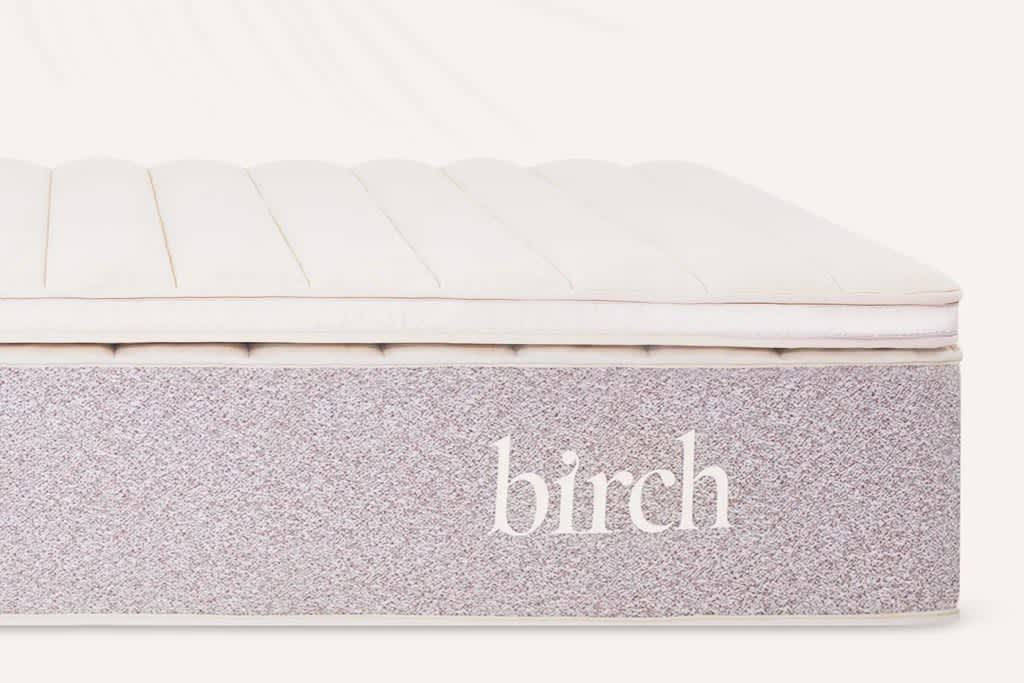
Even our hottest sleepers found the Birch Plush Organic Mattress Topper’s combination of latex, wool, and cotton to be exceptionally breathable. While it received solid scores across the board for its blend of cushioning and support, it was particularly well received by side sleepers.
MaterialTalalay latex
FirmnessMedium (5)
Price$399
CoolingLatex, Wool, Cotton
Pros
Talalay latex resists heat buildup and facilitates cooling
Delivers pressure relief without the sinking feeling of memory foam
Made with durable, eco-friendly materials
Cons
Doesn’t isolate motion as well as competing memory foam toppers
Higher price-point than most other mattress toppers
The Birch Plush Organic Mattress Topper is a latex model with a medium (5) firmness level. All its materials, including latex, wool, and cotton, resist heat retention to promote cooler sleep. The latex also provides a compelling balance of pressure relief and bounce.
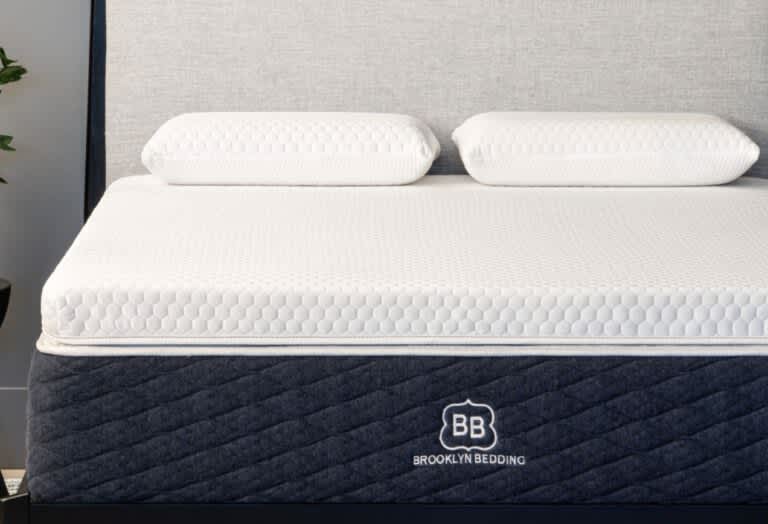
Brooklyn Bedding’s Microcoil Mattress Topper uses an unconventional design to deliver excellent cushioning and pressure relief. Triple-layer construction and a thick 3.5-inch profile ensure your mattress will feel significantly different with the topper in place.
Thick profile significantly improves your sleep surface’s comfort level
Foam-over-coil construction alleviates pressure without too much sink
GlacioTex cover is engineered to feel cool at all times
Cons
High potential for harsh initial off-gassing
Expensive pricing for a topper
A worn, uneven sleep surface can lead to increased pressure buildup in the shoulders, lower back, and hips. If your mattress is on its last leg but you aren’t ready to buy a replacement, the Brooklyn Bedding Microcoil Mattress Topper can help you sleep comfortably in the meantime. Three individual layers and a plush, adaptive feel ensure you’ll wake up without soreness or stiffness in your most sensitive areas, but the microcoil layer also helps to maintain an even surface for your body.
How We Test
To make it onto our list of the best cooling mattress toppers, a model has to ace our temperature regulation tests. In our Seattle sleep lab, we try every topper out personally and test for performance factors including motion isolation, pressure relief, and durability.
To measure temperature regulation, we use thermal imaging that shows us how much body heat body a model retains. The hot sleepers on our team also try cooling toppers out to see if they live up to their claims.
Testers from every sleeping position and weight group use each topper to see how they feel to different types of sleepers. Our picks aren’t complete without checking in with real-world customers, so we investigate verified reviews to learn what customers think of their cooling mattress toppers.
What Is a Cooling Mattress Topper?
A cooling mattress topper consists of an additional layer placed on top of a mattress that is intended to enhance comfort and temperature regulation during sleep.
Regular mattress toppers can help change the feel of a mattress by making it softer or firmer. They can also be an affordable way to extend the life of a mattress by providing it with a fresh top layer. A cooling mattress topper goes a step further by using materials that are engineered to help resist heat buildup or disperse body heat so that sleepers are less prone to overheating.
Who Should Use a Cooling Mattress Topper?
Cooling mattress toppers are a great choice for hot sleepers or people who live in hot climates. They can also help limit heat retention that can come from sharing a mattress with a partner or pet.
Many foam mattresses trap body heat, which can lead to sweating at night and difficulty sleeping. A cooling mattress topper is designed to counteract this heat buildup and keep the body at a neutral temperature.
While cooling mattress topper materials are certainly an important factor, don’t forget about body-contouring and compression. If you’re sinking into a topper, you’re not going to have much room around your body for air to move around.
Cooling Mattress Toppers vs. Cooling Mattress Pads
While many people use the terms mattress pad and mattress topper interchangeably, there are significant differences between the two. Mattress pads are thin pieces of material placed on top of a mattress to protect it from spills, dust, and allergens. While they can make a bed feel slightly softer or firmer, they don’t substantially change the firmness level of a mattress.
On the other hand, mattress toppers are usually several inches thick and can considerably change the feel and firmness of a mattress. A topper may also contribute to a mattress’ durability by compensating for sagging or indentations.
Cooling Mattress Topper
Cooling Mattress Pad
Ideal For
Hot sleepers who want to adjust the firmness, enhance the performance, or extend the lifespan of their current mattress
Hot sleepers who like the firmness and support of their mattress but want to sleep cooler
Average Thickness
2″ to 4″
Less than 2″
Differences
Offers significant changes to the firmness and feel of your bed
Gives the mattress a notably taller profile
May be waterproof and stain-resistant
Does not drastically change the feel of your bed
Average Price Range
$150 to $400
$20 to $300
Best Types of Cooling Mattress Toppers
The best mattress toppers for hot sleepers are constructed from breathable materials that either avoid collecting body heat or disperse heat and allow air to circulate. In some cases, materials are infused with cooling agents engineered for temperature neutrality.
Memory Foam
Memory foam is known for its ability to conform to the body and offer cushioning around pressure-prone areas. However, this conforming can limit airflow and allow body heat to collect.
As a result, cooling mattress toppers with memory foam employ multiple approaches to reduce heat retention. Manufacturers often infuse the foam with materials that pull heat away from the body or allow more airflow so that heat can dissipate. Common materials that are infused into toppers include copper, graphite, and cooling gels.
Some toppers use open-cell memory foam. This type of foam is constructed with tiny air pockets that allow ventilation and airflow within the foam. Thanks to this structure, the heat normally trapped by memory foam is more capable of being dispersed and may result in a cooler sleep surface.
Latex
Latex is popular for mattress toppers because it offers a nice balance of bounce, support, and pressure relief. Compared with memory foam, latex does not have as much tendency to retain heat. It also doesn’t hug the body as closely. Latex can also have an open-cell structure to permit airflow through the material.
Natural latex is harvested from rubber trees, while synthetic latex is made from petrochemicals. Natural latex is more commonly used in mattress toppers and is often sustainably produced, but it is usually more expensive than synthetic latex.
Polyfoam
Polyfoam can be manufactured to have a range of different features and firmness levels. Most often, it provides more bounce and less contouring than memory foam. It may collect heat, but usually not to the same degree as memory foam. Like memory foam, polyfoam is sometimes infused with cooling agents, especially if it forms the top layer of a mattress topper.
Climate Control Technology
Some mattresses use special technology to control the temperature of the sleep surface throughout the night. These toppers usually have internal channels for air or water. An attached device tracks temperature levels and can pump hotter or cooler air or water through those channels to adjust the bed’s temperature. A compatible smartphone app is often recommended to set the desired temperature.
Many of these advanced toppers offer the ability to set each side of the bed to a different temperature. While these products can significantly reduce overheating, they are normally much more expensive than traditional mattress toppers.
Picking the Right Cooling Mattress Topper for You
The best cooling mattress topper for you depends on a number of factors, including your weight, sleeping position, and personal sleep preferences. Depending on their design and materials, mattress toppers can alter the firmness of your mattress, add contouring, or provide additional bounce. Think of a topper as an extra comfort layer that can optimize the bed for your needs.
Factors to Consider in a Cooling Mattress Topper
To choose the best cooling mattress topper, consider each component of the topper in relation to your unique needs and preferences.
Cooling materials: Some mattress toppers use naturally cooler materials like latex, while others infuse memory foam or polyfoam with a cooling agent such as gel, graphite, or copper.
Firmness: The ideal firmness of a mattress topper usually depends on the sleeper’s personal preferences, sleeping position, and weight. Stomach and back sleepers usually need a firmer mattress topper than side sleepers. People who weigh over 230 pounds normally get better support from toppers that are at least medium firm.
Support: A mattress topper should provide ample support to promote spinal alignment. Support needs vary from sleeper to sleeper according to weight and sleeping position.
Pressure relief: This refers to how well the mattress topper cushions sleepers to relieve tension and impact. Generally, the more evenly the topper conforms to the body, the more effective the pressure relief.
Thickness: Since a mattress topper adds height to a mattress, it’s important to consider whether it could make a mattress too thick for a standard fitted sheet. Thicker toppers are not always better, since a topper’s firmness and performance often depends more on its materials than its thickness.
Motion isolation: Couples or those who sleep with pets may want to prioritize motion isolation so that movement on another part of the mattress doesn’t wake them during the night. Mattress toppers, especially ones made with memory foam, tend to offer the best motion isolation.
Durability: A topper’s durability varies based on the materials and quality of construction. On average, foam toppers last three to five years, while latex toppers often last longer.
Cost: Cooling mattress toppers span a wide price range, from under $100 to well over $1,000. Most shoppers can find a quality topper that meets their needs in the range of $200 to $500.
How Firm or Soft Should a Cooling Mattress Topper Be?
Mattress toppers can make a bed feel softer or firmer. Ideally, a bed should be soft enough to cushion the body, but it should not sag excessively. Finding the right balance in a mattress and topper can promote healthy spinal alignment.
Optimal firmness depends largely on a person’s sleeping position and weight. To avoid sinking too deeply into a mattress, people with a higher body weight generally need a firmer sleeping surface.
Sleep Position
Description
Side Sleepers
Side sleepers generally prefer a softer bed with more significant contouring that can cushion the hips and shoulders. Most side sleepers over 230 pounds fare best with at least a medium (5) firmness level to prevent sinkage that can cause heat retention and back pain.
Back Sleepers
Back sleepers under 130 pounds often find a nice mix of back support and cushioning from medium soft (4) mattress toppers, but those who weigh more may want to consider a topper ranging from medium (5) to firm (7-8) that can resist sagging around the midsection.
Stomach Sleepers
Stomach sleepers generally need a firmer bed that prevents the abdomen from sinking and pulling the spine out of alignment. In most cases, this means a topper between medium (5) and firm (7-8) depending on body weight and comfort preferences.
Just like mattresses, toppers have firmness levels that we rank on a scale from 1 to 10. Getting the right firmness level for your body weight and sleeping position can enhance your overall comfort and support.
Do Cooling Mattress Toppers Really Work?
Cooling mattress toppers can be effective at dispersing body heat so that it doesn’t collect around the body. However, a topper’s performance depends on its materials, design, and temperature regulation features.
Materials like latex, which can resist heat buildup, tend to work best for cooler sleep. Memory foam can be engineered to reduce heat retention, but if it closely hugs and wraps around the body, some heat will inevitably become trapped. Many cooling mattress toppers come with sleep trial periods so that you can test them out and return them if you aren’t satisfied.
Can Cooling Mattress Toppers Help With Night Sweats?
Cooling mattress toppers may help alleviate night sweats by helping to regulate body temperature throughout the night. If a topper enables better airflow around the skin, it can support the body’s ability to cool itself down.
That said, night sweats have many potential causes, some of which may persist even when using a cooling mattress topper. People with severe night sweats should consult their doctor about the most appropriate way to get relief.
What Else Can You Do to Stay Cool at Night?
While cooling mattress toppers are one useful way to avoid sleeping hot, there are other steps you can take to stay cool while you sleep.
Try a mattress with better temperature regulation: In general, innerspring, hybrid, and latex mattresses are less likely to sleep hot than standard foam mattresses. If you’re still sleeping hot after purchasing a cooling mattress topper, it might be time to consider a cooling mattress.
Use pillows and bedding made from breathable fabrics: Pillows and bedding can trap heat, so it’s important to use breathable sheets and cooling pillows that maintain a comfortable temperature while you sleep.
Keep your room cool: Take steps to make sure your sleep environment is at the optimal temperature for sleep. This may involve using air conditioning or fans, opening windows to facilitate ventilation at night, or remembering to keep blinds closed during the heat of the day in the summer.
Garen is a health and lifestyle content creator. She realized the importance of sleep when her children made getting a good night's rest more challenging. Garen is always learning something new about the wide world of sleep and sleep products. Married with two girls, ages 7 and 11, she is a book nerd and a lover of pop music, travel, and the Pacific Northwest.