How We Test
If you decide on one of our best comforter picks, you can rest assured in more ways than one. We’ve tried every comforter on our list personally and our testers have vetted the included models for quality and comfort.
In our sleep lab, we lie under every model to see how they feel and where they fall on the insulating versus temperature-regulating spectrum. We also inspect fill material, shell fabric, and washability — all important qualities to think about.
Customer reviews help us understand how a comforter performs over time, so we seek out verified reviews that discuss durability, performance, and overall quality before making our final choices.
What Is a Comforter?
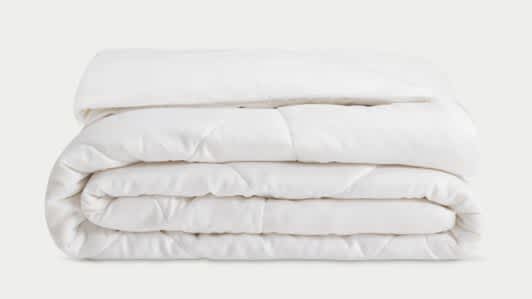
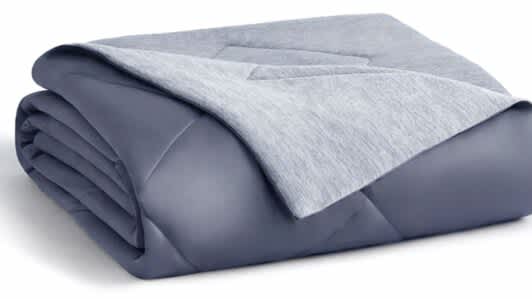
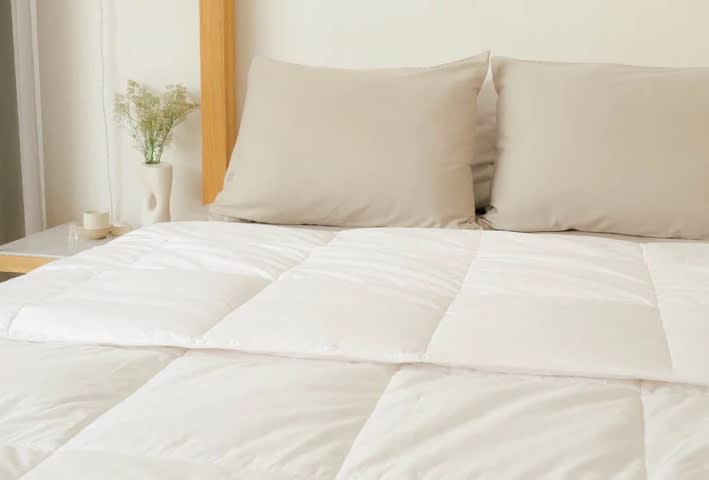
Comforters are designed to add warmth and comfort to a bed. They cover top sheets and come in a variety of materials like down, polyester, cotton, wool, and silk.
Comforters feature a cover and built-in insert. A comforter’s feel and performance largely depend on its materials and craftsmanship. Some designs are thin and airy, while others are more substantial.
While they’re distinct from mattress pads and protectors, comforters can shield your mattress and bedding from surface spills or accidents. Since most people in the U.S. use a top sheet as a barrier, comforters don’t need to be washed as frequently.
Comforter vs. Duvet
Many shoppers think comforters and duvets are identical since they serve the same basic function. However, they do vary slightly in performance and care.
Duvet is a French word that means down and refers to the fine plumage commonly used in duvet fills. Duvets have a fluffy insert and a removable cover. Inserts today consist of a number of natural and synthetic materials as well as down or feathers. Covers are meant to be washed on a regular basis, while inserts are usually spot-treated.
The main difference between a comforter and duvet is that a comforter has a built-in cover, whereas a duvet cover is detachable for easier cleaning. This distinction stems from the fact that top sheets are more commonly used in the U.S. as a buffer between the comforter and sleeper, while Europeans tend to only use a duvet. Without a sheet to serve as a barrier, it makes sense that duvets are designed for greater ease of cleaning.
One of the main reasons to choose a comforter over a duvet insert and cover combo is washability. That said, not all models have straightforward care instructions. If you know you plan to wash your comforter often, check to make sure it’s machine-washable.
How Much Does a Comforter Cost?
The average comforter ranges from $75 to upward of $250. Pricing depends mostly on materials, size, and brand name. There are plenty of budget-friendly comforters available, but shoppers can also splurge on a number of luxury models. Expect to pay more for designs made with natural, organic, or ethically sourced materials.
How Long Does a Comforter Last?
Most quality comforters should last around 10 to 15 years. Lifespan varies based on material quality, workmanship, and how well you care for your comforter. Some materials are naturally more durable and hold up to washing better than others. Following proper care guidelines can prevent premature wear.
How to Clean and Care for a Comforter
Care instructions differ according to model, so it’s important to refer to the product label before washing your comforter, as properly caring for your comforter can extend its lifespan.
Regardless of model, you can protect your comforter by not eating in bed and using a duvet cover. These practices will reduce how frequently you need to wash your comforter.
If your comforter is machine-washable and your washing machine is large enough to accommodate it, it’s safest to use a delicate setting with cold or warm water and a mild detergent. Avoid using hot water. Many comforters can be machine-dried on a low setting, but a large capacity dryer may be necessary. Additionally, air-drying in the sun can refresh a comforter. Since comforters are often difficult to wash, minor stains can be spot-treated instead.
What Types of Comforters Are Available?
Comforters use a variety of materials to achieve different feels. Depending on the model, a shell might use entirely different materials from the fill. Knowing how each type of material impacts the feel of a comforter can help point you to the right fit.
Down and Down Alternative
Natural down comes from the fine down feathers of geese or other waterfowl. Notably soft and fluffy, down remains a popular fill material. Down comforters are lightweight and breathable, yet they also insulate well during colder months.
Some people are allergic to natural down, and not everyone is comfortable with animal-sourced products. Down alternative fill is a more suitable option in these scenarios, as it consists of synthetic fibers. Most down alternative is polyester-based and has a feel similar to natural down. Down alternative comforters vary greatly when it comes to breathability, loft, and durability. Some high-end models are virtually indistinguishable from natural down comforters.
Cotton
Cotton is a natural fiber widely used in bedding for its softness and breathability. Cotton shells can help sleepers stay cooler by wicking away heat and moisture. Cotton fill comforters tend to be lighter and less insulating than other materials like down or wool, making them a good choice for summer months.
Silk
Silk is more common in luxury comforters, as it’s more expensive to manufacture. The natural fiber is exceptionally smooth and lightweight. Silk comforters are popular in hot and humid climates because of their breathability.
Wool
Wool comforters are very soft and insulating, making them suitable for colder seasons. They tend to be less fluffy than down or polyester models. Because wool is moisture-wicking, even very heavy wool comforters remain fairly breathable.
Eucalyptus
Eucalyptus fibers have a cooling, silky-soft texture that can be soothing to sensitive skin. Shells made from eucalyptus tend to be lightweight yet durable. They also drape well and resist wrinkling.
Most eucalyptus bedding is eco-friendly since it requires less water to manufacture than other materials. Eucalyptus comforters tend to avoid harsh chemicals in the manufacturing process as well.
A major plus for comforters is that you only have to buy one thing if you don’t plan on using a cover. That extra savings means you may be able to spring for a high-quality option.
What Should You Consider When Choosing a Comforter?
Everyone has different needs and preferences when it comes to bedding. Some people tend to overheat at night, while others require extra insulation to stay comfortable.
Consider your mattress size, material preference, bedroom aesthetic, and budget when shopping for your next comforter.
Your Mattress Size
Sizing options vary according to manufacturer, but all are designed to fit standard mattress sizes. Many models come in single sizes, such as twin, twin XL, queen, king, and California king. Other companies consolidate sizes for greater versatility. Full/queen and king/California king are common examples.
To ensure a good fit, always double-check your mattress size before buying a comforter, particularly if you share a bed. A comforter that is too small may not cover both partners in bed. A larger size is less problematic, and some sleepers even prefer oversized models.
For combined sizes, often more than one option can fit a given mattress. Just keep in mind that comforter prices generally increase with size.
Your Budget
Being clear on your budget prior to shopping can help narrow your search. Those with larger means naturally have more options, but there are plenty of models for shoppers on stricter budgets. Look for discounts or holiday sales to cut down on costs. Be sure to factor in potential shipping fees to the overall cost.
Your Personal Preferences
Some people enjoy a very lightweight and fluffy comforter, while others appreciate more heft. Consider the climate you live in and your typical bedroom temperature to help determine an appropriate insulation level.
Materials
Materials directly impact the way a comforter feels and performs. Shoppers should consider any allergies they have when choosing materials. For those who avoid animal-derived products, some models are vegan certified.